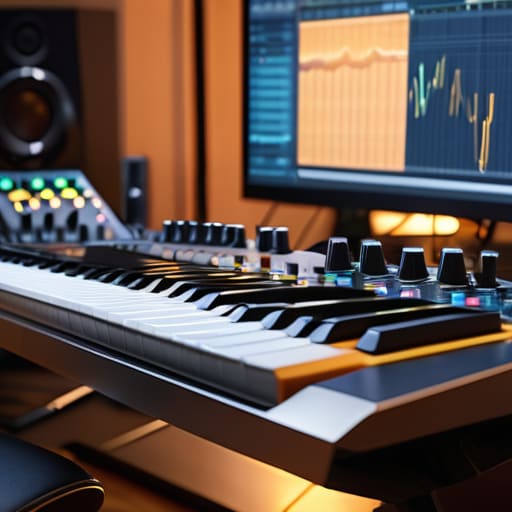
I remember sitting in a basement studio in Ann Arbor back in the late seventies, the air thick with the scent of stale coffee and ozone from overheating vacuum tubes. We didn’t have the infinite, polished menus of software we see today; we had a handful of microphones, a heavy reel-to-reel, and the unforgiving silence between takes. Nowadays, when I see people obsessing over expensive plugins and hyper-processed digital perfection, I can’t help but feel we’ve lost the plot. They treat music production like a mathematical equation to be solved, rather than a conversation between a soul and a room.
I’m not here to sell you a dream of studio magic or a list of gear you don’t actually need. Instead, I want to talk about the intentionality of sound—the way a single, well-placed note can carry more weight than a thousand synthesized layers. I promise to share what I’ve learned from decades of listening to the greats: how to strip away the clutter and focus on the textures that actually resonate. Let’s stop chasing the perfect frequency and start finding the human heartbeat hidden within the mix.
Table of Contents
Building a Home Studio Setup for Beginners With Intention
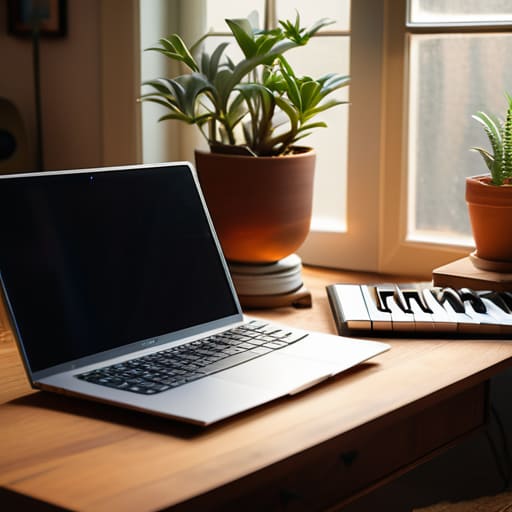
When I first began setting up a space for my own late-night explorations, I realized that a home studio setup for beginners doesn’t need to look like a laboratory. In fact, I found that the more sterile the environment, the harder it was to find the soul of a piece. You don’t need a mountain of gear; you need a corner where the light is soft and the air feels right. I always suggest starting with a reliable digital audio workstation workflow that feels intuitive rather than intimidating. If you are fighting your tools, you aren’t listening to the music.
I’ve learned that the most important investment isn’t the most expensive microphone, but rather the intentionality of your environment. It’s about how your chair feels when you’ve been sitting for three hours, or how the acoustics of a small room can either stifle a melody or give it life. Instead of chasing every shiny new plugin, focus on the sound design fundamentals that allow a single note to breathe. Build a sanctuary, not just a workstation, so that when you finally sit down, the music feels like it was already waiting for you.
Mastering Sound Design Fundamentals Through Quiet Observation

I’ve always found that the best lessons in sound don’t come from staring at a monitor, but from sitting still in a quiet room. When I was archiving old city records, I learned that the most profound stories are often found in the textures—the scratch of a pen, the distant hum of a streetcar, the way a room breathes. You can apply this same philosophy to your sound design fundamentals. Instead of reaching for a preset, try listening to the world around you. Notice how a heavy wooden door closes with a certain weight, or how the wind whistles through a narrow alleyway. These aren’t just noises; they are the building blocks of atmosphere.
When you finally sit down at your workstation, try to translate those observations into your craft. Rather than rushing through a complex digital audio workstation workflow, take a moment to sculpt a single texture. If you want a snare to feel “old,” don’t just add reverb; think about the grit and the decay you heard in those dusty jazz recordings I collect. By approaching your work with a sense of quiet observation, you move beyond mere technicality and begin to create something that actually possesses a soul.
The Soul in the Machine: Five Ways to Keep Your Music Human
- Respect the silence between the notes. In my years among the archives, I learned that what isn’t recorded is often as vital as what is. Don’t be afraid to let a track breathe; a song that is constantly fighting for attention often forgets how to sing.
- Listen to the world before you listen to your monitors. Before you reach for a plugin to fix a frequency, go for a walk. Listen to the way a heavy door closes or how the wind whistles through an alleyway. Those organic textures are the ghosts that give a digital production its heartbeat.
- Avoid the trap of the endless loop. It is easy to spend hours tweaking a single drum beat until it loses its life. Set a timer, or better yet, step away for a cup of tea. You need distance to realize when a rhythm has become a machine and when it has become a feeling.
- Treat your gear like a fine instrument, not a tool. Whether it’s a vintage synth or a modern laptop, there is a certain reverence required. When you approach your setup with intention rather than just utility, you’ll find that the technology begins to respond to your touch in much more subtle, beautiful ways.
- Prioritize the melody over the perfection. I have seen many young producers get lost in the pursuit of a “clean” mix, only to realize they’ve polished away the very grit that made the song special. A slightly imperfect recording with a haunting melody will always outlast a flawless track that says nothing at all.
The Quiet Lessons of a Record Player
Stop chasing the most expensive gear and start listening to the character of what you already own; a soul is found in the texture, not the price tag.
Treat your studio sessions like a slow walk through an old neighborhood—give yourself permission to wander through a melody without the urge to rush toward a finish line.
True mastery isn’t about technical perfection, but about capturing those small, imperfect details that make a piece of music feel human and alive long after the silence returns.
The Soul in the Signal
We often get so caught up in the mechanics of the gear and the precision of the software that we forget the most important tool is our own stillness; don’t just aim to build a perfect track, aim to capture a moment that feels like it was meant to be heard.
Petra Lindgren
The Echo After the Music Ends
As we pull back from the technicalities, it’s easy to see that music production is less about the gear on your desk and more about the intentionality you bring to the silence. We’ve talked about setting up a space that breathes, observing the subtle textures of sound in the world around us, and the patience required to craft a sonic landscape. It isn’t about chasing the loudest or the most complex arrangement; it is about the careful curation of every note and every breath. When you stop treating production as a series of tasks to be checked off and start treating it as an archiving of emotion, the work begins to change.
In the end, the most successful tracks aren’t the ones that demand your attention with sheer volume, but the ones that linger in your mind long after the room has gone quiet. I often find myself sitting in dim jazz clubs, not just listening to the melody, but feeling the weight of the space between the notes. I hope you approach your music with that same sense of reverence. Don’t be afraid to slow down. Let your compositions breathe, let them have shadows, and most importantly, let them tell a story that is worth remembering once the lights finally go up.
Frequently Asked Questions
How do I know when I've added too much to a track and lost the original feeling of the melody?
It’s a question of whether the song still breathes. I often find myself sitting in the dark, eyes closed, letting the track play. If I’m busy analyzing the layers or the compression instead of feeling the pull of that initial melody, I’ve gone too far. When the architecture of the sound begins to obscure the soul of the song, it’s time to step back. If you can’t hum the heart of it anymore, you’ve built a cage, not a song.
Is it possible to create something meaningful without owning the most expensive, polished gear?
I’ve spent a lifetime looking at dusty ledgers and faded photographs, and if there’s one thing I’ve learned, it’s that the soul of a thing isn’t found in its shine. You don’t need a pristine, gold-plated studio to capture a feeling. In fact, sometimes the imperfections—the slight hiss of a cheap mic or the warmth of an old preamp—are exactly what give a piece its heartbeat. It’s the intention, not the price tag, that lingers.
How can I learn to listen to the space between the notes rather than just the notes themselves?
It’s a bit like studying the architecture of a cathedral; you can’t appreciate the arches if you aren’t aware of the vast, empty air between them. To learn this, stop trying to “hear” the melody. Instead, try sitting in a dim room with a single record playing and focus on the decay—the way a note breathes and eventually vanishes into the silence. The silence isn’t empty; it’s the canvas that gives the music its shape.
