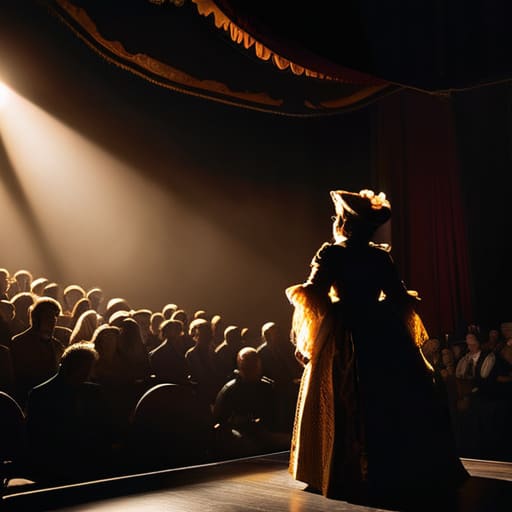
I remember sitting in a cramped, velvet-seated balcony in a drafty downtown playhouse, the air thick with the scent of floor wax and old dust. There was no digital spectacle or flashing LED screen, just the heavy, rhythmic breathing of the audience and the singular, focused light of a spotlight hitting the stage. It’s in those quiet, unpolished moments that I realized the true weight of theatrical productions isn’t found in the budget or the star power, but in the shared stillness between the actors and the onlookers.
I’m not here to give you a glossy review of the latest Broadway sensation or tell you which overpriced ticket is worth your rent money. Instead, I want to help you navigate the soul of the stage—to find those rare, transformative performances that actually linger in your mind long after you’ve stepped back out into the cool night air. We’re going to look past the marketing hype and focus on the substance of the story, seeking out the kind of theater that demands you slow down and truly witness it.
Table of Contents
Mastering the Quiet Art of Performing Arts Techniques
When I was working in the archives, I often found myself tracing the lineage of old playbills, marveling at how much labor went into a single evening of illusion. We often focus so much on the actors that we overlook the invisible hands shaping the air around them. To truly appreciate a show, one must look closer at the performing arts techniques that weave the atmosphere together. It isn’t just about a well-delivered monologue; it is about the way a spotlight catches a single tear or how a sudden silence can feel heavy with meaning.
There is a profound, quiet intelligence found in stagecraft and scenography that most people miss in their rush to the exit. I’ve spent many evenings sketching the way light hits a velvet curtain or how a set piece is positioned to suggest a world much larger than the stage itself. These elements aren’t just decorations; they are the heartbeat of the storytelling. When we take the time to notice these details, we realize that the magic isn’t just in the performance, but in the meticulous, silent architecture of the entire experience.
Where Stagecraft and Scenography Create Lasting Shadows
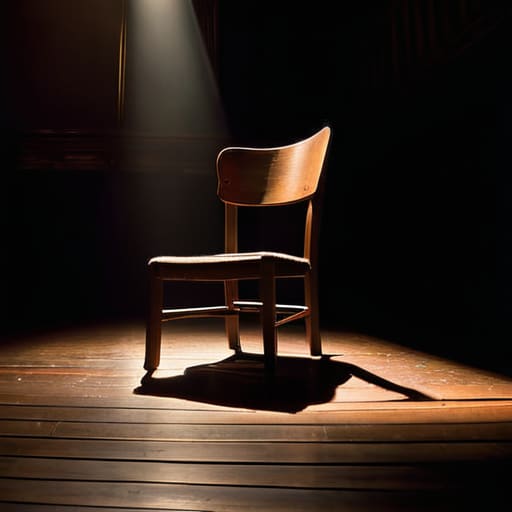
I’ve always found that the most profound moments in a theater aren’t found in the dialogue, but in the way a single shaft of light cuts through the darkness. It is in the marriage of stagecraft and scenography that a story truly finds its breath. I remember sitting in a drafty playhouse in Chicago years ago, watching how a simple, weathered wooden chair—placed just so under a dim amber glow—could convey more loneliness than a ten-minute monologue. It’s that intentionality, that careful arrangement of shadow and substance, that lingers in your mind long after you’ve stepped back out onto the sidewalk.
There is a quiet, invisible labor behind these moments. We often focus on the actors, yet the theatrical production process relies heavily on the hands that work in the periphery. It’s the lighting designer who understands how to sculpt a character’s grief with a silhouette, or the set builder who selects a texture that catches the light just right. When these elements align, the stage ceases to be a platform and becomes a living, breathing world. It is a reminder that the most beautiful things are often built in the margins.
How to Truly Listen to the Stage
- Arrive early enough to sit in the stillness. There is a specific, heavy kind of magic in an empty theater before the first actor speaks; let yourself settle into the velvet of the seat and just exist in that space before the rush begins.
- Watch the edges of the stage, not just the center. The most profound storytelling often happens in the periphery—the way a shadow stretches across a floorboard or how a lighting technician subtly shifts a hue to signal a change in a character’s heart.
- Put the phone away, and I mean truly away. A glowing screen in a dark house is more than a distraction; it is a rupture in the collective breathing of the audience. To witness a production is to enter a pact of shared presence.
- Pay attention to the silence. In my years working with archives, I learned that what isn’t recorded is often as vital as what is. In theater, the pauses between lines are where the real tension lives—don’t be so eager for the next word that you miss the weight of the quiet.
- Stay for the lingering echo. When the curtain falls and the lights slowly rise, don’t rush immediately for the exit. Allow yourself a few moments to sit with the ghosts of the performance; that is when the story truly begins to weave itself into your own memory.
The Echoes That Remain
True theater isn’t found in the loudest spectacle, but in the deliberate pauses and the subtle shifts of light that allow a story to settle into your bones.
We must learn to look past the surface of a performance to appreciate the craftsmanship of the shadows and the quiet intention behind every movement on stage.
The most profound experiences are those that demand we slow down, teaching us that the value of an evening lies in the details we are usually too hurried to notice.
The Resonance of the Unseen
“A truly great production isn’t measured by the loudness of the applause, but by the way the silence feels in the room once the actors have left the stage and you’re left alone with your own thoughts.”
Petra Lindgren
The Echo in the Empty Hall
As I sit here in the dim light of this corner booth, reflecting on everything we’ve discussed—from the meticulous precision of a performer’s technique to the way a single, well-placed shadow can tell a story more profound than any spoken word—I am reminded that theater is never just about the spectacle. It is a delicate architecture built from intentionality and grace. Whether it is the subtle shift in a lighting cue or the way a set piece anchors a scene in reality, these elements work in concert to pull us out of our frantic, modern rhythms and into something much more substantial. We have seen how the craft behind the curtain is what truly allows the magic to breathe, turning a mere stage into a vessel for human connection.
In the end, the true value of a theatrical production isn’t found in the applause or the bright lights of the opening night, but in the quiet stillness that follows. It is that lingering feeling you carry with you as you walk out into the cool night air, realizing that a small piece of the story has settled into your own soul. I encourage you to seek out these moments of shared humanity. Don’t just watch a play; allow yourself to be moved by it. Let the shadows stay with you, and let the music of the performance remind you that life is best experienced in the slow, deliberate pauses.
Frequently Asked Questions
How can one truly appreciate the nuance of a performance when the modern world feels so loud and hurried?
It begins with the deliberate act of leaving the noise behind. I find that I cannot truly hear a performer if my mind is still racing through my to-do list. You must treat the theater like one of my old vinyl records—approach it with intention. Put your phone away, sit in the dimness, and allow your senses to recalibrate. Only when you slow your own tempo can you catch the subtle tremor in an actor’s voice.
Is there a way to find the soul of a production beyond the spectacle of the costumes and the lights?
You have to listen for the silences. When the grand spectacle of a costume or a sweeping spotlight fades, what remains is the intention behind the stillness. I find the soul in those unscripted breaths between lines, or the way a single actor holds a gaze just a second too long. It’s in the texture of the human connection, not the glitter. Look past the artifice; the truth is always hiding in the quiet.
What should I look for in a venue to ensure the atmosphere is as meaningful as the play itself?
I’ve learned that the architecture of a room dictates the rhythm of the evening. Look for spaces with a sense of history—places where the wood feels worn by a thousand previous audiences and the lighting is soft enough to let you disappear. Avoid those sterile, modern halls that feel like waiting rooms. You want a venue with character, perhaps a bit of velvet or dim, amber-hued corners, that encourages you to sit still and truly listen.
