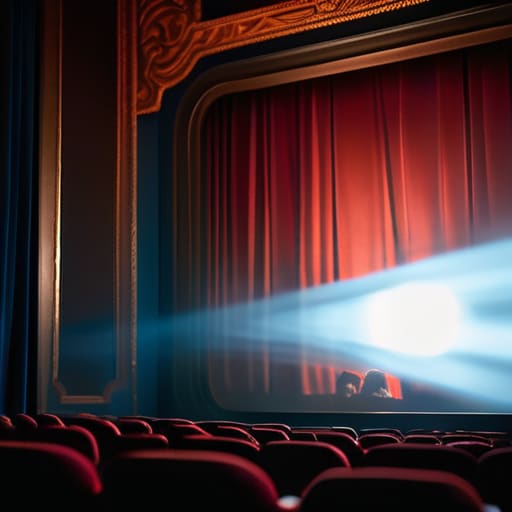
I remember sitting in a cramped, velvet-seated theater in a basement in Ann Arbor, the air smelling faintly of old dust and spilled popcorn. There was no red carpet, no flashing lights, and certainly no celebrity handlers—just the low hum of a projector and the collective breath of a crowd waiting to see something real. That is the true soul of indie film festivals, a feeling that seems to be getting lost under the weight of modern marketing and overpriced VIP passes. We’ve turned these celebrations of raw storytelling into polished, high-priced spectacles, forgetting that the magic usually happens in the shadows, not the spotlights.
I’m not here to give you a glossy guide to the most expensive screenings or the trendiest after-parties. Instead, I want to help you navigate these festivals with a bit more intentionality. I’ll share what I’ve learned from years of seeking out the quiet corners of the arts, focusing on how to find the films that actually linger in your mind long after the credits roll. Let’s skip the hype and find the stories that are actually worth your evening.
Table of Contents
Finding Meaning in Cinematography and Storytelling
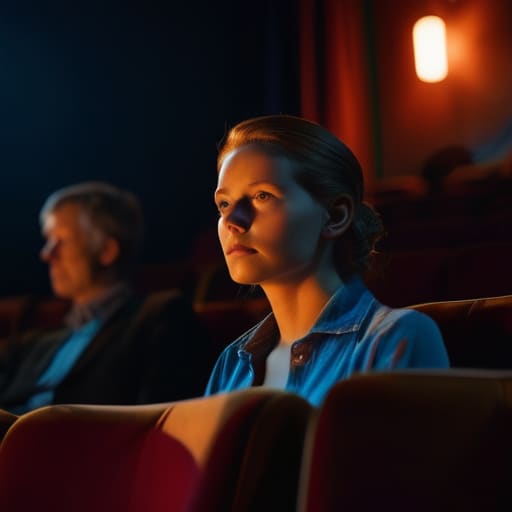
There is a particular kind of stillness that settles over a room when a film truly begins to breathe. Unlike the polished, loud spectacle of a summer blockbuster, these smaller works rely on the delicate interplay of cinematography and storytelling to hold your gaze. I often find myself leaning forward in my seat, not because of a sudden explosion, but because of the way a single shadow falls across a character’s face or the intentional rhythm of a long, unbroken shot. It is in these quiet, unhurried moments that the real soul of a story resides.
Watching these films feels like peering into a private journal. You aren’t just a spectator; you are a witness to a specific, unfiltered vision. By supporting underground cinema, we aren’t just consuming content—we are participating in a cultural exchange that honors the human condition in all its messy, unscripted glory. It’s a reminder that the most profound truths don’t need a massive budget to be felt; they just need a lens that isn’t afraid to look closely at the details we usually rush past.
A Soulful Film Festival Circuit Guide
If you’re looking to navigate the landscape, don’t treat it like a checklist of cities to conquer. Instead, think of it as a map of quiet, intentional gatherings. When I look for my next destination, I look for those smaller, regional hubs that prioritize intimacy over spectacle. These venues often serve as the primary heartbeat for supporting underground cinema, offering a space where the air feels thick with anticipation rather than the polished, hollow sheen of a Hollywood premiere. It’s in these smaller rooms that you truly feel the pulse of a new movement.
As you plan your journey, keep an eye on the shifting arthouse cinema trends that define each season. Some festivals lean into the avant-garde, while others celebrate the grit of neo-realism. I find that the most rewarding experiences come from following the trail of emerging filmmakers who aren’t afraid to break the rules of traditional structure. It isn’t about seeing the most films; it’s about finding the one that makes the room go silent, leaving you with something to ponder long after you’ve stepped back out into the cool night air.
Small Notes for a Slower Cinema Experience
- Don’t chase the marquee names. The real magic usually happens in the smallest screening rooms, where the air feels heavy with anticipation and the film is something no one has ever heard of before.
- Bring a physical notebook. There is something about the scratch of a pen on paper that helps you process a scene much better than a digital note ever could; I find it helps me remember the lighting long after the credits roll.
- Embrace the silence of the crowd. In an age of constant noise, there is a profound, shared intimacy in sitting with strangers in a dark room, all of us breathing in sync as a story unfolds.
- Stay for the Q&A, even if you’re tired. These are the moments where the art becomes human—where you hear the director speak about their struggles and realize that every frame was a labor of love.
- Treat the festival like a ritual, not a checklist. Don’t rush from one screening to the next just to say you saw them; find a quiet corner, a good cup of coffee, and let the atmosphere of the festival settle into your bones.
The Quiet Lessons of the Festival Circuit
Don’t just watch the film; let the atmosphere settle. The magic of an indie festival isn’t just on the screen, but in the hum of the lobby and the shared silence of a crowd that actually cares about the story.
Seek out the small, local screenings over the massive, commercial ones. It’s in those cramped, dimly lit independent theaters where you find the real heartbeat of cinema and the stories that stick to your ribs.
Treat the experience as a slow ritual rather than a checklist. The goal isn’t to see every movie on the program, but to find the one film that makes you want to sit in a quiet corner afterward and just… think.
The Texture of the Frame
“A big-budget spectacle is designed to overwhelm you, but an indie film? That’s designed to meet you where you are. It’s in those quiet, unpolished moments—a flicker of light in a dark room or a silence that lingers just a second too long—that you actually find a piece of yourself reflected back.”
Petra Lindgren
The Afterglow of the Screen
As the credits roll and the house lights slowly rise, you realize that an indie film festival is about much more than just a series of screenings. It is a deliberate gathering of stories that refuse to be polished away by a studio machine. We have looked at how the raw texture of cinematography can stir the soul and how choosing the right circuit can turn a weekend into a true cultural pilgrimage. Whether it is the way a single, unadorned shot lingers on a character’s face or the shared silence of a room full of strangers, these moments are the connective tissue of our shared human experience. It is in these small, unscripted details that we find the true heartbeat of cinema.
I often find myself sitting in a darkened theater long after the film has ended, just letting the echoes settle. In a world that demands we move faster and consume more, there is a quiet rebellion in sitting still and truly witnessing someone else’s vision. Don’t just go to a festival to check a box or see what’s trending; go to be moved, to be challenged, and perhaps even to be a little bit lost. Let the films stay with you like a well-worn melody on a vintage record. After all, the most important part of the evening isn’t the movie itself, but the lingering shadow it leaves on your mind.
Frequently Asked Questions
How do I find the smaller, more intimate festivals that aren't overwhelmed by the industry crowds?
You have to look past the glossy brochures. The big names are for the suits and the networking; I prefer the festivals tucked into university towns or coastal villages. Look for those listed in niche film journals or local arts councils rather than the major industry calendars. Often, it’s the ones with a modest website and a handful of local sponsors that offer the most honest connection between the screen and the soul.
Is it worth attending these festivals alone, or is there a certain magic to experiencing them in a group?
There is a particular kind of grace in going alone. I’ve often found that sitting in a darkened theater by myself allows the film to settle into my bones without the distraction of whispered commentary. You become a silent observer, much like when I’m archiving old records. However, there is a different, communal magic in the lobby afterward—that shared, electric hum of strangers debating a scene. Both have their place; it just depends on how much you want to talk.
How can I best prepare myself to truly appreciate the pacing and nuance of independent films without feeling rushed?
It’s about setting the stage before the projector even hums to life. Don’t treat a screening like a task to be checked off. Arrive early, find a seat where the light hits just right, and perhaps sit with a notebook for a moment. Most importantly, leave your phone in your pocket. To catch the nuance, you have to give the film your stillness. Let the silence settle in first.
