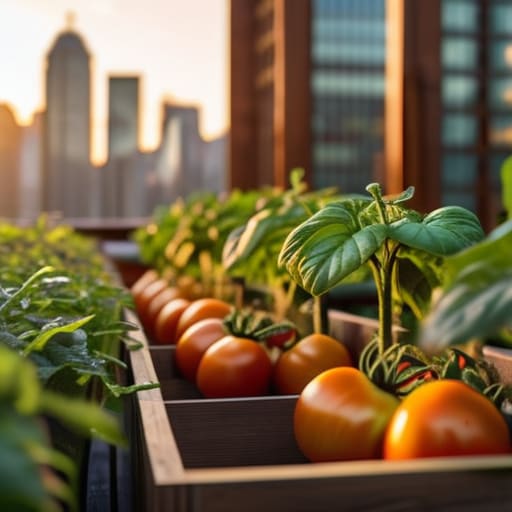
I remember sitting on my small, fire-escape balcony last July, the scent of damp earth clashing with the heavy, metallic tang of the city evening. I was staring at a row of wilted basil plants that had cost me far too much at a boutique nursery, feeling a strange sense of failure amidst the concrete. There is this modern, frantic obsession with high-tech hydroponic setups and expensive, designer planters that makes urban gardening feel more like a luxury hobby for the elite than a way to connect with the ground beneath us. We’ve been told we need a laboratory to grow a tomato, but I’ve always found that the most meaningful growth happens in the simplest of vessels.
I’m not here to sell you on a lifestyle of polished perfection or complicated gadgets that will only gather dust. Instead, I want to share the quiet, unvarnished reality of coaxing life from a few pots on a windowsill. I will guide you through the practical, low-stakes rhythms of tending to a small patch of green, focusing on what actually works when you’re short on space and even shorter on time. Let’s skip the hype and focus on the slow, steady joy of watching something bloom.
Table of Contents
Small Space Vegetable Gardening as a Quiet Ritual
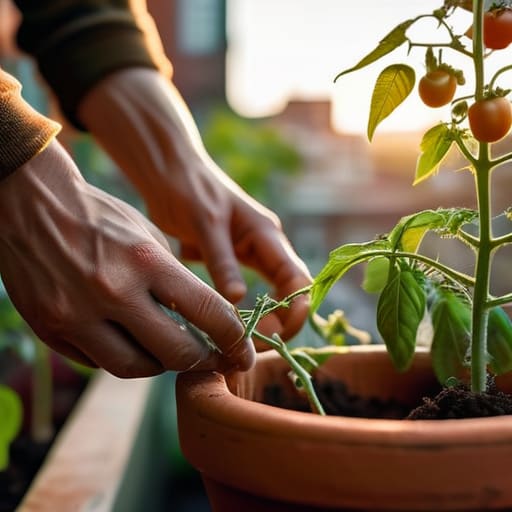
I’ve always found that the most profound histories aren’t just found in dusty archives, but in the slow, rhythmic cycles of growth. There is a particular kind of solace in small space vegetable gardening; it demands a level of presence that our modern, frantic world rarely asks of us. When I sit on my small terrace, watching a single heirloom tomato vine stretch toward the evening light, the city’s roar seems to soften. It becomes a private dialogue between my hands and the soil.
You don’t need an estate to practice this quiet discipline. I’ve seen neighbors master vertical gardening techniques on narrow fire escapes, turning mere strips of brick into lush, edible tapestries. There is something deeply grounding about the tactile reality of it—the weight of a ceramic pot, the scent of damp earth, and the patience required to wait for a harvest. It isn’t about maximizing yield or efficiency; it is about the intentional pause that occurs when you stop to check a leaf for new growth, finding a moment of stillness amidst the concrete.
The Gentle Rhythm of Apartment Balcony Plant Care
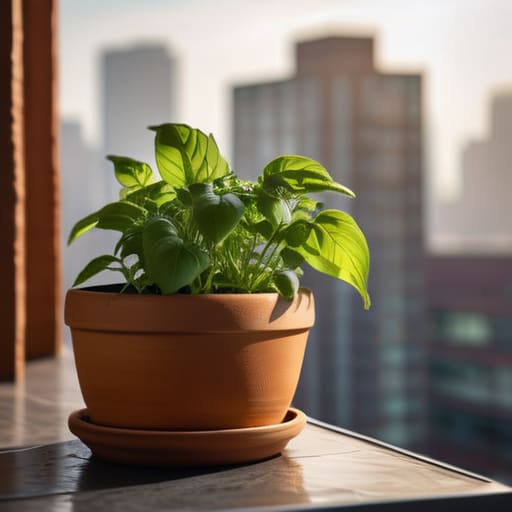
There is a particular kind of grace found in the way a single basil plant reaches toward the afternoon sun on a narrow ledge. For those of us living tucked away in the higher floors of the city, apartment balcony plant care becomes less of a chore and more of a rhythmic dialogue with the elements. You learn to read the wind as it whistles between the glass towers, and you begin to understand the subtle language of soil moisture and leaf tilt. It isn’t about grand landscapes; it is about the quiet satisfaction of seeing a sprig of mint thrive in a ceramic pot.
When the space is tight, one must become a bit of an architect. I often find myself sketching out different vertical gardening techniques in my notebook, trying to visualize how a trellis might transform a cramped railing into a living curtain of greenery. It’s a slow, deliberate process of layering life where there was once only concrete. There is something deeply grounding about tending to these small, elevated sanctuaries, finding a sense of continuity even when the city below is rushing toward tomorrow.
The Subtle Art of Tending to Your Greenery
- Start small, perhaps with a single pot of basil or mint on a windowsill; there is no need to rush into a full-scale harvest when the goal is simply to find a moment of connection with the earth.
- Pay close attention to the way the light shifts across your floor throughout the afternoon, as understanding the sun’s slow dance is the only way to truly know where your plants will thrive.
- Invest in quality soil that feels rich and honest between your fingers, for even in a ceramic pot, the foundation of life requires a certain depth and character.
- Embrace the patience of the growing season, resisting the urge to constantly fuss or overwater, and instead learn to appreciate the quiet, invisible progress that happens in the stillness.
- Keep a small notebook, much like the one I use for my sketches, to jot down when the first sprout appears or how the leaves react to a sudden rain; these small observations turn a hobby into a lasting memory.
The Lasting Harvest of a Slow Evening
Gardening isn’t about the yield in the basket, but the way the cool soil under your fingernails forces you to finally stop rushing and simply exist in the present moment.
Even the smallest window box offers a chance to witness the quiet, stubborn persistence of life, reminding us that beauty doesn’t require a vast estate to take root.
By tending to these living things, we cultivate a sense of rhythm that carries us through the noise of the city, leaving us with a stillness that lingers long after the sun goes down.
## The Slow Harvest of the Soul
“There is a certain kind of grace in tending to a single tomato plant on a fire escape; it forces you to abandon the frantic pace of the sidewalk and finally listen to the slow, patient breathing of the earth, even amidst the roar of the city.”
Petra Lindgren
The Harvest of a Quiet Life
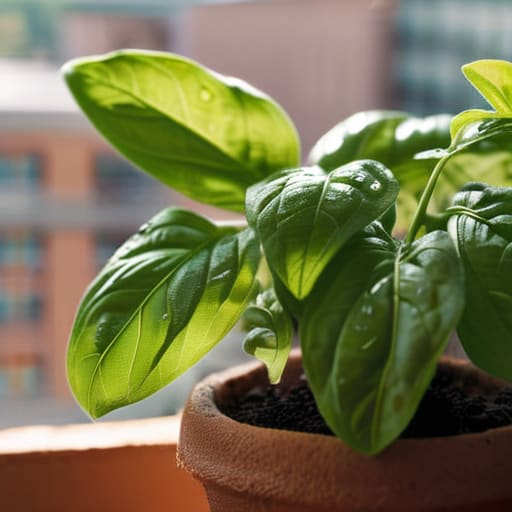
As we’ve discussed, tending to a few pots of basil on a windowsill or a handful of tomatoes on a balcony isn’t merely about the food we might eventually harvest. It is about the deliberate slowing down that occurs when you commit to the needs of something living. Whether you are managing the limited real estate of a small apartment or finding a rhythm in the repetitive task of watering, you are participating in a ritual that resists the frantic pace of the modern world. These small patches of green serve as our own private archives, documenting the passing of seasons and the steady, unhurried growth that happens even amidst the concrete and the noise.
In the end, I find that the true value of urban gardening lies in what it teaches us about patience. We live in an era of instant gratification, but a seed does not care about our schedules; it moves at its own ancient, soulful tempo. By making space for these living things, we make space for ourselves to breathe. I encourage you to find your own small corner of earth, however modest it may be, and let it remind you that beauty persists in the smallest cracks. Don’t just rush through your evening; stay a while, watch the leaves turn toward the light, and notice how much more vivid the world becomes when we finally stop to look.
Frequently Asked Questions
How do I know if my small balcony gets enough light to actually keep something alive, or am I just chasing a dream?
It’s a question I’ve often asked myself when eyeing a particularly stubborn patch of ivy. Don’t let doubt stop you, but do be honest with the sun. Spend a Saturday observing your balcony through the hours; notice where the light lingers and where the shadows stretch long and heavy. If you get six hours of direct warmth, you’re golden. If not, we simply choose plants that thrive in the soft, dappled shade.
What are the best ways to manage soil and water in a tiny space without making my apartment feel like a swamp?
The secret is to treat your plants like a well-curated collection—intentional, not overflowing. I’ve found that using terracotta pots is a lovely way to let the soil breathe; they have a certain tactile honesty that plastic lacks. To avoid that damp, heavy feeling, I stick to small, high-quality saucers to catch the runoff. It’s about finding that delicate balance between nourishment and order, ensuring your sanctuary remains a place of peace, not a swamp.
Are there specific herbs or greens that don't require much fuss, especially for someone who isn't used to the constant attention plants demand?
If you’re looking to avoid the stress of constant monitoring, I’d suggest starting with mint or rosemary. Mint is almost stubbornly resilient—it finds a way to thrive even if you forget it for a few days. Rosemary, with its woody stems, handles a bit of neglect quite gracefully. Both offer a lovely, sensory reward; there is something deeply grounding about bruising a leaf between your fingers to release that scent after a long day.
