I was sitting in a dimly lit jazz cellar last Tuesday, the kind of place where the air smells of old wood and spilled bourbon, watching a man struggle to explain a single charcoal sketch. He was using these heavy, academic terms, dissecting the “metaphysical implications” as if he were reading from a textbook rather than looking at a piece of soul on paper. It’s a common frustration, isn’t it? People tend to treat philosophy in art like some gated community of intellect, a complex puzzle that requires a PhD to even approach. They wrap it in layers of jargon that only serve to distance us from the actual feeling of the work.
I’m not here to give you a lecture or a list of names to memorize for a seminar. Instead, I want to pull back the curtain and show you how to find the meaning for yourself, without the pretension. We are going to look at how ideas actually breathe within a frame or a melody, focusing on the quiet connections that stay with you long after you’ve left the gallery. My promise is simple: no fluff, no academic posturing—just a way to help you truly see.
Table of Contents
The Ontology of Art and Its Lasting Echoes
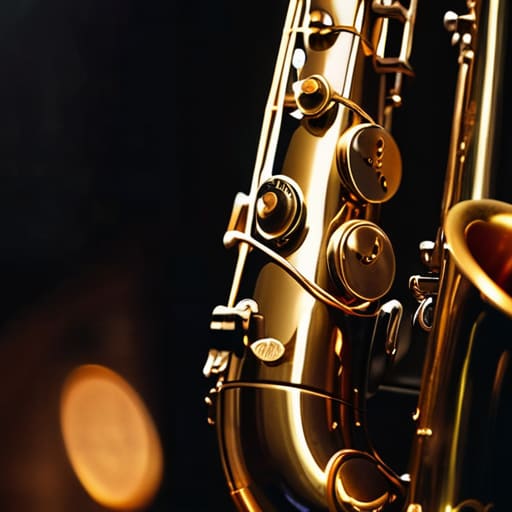
When I sit in a dimly lit corner of a jazz club, watching the light catch the brass of a saxophone, I’m not just watching a performance; I’m witnessing an arrival. There is a profound ontology of art at play here—the question of what these sounds actually are once they leave the instrument. Is the music merely vibrations in the air, or does it exist in that shared space between the player’s intent and my own memory? I’ve found that a piece of art isn’t a static object sitting on a shelf; it is a living thing that only truly breathes when it encounters a human soul.
This brings me to the way we perceive these moments. Through the phenomenology of art perception, we realize that a painting or a melody isn’t just something we see or hear—it is something we undergo. It settles into our bones like the evening chill. We don’t just observe the beauty; we inhabit it. I often find myself sketching the heavy mahogany of a stage or the curve of a cello, trying to capture not just the shape, but the way the object seems to hold the very essence of the silence surrounding it.
Deciphering the Metaphysics of Beauty in Dim Light
I often find that the most profound truths aren’t found under the harsh glare of a midday sun, but in the soft, amber glow of a basement jazz club or a quiet gallery at dusk. There is a certain phenomenology of art perception that shifts when the shadows lengthen. In the dim light, the edges of a painting or the silhouette of a sculpture seem to breathe. You aren’t just observing an object; you are experiencing its presence in a way that feels almost tactile.
When we sit in these quiet spaces, we begin to grapple with the metaphysics of beauty without even realizing it. It isn’t about the technical precision of a brushstroke or the mathematical perfection of a chord, but rather the way a piece of art occupies the space between the seen and the felt. I’ve spent many evenings sketching the heavy velvet curtains of old theaters, realizing that the atmosphere itself is part of the work. We must allow ourselves the grace to stop analyzing and simply let the stillness settle into our bones.
Five Ways to Listen to the Silence Between the Brushstrokes
- Slow your pace. We live in an era of frantic scrolling, but art demands a different tempo. Don’t rush from one piece to the next like you’re checking items off a grocery list; give yourself permission to sit with a single work until the initial noise of your day begins to fade.
- Look for the intention, not just the image. When I’m looking at an old photograph or a piece of sculpture, I find myself asking what the creator was trying to preserve. Philosophy in art isn’t about finding a hidden code, but about understanding the human impulse to leave a mark behind.
- Embrace the shadows. Just as a good jazz set needs the quiet moments between the notes to breathe, art needs its ambiguity. You don’t need to solve a painting like a math equation. Sometimes, the most profound truths are found in the parts of the work that remain beautifully unclear.
- Connect the texture to the thought. I often find myself sketching the heavy cornices of old buildings or the way light hits a canvas. Pay attention to the physical reality of the medium—the grit, the oil, the weight of it. The philosophy is often etched right into the very substance of the thing.
- Let the art change you, rather than trying to change the art. We often approach culture with a desire to categorize or judge it. Instead, try approaching it with a sense of receptivity. Let a melody or a landscape settle into your bones and see what it reveals about your own quiet corners.
The Quiet Lessons Left Behind
Art isn’t a puzzle to be solved with a quick glance; it’s an experience that requires us to sit still, let the brushstrokes and the shadows settle, much like waiting for the first notes of a jazz set to find their rhythm.
True beauty often lives in the tension between what is seen and what is felt, reminding us that the most profound truths aren’t found in the bright lights of the obvious, but in the nuanced, dim corners of our perception.
To truly engage with a piece of work is to honor the pause, recognizing that the value of an evening—or a masterpiece—lies in the lingering resonance it leaves in your soul long after the music has stopped.
The Weight of a Single Note
We often mistake art for something to be observed, like a specimen under glass, but true philosophy in art is felt in the way a certain chord lingers in a smoky room long after the musician has put down his instrument—it is the quiet realization that the beauty wasn’t in the sound itself, but in the space it carved out in your soul.
Petra Lindgren
The Quiet Resonance of the Aftermath
As we pull back from the heavy lifting of ontology and the complex layers of metaphysics, we find that philosophy in art isn’t really about solving a puzzle. It’s more about what remains when the performance ends and the room goes quiet. We’ve looked at how art asserts its own existence and how beauty reveals itself in the soft, unhurried corners of our perception. Ultimately, these concepts serve as a bridge, connecting the physical object—be it a canvas or a scratched vinyl record—to the intangible weight it leaves on the human spirit. It is in this connection, this lingering echo, that the true purpose of the aesthetic experience is realized.
I often find myself sitting in a darkened jazz club long after the last note has faded, just watching the shadows dance on the brickwork. It’s in those moments of stillness that I realize we shouldn’t seek to master art, but rather to let it master us. Don’t rush to the next thing; don’t treat a masterpiece like a checklist to be completed. Instead, I invite you to slow down your gaze and allow the philosophy of the work to settle into your bones. After all, the most profound truths aren’t found in the bright lights of the stage, but in the quiet spaces we carry home with us.
Frequently Asked Questions
How can we distinguish between a piece of art that is merely technically proficient and one that actually possesses a philosophical soul?
Technical proficiency is just the architecture; it’s the sturdy bones of a building. You can admire the precision of a perfectly executed brushstroke or a flawless jazz solo, but that isn’t the soul. To find the soul, look for the friction—the places where the artist’s hand trembles or where the silence between notes feels heavy with intention. If a piece leaves you sitting in stillness long after you’ve walked away, it has a soul.
Does the meaning of a work change as we age, or is the truth of the art fixed the moment the artist finishes it?
I’ve often wondered this while flipping through old jazz records. To my mind, the artist provides the vessel, but we provide the wine. A painting or a melody might be “finished” in a studio, but it remains dormant until it meets a human soul. As we age, our scars and joys act as new lenses. The art doesn’t change, but we do—and that shifting perspective is where the real magic happens.
In our modern, fast-paced world, is it even possible to find the stillness required to truly engage with the deeper questions an artwork is asking?
It’s a struggle, I’ll admit. We’ve become a generation of skimmers, rushing through life like a frantic bebop solo without ever hitting the pocket. But stillness isn’t something you find; it’s something you carve out. You have to treat an encounter with art like a slow walk through a jazz club—leave the phone in your pocket, find a corner, and let the silence settle. Only then can you actually hear what it’s saying.
