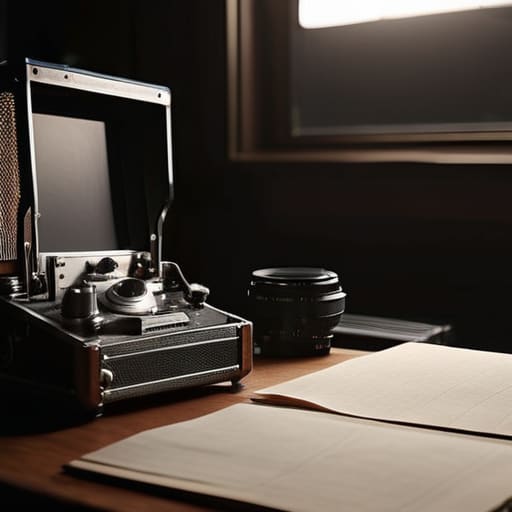
I remember sitting in a cramped, dimly lit basement archive back in the nineties, surrounded by the scent of decaying paper and the steady hum of an old microfilm reader. I wasn’t looking for a grand cinematic spectacle; I was just trying to find the truth hidden in the margins of a ledger. It struck me then that most people approach documentary filmmaking as if it were a race to acquire the most expensive lenses or the flashiest lighting rigs. They treat it like a technical conquest, forgetting that the most profound stories don’t demand a massive budget—they demand patience.
I’m not here to sell you on the latest gear or the industry’s obsession with polished perfection. Instead, I want to talk about the quiet art of observation and how to capture the soul of a subject without getting in the way. I promise to share what I’ve learned about finding the human heartbeat within a frame, focusing on the substance that actually endures once the screen goes dark. We’re going to strip away the pretension and look at how you can tell a story that feels as real and unvarnished as a late-night jazz session.
Table of Contents
Mastering Observational Cinema Styles in the Quiet Moments
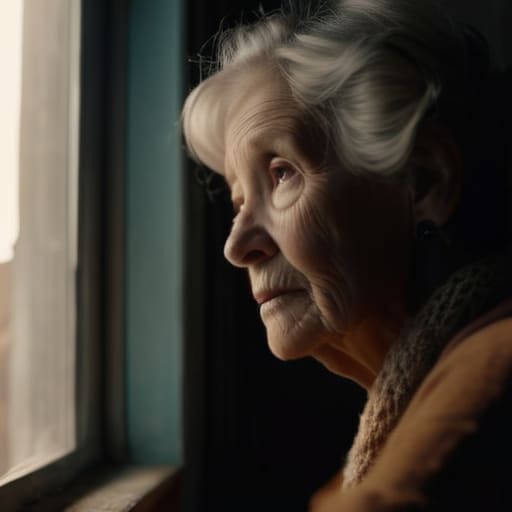
When I was working in the archives, I learned that the most profound truths aren’t usually found in the grand, sweeping ledgers, but in the marginalia—the tiny, handwritten notes left in the corners of a page. I think of observational cinema styles in much the same way. It isn’t about orchestrating a scene or forcing a person to perform; it is about the discipline of sitting still. You have to learn to become part of the furniture, a quiet shadow in the room, waiting for the moment when the subject forgets the lens is even there.
There is a delicate dance involved in this kind of work. You aren’t just managing a technical documentary production process; you are managing a relationship. It requires a certain level of patience to let the silence stretch just a little longer than is comfortable. Often, it is in that heavy, unscripted quiet that the real story begins to breathe. If you rush to fill the gap with a question or a sudden movement, you might miss the very thing that makes the film feel human and alive.
Refining Cinematography Techniques for Documentaries and Light
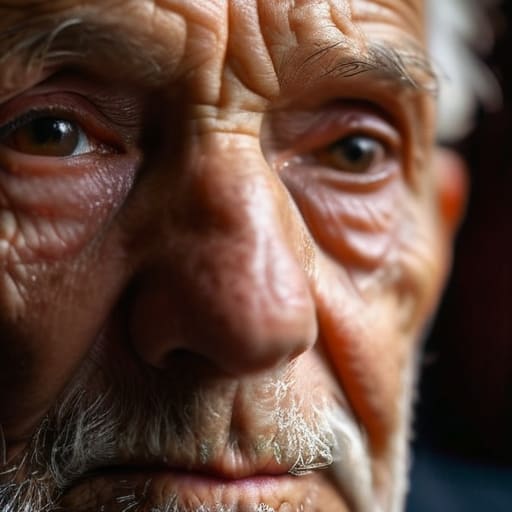
When I look at a frame, I’m rarely looking for the grand spectacle; I’m looking for how the light settles into the creases of a person’s face. In the realm of cinematography techniques for documentaries, there is a profound difference between merely illuminating a subject and actually honoring them. I’ve often found that the most honest images emerge when you stop fighting the shadows and start working with them. If you’re chasing a perfect, sterile glow, you’ll likely miss the texture of the truth. It’s in that soft, natural fall of light—the kind you find in a dim jazz club at midnight—that the real story begins to breathe.
This approach requires a certain patience that modern life seems to have forgotten. You have to sit with your equipment and wait for the light to tell you where it wants to go. It isn’t just a technical hurdle within the documentary production process; it is a way of being present. When you master the interplay between what is seen and what is obscured, you stop being a mere observer and start becoming a witness to the quiet, unscripted rhythms of life.
The Small Truths: Five Ways to Capture the Soul of a Story
- Learn to sit in the stillness. In my years in the archives, I learned that the most important details aren’t the ones shouting for attention; they are the quiet shifts in a subject’s expression when they think no one is watching. Don’t rush to cut the scene just because the action has paused. Sometimes, the truth lives in that heavy, unspoken silence.
- Listen with more than just your ears. Documentary filmmaking is as much about the rhythm of a room as it is about the dialogue. Pay attention to the ambient hum of the city or the way a floorboard creaks. If you can capture the texture of the sound, you give your audience a way to actually inhabit the space you’ve built.
- Respect the dignity of your subject. There is a fine line between observing a life and intruding upon it. I’ve always believed that a filmmaker should be a guest in someone else’s world. If you approach your subject with genuine reverence rather than a desire to “get the shot,” they will eventually stop performing for the lens and start simply being.
- Embrace the imperfections of the light. We spend so much time chasing technical perfection that we often forget that beauty is frequently found in the shadows. A harsh, natural light hitting a weathered face or the way a streetlamp flickers in a dark alleyway can tell a much deeper story than a perfectly lit studio setup ever could.
- Keep a notebook by your side. Even if you aren’t sketching the architecture, write down the things the camera might miss—the scent of old paper, the sudden chill in the air, or the way a person’s hands tremble. These sensory details won’t appear on your footage, but they will guide your intuition when you are sitting in the edit suite, trying to find the heart of the film.
The Lessons Left in the Shadows
Don’t be afraid of the silence; sometimes the most profound truths of a person’s story are found in the pauses between their words, rather than the words themselves.
Treat light not as a tool for visibility, but as a way to direct the soul of the scene, letting the shadows hold as much weight as the highlights.
Patience is your most vital piece of equipment, because you cannot force a moment to be honest; you can only wait, quietly, until it decides to reveal itself to you.
The Weight of a Single Frame
“Documentary filmmaking isn’t about the grand spectacle or the loud, sweeping declarations; it’s about the patience to sit in a room until the truth finally feels comfortable enough to show itself in the shadows.”
Petra Lindgren
The Last Note of the Evening
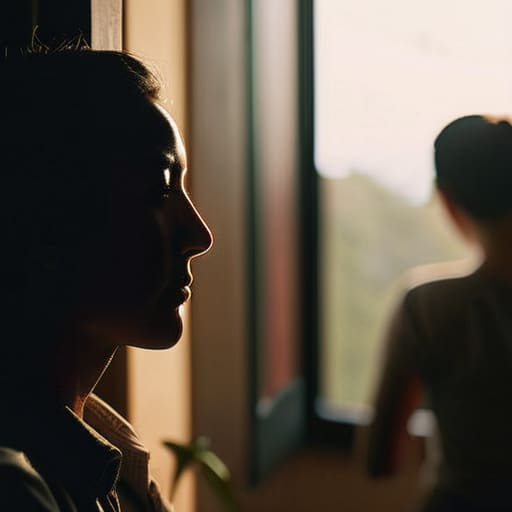
As we pull back the curtain on these techniques, it becomes clear that documentary filmmaking is less about the technical mastery of a lens and more about the discipline of presence. We have talked at length about the nuances of observational styles and the delicate dance of light and shadow, but those are merely tools in a craftsman’s kit. The real work lies in the patience required to wait for a subject to reveal themselves and the restraint to not interfere when the truth begins to breathe. Whether you are adjusting your aperture or simply holding your breath in a crowded room, remember that the most profound stories often live in the periphery, in those unscripted seconds that occur when the camera feels almost invisible.
In the end, I find myself thinking back to the old archives I used to tend—the most valuable records weren’t the grand proclamations, but the handwritten notes in the margins. Your film should be much the same. Don’t get so caught up in the pursuit of a polished, cinematic perfection that you forget to look for the soul of the moment. Aim to create something that lingers in the mind like a low bass note in a dim jazz club, something that stays with the viewer long after the screen goes dark. Go out there, slow down, and listen to what the silence is trying to tell you.
Frequently Asked Questions
How do you manage to keep the camera steady without it feeling like a clinical, detached observation of the subject?
It’s a delicate balance, isn’t it? If the frame is too rigid, you lose the heartbeat of the room. I’ve always found that the best way to avoid that clinical chill is to breathe with the subject. Don’t just use a tripod to freeze time; use your hands to feel the rhythm. A slight, natural sway or a gentle handheld movement can make the viewer feel like a guest in the room, rather than a scientist behind glass.
Is there a way to capture the true atmosphere of a room—the shadows and the mood—without letting the equipment get in the way of the moment?
It’s the oldest struggle in the book, isn’t it? We want to witness the soul of a room, yet we end up cluttering it with tripods and heavy lights. I’ve found that the best way to stay invisible is to embrace the limitations of what’s already there. Don’t fight the shadows; use them. Small, handheld setups and natural light allow you to sit in the corner like a guest, rather than an intruder.
When you're filming someone, how do you find that delicate balance between being a witness to their life and being an intruder in their space?
It’s a heavy realization, isn’t it? The moment you realize your presence has altered the very thing you came to see. I’ve found that the best way to navigate that tension is to stop acting like a hunter and start acting like a guest. Sit quietly. Let the room settle around you. If you respect their rhythm and wait for the natural pauses, you aren’t an intruder—you’re simply a witness sitting in the corner, waiting for the truth to emerge.
