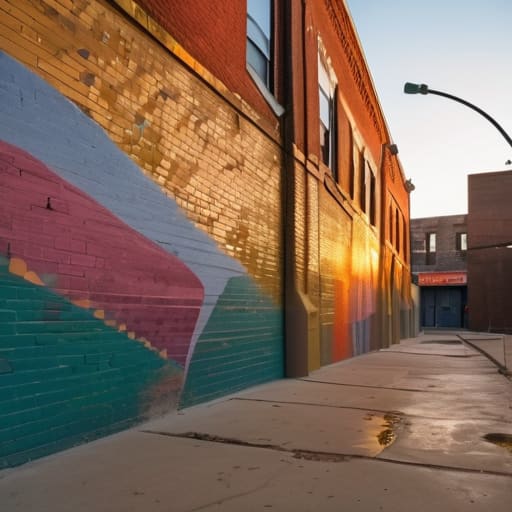
I remember sitting in a dim corner of a jazz club in Detroit back in the late seventies, the air thick with the scent of old wood and rain, when I first noticed how the city was beginning to speak to us through its walls. It wasn’t in the polished galleries or the expensive auction catalogs, but in the raw, unscripted energy of the alleys. People often mistake street art movements for mere vandalism or, conversely, for some high-priced trend meant for tourists to snap photos of before moving on to the next brunch spot. But if you look closely enough—really look, with your eyes instead of just your lens—you’ll see that these markings are the unfiltered heartbeat of a neighborhood, a way for the voiceless to etch their existence into the very stone of the city.
I have no interest in lecturing you on art theory or reciting dry, academic timelines that strip the life out of the paint. Instead, I want to walk beside you through the shadows and show you how to recognize the difference between a passing fad and a movement that actually matters. My promise to you is simple: we will bypass the hype and focus on the stories, the textures, and the quiet revolutions happening right under our noses.
Table of Contents
From Spray Paint Graffiti to Contemporary Urban Aesthetics
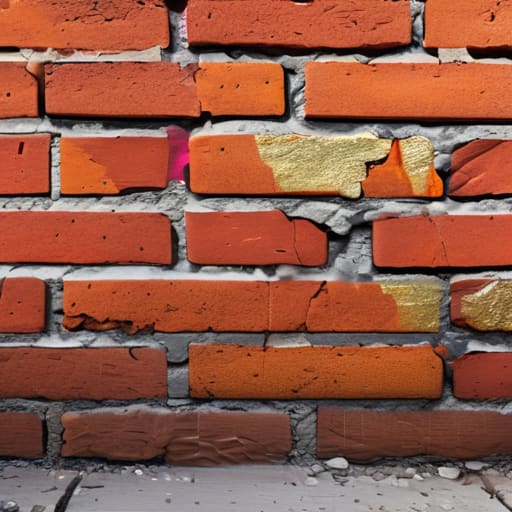
I remember sitting in my small office at the archives, surrounded by dusty ledgers, and thinking about how much we overlook the layers of a city. When you look closely at a brick wall, you aren’t just seeing paint; you are witnessing the history of spray paint graffiti unfolding in real-time. It began as a raw, urgent language scrawled in the dark—a way for voices to claim space in a world that often feels indifferent to them. There was a certain grit to it, a frantic energy that demanded you look, even if you didn’t want to.
As the decades turned, that jagged edge began to soften into something more intentional. We saw the evolution of stencil art, where artists moved from simple tags to intricate, layered images that felt almost like fine etchings on a metropolitan scale. This shift changed how we perceive our surroundings, moving us toward a new era of contemporary urban aesthetics. It’s no longer just about rebellion; it’s about how a carefully placed piece can turn a crumbling alleyway into a moment of profound, quiet reflection.
The Evolution of Stencil Art in Dim City Lights
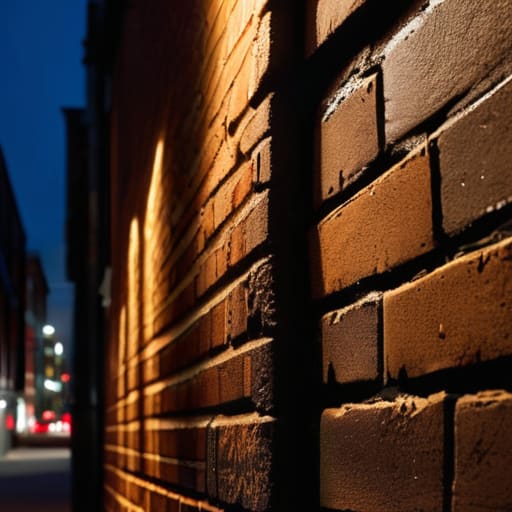
There is a particular kind of magic that happens when you’re walking home late, the streetlamps casting long, amber shadows across the brickwork. It was in these quiet, dimly lit corners that I first noticed the shift from the frantic energy of early tags to something more deliberate. The evolution of stencil art changed the way I look at our city walls; it turned a quick act of rebellion into a moment of quiet contemplation. Instead of the sweeping, chaotic lines of traditional spray paint, stencils offer a precision that demands you slow down.
When I sit in a corner booth of a jazz club, thinking about how melodies are layered, I see a similar complexity in these works. A stencil isn’t just a mark; it’s a calculated shadow, a way for an artist to leave a permanent, intricate thought on a transient surface. There is a profound political street art significance in these sharp edges, often delivering a message with a quietness that a massive mural simply cannot achieve. It’s the difference between a shout and a well-placed whisper in a crowded room.
How to Listen to the Walls
- Slow your pace. You can’t catch the nuance of a mural if you’re power-walking to your next appointment. Stop, lean against a brick wall, and let your eyes adjust to the scale of what’s been left behind.
- Look for the layers. Much like the old records I collect, street art is often built on what came before. Look for where one artist’s work meets another’s; those intersections tell the real story of the neighborhood’s shifting soul.
- Pay attention to the light. A piece of art looks entirely different under the harsh glare of noon than it does under the amber glow of a streetlamp. The shadows can change a stencil from a simple image into something much more haunting.
- Seek the ephemeral. Some of the best pieces are meant to fade, weathered by rain or covered by the next hand. Don’t get frustrated when a piece is gone; instead, appreciate the fact that you were there to witness its brief moment in the sun.
- Carry a sense of curiosity, not judgment. Rather than deciding if a tag is “art” or “vandalism,” ask yourself what the person was trying to say to the street. Every mark is a heartbeat in the city’s long, complicated history.
What Remains When the Night Fades
Street art is more than just pigment on a wall; it is a living, breathing archive of a city’s unspoken history and its shifting moods.
To truly see the art, one must slow down and look past the initial flash of color to find the quiet intentions hidden in the layers of stencil and spray.
These urban markings serve as a reminder that even in our most concrete spaces, there is a persistent, human need to leave a mark that says, “I was here.”
The Silent Dialogue of the Walls
“We often mistake these murals for mere decoration, but if you stand still long enough, you realize they are actually the city’s diary—a collection of whispered truths left on brick and concrete for anyone willing to slow down and actually listen.”
Petra Lindgren
The Lasting Echo of the Painted Wall
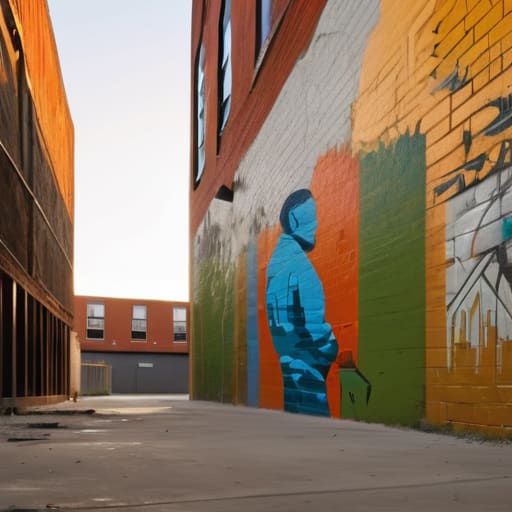
Looking back at how we’ve moved from the raw, urgent energy of early graffiti to the meticulous, almost poetic precision of modern stencil work, it’s clear that these movements are more than just marks on a wall. They are the layers of a city’s memory, much like the dusty records I keep in my collection. We have seen urban aesthetics shift from simple rebellion to a complex, sophisticated dialogue between the artist and the architecture. Whether it is a sprawling mural that commands a whole block or a small, whispered stencil tucked away in a narrow alleyway, these pieces represent a persistent human need to be seen and to leave a mark upon the cold, indifferent concrete.
As you walk home tonight, I encourage you to slow your pace. Don’t just hurry past the brickwork and the shadows; instead, let your eyes linger on the edges of the frame. There is a profound, quiet beauty in realizing that the city is constantly rewriting itself right before our eyes. These colors may fade under the rain or be covered by the next hand, but the spirit of the movement remains etched in the very bones of our streets. Stop, breathe, and find the story hidden in the paint. It is often in these small, unscripted details that we find the most enduring parts of our shared history.
Frequently Asked Questions
How do we tell the difference between a piece that’s meant to be a fleeting moment of rebellion and one that’s truly meant to endure like the architecture around it?
It’s a question of intention, isn’t it? I often find myself leaning against a brick wall, notebook in hand, looking for that distinction. Rebellion is often a sudden, frantic burst—a quick strike against the silence. But the pieces meant to endure? They possess a certain weight. They respect the grain of the stone and the rhythm of the street. One shouts to be heard now; the other whispers to stay forever.
Is there a way to appreciate these works without feeling like we’re intruding on a space that wasn't meant for an audience?
I think of it like listening to a late-night jazz set in a basement club. You aren’t there to interrupt the musician; you’re there to witness the moment. These walls weren’t built for galleries, but that’s exactly why they matter. Don’t feel like a trespasser. Just linger quietly, like a shadow. If you approach with respect—not as a critic, but as a quiet observer—you aren’t intruding. You’re simply part of the city’s breathing history.
When does a mural stop being a part of the city's soul and start becoming just another commercial backdrop?
It’s a thin line, isn’t it? A mural loses its soul the moment it stops being a conversation with the street and starts being a prop for a brand. When the art is commissioned solely to make a coffee shop “Instagrammable” rather than to honor the neighborhood’s history, the heartbeat fades. Real street art feels like a secret shared between the artist and the sidewalk; commercial art feels like a polite, hollow handshake.
