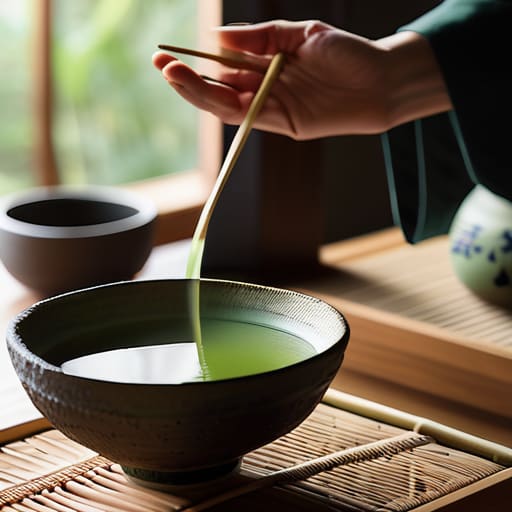
I remember sitting in a cramped, dimly lit basement jazz club in Detroit, the kind where the air feels heavy with history and the scent of old wood. I wasn’t there for a drink; I was there to watch the way a musician leans into a note, finding the stillness in the middle of the noise. It struck me then that we often treat tea ceremonies like some high-priced, inaccessible performance—something reserved for those with pristine porcelain and an endless supply of patience. People make it out to be this rigid, intimidating chore, but they miss the point entirely. It isn’t about the price of the leaf or the pedigree of the pot; it’s about that singular moment when the world finally stops spinning.
I’m not here to sell you on expensive sets or complicated etiquette that feels more like a lecture than a ritual. Instead, I want to share how you can strip away the pretension and find the quiet soul of the practice. I’ll show you how to use these tea ceremonies to reclaim your evening, focusing on the sensory details that actually matter. Let’s stop rushing through the steam and start noticing the warmth in our hands.
Table of Contents
Finding Stillness in the Japanese Matcha Tea Ritual
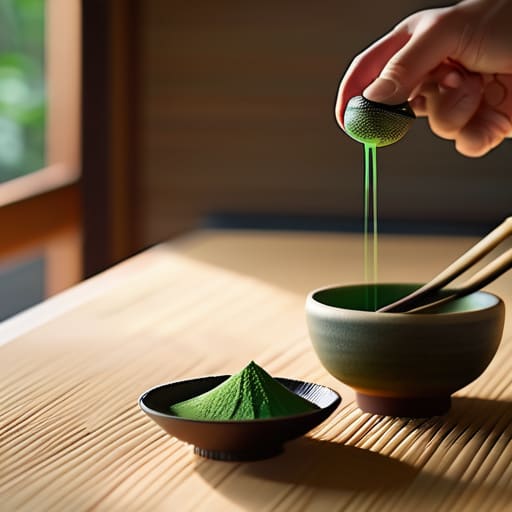
There is a specific kind of quiet that settles over a room when the whisk begins its work. In the Japanese matcha tea ritual, the focus isn’t on the speed of the service, but on the deliberate, rhythmic motion of the bamboo whisk against the bowl. I find myself watching the way the vibrant green froth rises, much like the way I used to watch dust motes dancing in the light of the archives. It demands a certain level of presence; you cannot simply scroll through a phone while someone is performing such precise movements.
The beauty lies in the intentionality of the tools. Every piece, from the heavy ceramic bowl to the slender bamboo scoop, feels weighted with intention. Unlike the more expansive, social nature of a Chinese gongfu tea ceremony, this practice feels like a private conversation between you and the moment. It’s a lesson in mindfulness through tea drinking that I wish more of us would embrace. We spend so much of our lives bracing for the next thing, but here, the only thing that matters is the warmth of the bowl against your palms and the bitter, earthy scent of the tea.
Tracing the History of Tea Culture Through Steam
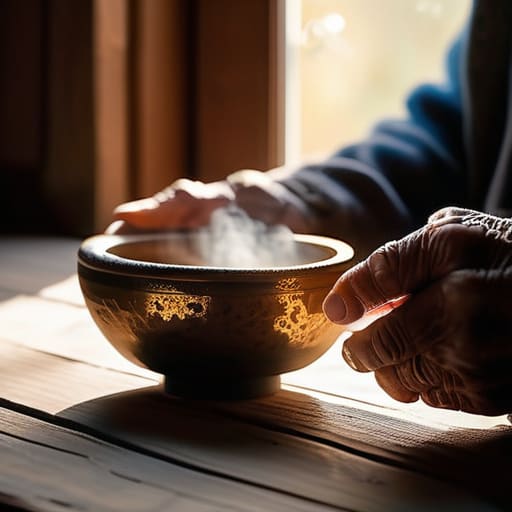
I’ve spent much of my life among dusty ledgers and yellowed manuscripts, so I have a natural tendency to look for the lineage in everything. When I sit with a cup, I find myself wondering about the hands that held these same vessels centuries ago. The history of tea culture isn’t just a series of dates in a textbook; it’s a living, breathing thread that connects us to the past through the simple act of boiling water.
Tracing this lineage often leads my mind back to the intricate movements of the Chinese gongfu tea ceremony. There is a profound sense of continuity in the way the steam rises, much like the way a well-preserved record carries the ghost of a melody from a distant era. It isn’t just about the beverage; it’s about the traditional tea etiquette that demands we slow down and respect the tools at hand. Whether it is the weight of a ceramic pot or the specific curve of a whisk, these objects serve as anchors, pulling us out of our frantic modern schedules and back into a rhythm that has remained steady for generations.
Small Rituals for a Quiet Evening
- Put your phone in another room. You can’t truly taste the nuances of a good brew if you’re constantly interrupted by the blue light of a screen. Let the world wait.
- Pay attention to the vessel in your hands. Whether it’s a chipped ceramic cup or a fine porcelain piece, feel the weight and the texture. There is a story in the way a hand has shaped clay.
- Watch the steam, not the clock. Instead of checking how many minutes have passed, watch how the vapor dances in the lamplight. It’s a much better way to measure time.
- Listen to the water. There is a specific, gentle music in the sound of a kettle reaching its peak or the soft pour of liquid into a bowl. It’s the most understated jazz you’ll ever hear.
- Savor the first sip in total silence. Don’t rush to the next task or the next thought. Just let the warmth settle, and notice how the flavor changes as it cools.
What Remains When the Cup is Empty
The true value of a tea ritual isn’t in the flavor of the leaf, but in the deliberate permission it gives you to finally sit still.
By honoring the small, repetitive motions of the ceremony, we reclaim our attention from a world that is constantly trying to pull it away.
Like a well-preserved record or a faded photograph, the quiet moments we carve out through ritual are the things that actually stay with us long after the evening ends.
The Quiet Between the Sips
“A tea ceremony isn’t about the drink itself; it’s about that rare, sacred pause where the world stops spinning, the steam rises to meet the dim light, and for a few minutes, you are finally allowed to just exist.”
Petra Lindgren
The Last Drop
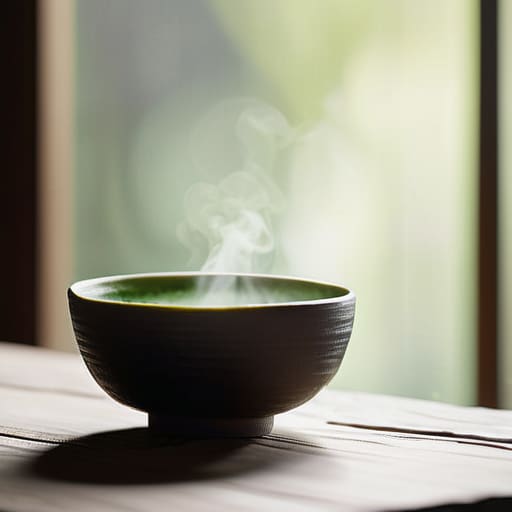
As the steam finally settles and the warmth of the cup fades from my palms, I find myself reflecting on how much we leave on the table when we live at such a frantic pace. We’ve looked at the meticulous precision of the matcha ritual and traced the long, winding shadows of history that brought these leaves to our modern tables. Whether it is the structured grace of a Japanese ceremony or the simple, quiet steam rising from a chipped ceramic mug, the essence remains the same: tea is a vessel for intentionality. It is a way to anchor ourselves to the present moment, transforming a mere beverage into a deliberate pause in an otherwise chaotic day.
I often find that the best parts of an evening aren’t the loudest ones, but the moments that linger in the quiet spaces between notes of a jazz record or the fading glow of a streetlamp. I hope you take this lesson with you when you leave your screen behind tonight. Don’t just drink your tea; let it hold you for a moment. Find your own version of this ritual—something that forces you to slow your breathing and notice the texture of the world around you. After all, the most meaningful things in life aren’t found in the rush, but in the quiet details we finally stop to see.
Frequently Asked Questions
Is there a way to bring a bit of this intentionality into my own home without needing a formal setup or expensive tools?
You don’t need a lacquered tray or a thousand-dollar whisk to find that center. Honestly, the tools are just scaffolding. For me, it’s about the ritual of the pause. Find your favorite heavy ceramic mug—the one that feels right in your palms—and clear a small space on your table. Turn off the overhead lights. Just let the steam rise, focus on the warmth, and let the world outside wait for a while.
How do the different types of tea—like a robust black tea versus a delicate green—change the actual mood of the evening?
It’s much like the difference between a heavy brass trumpet and a soft flute. A robust black tea, perhaps a smoky Lapsang Souchong, has a certain weight to it; it demands your attention and anchors you to the present moment, perfect for a deep conversation. But a delicate green tea? That’s a light jazz melody. It’s airy and fleeting, inviting a more introspective, quiet sort of solitude as the evening settles.
I've always struggled with the "rush" of modern life; are there specific sensory details I should look for to help me stay present during the ritual?
Don’t try to observe everything at once; that’s just another way of rushing. Instead, pick one sense to anchor you. Listen for the rhythmic, hollow whisking of the bamboo against the ceramic bowl, or feel the weight of the cup—the way the warmth seeps slowly into your palms. Focus on the scent of the steam as it breaks the air. Let those small, tactile details pull you back from the noise of the world.
