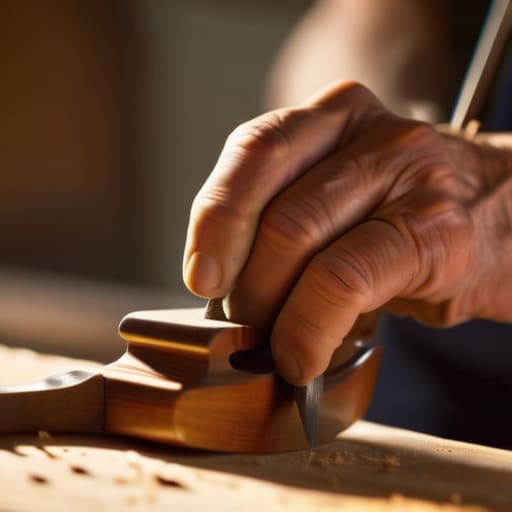
I remember sitting in the back of a dusty workshop in Ann Arbor, the air thick with the scent of cedar shavings and aged lacquer. I wasn’t there to play; I was there to observe the quiet, methodical rhythm of a man who treated wood like a living thing. He didn’t care about the high-tech machinery or the expensive, branded kits that the modern industry tries to shove down our throats. To him, musical instrument making wasn’t about chasing a perfect, sterile factory sound, but about the patient dialogue between the grain of the wood and the curve of a hand plane.
I’ve spent far too long watching people get lost in the technical jargon and the overwhelming cost of entry, thinking they need a laboratory to create something beautiful. That isn’t the case. In this space, I want to strip away the noise and focus on the soul of the craft. I’m going to share what I’ve learned about the essential, tactile realities of the process—the parts that actually matter when the music begins. We won’t be rushing through tutorials; we are going to look at how to build something that truly lasts.
Table of Contents
The Reverence of a Careful Tonewood Selection Process
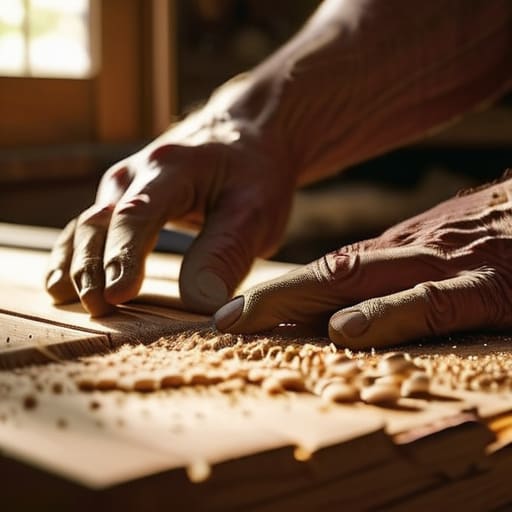
I’ve spent a lifetime looking at old documents, but there is a different kind of history found in the grain of a piece of spruce or maple. When a maker begins their work, they aren’t just picking lumber; they are engaging in a deeply intuitive tonewood selection process that feels almost spiritual. I often find myself wondering how a craftsman knows, simply by the weight in their hand or the way the light catches a ring, which piece of wood possesses the soul required to sing. It isn’t just about aesthetics; it is about understanding the unseen potential held within the fibers.
In the quiet of a luthier workshop setup, this stage feels remarkably like an archival search. You are looking for a specific resonance, a lineage of growth that will eventually translate into sound. One must respect the marriage between instrument acoustics physics and the raw, stubborn reality of nature. You cannot rush this. To force a piece of wood that isn’t ready is to invite a hollow, lifeless tone. Instead, you must wait, listen, and select with a patience that our modern, hurried world has largely forgotten.
Mastering Traditional Woodworking Techniques in the Dim Light
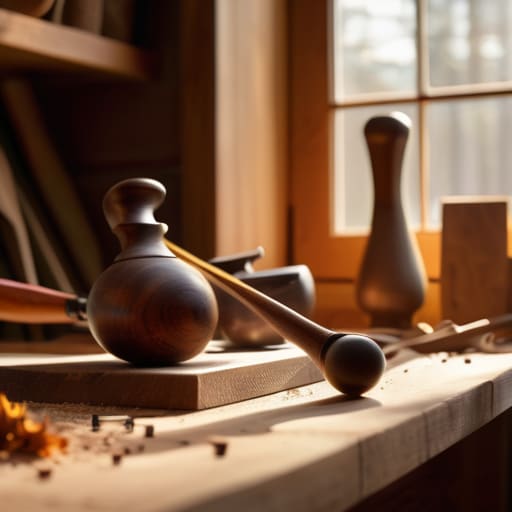
There is a particular kind of stillness that settles over a luthier workshop setup once the sun dips below the skyline. When the harsh glare of midday fades, you stop fighting the wood and start listening to it. I’ve often found that the most profound work happens in this twilight, where the shadows soften the edges of the workbench and allow for a deeper focus. It isn’t about speed; it is about the rhythmic, almost meditative application of traditional woodworking techniques that have remained unchanged for centuries.
In this low light, you learn to rely less on your eyes and more on the tactile feedback of your fine woodworking tools. You feel the grain resisting the plane, or the way a chisel bites into a spruce top with a certain melodic resistance. It is a slow, deliberate dance of hand and timber. There is no room for the frantic energy of the modern world here—only the patient, steady pursuit of a shape that will eventually breathe life into sound.
The Quiet Disciplines: Five Lessons from the Workbench
- Listen to the wood before you touch it. A piece of spruce or maple has a voice of its own; spend a few minutes just tapping it, feeling the vibration against your palm, to understand its temperament before you ever reach for a chisel.
- Respect the patience of the grain. There is a temptation to rush through the sanding or the carving when your hands are tired, but a rushed stroke leaves a scar that no amount of varnish can truly hide.
- Curate your workspace for focus, not just utility. I find that a cluttered bench leads to a cluttered mind; keep only what is essential within reach, and let the rest of the room fade into the shadows so you can focus entirely on the curve of the neck.
- Embrace the imperfections of the hand. A machine can produce a perfect line, but it lacks the soul of a slight, intentional variation made by a human eye. Those tiny “errors” are often where the music actually breathes.
- Honor the tools that have seen years of use. Whether it is a well-worn plane or a set of calipers, treat them with the same reverence you would an old friend; a tool that is cared for will, in turn, care for the instrument you are building.
The Soul in the Small Details
True craftsmanship isn’t found in the speed of the work, but in the patience to let the wood tell you its own story before a single cut is made.
There is a profound connection between the maker and the music; when we respect the slow, traditional methods, we imbue the instrument with a spirit that no machine can replicate.
To build something that lasts, one must learn to value the quiet, unhurried moments of creation—the parts that happen in the shadows, away from the rush of the modern world.
The Soul in the Grain
“To build an instrument is not merely to assemble wood and glue, but to enter into a quiet conversation with the material, waiting patiently until the grain reveals the song it has been holding for a hundred years.”
Petra Lindgren
The Resonance That Remains
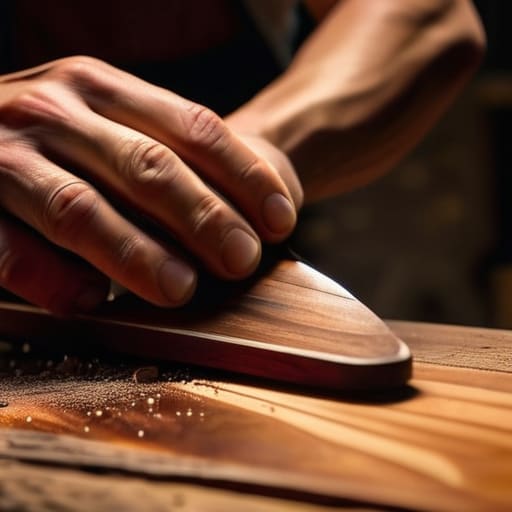
As I sit here in the quiet of my study, looking over my sketches of various workshop layouts, I am struck by how much of the soul is embedded in the making. We have traveled from the initial, almost sacred selection of the tonewood to those long, patient hours spent mastering the grain under the soft glow of a workbench lamp. It is a journey of unwavering patience and immense respect for the material. To build an instrument is not merely to assemble parts; it is to engage in a dialogue with the wood, ensuring that every shave of the plane and every careful joint serves the eventual song. It is the slow accumulation of intention that transforms a mere object into a vessel for sound.
In our modern world, where everything is designed to be fast, disposable, and loud, there is a profound rebellion in the act of making something meant to last a century. When you finally hold a finished instrument, you aren’t just holding wood and varnish; you are holding a captured moment of stillness. I hope you find your own version of that stillness, whether you are the one carving the spruce or the one sitting in a dim jazz club, listening to the echoes of a master’s work. Let us remember that the most beautiful things in life are rarely rushed; they are crafted with care in the quiet spaces between the noise.
Frequently Asked Questions
How does the aging of the wood over decades change the way an instrument actually speaks to the player?
It’s a bit like a person, really. When wood is young, it’s often stubborn, tight, and perhaps a little too bright in its voice. But as the decades pass, the cellular structure settles; it breathes differently. The resins crystallize, and the wood loses that youthful tension. To a player, it feels as though the instrument has finally stopped fighting the air and started dancing with it, offering a resonance that only comes with patience.
Is there a certain soul lost when we move from these traditional, slow methods to modern, precision-machined manufacturing?
I often find myself wondering the same thing while sketching the silhouettes of old workshops. There is a certain ghost in the machine, isn’t there? Precision is a marvel, certainly, but it lacks the “beautiful error”—that tiny, intentional imperfection where a craftsman’s intuition met the grain of the wood. When we trade the slow, rhythmic shave of a plane for the cold efficiency of a laser, we risk losing the very breath that makes an instrument feel alive.
Beyond the technical skill, how does a maker learn to listen to the wood to know when it's truly ready to be shaped?
It isn’t something you find in a manual; it’s a conversation. I’ve often found that a master luthier doesn’t just look at the grain, they listen to its resistance. You tap the timber, feeling for that specific, resonant ring that tells you the fibers are settled. It’s a patience born of silence. You have to stop thinking about the tool and start feeling for when the wood stops fighting you and begins to sing.
