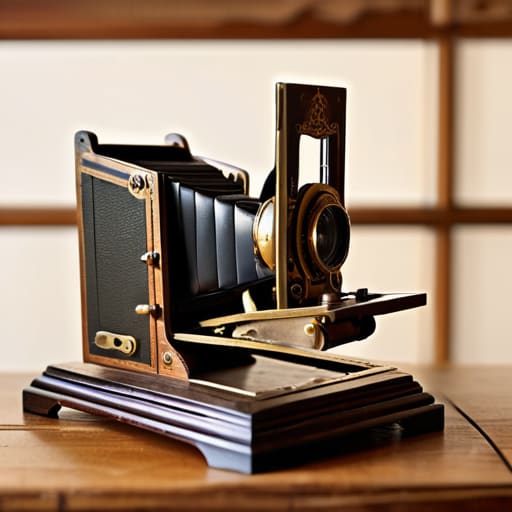
I remember sitting in the basement of the municipal archives back in the late seventies, surrounded by the heavy, metallic scent of silver nitrate and the muffled silence of dust-covered boxes. I was tasked with cataloging a collection of daguerreotypes, and as I wiped a smudge from a glass plate, I realized that most people treat the history of photography like it’s just a dry timeline of inventions and patents. They focus on the chemistry and the gear, but they miss the human heartbeat trapped behind the lens. We tend to get so caught up in the technical evolution of the medium that we forget these images were once desperate, beautiful attempts to stop time from slipping through our fingers.
I’m not here to bore you with a lecture on shutter speeds or the commercialization of the digital age. Instead, I want to walk you through this journey by looking at the soul of the image—the way light and shadow have been used to capture the things that actually matter. We’ll skip the academic fluff and focus on the moments that stayed with me during my forty years in the archives. My promise to you is a thoughtful, unhurried look at how we learned to see the world, one frame at a time.
Table of Contents
- The Daguerreotype Invention and Impact Capturing the Unseen
- Pioneers of Early Photography and the Magic of Light
- Lessons from the Lens: What the Old Masters Taught Me About Seeing
- The Lessons Left in the Developing Fluid
- ## The Ghost in the Silver Nitrate
- The Echo in the Frame
- Frequently Asked Questions
The Daguerreotype Invention and Impact Capturing the Unseen
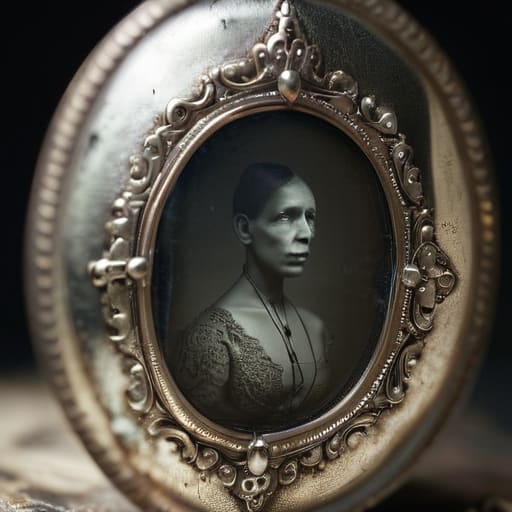
I remember sitting in the archives last autumn, turning a small, silver-plated sheet in my hands. It was a daguerreotype, and even after a century, the image felt less like a picture and more like a captured ghost. Before this, if you wanted to remember a face, you had to rely on the shaky hand of a painter. But the daguerreotype invention and impact changed our relationship with time itself. Suddenly, the world wasn’t just something we moved through; it was something we could freeze, hold, and study in the dim light of a quiet afternoon.
These early pioneers of early photography weren’t just technicians; they were more like alchemists, working with silver, iodine, and mercury in a desperate attempt to pull light from the shadows. There was a heavy, almost sacred stillness required during those long exposures. You couldn’t just snap a photo while walking to a jazz club; you had to sit, perfectly still, and wait for the image to emerge from the plate. It forced a level of patience that I think we’ve lost in our modern, hurried world.
Pioneers of Early Photography and the Magic of Light
It wasn’t just about the chemistry or the metal plates; it was about the sheer audacity of trying to pin down a moment in time. When I look back at the work of the pioneers of early photography, I don’t just see technical milestones. I see men and women standing in the blistering sun or shivering in drafty studios, waiting for the light to behave. They were essentially chasing ghosts, trying to coax a permanent image out of nothing but silver and shadow.
There was a certain reverence in those early days that we’ve largely lost. To capture an image, one had to understand the delicate dance of the history of optical lenses and the temperament of the light itself. It wasn’t a matter of clicking a button; it was a slow, deliberate ritual. You had to respect the medium, or it simply wouldn’t yield its secrets. There is a profound, quiet magic in realizing that these early creators weren’t just making pictures—they were teaching us how to truly see the world around us for the very first time.
Lessons from the Lens: What the Old Masters Taught Me About Seeing
- Learn to embrace the imperfection. When I look at those early silver plates, I don’t see the flaws; I see the struggle to catch a fleeting moment. Modern cameras make it too easy to be perfect, but perfection often lacks a soul.
- Chase the light, don’t just record it. The pioneers understood that photography isn’t about the subject as much as it is about how the light kisses the edges of that subject. Always look for the shadows; they tell the real story.
- Slow your pulse. In the days of heavy tripods and long exposures, you had to wait for the world to settle. We should treat our shutter clicks like we treat a good jazz solo—with patience and intention.
- Study the composition of the past. I often find myself sketching the framing of 19th-century portraits in my notebook. There is a deliberate geometry in those old images that we’ve lost in our rush to take a thousand snapshots a day.
- Value the physical artifact. A digital file is a ghost, but a print is a piece of history you can actually hold. There is a profound weight to a photograph that has been touched by hands and aged by time.
The Lessons Left in the Developing Fluid
We must remember that photography was never just about the technical precision of a lens, but about the human desire to freeze a moment of grace before it slips away into the shadows.
The early pioneers taught us that light is a temperamental collaborator, one that requires patience and a certain stillness of spirit to truly master.
As we move from silver plates to digital screens, we shouldn’t lose sight of that original magic—the quiet, intentional act of looking closely at the world around us.
## The Ghost in the Silver Nitrate
“When I look at those early plates, I don’t just see a technical breakthrough; I see the first time we learned how to tether a fleeting moment to the earth, catching the light before it had the chance to slip away into the dark.”
Petra Lindgren
The Echo in the Frame

Looking back at how we moved from those heavy, silver-plated daguerreotypes to the pioneers who learned to dance with the sun, it’s clear that photography was never just about the chemistry. It was about our desperate, beautiful need to stop time. We’ve traveled from the stiff, formal portraits of the nineteenth century to a world where an image can be captured in a heartbeat, yet the core remains the same. Whether it is a grainy glass plate or a digital sensor, we are always searching for that specific alignment of light and shadow that tells a truth words often fail to reach. It is a long, winding history of trying to hold onto the ephemeral.
As I sit here in this dim corner of the club, watching the light catch the rim of a glass, I realize that the evolution of the image isn’t a race toward perfection, but a journey toward connection. We don’t need more megapixels; we need more intentionality. The next time you lift a camera—or even just pause to look through your own eyes—don’t just look for a subject. Look for the feeling that lingers in the quiet spaces between the light. After all, the best photographs aren’t the ones that show us exactly what happened, but the ones that remind us how it felt to be there.
Frequently Asked Questions
How did the transition from these heavy, singular plates to flexible film change the way we actually experience a moment?
It changed everything. Before, photography was a ceremony—a heavy, static ritual where you had to hold perfectly still, almost like a prayer. But when film arrived, the world finally began to move. We stopped capturing monuments and started capturing life: the way a laugh breaks across a face or a sudden shadow stretching down an alley. It turned the camera from a pedestal into a witness, allowing us to catch the fleeting, unscripted grace of a single second.
I wonder, as the technology became faster and more accessible, did we lose some of that intentionality that the early pioneers had to cultivate?
I think that’s the heart of the matter, isn’t it? When you have to wait minutes for a single exposure, you don’t just take a picture; you inhabit the moment. You wait for the light to settle. Today, we capture everything and notice very little. We’ve traded that slow, deliberate communion with the subject for a frantic sort of abundance. We have more images than ever, but perhaps fewer memories.
Beyond the technical milestones, how did the shift from studio portraits to candid street photography change our relationship with the people in the frames?
It felt like the world suddenly stopped posing. In those early studio days, a portrait was a formal contract—stiff, deliberate, and almost sacred. But when the camera moved into the streets, the mask slipped. We stopped looking at subjects as icons and started seeing them as humans: caught mid-laugh, lost in thought, or simply passing through. It turned the viewer from a distant observer into a quiet witness to the beautiful, messy truth of living.
