
I remember sitting in a basement venue in Ann Arbor back in ’84, the air thick with the scent of damp brick and cheap clove cigarettes, watching a band play through a single, blown-out amplifier. There was no polished production or digital sheen; there was just the raw, unvarnished truth of a melody fighting to be heard. Nowadays, I see people treating the modern indie rock scene like a curated museum exhibit, obsessed with the right vintage gear or the perfect social media aesthetic before they’ve even heard a single chord. We’ve traded that visceral connection for a checklist of trends, and frankly, it’s exhausting to watch.
I’m not here to give you a list of the most “hyped” bands or tell you which overpriced merch to buy. Instead, I want to help you strip away the noise and find the heartbeat of the music again. I’ll show you how to navigate the local landscape to find those rare, quiet moments where the songs actually stay with you long after the amplifiers have cooled. Let’s stop chasing the buzz and start looking for the soul.
Table of Contents
Tracing the Roots of Alternative Rock History
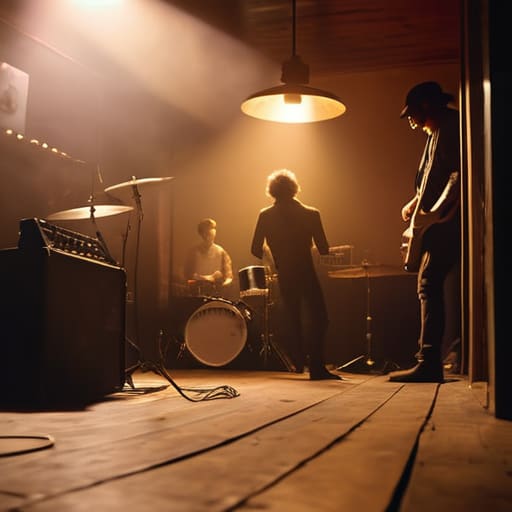
In my years spent cataloging dusty manuscripts, I learned that nothing truly new ever arrives without a ghost standing behind it. When I look at the current landscape, I can’t help but see the fingerprints of the independent music movement from decades past. It wasn’t always about polished streaming playlists; it was about the grit of basement shows and the smell of stale beer in cramped rooms. Those early underground rock subcultures weren’t looking for fame—they were looking for a way to scream without permission.
I often find myself sketching the weathered brickwork of old clubs, thinking about the lineage of the sound that once vibrated through those very walls. To understand where we are, you have to respect the raw necessity of DIY music production. It was a period defined by necessity, where a lack of resources forced a level of soulfulness that modern technology sometimes polishes right out of the song. We aren’t just listening to melodies; we are hearing the echoes of a long, beautiful struggle to remain uncompromised.
Finding Magic in Local Music Venues

There is a particular kind of magic found in the dim, slightly dusty corners of a basement club—the kind of magic you simply can’t capture on a smartphone screen. As I sit in these rooms, sketching the way the light catches the peeling paint on the walls, I am reminded that local music venues are more than just places to grab a drink. They are the living, breathing lungs of a city. In these cramped spaces, the air feels heavy with the anticipation of something new. You aren’t just watching a performance; you are witnessing the raw, unpolished friction of emerging indie artists finding their footing before the rest of the world catches on.
I’ve always felt that the true soul of the independent music movement isn’t found in the polished stadiums, but in the grit of a stage that smells of old wood and spilled beer. It is in these small, intimate settings where the connection between the performer and the listener becomes something sacred. When the amplifier hums and the first chord strikes, the outside world ceases to exist. We aren’t just passing time; we are witnessing the birth of a legacy, one distorted note at a time.
How to Truly Lose Yourself in the Sound
- Put the phone away. I know, it’s tempting to capture the moment for a screen, but you’ll miss the way the light hits the dust motes or the subtle shift in the drummer’s tempo if you’re looking through a lens. Just be there.
- Seek out the smaller rooms. The massive arenas have their place, certainly, but the soul of indie rock lives in those cramped, dimly lit basements where you can actually feel the vibration of the bass in your own chest.
- Talk to the person standing next to you. There is a particular kind of kinship found in a shared glance during a particularly poignant bridge. A simple comment about a guitar tone can turn a stranger into a momentary companion.
- Listen for the imperfections. In my years of archiving, I learned that the most beautiful things are often the ones that aren’t quite polished. The slight crack in a vocalist’s voice or a feedback loop that lingers too long—that is where the truth resides.
- Follow the physical trail. Don’t just rely on an algorithm to tell you who is playing. Look at the flyers taped to telephone poles or the hand-drawn posters in the window of a local record shop. There is a deliberate joy in discovering a band the old-fashioned way.
What Remains When the Music Fades
Don’t just go to a show to say you were there; go to listen. The real magic of indie rock isn’t in the spectacle, but in those quiet, unpolished moments where a melody actually manages to reach you.
Seek out the small, dimly lit rooms rather than the polished arenas. There is a specific kind of honesty found in a venue where you can see the sweat on the fretboard and the history etched into the floorboards.
Value the connection over the noise. In a world that demands we move faster, let a local set be your permission to slow down, sit still, and find something worth remembering.
## The Resonance of the Unpolished
“The true soul of an indie scene isn’t found in a polished studio recording or a viral clip; it’s in that momentary, electric friction between a basement stage and a crowded room, where the music feels less like a performance and more like a shared secret whispered in the dark.”
Petra Lindgren
The Resonance of the Unseen
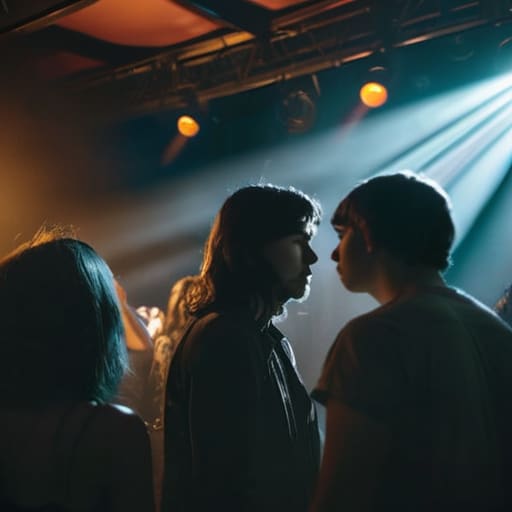
As I sit here, scribbling a few final notes about the venue’s vaulted ceiling in my notebook, I realize that the indie rock scene isn’t just about the noise or the rebellion. It is a continuous thread, stretching from those early, raw alternative roots we discussed to the dimly lit, sweat-soaked basements where new legends are being forged tonight. We’ve looked at the history and we’ve wandered through the sacred spaces of these local clubs, but the real essence lies in the connection—that fleeting moment when the melody cuts through the chatter and everyone in the room breathes in unison. It is a delicate, living archive of human emotion that refuses to be filed away or forgotten.
So, my advice to you is simple: don’t just go to a show to check a box or capture a blurry photo for a screen. Go to listen. Find a quiet corner, let the rhythm settle into your bones, and allow yourself the luxury of being truly present. The world moves much too fast, and we are all far too busy rushing toward the next thing. But when the final chord rings out and the house lights slowly rise, what remains is the only thing that matters. Seek out the music that stays with you long after you’ve stepped back out into the cool night air.
Frequently Asked Questions
How do you tell the difference between a band that's just playing loud and one that actually has something meaningful to say?
It’s the difference between noise and texture. When a band is just playing loud, they’re trying to fill the space because they’re afraid of the silence. But a band with something to say? They know how to use the quiet. They respect the pauses. You’ll feel it in the way they lean into a melody or how the drummer holds back just enough to let a lyric breathe. If it leaves a shadow in your mind after the set, they were telling the truth.
Where can a person find those quiet, tucked-away venues that haven't been swallowed up by the modern rush?
You won’t find them on a glossy “top ten” list or a trending hashtag. To find the real gems, you have to look for the places that don’t bother with neon signs. I usually look for the narrow alleyways or the unmarked doors tucked between old brick buildings. Follow the sound of a bassline through a heavy door, or look for the faded flyers taped to a telephone pole. If it feels a little hidden, you’re likely on the right track.
Is there a way to support these local musicians without feeling like you're just another face in a crowded, hurried room?
It’s a valid worry. To avoid being just another face, stop treating the show like a transaction. Buy a drink, stay for the whole set, and actually listen. If a song strikes you, tell the musician afterward—not through a screen, but with a nod or a brief word. Even better, buy the physical record. In a world of digital noise, holding a piece of their work in your hands is the ultimate way to say, “I was here, and I heard you.”
