I remember sitting in a drafty university lecture hall decades ago, watching a professor drone on about the mathematical precision of perspective as if it were a sterile science. He spoke of renaissance art as if it were a series of equations to be solved rather than a collection of human heartbeats captured in oil and pigment. It’s a common frustration, isn’t it? We are taught to dissect the technique—the sfumato, the proportions, the geometry—until the actual soul of the work is smothered under a layer of academic dust. We spend so much time analyzing the mechanics that we forget to actually look at the person staring back at us from the canvas.
I’m not here to give you a dry syllabus or a list of dates to memorize for a test. Instead, I want to pull you away from the crowded museum gift shops and the heavy textbooks to find the quiet, intentional beauty that these masters were actually chasing. We are going to look past the hype and the complex jargon to discover why these works still resonate in the dim light of a modern evening. My promise is simple: we will explore the human stories behind the masterpieces, focusing on the details that actually stay with you long after you’ve left the gallery.
Table of Contents
Finding the Human Pulse Through Humanism in Art
When I look at a canvas from that era, I’m not just looking at pigment on wood; I’m looking at the moment we decided to look ourselves in the eye again. Before this shift, much of our visual history felt distant, almost untouchable. But with the rise of humanism in art, the divine began to wear a human face. You can see it in the way a shoulder turns or the slight, weary tilt of a head. It’s the transition from the symbolic to the felt, where the subjects finally seem to breathe the same heavy air we do.
The masters of the time weren’t just painting figures; they were capturing the weight of existence. Through the sophisticated use of the chiaroscuro technique, they taught us how light doesn’t just reveal a shape, but how it creates a mood—a sense of presence that lingers in the dim corners of a room. It reminds me of sitting in a quiet jazz club at midnight, where the shadows are just as important as the melody. We aren’t just observing a scene; we are witnessing the quiet dignity of being alive.
The Florentine Art Movement a Lesson in Noticing Detail
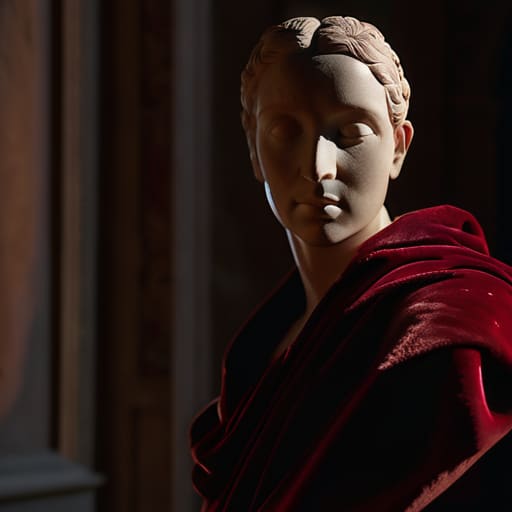
I often find myself sitting in the back of a quiet gallery, much like I used to sit in the corner of a dim jazz club, just watching how the light hits a surface. When you look closely at the Florentine art movement, you realize it wasn’t just about grand gestures or massive frescoes; it was a meticulous study of how we actually inhabit space. These artists weren’t content with flat, symbolic representations. They were obsessed with the way a shadow falls across a cheekbone or how a heavy velvet cloak settles against a stone floor.
To truly understand their work, you have to embrace the patience of an archivist. You see it most clearly in the way they mastered perspective in classical painting, creating a window into a world that felt as tangible as the street outside. They weren’t just painting scenes; they were constructing realities. It reminds me of a well-pressed vinyl record—there is a depth to the layers that you only catch if you stop rushing and actually listen to the nuances of the composition.
Five Ways to Truly See the Renaissance
- Don’t rush toward the subject. When you stand before a canvas, give yourself a moment to settle into the space. Let your eyes wander to the edges of the frame—sometimes the most profound stories are tucked away in the shadows of a background figure.
- Look for the hands. In the Renaissance, a gesture wasn’t just a movement; it was a language. Watch how a finger rests against a chin or how a palm is turned upward; these small, human tells are where the soul of the piece actually lives.
- Chase the light, not just the color. Instead of looking at what is painted, look at how the light seems to fall. Notice how the chiaroscuro creates a sense of weight and presence, making the figures feel less like paint and more like people you could almost reach out and touch.
- Practice the art of the pause. We live in a world of constant motion, but these works were meant for contemplation. If a particular detail catches your eye—the texture of a velvet sleeve or the weary look in a saint’s eyes—stay with it. Don’t move on until that detail has left a mark on you.
- Connect the geometry to the emotion. There is a quiet rhythm in the way Renaissance masters used composition to guide your gaze. Don’t just see the shapes; feel the balance they create. A stable, triangular composition isn’t just math; it’s an attempt to find order and peace in a chaotic world.
Things to Carry With You After the Gallery Lights Dim
Don’t just look for the subject of a painting; look for the human intention behind the brushstroke. Much like a well-played jazz solo, the real magic of Renaissance art lies in the subtle, intentional choices that make a figure feel alive rather than merely depicted.
Practice the art of the slow gaze. We spend so much of our modern lives rushing from one screen to the next that we forget how to truly sit with something. Give yourself permission to linger on a single shadow or a fold of fabric until it starts to tell you its own story.
Remember that beauty is often found in the tension between light and dark. Just as a dim jazz club provides the perfect backdrop for a soulful melody, the chiaroscuro of the Renaissance teaches us that the shadows are just as essential to the soul of a piece as the light itself.
The Weight of a Single Stroke
“We often mistake the Renaissance for a mere collection of grand monuments and gilded frames, but the real magic lies in the quiet intention—the way a painter captures the specific, heavy stillness of a moment, reminding us that even in a world of constant motion, there is profound dignity in simply stopping to look.”
Petra Lindgren
The Lingering Echo of the Renaissance

As I sit here in the dim light of my study, looking over my sketches, I find myself returning to the same realization: the Renaissance wasn’t just a collection of technical breakthroughs or a sudden surge in Florentine wealth. It was a profound shift in how we chose to see ourselves. We’ve explored how humanism breathed life into the stiff figures of the past, turning them into beings with weight, breath, and unmistakable emotion. We’ve looked at how the mastery of light and shadow taught us that there is as much truth in the darkness as there is in the sun. To study this era is to realize that art is the mirror we hold up to our own humanity, capturing the messy, beautiful complexity of being alive.
My advice to you, as you move from these pages back into the rush of your own evening, is this: don’t let the world move too fast. Whether you are standing before a canvas in a quiet museum or simply watching the way the streetlamps hit the pavement outside a jazz club, learn to notice. The Renaissance masters understood that the smallest detail—the curve of a hand, the tilt of a head—holds the weight of a soul. Stop rushing toward your next destination and allow yourself a moment to sit with the shadows. After all, it is in those slow, intentional pauses that we truly begin to see.
Frequently Asked Questions
How can we learn to see the subtle interplay of light and shadow in a painting rather than just looking at the subject?
Stop looking for the face or the fruit; instead, look for where the light decides to rest. I often find that if I squint, the subject blurs and the shadows begin to breathe. Don’t rush to identify the object. Instead, trace the soft gradient where a cheekbone meets the dark. It’s much like listening to a jazz solo—don’t just wait for the melody; listen to the silence between the notes.
Is there a way to connect the slow, intentional spirit of the Renaissance to our own frantic, modern lives?
It’s a question I find myself sketching in my notebook quite often. We live in a world of frantic scrolling and instant gratification, but the Renaissance teaches us the value of the “long gaze.” To bridge that gap, you must practice intentionality. Don’t just consume; observe. Treat a piece of music or a painting like a conversation. When we slow down to notice the deliberate stroke of a brush, we reclaim our own time.
Beyond the grandest cathedrals, where might one find the smaller, more intimate traces of this era's soul today?
You won’t find them in the crowded gift shops or the grand, echoing naves. Instead, look for the quiet corners—the small, family-run trattorias in Florence where the stone walls seem to hold the weight of centuries, or a dusty, local chapel tucked away in a side street. It’s in those dim, unhurried spaces, where the light hits a worn fresco just right, that the era’s true intimacy still breathes.
