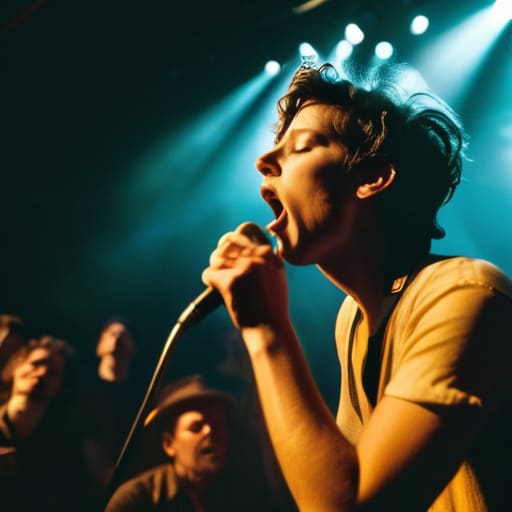
I remember sitting in the back of a cramped, velvet-draped basement in Ann Arbor last autumn, the air thick with the scent of damp brick and stale clove cigarettes. There wasn’t a single flashing LED screen or a choreographed light show in sight; instead, there was just the raw, unpolished vibration of a bass guitar thrumming through the floorboards. That is the true essence of indie rock concerts—it isn’t about the polished production or the social media frenzy, but about that singular, visceral connection between a performer and a room full of strangers sharing a moment of quiet intensity.
I have no interest in telling you which bands are trending on a playlist or which venues have the best cocktail menus. Instead, I want to guide you toward the soul of the scene. I promise to share my observations on how to find those rare, unhurried evenings where the music actually stays with you. We will look past the hype to find the authentic spaces where the melodies linger long after the house lights come up, ensuring your next night out is something truly worth remembering.
Table of Contents
Tracing the Pulse of the Underground Music Scene
Tracing the Pulse of the Underground Music Scene
I’ve always found that the most honest stories aren’t kept in the polished archives I used to manage, but in the cramped, dimly lit corners of the underground music scene. There is a specific kind of electricity found in those small, unpretentious live music venues—the kind where the floorboards vibrate under your feet and the air feels heavy with anticipation. You aren’t there for the spectacle or the high-definition screens; you are there to witness the raw, unvarnished moment when a melody first takes shape.
As I sit in the back, sketching the jagged lines of a brick wall or the silhouette of a drum kit, I find myself looking for more than just a melody. I’m looking for that sense of community that only exists when an indie band lineup feels less like a scheduled set and more like a shared secret. Whether it’s a local basement show or tracking down far-flung indie rock tour dates, the goal remains the same: to find those rare, fleeting instances where the music stops being mere sound and starts becoming something you can actually feel in your bones.
The Quiet Magic of Intimate Live Music Venues
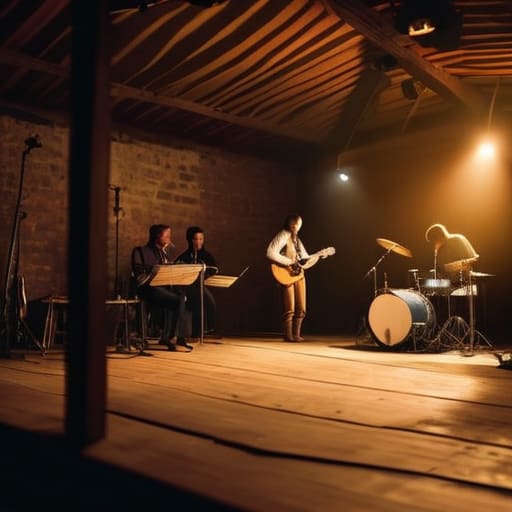
There is a particular kind of alchemy that happens in a room no larger than a living room. When you step into these smaller live music venues, the air feels different—thicker, perhaps, with anticipation and the faint scent of aged wood and spilled spirits. Unlike the sprawling, sterile arenas where the performers feel like distant deities, these spaces demand a certain proximity. You aren’t just an observer; you are part of the room’s breathing architecture. I often find myself sitting in the back, sketching the way the amber light catches the dust motes, realizing that the true connection isn’t found in the volume, but in the shared silence between songs.
It is in these cramped, dimly lit corners that you truly witness the soul of an indie band lineup. There is no pyrotechnic distraction here, only the raw, unvarnished honesty of a melody. You see the drummer’s focused brow and the guitarist’s calloused fingers, making the music feel less like a product and more like a confession shared in private. When the set ends and the ringing in your ears begins to fade, you realize you haven’t just heard a performance; you’ve been a witness to something fleeting and profoundly human.
A Few Notes on How to Truly Listen
- Leave the phone in your pocket. There is a certain tragedy in watching a masterpiece through a five-inch glowing screen; try to let the music settle in your bones instead of your cloud storage.
- Arrive early, but not too early. There is a specific, restless energy in a room just as the house lights begin to dim—a shared anticipation among strangers that you won’t catch if you’re rushing in mid-set.
- Seek out the smaller stages. The grand arenas have their spectacle, certainly, but the soul of indie rock lives in the cramped, low-ceilinged rooms where you can practically feel the vibration of the bass in your own chest.
- Watch the hands of the musicians. I’ve spent a lifetime looking at details, and there is something profoundly moving about watching a guitarist navigate a difficult bridge or a drummer find a subtle, syncopated rhythm in the shadows.
- Don’t be afraid of the silence between songs. In those brief, quiet moments when the feedback dies down and the room holds its breath, you can hear the true character of the venue and the collective heartbeat of the crowd.
The Afterglow of a Shared Note
It isn’t about the scale of the stage, but the closeness of the connection; the most profound music happens when the barrier between the performer and the listener simply dissolves.
There is a necessary, quiet dignity in the imperfections—the slight crack in a vocalist’s voice or the hum of an aging amplifier—that reminds us of the raw humanity behind the art.
To truly experience a show, one must resist the urge to document everything through a screen and instead allow the melody to settle in the mind, becoming a permanent part of one’s own history.
The Resonance of the Unpolished
An indie rock show isn’t about the perfection of the performance; it’s about that singular, unscripted moment when the room breathes in unison with a melody that feels like it was written just for the shadows we’re sitting in.
Petra Lindgren
The Afterglow of the Last Chord
As I sit here in the quiet of my study, the phantom ringing in my ears serves as a gentle reminder of the night’s journey. We have traveled from the raw, unpolished energy of the underground scene to the hushed, reverent atmosphere of those small, dimly lit rooms where every note feels like a shared secret. Whether it is the chaotic roar of a basement set or the delicate precision of a solo performer, these indie rock experiences offer something far more substantial than mere entertainment. They provide a tangible connection to the present moment, grounding us in a world that often feels far too fast and much too loud. It is in these spaces that the music ceases to be just sound and becomes a living, breathing history.
I often find myself sketching the heavy velvet curtains or the weathered brickwork of a venue long after the band has packed their gear. It is a way of holding onto the feeling before the morning light washes it away. My hope for you is that you don’t just seek out the loudest shows or the most crowded festivals, but rather, you seek out the moments that make you pause. Don’t rush toward the exit the moment the encore ends. Stay a little longer in the cool night air, let the melody settle into your bones, and remember that the most meaningful echoes are often the ones we find when we finally learn to slow down and listen.
Frequently Asked Questions
How can one find these smaller, more meaningful venues without getting lost in the noise of mainstream social media?
You won’t find the real gems on a trending tab. I’ve learned that the best way is to look for the physical echoes of a scene. I often start by visiting local independent record shops and simply asking the clerks; they know who is playing where. Sometimes, it’s as simple as spotting a weathered flyer taped to a telephone pole or following the faint thrum of a bassline down a narrow alleyway.
Is there a particular way to appreciate the raw, unpolished nature of an indie set without feeling overwhelmed by the chaos?
I used to think the chaos was something to endure, but I’ve learned to lean into it. Don’t try to fight the noise or the crowd. Instead, find a corner where you can simply watch. Focus on the way a singer’s hands tremble or how the light catches the dust in the air. If you stop trying to control the experience and just let the vibrations settle, the chaos becomes a kind of beautiful, honest rhythm.
How does the history of a local scene shape the way a new band performs in a space that has seen so many others before them?
There’s a certain weight to the air in those old rooms, isn’t there? When a new band steps onto a stage that’s held a hundred legends before them, they aren’t just playing to the crowd; they’re playing to the ghosts. You can feel it in the way they lean into a melody or hold a silence. They aren’t just performing; they are contributing a new chapter to a story that started long before they arrived.
