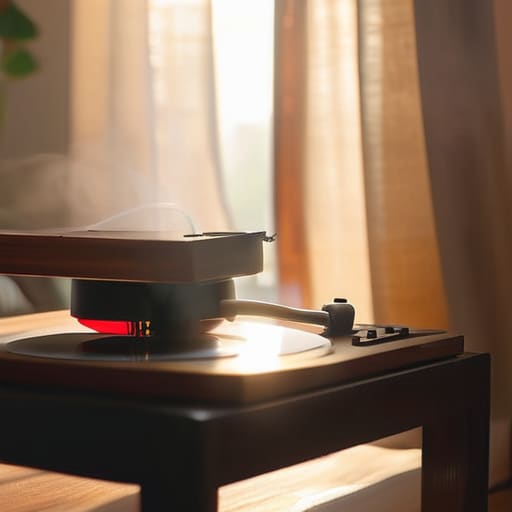
I remember sitting in a cramped, dusty archive basement forty years ago, surrounded by the relentless hum of a faulty ventilation system and the frantic scratching of pens. It was a sensory assault that made it impossible to think, let alone find a moment of peace. Back then, I thought I needed absolute, heavy silence to work, but I’ve learned that true ambient music relaxation isn’t about the absence of sound; it’s about finding the right kind of texture to drape over the chaos of the world. It’s the difference between a void and a sanctuary.
I’m not here to sell you on expensive high-fidelity setups or some complicated, multi-step ritual that feels like another chore on your to-do list. Instead, I want to share what I’ve gathered from decades of listening to the world’s subtle rhythms. I’ll show you how to use sound to reclaim your evening, focusing on the simple, honest ways to let a melody settle your nerves and quiet the mind. We aren’t chasing perfection here; we are simply looking for a way to finally stop rushing and just be.
Table of Contents
Finding Stillness Through Calming Background Audio
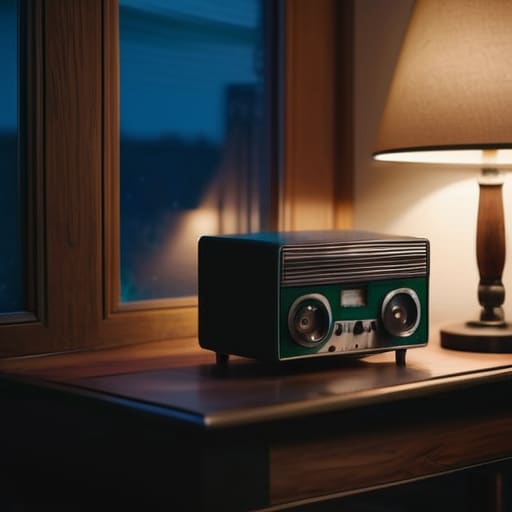
I’ve always found that the silence of a room can sometimes feel heavy, almost demanding. In my years working in the archives, I learned that true quiet isn’t just the absence of noise; it’s a space you have to cultivate. When I return home after a long walk, I don’t reach for the television. Instead, I look for something more intentional. I find that leaning into low fidelity atmospheric textures helps bridge that gap between the frantic energy of the day and the stillness of the night. It’s like adding a soft layer of velvet to the air.
There is a particular kind of magic in choosing the right mindfulness audio environments to anchor your evening. It isn’t about searching for a distraction, but rather finding a companion for your thoughts. Whether it’s the distant hum of a cello or the rhythmic, steady pulse of a rain-drenched street, these sounds act as a gentle container for your focus. When you stop fighting the noise of the world and instead invite these subtle layers in, you finally give yourself permission to simply be.
Low Fidelity Atmospheric Textures for Dimly Lit Nights

There is a specific kind of magic found in the crackle of a record or the muffled hum of a distant city street. I’ve always found that the most profound moments of peace don’t come from polished, studio-perfected compositions, but rather from those slightly imperfect, low fidelity atmospheric textures that mimic the world as it actually is. It’s the sonic equivalent of a worn velvet armchair or a well-loved book; there is a warmth in the grain that digital perfection simply cannot replicate.
When the sun dips below the skyline and I retreat to my study, I find myself gravitating toward these textured soundscapes. They don’t demand your attention with soaring crescendos; instead, they settle into the corners of the room like shadows. Utilizing these mindfulness audio environments allows the mind to stop chasing the frantic pace of the day and instead drift into a more rhythmic, steady state. It isn’t about silence, necessarily, but about finding a sound that feels like a soft blanket—something that holds you steady while the rest of the world continues its restless spinning.
Small Rituals for a More Intentional Evening
- Choose your sound with intention. Don’t just shuffle a random playlist; find a record or a digital collection that matches the specific weight of your mood. If the room feels heavy, seek out something airy; if you feel scattered, look for something with a steady, grounding pulse.
- Treat the volume like a soft shadow. Ambient music shouldn’t demand your attention like a loud conversation in a crowded cafe. It should sit just at the edge of your perception, filling the gaps in the silence without ever forcing you to lean in.
- Curate your physical space to match the audio. I’ve found that music loses its magic if the room is cluttered or the lights are too bright. Dim the lamps, perhaps light a single candle, and let the sonic texture of the music settle into the corners of the room.
- Put the glowing screens away. It’s difficult to truly inhabit a soundscape when you’re constantly interrupted by the blue light of a smartphone. Let the music be the only thing moving in the room.
- Listen for the imperfections. Whether it’s the faint crackle of a needle on vinyl or the distant hiss of a tape, those tiny flaws are what make the experience feel human. Don’t hunt for digital perfection; hunt for the warmth that comes from a little bit of grit.
Notes for a Quieter Evening
Don’t treat music as mere background noise to drown out the world; instead, let it act as a gentle boundary that separates your working day from your private time.
Seek out textures—the crackle of a record or the soft hum of a lo-fi beat—that invite you to slow your breathing and settle into the present moment.
Create a ritual around your soundscapes, pairing them with dim lighting and a quiet space to ensure the stillness actually takes root in your memory.
The Architecture of Silence
“Ambient music isn’t just background noise; it’s the invisible architecture of a room. It fills the hollow spaces between our thoughts, turning a lonely evening into a quiet sanctuary where we can finally hear ourselves think.”
Petra Lindgren
The Lingering Note
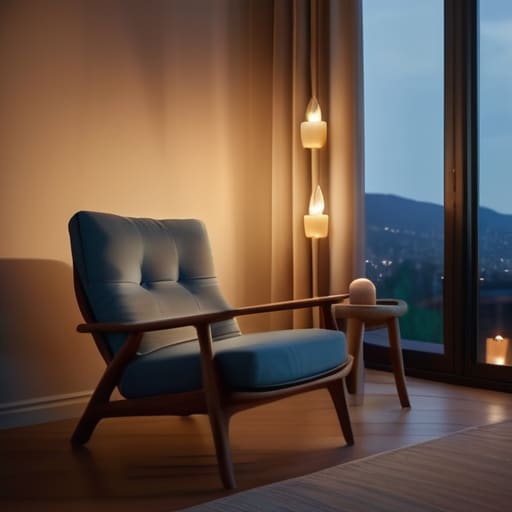
As we’ve explored, finding your way back to yourself doesn’t require a grand gesture or a complete overhaul of your life. It can be as simple as selecting the right texture of sound—whether it is the steady, comforting hum of lo-fi beats or the expansive, ethereal layers of a well-crafted ambient piece—to act as a buffer against the frantic pace of the modern world. By intentionally curating these sonic environments, we do more than just drown out the noise; we create a sanctuary within our own four walls. We learn to appreciate the subtle shifts in a melody and the way a certain frequency can settle the spirit, turning a chaotic room into a space for true reflection.
I often find myself sitting in the quiet of my study after the sun has long since dipped below the horizon, letting a single record spin until the very last groove fades into silence. In those moments, I am reminded that the most important thing we can do is simply allow ourselves to arrive. Don’t rush to the next task or reach for your phone the moment the music ends. Instead, let the stillness settle into your bones. I hope you find the courage to embrace the slow evening, to lean into the shadows, and to discover that there is a profound, quiet strength to be found in the art of the pause.
Frequently Asked Questions
How do I know if I'm listening to music or just letting it become more noise in the background?
It’s a fine line, isn’t it? I often find myself sitting in a dim corner of a club, wondering the same thing. If you’re merely using the sound to drown out the silence or mask the hum of the refrigerator, it has become noise. But if you find your thoughts slowing down, or if a particular melody catches you by surprise and pulls you into a moment of reflection, then you are truly listening.
Is there a specific way to set the room to match the mood of the tracks I'm playing?
It isn’t just about the ears; it’s about the eyes, too. I’ve always found that a room too brightly lit feels like a lecture hall—it demands attention when you’re trying to let go. I prefer to lean into the shadows. Turn off the overheads, light a single candle, or find a small lamp with a warm bulb. If the space feels soft and a bit tucked away, the music has more room to settle in.
Can I use these sounds to help me focus on reading, or is it better to just sit in the dark and listen?
That’s a wonderful question. I’ve found that both have their merits, depending on what your soul is asking for. If you’re diving into a heavy biography or a dense piece of history, a gentle layer of ambient sound can act like a soft curtain, shielding you from the distractions of the outside world. But if the day has been particularly loud, there is no substitute for sitting in the dark, letting the silence breathe, and simply listening.
