
I remember standing outside a concrete warehouse in Berlin last autumn, watching a line of people stretch around the block, all waiting for a name on a flyer that promised a life-changing experience. Most people see techno club culture as this frantic, neon-soaked pursuit of excess—a blur of expensive bottle service and social media posturing that feels entirely hollow. But as I stood there, feeling the low-frequency thrum of the kick drum vibrating through the very soles of my boots, I realized they were looking for something else entirely. They weren’t looking for a party; they were looking for a sanctuary of sound.
I have no interest in telling you which VIP tables to book or which influencers are currently trending. Instead, I want to pull back the curtain on the real, unvarnished essence of this movement. I promise to guide you through the nuances of the dance floor, the importance of the sonic landscape, and how to find those rare, intentional moments of connection amidst the strobe lights. We aren’t here to chase a trend; we are here to learn how to listen.
Table of Contents
Tracing the Berlin Techno Scene History Through Deep Rhythms
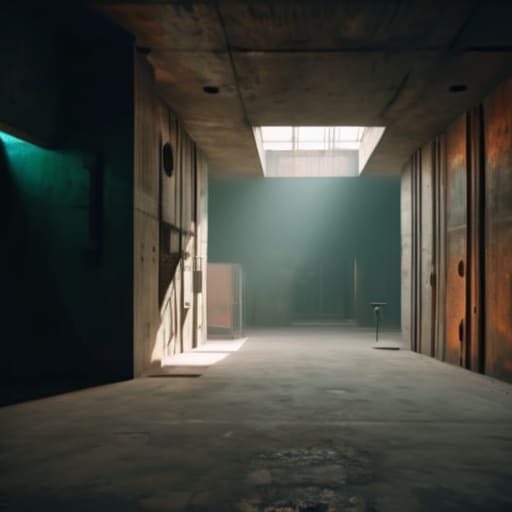
To understand the pulse of a modern club, one must first look back at the echoes left in the concrete of post-Wall Berlin. I often find myself thinking about how the berlin techno scene history isn’t just a timeline of dates, but a story of reclaimed spaces. After the Wall fell, the city was a landscape of hollowed-out buildings and forgotten bunkers, providing the perfect, raw canvas for an industrial music subculture to take root. It wasn’t about polished production back then; it was about the sheer, unadulterated necessity of finding rhythm in the rubble.
As I sit in these dimly lit corners today, I can almost hear the ghosts of those early gatherings. The music has evolved, moving from the grit of repurposed factories to the intricate, layered textures of modern modular synthesizer sounds, yet that fundamental spirit remains. There is a lineage connecting the heavy, rhythmic thud of a 1990s basement to the precision of today’s darker sets. It is a continuous thread of sonic exploration that reminds us why we seek out these shadows in the first place: to feel something that transcends the mundane.
Embracing Dark Techno Aesthetics and the Dimmed Light
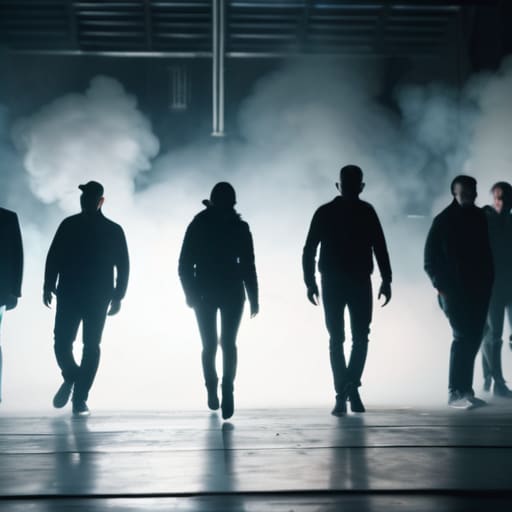
There is a specific kind of reverence found in the shadows of a room where the light barely dares to venture. When I sit in the corner of a dimly lit space, watching the way the strobe catches the movement of a crowd, I am struck by the intentionality of dark techno aesthetics. It isn’t about being grim or nihilistic; rather, it is an invitation to strip away the superficialities of the daylight world. The music—often driven by the haunting, unpredictable textures of modular synthesizer sounds—acts as a sonic shroud, allowing the individual to lose themselves in the texture of the sound rather than the spectacle of the visual.
In these spaces, the atmosphere feels less like a party and more like a shared, rhythmic meditation. There is a quiet dignity to the way people move when they aren’t being watched by a thousand bright lights. It reminds me of the old jazz cellars I used to frequent, where the darkness provided a necessary privacy. This sense of communal solitude is what defines the true techno dance floor community; it is a place where you can be entirely alone, yet perfectly connected to the pulse of everyone else in the room.
A Few Notes on Navigating the Pulse
- Respect the sanctity of the dancefloor. When you enter a space defined by such singular, rhythmic focus, remember that you are a guest in a shared trance. Avoid the urge to be the center of attention; instead, let yourself become part of the collective shadow.
- Dress for the atmosphere, not the trend. In these dimly lit sanctuaries, heavy fabrics and dark tones tend to settle better with the environment. There is a quiet dignity in wearing something that allows you to disappear into the music rather than standing out against it.
- Practice the art of presence. Leave the glowing screen of your phone in your pocket. To truly experience the architecture of a soundscape, you must be physically and mentally present, not viewing the night through a digital lens.
- Listen to the room, not just the DJ. A great techno set is a conversation between the performer and the acoustics of the space. Pay attention to how the bass interacts with the concrete and how the silence between beats holds its own weight.
- Embrace the slow descent. Don’t rush your evening toward a frantic conclusion. The most profound moments often happen in the quiet lull after a heavy set, when the echoes are still settling in your bones and the lights haven’t yet forced you back into the daylight.
The Quiet Echoes of the Night
Beyond the mere physical sensation of the beat, techno offers a rare, modern ritual for losing oneself in the present moment, much like the way a well-worn jazz record can anchor a room.
The deliberate use of shadow and darkness in these spaces isn’t just an aesthetic choice; it is a necessary sanctuary that allows us to strip away our daytime identities and simply exist.
True connection in the club scene isn’t found in loud conversation, but in the shared, wordless understanding of a crowd moving in unison to a single, driving rhythm.
The Rhythm of Presence
“People often mistake the volume for the point, but they miss the true magic. Techno isn’t just about the noise; it is about that rare, hypnotic moment when the repetition of the beat strips away your pretenses, leaving nothing but the rhythm and the person you become when the world finally stops asking things of you.”
Petra Lindgren
The Echo in the Quiet
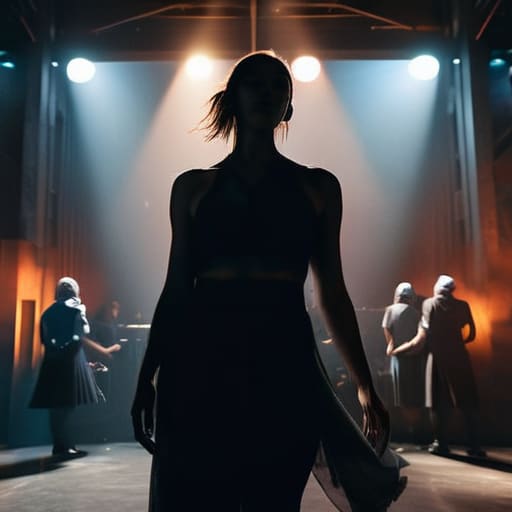
As I sit here in the quiet of my study, the phantom vibration of a kick drum still seems to linger in my bones. We have traveled from the historical grit of Berlin’s underground to the intentional, shadowy aesthetics that define the modern dance floor, discovering that techno is far more than mere repetition. It is a lineage of resilience and a deliberate embrace of the dark. Whether it is through the preservation of a scene’s history or the way a single, driving beat can strip away the complexities of our daily lives, we see that this culture is built on finding sanctuary in the rhythm. It is about the architecture of sound and the way it shapes our shared human experience.
Ultimately, I find that the true value of these long, dim-lit nights isn’t found in the frantic energy of the peak hour, but in the lingering stillness that follows. When you finally step out into the cool night air, the world feels different—sharper, perhaps, or more profound. I encourage you to seek out those spaces where the lights are low and the music is honest. Don’t just go to dance; go to listen, to observe, and to let the tempo dictate your own internal pace. In a world that demands we move faster every single day, there is a quiet rebellion in simply slowing down to the beat.
Frequently Asked Questions
How does the community maintain such a strong sense of connection when the music is so overwhelming and the lights are so low?
It’s a paradox, isn’t it? You’d think the noise would isolate us, but it actually does the opposite. When you strip away the ability to hold a polite conversation, you’re left with something more primal. You connect through the shared physical pulse of the room. In that darkness, there are no social hierarchies or pretenses—just a collective surrender to the rhythm. We aren’t talking to each other; we are feeling the same thing, together.
Beyond the heavy bass, what role does the specific architecture of these spaces play in shaping the experience?
I’ve often found myself sketching the vaulted ceilings and weathered brickwork of these venues, wondering how the bones of a building dictate its soul. It isn’t just about acoustics; it’s about the weight of the space. A cavernous, industrial warehouse creates a sense of beautiful insignificance, making you feel part of something vast and ancient. The architecture provides the sanctuary where the rhythm can truly take root and breathe.
Is there a way to appreciate this intensity without feeling lost in the sheer speed of modern club culture?
It’s a valid concern. When the tempo climbs, it can feel more like a blur than a melody. I’ve found that the secret lies in finding the “anchor.” Don’t try to chase every beat; instead, look for the steady, low-end pulse that holds the track together. If you focus on the texture of the sound rather than the velocity, the chaos begins to feel less like a rush and more like a slow, rhythmic tide.
