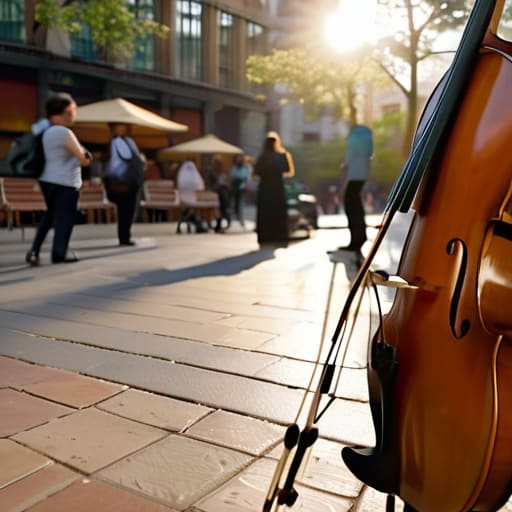
I remember standing on a rain-slicked corner in Chicago back in ’84, clutching my notebook as a cellist played something so hauntingly beautiful it made the passing commuters look like ghosts. Most people treat street performers as mere background noise or, worse, a nuisance to be bypassed on the way to a more expensive dinner. They think “culture” only happens when you pay a hefty cover charge and sit in a velvet chair. But they’re wrong. There is a raw, unvarnished truth in a melody played against the roar of a subway grate that you simply won’t find in a concert hall.
I’m not here to give you a curated list of the most “Instagrammable” buskers in the city. Instead, I want to show you how to truly listen. I’ll share my own quiet observations on how to find the artists who actually possess a soul, and how to transform a simple walk through the city into a meaningful encounter with art. We aren’t just looking for entertainment; we are looking for those fleeting moments that stay with us long after the sun goes down.
Table of Contents
Lost in the Rhythm of Urban Street Entertainment
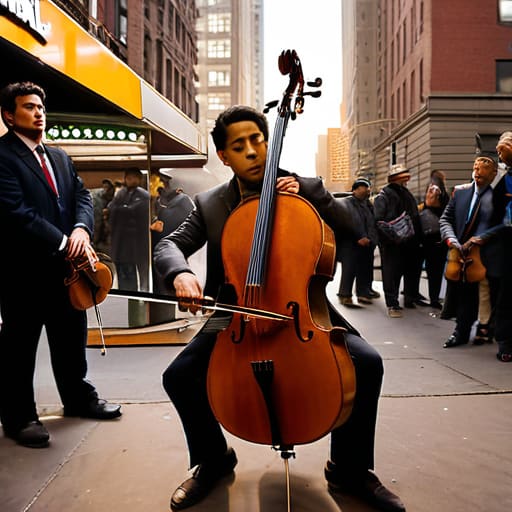
I often find myself leaning against a cold brick wall, notebook in hand, just watching how a single melody can shift the gravity of a busy corner. There is a specific kind of magic in the way street music culture breathes life into the concrete; it turns a mere thoroughfare into a shared living room. I watched a cellist yesterday, tucked between a newsstand and a subway entrance, whose music didn’t just fill the air—it seemed to anchor the passing crowd. For a few moments, the frantic pace of the city surrendered to the vibration of the strings, proving that even the most hurried soul can be brought to a standstill by a well-placed minor chord.
It isn’t always easy for these artists, though. As I observe the weathered cases and the modest setups, I am reminded of the delicate balance of the busker livelihood and tips that sustains them. They carry their entire worlds in a single instrument case, navigating the fine line between art and survival. There is a quiet dignity in seeing someone offer their soul to the pavement, asking nothing more than a moment of your undivided attention.
The Fragile Beauty of Public Performance Art
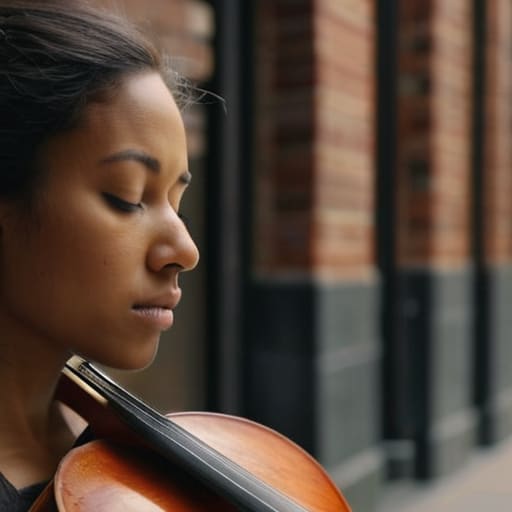
There is a profound vulnerability in watching a person stand exposed on a concrete corner, offering their soul to a crowd that is often too hurried to notice. Unlike the polished, climate-controlled stages of a concert hall, public performance art happens in the teeth of the wind and the unpredictable flow of commuters. I watched a cellist yesterday near the old library; her instrument was worn, her street musician gear looked weathered by years of transit, yet the resonance of those low notes against the brickwork was more commanding than any symphony I’ve heard in a theater.
It is a delicate ecosystem, this intersection of art and the sidewalk. While the bureaucracy of busking permits and regulations often attempts to codify and constrain these moments, there is an inherent wildness to the craft that refuses to be fully tamed. We owe it to these artists to look up from our phones. When we finally do, we aren’t just witnessing a spectacle; we are participating in a shared, fleeting moment of humanity that exists only because someone had the courage to play.
How to Truly Listen: A Few Notes on Witnessing the Sidewalk Stage
- Put your phone away. I know the impulse to capture everything is strong, but a digital screen acts as a thin, cold barrier between you and the moment. If you want to feel the vibration of a cello or the grit in a singer’s voice, you have to be present, not just recording.
- Follow the sound, not the crowd. Most people drift toward the largest group, but I’ve often found the most profound melodies tucked away in a quiet corner or under a stone archway where the acoustics lend a certain dignity to the performer.
- Carry a bit of grace—and perhaps some small change. Whether it’s a few coins or a folded bill, remember that these artists are offering us a piece of their soul in exchange for our time. A small gesture of appreciation acknowledges the labor behind the art.
- Notice the architecture of the performance. As I often do with my sketchbook, look at how the performer uses the space—the way a drummer utilizes the echo of a subway entrance or how a dancer finds rhythm in the uneven cobblestones. The setting is part of the music.
- Allow yourself to linger. There is a temptation to keep walking to stay on schedule, but the real magic happens in the second or third minute, once the initial novelty wears off and you actually start to hear the intention behind the notes. Don’t rush the discovery.
The Quiet Lessons of the Sidewalk
Street performers act as a necessary friction against the rush of modern life, forcing us to pause and reconnect with the present moment.
There is a profound, albeit fleeting, intimacy in sharing a melody with a crowd of strangers under the city lights.
To truly appreciate these artists, we must move beyond being mere spectators and learn to listen with the same intentionality we bring to a vintage record.
The Unscripted Soul of the Sidewalk
“Most people walk through this city with their eyes fixed on a destination, but a street performer is the only thing that can make you realize you’ve already arrived. They don’t offer a polished spectacle; they offer a moment of raw, unvarnished humanity that demands you stop rushing and simply exist alongside them for a few beats.”
Petra Lindgren
The Last Note of the Evening
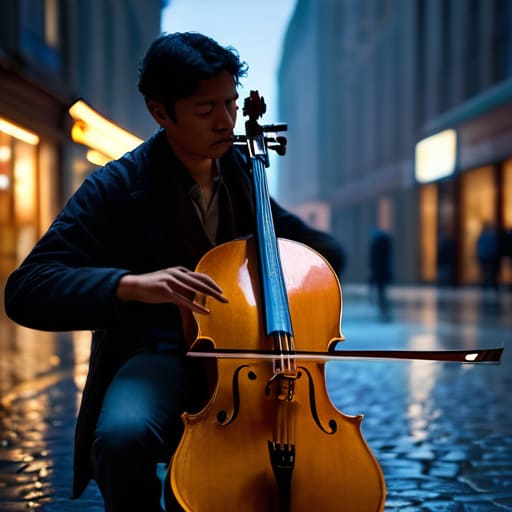
As I sit here in this corner booth, watching the streetlights begin their nightly dance against the pavement, I find myself reflecting on everything we’ve discussed. From the rhythmic pulse of a drum kit echoing through a subway station to the quiet, heartbreaking grace of a solo cellist in a public square, these performers do more than just entertain us. They act as the unintentional curators of our urban experience, weaving threads of humanity into the often cold, concrete fabric of our daily commutes. They remind us that art isn’t something reserved solely for velvet-curtained halls or expensive galleries; it is a living, breathing entity that exists right at our feet, demanding nothing more than a moment of our undivided attention.
So, the next time you find yourself rushing toward a destination, perhaps feeling the weight of a day that moved far too quickly, I urge you to pause. Listen for that stray melody drifting from a street corner or the sudden swell of a brass section near the park. Don’t just walk past; let the music catch you. There is a profound, quiet dignity in these fleeting encounters that stays with you long after the performer has packed away their case. In a world that insists on constant motion, let us find the courage to stand still and embrace the beautiful, temporary magic of the sidewalk.
Frequently Asked Questions
How do these artists manage to find such soul-stirring locations in a city that always seems to be in such a hurry?
I suspect it’s a bit of a dance between them and the city itself. These artists have a way of listening to the architecture, much like I do when I’m sketching. They aren’t looking for the busiest intersections, but rather the pockets where the concrete softens—a recessed alcove, a courtyard with a bit of echo, or a corner where the shadows linger just right. They find the stillness within the rush.
Is there a way to truly support these performers beyond just dropping a few coins in a weathered instrument case?
It’s a question that lingers in my mind long after I’ve tucked my notebook away. Beyond the spare change, the most profound gift you can offer is your presence. Don’t just pass by; stop. Let them see you listening. If the music moves you, tell them so. A genuine word of appreciation or a follow on their social media can bridge the gap between a fleeting moment and a lasting connection.
Where can one find the quietest corners of the city to watch them without the usual rush of the evening crowd?
If you’re looking to escape the frantic pulse of the main thoroughfares, seek out the side alleys near the old theater district or the cobblestone passages behind the jazz clubs. I’ve often found that the most profound performances happen in those little alcoves where the streetlights are dim and the foot traffic thins to a trickle. It’s in those hushed, tucked-away corners that the music truly has room to breathe.
