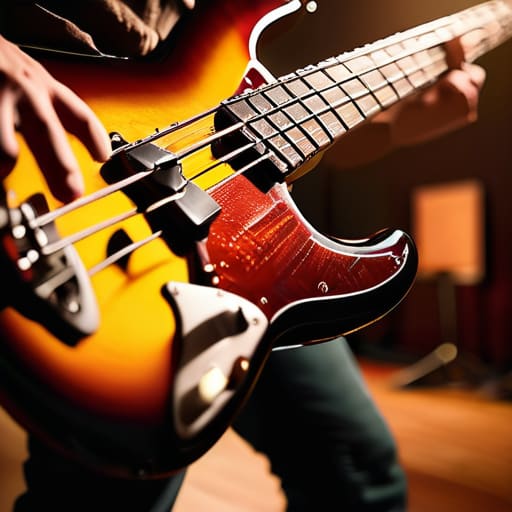
I remember sitting in a cramped, basement jazz club in Detroit back in ’74, the air thick with the scent of old mahogany and clove cigarettes. I wasn’t looking for a spectacle; I was just looking for a place to hide from the rain. Then, the drummer hit that first, syncopated beat, and the room shifted. It wasn’t just sound; it was a physical weight, a rhythmic heartbeat that demanded you stop thinking and start feeling. That was my first real encounter with funk music, and it taught me that the most profound truths aren’t found in a textbook, but in the space between the notes.
I’m not here to give you a dry lecture on musicology or a list of chart-topping hits that have lost their teeth. Instead, I want to walk you through the grit and the soul of the genre. We are going to look past the flashy production and focus on the essential pulse that makes this music timeless. I promise to share only what I’ve learned from decades of listening to the records that actually matter, helping you find those rare moments of connection that stay with you long after the needle lifts.
Table of Contents
Where the Groove Began Funk Music History and Origins
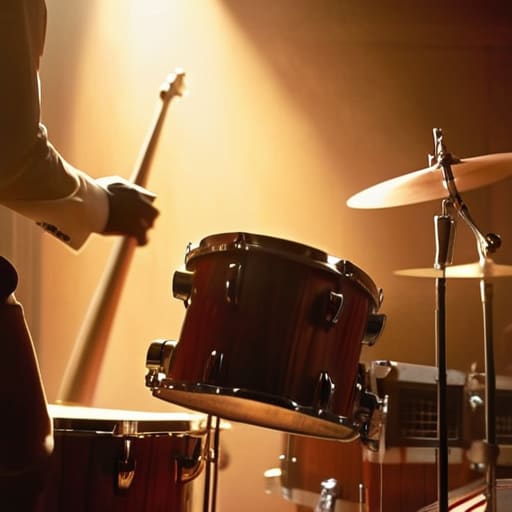
To understand the heartbeat of this sound, you have to look back at the late sixties, a time when the smooth edges of Motown began to fray and reshape themselves into something much more visceral. The soul and funk evolution wasn’t a sudden explosion, but rather a gradual shedding of polite restraint. It was a movement born from the streets and the church, where the emphasis shifted from the melody to the unrelenting pulse of the rhythm section.
As I sit in these dimly lit clubs, I often think about how the architecture of a song changed during this era. It wasn’t about the soaring crescendos anymore; it was about the space between the notes. The introduction of syncopated rhythms in funk changed the way we moved entirely, demanding a physical response that a standard pop song simply couldn’t elicit. You could feel the tension building in the gaps, a rhythmic conversation between the drummer and the bassist that felt less like a performance and more like a shared secret. It was a period of beautiful, structured chaos.
The Soul and Funk Evolution We Still Feel
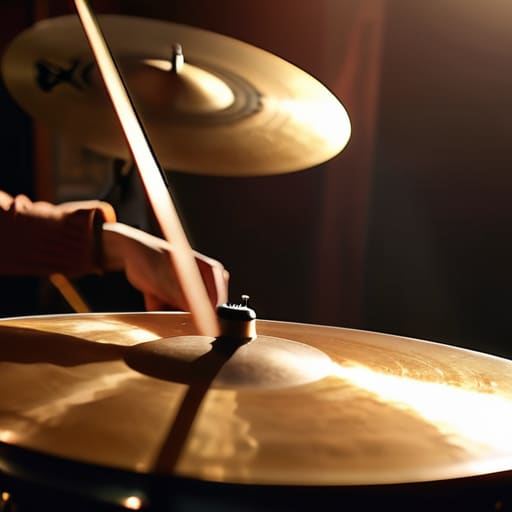
It isn’t just about the notes played; it’s about the space between them. As I sit in these dimly lit corners, watching the candlelight dance against the mahogany, I realize that the soul and funk evolution was never a straight line. It was a widening circle. It moved from the polished, structured arrangements of early Motown into something much more visceral and uninhibited. You can feel it when a drummer shifts the emphasis, moving away from the steady beat into those jagged, syncopated rhythms that force your body to react before your brain even processes the sound.
That shift changed everything. When you listen closely to the greats, you aren’t just hearing a song; you’re hearing a liberation of the rhythm section. The introduction of the slap bass technique turned the instrument into a percussion powerhouse, providing a heartbeat that felt almost biological. This DNA didn’t just stay in the clubs of the seventies, either. You can trace a direct line from those heavy, rhythmic foundations to the very structure of modern music, seeing how the pulse of the past laid the groundwork for the sampling culture that followed.
How to Listen: Finding the Pulse in the Pocket
- Don’t look for the melody first; listen for the gap between the notes. In funk, the silence is just as important as the sound, and that’s where the tension lives.
- Follow the bassline like a thread through a tapestry. If you try to track every instrument at once, you’ll miss the way the bass acts as the heartbeat of the entire room.
- Pay attention to the “one.” There’s a specific weight to that first beat of the measure that anchors everything else; once you feel it, the rest of the song just falls into place.
- Put the phone away and let the rhythm dictate your breathing. Funk isn’t something you observe from a distance; it’s something you let settle into your bones.
- Seek out the live recordings. There is a certain grit and spontaneity in a live funk session—the way a drummer leans into a groove—that a polished studio track can never quite replicate.
What Remains When the Music Fades
Funk isn’t just a genre to be studied; it’s a physical reminder to stop rushing and let the rhythm dictate your pace.
The true history of the groove lies in its ability to turn struggle into something soulful, something that stays with you long after the club lights come up.
To truly understand the music, you have to listen for the spaces between the notes—the intentional pauses that give the soul its room to breathe.
The Rhythm of the Unhurried Heart
“Funk isn’t just a genre you listen to; it’s a way of reclaiming your time. When that bassline finally finds its pocket, it demands that you stop rushing toward tomorrow and simply exist, right here, in the warmth of the groove.”
Petra Lindgren
The Echo in the Quiet Hours
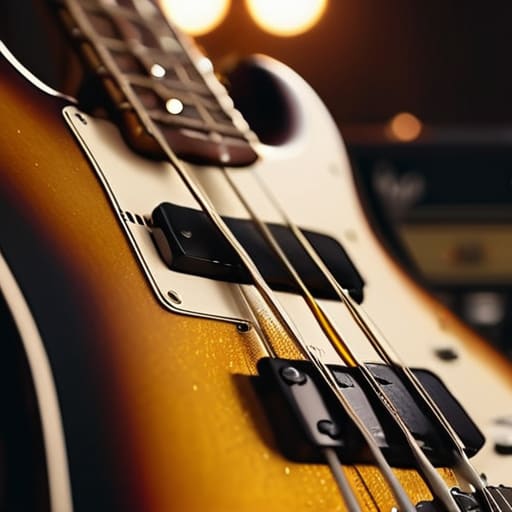
When we look back at where this all started—from those raw, rhythmic roots to the polished, electric evolutions that defined entire eras—it becomes clear that funk was never just a genre. It was a reclamation of space and a celebration of the unapologetic pulse of life. We’ve traced how the heavy basslines and syncopated drum breaks moved from the streets into the very fabric of modern sound, proving that a well-placed groove can bridge the gap between generations. Whether it’s the grit of a vintage record or the digital shimmer of a new track, the core remains the same: it is about the unbreakable connection between the beat and the human spirit.
As I sit here in the dim light of my study, listening to the crackle of a worn vinyl pressing, I’m reminded that we don’t need to rush to find the meaning in our evenings. Sometimes, the most profound thing you can do is simply sit still and let the music settle into your bones. Don’t just listen to the melody; feel the way the rhythm demands you slow your pace and notice the world around you. In a life that often feels far too fast, let the funk be your permission to pause, to breathe, and to find the beauty in the deep, steady heartbeat of the night.
Frequently Asked Questions
How can I start building a vinyl collection that captures the true essence of that era without getting lost in the noise?
Don’t try to buy the whole history at once; you’ll end up with a shelf of clutter rather than a collection of soul. Start small. Head to your local dusty corner shop and look for the labels that feel right—Stax, Motown, or even those obscure deep-cut compilations. Listen to the grooves before you commit. You aren’t just collecting plastic; you’re gathering the echoes of a feeling. Buy what makes you want to sit still.
Is there a way to distinguish between the raw, stripped-back funk of the late sixties and the more polished sounds that followed?
It’s like the difference between a handwritten letter and a printed book. The late sixties funk has this wonderful, grit-under-the-fingernails quality; it’s raw, often slightly unpolished, and feels like it’s breathing right in the room with you. As the decades rolled on, the production became much more precise—the rhythms tightened, and the layers grew sophisticated. One is a conversation in a dimly lit basement; the other is a grand, orchestrated performance.
Which modern artists are actually carrying that torch of intentional, groove-heavy music, rather than just imitating the aesthetic?
It’s easy to mimic the look—the flared trousers, the vintage gear—but true groove is harder to fake. I’ve been listening closely, and it’s artists like Khruangbin who truly understand the space between the notes. They aren’t just playing patterns; they’re building an atmosphere. Then there’s Thundercat, whose basswork carries that same intentional, deep-seated soul. They don’t just play at the rhythm; they inhabit it, keeping that slow, thoughtful spirit alive.
