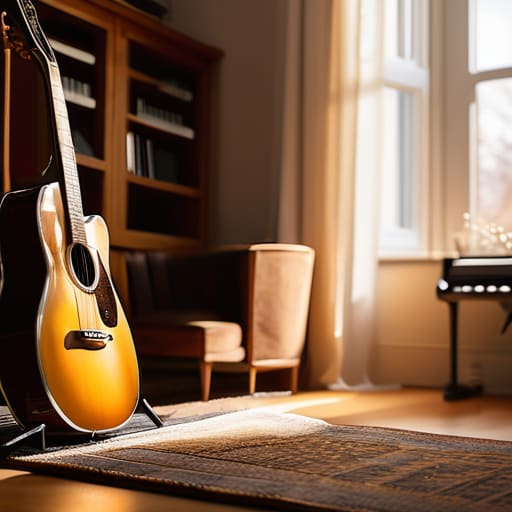
I remember sitting in a cramped, dimly lit shop in Ann Arbor back in the late seventies, surrounded by the scent of lemon oil and old velvet. I was young, eager, and completely overwhelmed by a salesman who insisted that a higher price tag was the only way to achieve a soulful tone. He handed me a glossy brochure that felt more like a sales pitch than an actual instrument buying guide, trying to convince me that my budget was the problem, rather than my ear. It took me years of working in archives and listening to the greats to realize that the most profound music doesn’t come from the most expensive gear, but from the connection between the player and the wood, the wire, and the breath.
I’m not here to sell you on the latest shiny gadget or the industry’s most expensive nonsense. Instead, I want to offer you a different kind of roadmap—one built on decades of listening rather than reading spec sheets. My goal is to provide an honest, lived-in perspective that helps you find a tool that actually speaks to you. We are going to look past the marketing hype to find the instruments that feel like they were meant to be part of your story.
Table of Contents
Choosing Between Acoustic vs Electric Options
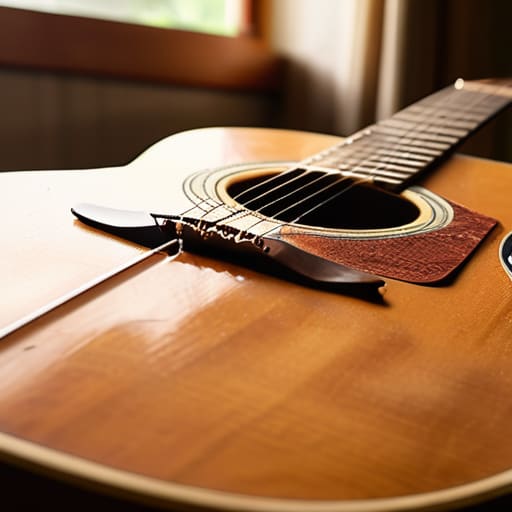
There is a certain weight to an acoustic guitar—a physical presence that demands you sit still and listen to the wood breathe. When I was archiving old folk collections, I realized that the resonance of an acoustic isn’t just sound; it’s a conversation between the player and the room. For many, these are the best instruments for students because they offer immediate, unadorned feedback. You aren’t hiding behind a wall of amplifiers; you are learning the very soul of the vibration.
On the other hand, the electric option offers a different kind of magic, one that thrives in the shadows of a dim room. An electric guitar is less about the wood and more about the electricity—the way a signal can be shaped, bent, and sustained until it feels like a human voice. When weighing acoustic vs electric options, I often ask myself: do I want to be the source of the sound, or do I want to sculpt it? While an electric setup might require a few more essential music accessories to get started, it provides a versatility that can turn a quiet evening into a cinematic experience.
How to Test Instrument Quality With Intention
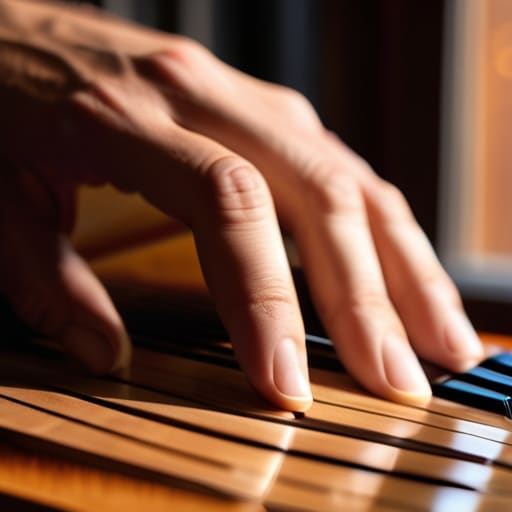
When you finally hold an instrument in your hands, resist the urge to simply play a few familiar chords and call it a day. That is a mistake I see many young players make—they rush the moment. Instead, I prefer to sit with the piece. If you are looking at best instruments for students, you must listen to the sustain. Let a single note ring out in the quiet of the shop. Does it decay with a certain grace, or does it feel thin and hurried? I often find myself checking the weight and the balance, feeling how the wood or the metal settles against my own frame.
Pay close attention to the tactile details, too. Run your fingers along the fretwork or the keys; you are looking for a seamlessness that feels intentional rather than manufactured. If you are navigating the world of budget-friendly musical equipment, these small inspections become even more vital. A slight imperfection in the build might be forgiven if the soul of the sound is there, but a poorly constructed neck or a sticking key will eventually sour your evening. Take your time; the instrument should feel like it was waiting for you.
The Quiet Details: Five Ways to Listen Before You Buy
- Don’t be seduced by the shine. A polished finish can hide a mediocre soul; instead, hold the instrument and see if its weight feels like a natural extension of your own hands, rather than a heavy obligation.
- Seek out the history, even in the new. When speaking to a shopkeeper, ask about the wood or the lineage of the maker—not to collect facts, but to understand if the instrument has a story that will eventually become part of your own.
- Listen for the silence between the notes. A well-made instrument doesn’t just ring loudly; it possesses a certain clarity in its decay, a way of letting the sound breathe and settle into the room without unnecessary clutter.
- Ignore the trend and follow the resonance. It is easy to be swayed by what is popular on a stage, but you must find the tone that speaks to your own quietest moments, the one that sounds as good in a dimly lit study as it does in a crowded hall.
- Allow yourself the luxury of time. The most meaningful connections are rarely made in a rush; sit with the instrument, let the initial excitement fade, and wait to see if it still calls to you once the shop noise has died down.
The Echoes That Remain: Three Lessons for the Intentional Buyer
Don’t chase the spec sheet; chase the feeling. A technical manual can tell you the wood type or the wiring, but it won’t tell you how the instrument settles into the silence of your living room. Look for the one that demands you sit still.
Respect the history of the tool. Whether it’s a brand-new piece or a vintage find from a dusty corner, treat the selection process like an archival discovery. An instrument with a bit of soul—even a few scratches—often has more to say than something pristine and hollow.
Buy for the long evening, not the quick thrill. It is easy to be seduced by the flash of a high price tag or a trendy model, but you should invest in the companion that you can see yourself playing long after the sun has gone down and the world has quieted.
## The Soul of the Selection
“Don’t look for an instrument that merely meets a checklist of specifications; look for the one that seems to hold its breath when you enter the room, waiting for your hands to finally give it a reason to speak.”
Petra Lindgren
The Final Note
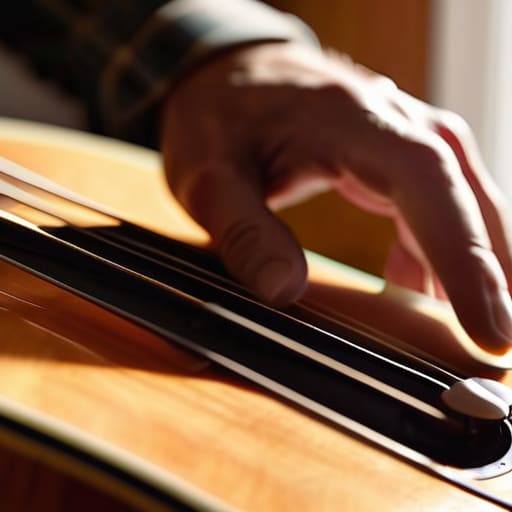
As you stand on the precipice of this decision, remember that there is no single “correct” path, only the one that resonates with your own particular frequency. Whether you found yourself drawn to the raw, unadorned honesty of an acoustic guitar or the infinite, electric possibilities of a synthesizer, the goal remains the same: to find a companion for your creativity. Don’t let the technical checklists or the pressure of a salesperson cloud your judgment. Instead, rely on that instinctive pull you felt when you first held the instrument. If you have taken the time to weigh your options and test the build with a discerning eye, you aren’t just buying a piece of wood or wire; you are investing in a voice that will eventually help you tell your own story.
In the end, the finest instrument isn’t the one that costs the most or carries the most prestigious label. It is the one that sits in the corner of your room, waiting patiently for the sun to set and the world to quiet down. Music is a slow pursuit, much like the preservation of history, and it requires a certain level of patience to truly master. So, take your time. Let the choice settle in your bones. I hope that when you finally strike that first chord in the dim light of your living room, you realize that you haven’t just purchased an object, but have instead opened a door to a much more intentional way of living.
Frequently Asked Questions
How do I know if a vintage instrument is truly a hidden gem or just a beautiful relic that’s too fragile to play?
It’s a delicate distinction, isn’t it? When I look at an old instrument, I look past the polished wood and seek the “playability.” A true gem holds its tension; it feels responsive to a light touch, even after decades. If the neck is bowed or the body feels structurally hollow, it’s likely just a museum piece. Look for the signs of careful stewardship—a well-maintained bridge or a clean fretboard—rather than just a pretty patina.
When I’m sitting in a shop, how can I tell if an instrument is actually making a connection with me, or if I’m just enamored by its appearance?
It’s a common trap; a polished mahogany finish can be quite deceptive. To find the truth, close your eyes. Stop looking at the grain and listen to the resonance. Does the sound fill the space around you, or does it feel like it’s just sitting on the surface? If you find yourself leaning in, instinctively seeking the next note even after the string stops vibrating, that’s the connection. That’s the soul speaking.
For someone who values the history of a piece, is it better to invest in a well-maintained older instrument or something brand new with a clean slate?
There is a certain weight to an instrument that has already lived a life. To my mind, a well-maintained older piece carries a soul—a resonance shaped by the hands of those who played it before you. If you can find one with a story, choose the history. A brand new instrument offers a clean slate, certainly, but there is nothing quite like the warmth of a vintage wood that has already learned how to sing.
