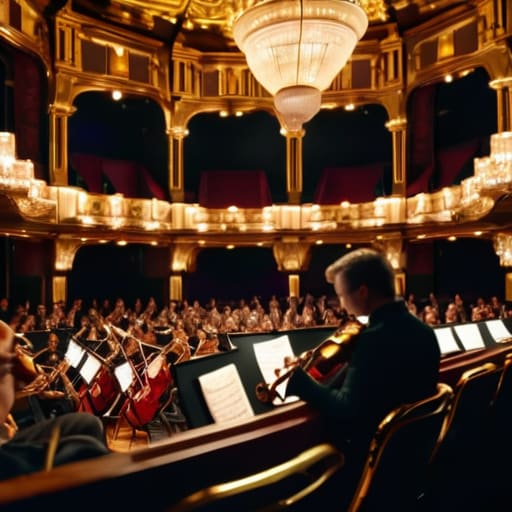
I remember sitting in the third row of the Detroit Symphony Hall back in the late seventies, clutching a worn notebook and feeling a profound sense of dread. It wasn’t the music that intimidated me; it was the suffocating, invisible weight of what I assumed was a rigid set of rules. People often treat symphony orchestra etiquette like a minefield of high-society pretension, a place where you might be judged for the wrong shade of tie or for breathing too loudly during a pianissimo passage. They make it feel like an exclusive club designed to keep the uninitiated out, rather than a sanctuary for the music itself.
I’m here to tell you that the velvet ropes are mostly an illusion. My goal isn’t to teach you how to act like a socialite, but to help you navigate the space so you can actually listen. I want to share the quiet, practical realities of how to respect the performance without losing your soul to formality. We’ll strip away the snobbery and focus on the few essential gestures that allow the music to truly settle into your bones. Let’s find the grace in the stillness together.
Table of Contents
Mastering Concert Hall Silence Etiquette
There is a specific kind of weight to the silence in a concert hall, a heavy, expectant stillness that feels almost sacred. As someone who spent decades in quiet archives, I’ve learned that the most profound moments often happen in the gaps between the notes. Practicing proper concert hall silence etiquette isn’t about being stiff or fearful of making a mistake; it’s about creating a shared space where the music can actually breathe. When you settle into your seat, try to let your own presence become secondary to the sound.
The most common anxiety I hear from newcomers is the timing of applause. It can feel awkward, standing there wondering if you’re about to interrupt a delicate transition. A good rule of thumb for when to clap at a classical concert is to wait until the conductor’s baton fully lowers and they make a definitive movement toward the audience. If you aren’t quite sure, simply watch the seasoned patrons around you. It’s much better to wait a few extra seconds than to break the spell of a movement just as it reaches its emotional peak.
Understanding Conductor Cues in the Dim Light
Once the lights have settled into that soft, amber glow, your attention naturally drifts toward the podium. It’s easy to view the conductor as merely a figurehead, but if you watch closely, you’ll see they are the heartbeat of the entire room. Understanding conductor cues is less about following a strict set of rules and more about learning to read the breath of the music. There is a subtle language in the way a baton rises or how a hand lingers in the air, signaling a transition that the musicians are all feeling simultaneously.
I often find myself sketching these movements in my notebook—the sudden sharpness of a crescendo or the gentle, sweeping arc of a lull. It is in these small, gestural nuances that the true intention of the piece resides. When you begin to recognize these signals, you stop being a mere spectator and start becoming part of the shared experience. It transforms the evening from a simple recital into a silent conversation between the stage and the stalls, allowing you to feel the music’s ebb and flow before a single note has even finished ringing.
Small Gestures for a Shared Experience
- Mind your movements; when the music reaches a crescendo, a sudden rustle of a program or a heavy step in the aisle can feel like a thunderclap to those lost in the melody.
- Save the applause for the right moment; wait for the conductor to lower their baton completely before you let your appreciation break the spell of the final note.
- Treat your devices like relics of a bygone era; silence them entirely before you enter the hall, for even the smallest glow from a screen can pull a neighbor right out of the music.
- Keep your whispers to a minimum, or better yet, hold them until the intermission; the space between the notes is just as sacred as the notes themselves.
- Arrive with time to settle; rushing into a seat as the first violin begins is a distraction to the performers and a missed opportunity for you to find your own quiet center.
The Quiet Essentials
Respect the silence not as a rule, but as a shared canvas; every hushed breath and still moment allows the music to breathe and find its way to your neighbors.
Watch the baton with intention, letting the conductor’s movements guide your focus so you are never caught off guard by the sudden surge of a crescendo.
Treat the intermission as a brief pause rather than a race, using the time to settle your thoughts so you can return to your seat fully present for the next movement.
The Shared Breath of the Hall
“Etiquette isn’t about following a rigid set of rules to avoid being judged; it is a silent pact we make with one another to hold space for something sacred. When we embrace the stillness, we aren’t just being polite—we are making room for the music to actually reach us.”
Petra Lindgren
The Quiet After the Final Note
As the final resonance of the strings begins to fade into the velvet of the hall, remember that your presence is part of the performance itself. By mastering the subtle art of silence, respecting the conductor’s unspoken language, and being mindful of your movements in the dim light, you aren’t just following a set of rules; you are protecting the sanctity of the sound. These small, intentional gestures—the stillness of your hands, the patience of your breath—ensure that the music remains the sole protagonist of the evening. It is through this collective discipline that we transform a mere gathering of people into a unified, breathing audience.
In a world that seems increasingly determined to fill every empty second with noise and frantic motion, stepping into a symphony hall is a quiet act of rebellion. I often find myself sketching the ornate moldings of these old theaters, reminded that beauty requires a steady hand and a patient eye. I hope you leave tonight not just having heard a beautiful melody, but having experienced the profound grace of a shared stillness. Let the music settle into your bones, and when you finally step back out into the rush of the city streets, carry that sense of intentional calm with you.
Frequently Asked Questions
Is it truly acceptable to applaud between movements, or should I wait for the conductor to lower their baton completely?
It’s a common dilemma, and I’ve certainly sat through many a silent, tense interval myself. My rule of thumb? Wait for the conductor to lower their baton and for the sound to fully settle. There is a specific, heavy kind of magic in those moments of silence between movements; it’s a bridge of tension. If you rush the applause, you break the spell. Let the music breathe before you let your hands join in.
If I need to step out for a moment, how can I do so without disrupting the delicate atmosphere of the performance?
The temptation to slip away during a particularly moving movement is real, but timing is everything. If you must leave, wait for the natural breaks—the breath between movements or the applause following a finished piece. Avoid the frantic shuffle of finding a coat mid-crescendo. If you move quietly and avoid the bright aisles, you’ll preserve that shared hush that makes the evening feel sacred. Let the music finish its thought before you depart.
How much of my phone's presence is actually an issue—is it just the light from the screen, or the silent vibration that bothers people most?
It’s a bit of both, really, but for different reasons. The screen’s glow is a visual intrusion, a sudden, artificial spark that breaks the shared trance of the room. But that silent vibration? That’s a physical disruption. It’s a jarring reminder of the frantic, digital world we’ve tried so hard to leave at the door. Both pull us out of the moment, but the vibration feels like a tiny, rhythmic heartbeat of chaos in a space meant for stillness.
