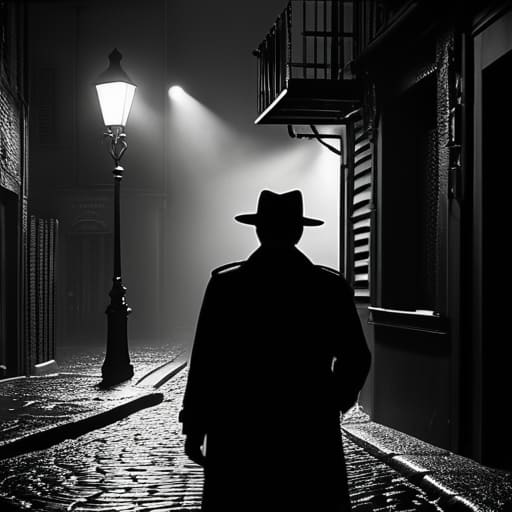
I remember sitting in a basement jazz club in Chicago back in the late seventies, the air thick with the scent of old cedar and stale tobacco, watching the way a single streetlamp filtered through the frosted glass of the entrance. It wasn’t just about the darkness; it was the way the light struggled to exist against the gloom. People often mistake film noir aesthetics for nothing more than a collection of expensive black-and-white filters or a penchant for wearing trench coats, but they miss the soul of the shadow. To me, it has always been about that tension between what is revealed and what is intentionally left to the imagination.
I’m not here to give you a lecture on cinematic history or a list of technical equipment you don’t need. Instead, I want to show you how to find that same sense of quiet, heavy mystery in the world around you. We are going to look past the surface-level tropes and explore how to truly capture the mood, the texture, and the lingering stillness that makes this style so enduring. Let’s stop rushing through the visuals and start learning how to notice the details that actually stay with us.
Table of Contents
The Quiet Drama of Chiaroscuro Lighting Techniques
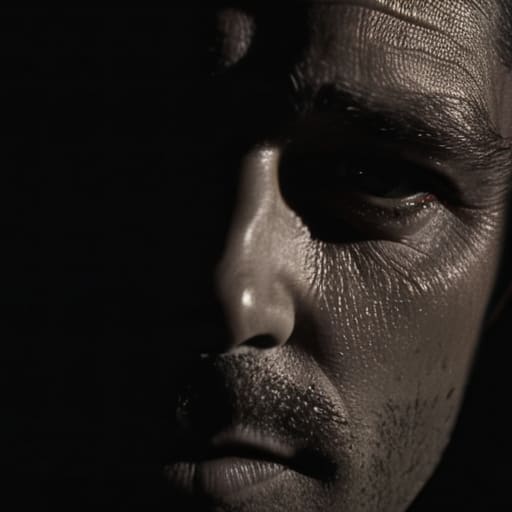
When I look back at the old reels I used to catalog, I’m always struck by how much the light tells us before a single line of dialogue is spoken. It isn’t just about visibility; it’s about what is intentionally left in the dark. The use of chiaroscuro lighting techniques creates a tension that feels almost physical, as if the shadows themselves have weight. You see a face half-submerged in darkness, and suddenly, you aren’t just watching a character—you are witnessing a secret.
This heavy reliance on low-key lighting in cinema serves a purpose far greater than mere style. It mirrors the internal fractures of the characters, pulling us into a world where nothing is quite as it seems. In those sharp, high-contrast frames, the light doesn’t illuminate the truth; it merely highlights the edges of a lie. There is a profound, quiet drama in that struggle between the brightness and the void, a reminder that the most important parts of a story often happen in the spaces where the light fails to reach.
How Low Key Lighting in Cinema Slows the Night
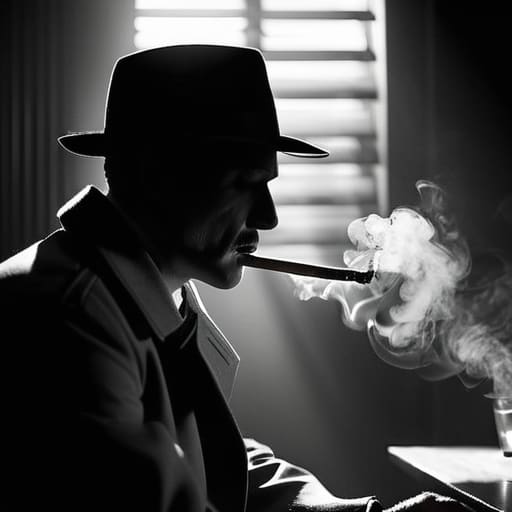
There is a specific kind of patience required to sit through a film that refuses to illuminate its own corners. When I watch these old classics, I’m struck by how low-key lighting in cinema acts as a physical weight, pressing down on the scene and forcing the viewer to settle in. Unlike the bright, frantic pacing of modern blockbusters that demand your attention with every flash of light, these films use darkness to create a sense of stillness. The shadows don’t just exist; they breathe, stretching across the frame to dictate a tempo that feels much more human, much more deliberate.
In these dim spaces, the narrative doesn’t rely on frantic dialogue to move us forward. Instead, we find ourselves leaning in, trying to catch the glint of a cigarette ember or the silhouette of a figure leaning against a rain-slicked doorway. It’s a visual language that mirrors the way a good jazz set unfolds—starting in the deep, quiet tones before slowly building tension. This deliberate use of shadow forces us to stop rushing and actually observe, finding meaning in the gaps where the light fails to reach.
Five Ways to Invite the Noir Spirit Into Your Own Evening
- Seek out the shadows rather than the spotlight. When you’re out, don’t look for the brightest table in the room; look for the corner where the light barely reaches. There is a profound sense of privacy found in those dim pockets of a room.
- Appreciate the geometry of a space. Just as I do with my sketchbook, take a moment to notice how a single beam of light cuts across a floor or how a window frame casts a stripe across a face. The architecture of a moment is often found in its lines.
- Embrace the slow tempo. Noir isn’t about the frantic energy of a modern city; it’s about the pause. Whether it’s a long sip of a drink or a slow melody on a record, let the night breathe. Don’t rush to the next thing.
- Listen for the texture of the sound. In the movies, the silence is just as important as the jazz. In your own life, notice the ambient hum of the street or the way a low bass note lingers in a smoky room. The details are in the resonance.
- Find beauty in the ambiguity. Not everything needs to be clear, bright, and explained. There is a certain dignity in leaving things a little mysterious, allowing the edges of your experiences to remain soft and slightly out of focus.
What Remains When the Screen Goes Dark
True atmosphere isn’t found in the brightness of the scene, but in the tension between what is revealed and what is hidden within the shadows.
The deliberate use of low-key lighting forces us to slow down, demanding that we stop rushing and actually observe the textures of the night.
Film noir teaches us that there is a profound, quiet beauty in the dim corners of life, if only we are patient enough to look for it.
The Weight of a Shadow
“We spend so much of our lives trying to turn on every light, fearing what we might miss in the dark; but film noir teaches us that the truth isn’t found in the glare, but in those soft, heavy shadows where the soul finally has room to breathe.”
Petra Lindgren
The Lingering Shadow
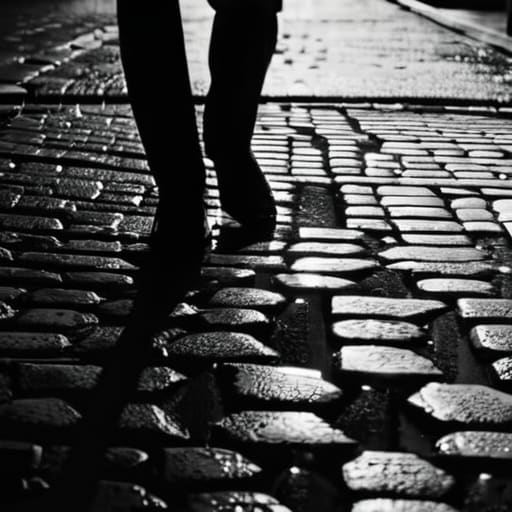
When we look back at what makes these films truly haunt us, it isn’t just the clever camera angles or the high-contrast lighting. It is the way the aesthetics force us to confront the unspoken tensions of the human condition. Through the heavy use of chiaroscuro and that deliberate, low-key pacing, film noir teaches us that what is left unseen is often more powerful than what is shown. We learn to appreciate the geometry of a shadow stretching across a rain-slicked street and the way a single sliver of light can define a character’s entire moral struggle. It is a visual language of intentional imperfection, where the darkness provides the necessary canvas for the light to mean something.
As I sit here in the dim glow of my study, listening to a worn Coltrane record, I find myself thinking about how much of our own lives we rush past in the bright, sterile glare of the modern world. Perhaps we could all benefit from a little more noir in our own evenings. We should learn to embrace the quiet corners and the soft, blurred edges of our experiences. Don’t be so quick to turn on every light the moment the sun goes down. Instead, let the shadows settle, find a comfortable chair, and allow yourself the luxury of noticing the details that only reveal themselves when things slow down.
Frequently Asked Questions
How does the specific choice of music and jazz influence the way we perceive these shadows on screen?
It’s the way a lonely saxophone note hangs in the air, much like the smoke from a cigarette in a dim corner. To me, jazz provides the heartbeat for those shadows. A frantic bebop rhythm makes the darkness feel predatory, like something is chasing you through an alley. But a slow, melancholic ballad? That makes the shadows feel like a sanctuary—a place to hide, to linger, and to finally breathe.
Can you tell me about the architectural details or urban settings that make a film feel truly "noir"?
It’s rarely about the grand monuments for me; it’s the texture of the city that tells the story. I find myself sketching the heavy, Art Deco cornices of old office buildings or the way a wet cobblestone street catches a single, lonely streetlamp. It’s the claustrophobia of narrow alleyways and the skeletal shadows cast by fire escapes. These urban landscapes feel like characters themselves—weathered, slightly weary, and full of secrets tucked into every corner.
Is it possible to find this same sense of atmosphere in modern films, or has the soul of the aesthetic been lost to digital perfection?
It’s a fair question, and one I often ponder while sitting in a darkened theater. We’ve certainly traded the organic grain of film for a clinical, digital sharpness that can feel a bit hollow. Yet, the soul isn’t dead; it has simply migrated. You see it when a director chooses to embrace the smudge of a shadow rather than cleaning it up. The magic isn’t in the technology, but in the intentionality of the darkness.
