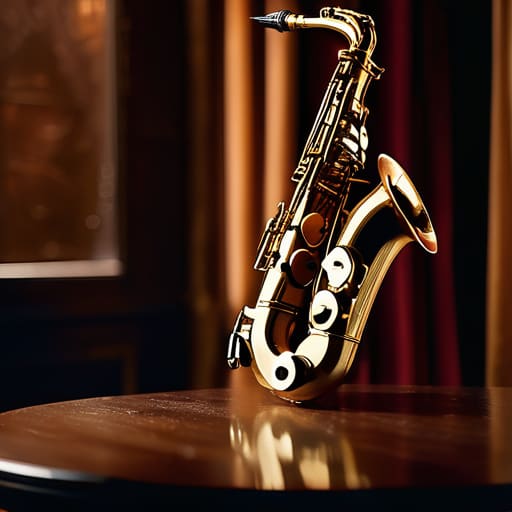
I remember sitting in a basement venue in Chicago back in ’84, the air thick with the scent of old wood and expensive bourbon, watching a trumpeter play a note so long and lonely it felt like it could crack the very foundation of the building. It wasn’t about the velvet ropes or the overpriced cocktail menus that people seem to obsess over today; it was about that specific, heavy stillness that settles over a room when the music takes hold. Nowadays, too many people treat jazz clubs like mere background noise for a social media post, rushing through the set just to say they were there. They miss the point entirely. They miss the soul of the room.
I’m not here to give you a list of the trendiest, most expensive spots where you’ll spend more on a drink than on the actual artistry. Instead, I want to guide you toward the places where the shadows are deep and the music is honest. I promise to share the kind of quiet, hard-earned wisdom that helps you find those rare corners of the city where you can actually stop rushing and just listen. Let’s find the notes that stay with you long after the lights come up.
Table of Contents
The Art of Intimate Live Jazz Performances
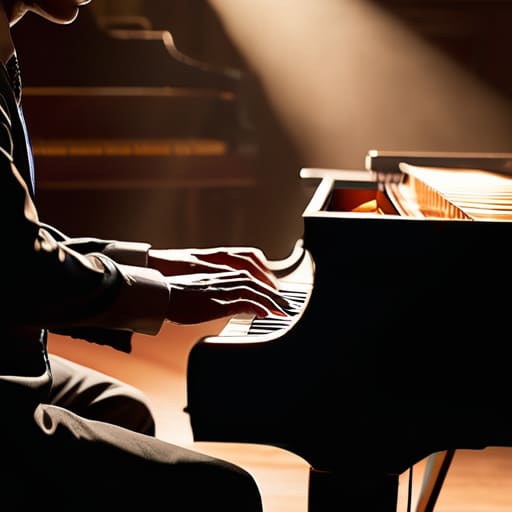
There is a specific kind of magic that occurs when the room goes quiet and the first notes of a solo piano drift through the smoke. It isn’t just about the music; it’s about the shared breath of a room full of strangers. I’ve always found that the most profound moments happen during intimate live jazz performances, where the boundary between the stage and the listener seems to dissolve entirely. You aren’t just watching a show; you are witnessing a conversation in real-time.
In these smaller spaces, you begin to understand the true weight of the historic jazz music heritage that built these cities. When a musician leans into a sudden, unexpected shift in tempo, you feel it in your chest. It requires a certain level of respect for the craft—a quietness that allows the nuances of a brush on a snare drum to be heard. Learning the subtle nuances of jazz club etiquette and atmosphere is part of the ritual. It’s about knowing when to let the silence hold the melody and when to let a collective warmth fill the air.
Navigating the Jazz Club Etiquette and Atmosphere
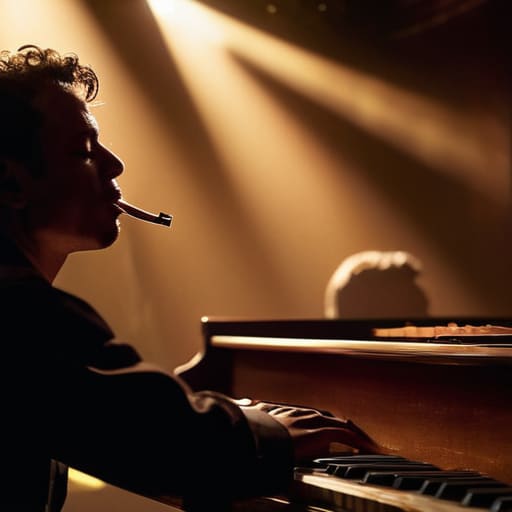
There is a certain unspoken rhythm to these spaces that goes beyond the music itself. When you step into a room where the air is thick with history, you aren’t just a customer; you are a witness to a living tradition. Understanding jazz club etiquette and atmosphere is less about following rigid rules and more about respecting the shared silence between notes. It means knowing when to let a solo breathe and when to offer that quiet, appreciative nod that tells the musician you are truly listening.
I’ve often found that the most profound moments happen when you stop trying to dominate the room. Avoid the urge to treat a performance like background noise for a loud conversation. Instead, aim for a smooth jazz lounge experience where your presence is felt through your attention rather than your volume. If you find yourself in one of those smaller, tucked-away spots, remember that the magic relies on a collective stillness. When the room settles into a shared focus, you aren’t just watching a show—you are becoming part of the historic jazz music heritage that keeps these dimly lit sanctuaries alive.
Small Gestures for a Grand Evening
- Arrive early enough to claim a corner that feels right. I’ve found that the best way to experience a set is to find a seat where you can see the grain of the wood on the stage or the way the light catches the brass of a trumpet, rather than rushing in just as the first note hits.
- Let the silence be your contribution. In a small room, the hush between songs is just as vital as the music itself; it’s in those quiet breaths that you really begin to hear the nuances of the improvisation.
- Keep your phone tucked away. There is nothing that breaks the spell of a soulful melody quite like the sudden, blue glow of a screen cutting through the dimness of a shared moment.
- Embrace the art of the slow sip. Whether it’s a neat bourbon or a simple tea, treat your drink as a companion to the rhythm, not something to be rushed through in order to get to the next thing.
- Carry a small notebook, even if you don’t intend to write. Sometimes, just having the tools to capture a thought or a quick sketch of the room helps you stay present, grounding you in the architecture of the evening.
The Quiet Wisdom of the Night
Seek the spaces where the music feels like a conversation rather than a performance; it is in those small, unhurried moments that the true soul of a city reveals itself.
Leave the frantic pace of the day at the door and allow yourself the luxury of stillness, letting the rhythm guide your attention to the details you usually rush past.
Remember that a night well spent isn’t measured by how much you did, but by the melodies and the shadows that stay with you long after you’ve stepped back into the streetlights.
The Weight of a Single Note
“A true jazz club isn’t just a room with a stage; it’s a sanctuary where the frantic pace of the world finally loses its grip, leaving nothing but the smoke, the shadows, and a melody that knows exactly how to hold your attention.”
Petra Lindgren
The Echo of the Last Note
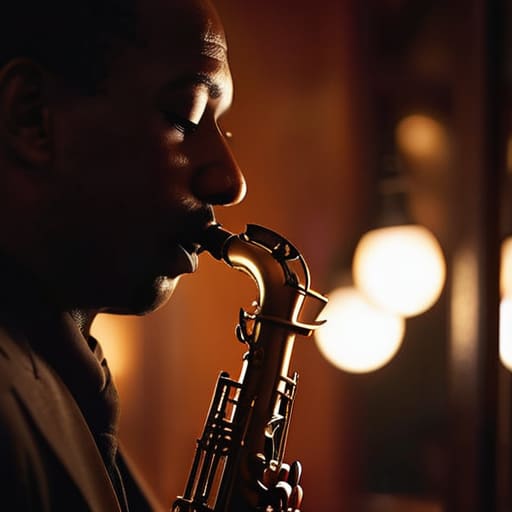
As you step out from the velvet shadows and back into the rush of the street, I hope you carry a bit of that stillness with you. We have talked about the importance of respecting the performer’s space, the subtle dance of etiquette, and the sheer, unadulterated magic that happens when a soloist finds that perfect, lonely note. It isn’t just about the music, really; it is about the intentionality of being present. Whether you are tucked into a corner booth or standing near the edge of the stage, you are participating in a tradition that demands we stop rushing and start listening.
My old notebooks are filled with sketches of these very rooms—the heavy curtains, the worn floorboards, and the way the light catches a glass of bourbon. They remind me that while the city outside may change and the buildings may crumble, the soul of a jazz club remains constant. I encourage you to seek out these dim spaces, not just to hear a tune, but to find a moment of genuine connection in a world that feels increasingly fractured. Don’t just pass through the night; let the music leave a mark on you long after the lights go up and the club doors are locked for the evening.
Frequently Asked Questions
How do I find those smaller, more authentic venues that haven't been swallowed up by the modern rush?
You won’t find the real gems on a polished “Top 10” list. Instead, look for the places that feel a little weathered. I tend to wander into neighborhoods where the streetlights are dim and follow the sound of a bassline through a heavy door. Check the bulletin boards in old record shops or ask the clerk at your local vinyl haunt; they usually know exactly where the heartbeat of the city is currently pulsing.
Is there a particular time of night when the music truly settles into its best rhythm?
There is a certain magic that happens around 10:30 PM. The early crowd—the ones rushing in from dinner or looking for a quick drink—has usually filtered out. The air feels heavier, more settled. It’s when the musicians stop playing for the room and start playing for themselves. That’s when the rhythm finds its heartbeat, and the music stops being a performance and starts being a conversation. That’s when I finally find my seat.
What should I look for in a club to ensure the atmosphere is more about the sound than the spectacle?
Look for the absence of a stage light that’s too bright; you want the musicians tucked into the room, not performing under a spotlight. Check the floor plan—if the tables are packed so tight you can’t breathe, the focus is on turnover, not the music. Ideally, you’ll find a space where the acoustics feel heavy and warm, and where the patrons treat the silence between sets with a certain kind of reverence.
