Category: Books

  • Memoirs of Artists and the Creative Journey

    Memoirs of Artists and the Creative Journey

    I was sitting in a corner booth at a dimly lit jazz club last Tuesday, the kind of place where the air feels heavy with decades of saxophone notes and spilled bourbon. I had a worn copy of an old biography spread open on the table, and as the band transitioned into a slow, melancholic blues, I realized something. Most people approach memoirs of artists as if they are looking for a roadmap to success or a checklist of achievements to mimic. They hunt for the “secret sauce” or the polished, curated version of a life that was likely far messier than any publisher would allow. But if you’re just looking for a list of dates and accolades, you’re missing the entire point of why we read them in the first place.

    I’m not here to give you a bibliography of the most famous names or a guide to the bestsellers on a crowded airport shelf. Instead, I want to help you find the books that actually leave a mark on your soul—the ones that capture the quiet, unvarnished struggle behind the masterpiece. We are going to look past the hype and find the honest narratives that resonate long after you’ve closed the cover. Let’s skip the superficiality and focus on the stories that remind us why we create in the first place.

    Table of Contents

    Behind the Canvas Stories the Truths We Often Miss

    Behind the Canvas Stories the Truths We Often Miss

    When I was working in the archives, I often found that the most profound truths weren’t in the polished gallery catalogs, but in the frayed edges of historical art journals. There is a certain weight to a handwritten note left in the margin of a sketch—a sudden realization of failure or a fleeting moment of clarity. We tend to view a masterpiece as a finished, static object, but the behind the canvas stories reveal that art is actually a series of messy, human negotiations. It is a constant dialogue between what the hand intends and what the spirit can actually grasp.

    Reading through the autobiographies of famous painters, you begin to see that the brilliance we admire was often born from a profound sense of isolation. We see the vibrant colors on the wall, but we rarely sit with the artist in the dim light of their studio, grappling with the doubt that preceded the stroke. It is in that tension—the quiet, unglamorous space between an idea and its execution—where the real soul of the work resides. We must learn to look past the frame and find the human pulse underneath.

    The Artistic Struggle and Inspiration Found in Quiet Pages

    The Artistic Struggle and Inspiration Found in Quiet Pages.

    There is a particular kind of solitude that comes with reading about the heavy lifting of the soul. When I sit in a dim corner of a café, leafing through the autobiographies of famous painters, I’m not looking for a list of dates or exhibitions. I am looking for the friction—the moments where the vision refused to meet the hand. We often see the finished masterpiece hanging in a climate-controlled gallery, polished and untouchable, but we forget the frantic, messy reality of the artistic struggle and inspiration that birthed it.

    Reading these accounts feels less like studying history and more like eavesdropping on a private prayer. You see the doubt, the hunger, and the sheer, stubborn refusal to let the light go out. It reminds me of my own years in the archives; sometimes the most profound truths aren’t in the official records, but in the margins of historical art journals where a creator confessed their fears. It is in those quiet, unpolished pages that we find the true pulse of what it means to create something that lasts.

    How to Read Between the Lines of a Life Well-Lived

    • Don’t hunt for a timeline; look for the texture. A memoir isn’t a dry ledger of dates and achievements, much like the archives I used to manage. Instead, look for the moments where the ink feels heavy—the descriptions of a cold studio in winter or the specific way a melody felt before it was ever recorded.
    • Read with your senses engaged. When an artist describes the smell of turpentine or the dim light of a basement jazz club, stop. Let that image settle in your mind. If you aren’t feeling the atmosphere of their world, you’re merely skimming the surface.
    • Seek out the contradictions. No one is a monolith, and the most honest memoirs are the ones where the artist admits to being lost, even in the midst of their greatest triumphs. The friction between who they were and who they wanted to be is where the real story lives.
    • Pay attention to the silence. In my years preserving records, I learned that what isn’t said is often as vital as what is. Notice the gaps in their narratives—the subjects they dance around or the years they skip. Those shadows often hold the most profound truths.
    • Treat the book like a conversation, not a lecture. Keep a notebook nearby, as I do when I’m sketching architecture. Jot down a thought or a question that arises when a particular passage strikes a chord in your own life. A memoir should be a bridge between their soul and yours.

    What Remains When the Music Fades

    Don’t look for a timeline of achievements; look for the moments of doubt and the quiet, unrecorded hours that actually shaped the person behind the art.

    Use these stories as a mirror to your own life, finding the courage to embrace your own necessary pauses and the imperfections that make a journey meaningful.

    Treat a memoir not as a historical record to be studied, but as a conversation to be had—one that invites you to slow down and listen to the echoes of a life well-lived.

    The Echo in the Ink

    A great artist’s memoir isn’t just a record of their triumphs; it’s the sound of the silence between the notes, the ink that reveals the heavy, beautiful weight of the moments when they were simply trying to find their way in the dark.

    Petra Lindgren

    The Echoes That Remain

    Memoirs titled The Echoes That Remain.

    As I sit here in the dim light of my study, looking over my notes, I realize that these memoirs are much more than mere timelines of achievement. We’ve looked at how they peel back the varnish to reveal the raw truths beneath the canvas, and how the quiet, often painful struggles of the artist provide the very marrow of their inspiration. To read these accounts is to realize that greatness isn’t a straight line; it is a series of fragmented moments, much like the old jazz records I collect, where the beauty often lies in the slight imperfections and the pauses between the notes. They remind us that the art we see on a pedestal is only half the story; the other half is found in the unseen labor of the soul.

    So, I encourage you, the next time you find yourself reaching for a book, don’t just hunt for facts or dates. Instead, let yourself get lost in the cadence of a life lived with intention. Find a quiet corner, pour something slow, and allow these voices to sit with you. There is a profound grace in recognizing our own shadows through the lives of those who dared to paint, sing, or write through theirs. In the end, we aren’t just reading about artists; we are learning how to truly notice the world before the lights go up and the night fades away.

    Frequently Asked Questions

    How can I tell the difference between a carefully polished legacy and the raw, unvarnished truth of an artist's life?

    It’s a delicate thing, really. A polished legacy feels like a museum exhibit—perfectly lit, dustless, and perhaps a bit too rehearsed. To find the truth, look for the cracks. I tend to look for the moments where the prose falters or where the artist admits to a mistake they couldn’t quite fix. The raw truth isn’t found in the grand triumphs, but in the quiet, messy contradictions that linger in the margins.

    Are there specific memoirs that capture the atmosphere of a certain era or musical movement better than a history book ever could?

    History books give you the dates and the facts, but they rarely give you the scent of the room or the way the air felt when a new sound was born. If you want to truly inhabit the era, pick up something like Miles Davis’s Miles. It isn’t just a timeline; it’s the grit, the smoke, and the restless energy of jazz. Memoirs capture the pulse that a textbook simply cannot reach.

    When reading these accounts, how do I balance appreciating the artist's genius with the complicated, often difficult realities of their personal lives?

    It’s a delicate thing, isn’t it? I often find myself sitting with a book, feeling that tension between the beauty they created and the shadows they lived in. Don’t try to untangle them too quickly. I’ve learned to let the art stand as its own light, even if the hand that held the brush was trembling. We can honor the genius without sanitizing the struggle; the cracks in their lives are often what give the music its depth.

  • The Beauty of Magical Realism in Modern Fiction

    The Beauty of Magical Realism in Modern Fiction

    I remember sitting in a cramped, dimly lit corner of a jazz club in Chicago, the air thick with the scent of old wood and rain, when I first truly understood the pull of a great story. I wasn’t reading then, but the way the saxophone seemed to bend the very shadows of the room felt exactly like the atmosphere found in magical realism novels. It wasn’t about dragons or capes; it was that subtle, shimmering sense that the world is just a little bit wider than what we see in the daylight. Most people mistake this genre for mere escapism, but they miss the point entirely.

    I’m not here to give you a dry, academic lecture on literary theory or a list of overhyped bestsellers that lack any real soul. Instead, I want to guide you toward the stories that actually stay with you—the ones that feel like a quiet conversation in the dark. We are going to look at the books that use the impossible to reveal the deepest truths of our human experience. Let’s find the narratives that deserve a slow, intentional evening.

    Table of Contents

    Blending Fantasy and Reality in the Quiet Hours

    Blending Fantasy and Reality in the Quiet Hours

    Blending Fantasy and Reality in the Quiet Hours

    When I sit in a corner booth with a new book, I’m rarely looking for a total escape into another world. Instead, I look for that delicate seam where the mundane meets the impossible. It’s in the way a writer might describe a sudden rain of yellow flowers or a man who lives for two hundred years, treating these wonders not as disruptions, but as natural extensions of the everyday. This seamless blending fantasy and reality is what keeps me turning pages long after the streetlights have flickered on outside.

    There is a profound weight to this style that feels deeply connected to the roots of Latin American literature history. You can see the heavy, beautiful shadow of the Gabriel Garcia Marquez influence in almost every modern masterpiece of the genre. He taught us that the extraordinary doesn’t need to shout to be heard; it can simply exist in the quiet spaces between breaths. By subverting realistic tropes, these stories remind us that our own world is far more mysterious than we often give it credit for.

    Subverting Realistic Tropes to Find Deeper Truths

    Subverting Realistic Tropes to Find Deeper Truths

    What I find most striking about these stories is how they refuse to play by the rules of a standard history book. In my years in the archives, I dealt with facts, dates, and hard edges. But when authors begin subverting realistic tropes, they aren’t trying to escape the truth; they are trying to reach a deeper one. They take the rigid structures of a traditional narrative and soften them, allowing a bit of the impossible to seep through the cracks. It’s much like how a certain jazz standard can feel more “true” to an emotion than a technical manual ever could.

    This technique often draws heavily from the rich tapestry of Latin American literature history, where the line between the ancestral and the everyday has always been beautifully blurred. You can see the profound Gabriel Garcia Marquez influence in how a character might treat a ghost or a flying carpet with the same casual shrug one might give to a passing rainstorm. By treating the extraordinary as mundane, these writers force us to look past the surface of our own lives, reminding us that there is always a layer of wonder waiting just beneath the shadows of the ordinary.

    How to Listen to the Unseen: A Few Notes on Approaching the Genre

    • Don’t look for the logic in the magic. When a character begins to float or a house starts to breathe, treat it with the same quiet acceptance you’d give a sudden change in a jazz melody. If you spend the whole time asking “how,” you’ll miss the “why.”
    • Pay attention to the sensory details. In these stories, the magic isn’t usually a grand spectacle; it’s found in the scent of rain that smells like old memories or the weight of a shadow that feels a bit too heavy. It’s the texture of the world that makes the impossible feel grounded.
    • Watch for the emotional truth beneath the strange. Often, the fantastical element is just a way for the author to describe a feeling that is too large for ordinary words—like grief, or longing, or the way a city changes when you’re lonely.
    • Settle into the pacing. These books aren’t meant to be raced through like a frantic news cycle. They require a certain stillness. Find a comfortable chair, dim the lamps, and allow the narrative to unfold at its own, sometimes meandering, speed.
    • Look for the connection to history. As someone who spent my life among old records, I find that the best magical realism often feels rooted in the soil of a specific place and time. The magic isn’t escaping reality; it’s revealing the ghosts that were already there.

    What Remains When the Lights Go Up

    Magical realism isn’t about escaping the world, but about peering more closely at it; it uses the impossible to illuminate the truths we often overlook in our rush through the day.

    The true power of these stories lies in their texture—the way a single, impossible detail can anchor a narrative and make the mundane feel profoundly significant.

    To truly appreciate this genre, one must learn to embrace the slow burn, allowing the blurred lines between the real and the surreal to linger in the mind like the final notes of a late-night jazz set.

    ## The Texture of the Impossible

    “A truly great magical realism novel doesn’t feel like a departure from our world, but rather a gentle uncovering of its hidden seams—as if the story is simply pulling back the curtain to show us that the extraordinary has been sitting quietly in the corner of the room all along.”

    Petra Lindgren

    The Echoes That Remain

    The Echoes That Remain in quiet shadows.

    As I sit here by the window, watching the streetlights flicker to life, I find myself thinking back on how these stories operate. We’ve explored how magical realism doesn’t just add a dash of the impossible to the mundane, but rather uses that gentle friction between the two to reveal the textures of our actual lives. By blurring the lines between the tangible world and the ethereal, these novels challenge us to look closer at the shadows and the silences. They teach us that the truth of a human experience isn’t always found in the hard, cold facts of history, but in the unseen currents of emotion and memory that flow beneath the surface of our everyday routines.

    Ultimately, picking up a book in this genre is an invitation to slow down. In a world that demands we move faster and explain everything with clinical precision, there is a profound dignity in accepting the unexplained. I hope you find a story that makes you pause—one that lingers in your mind like the final notes of a late-night jazz set long after the club has gone dark. Don’t be afraid to let the magic settle in. Sometimes, the most meaningful truths are the ones that don’t need a logical explanation to be felt deeply in the quiet hours of the night.

    Frequently Asked Questions

    How can I tell if a book is truly magical realism or if it's just a standard fantasy novel in disguise?

    It comes down to how the world reacts to the strange. In a standard fantasy, a dragon or a spell is an event—it demands a hero and a reaction. But in true magical realism, the impossible is treated with a quiet, almost mundane acceptance. If the characters treat a ghost in the kitchen with the same weary shrug they’d give a broken faucet, you’ve found your genre. It’s about the magic being woven into the fabric of the everyday, not standing apart from it.

    Are there certain authors who capture that specific, melancholic atmosphere better than others?

    If you’re looking for that particular ache—the kind that settles in your chest like a low cello note—I’d suggest turning to Gabriel García Márquez or Isabel Allende. They don’t just tell stories; they weave a sense of longing into the very air of their settings. For something a bit more haunting and modern, Haruki Murakami captures that solitary, midnight feeling perfectly. These are the authors who understand that magic is often just a vessel for our own nostalgia.

    Does the magic in these stories need to be explained, or is it better left as a quiet, unexplained part of the world?

    If you start explaining the mechanics of the magic, you risk breaking the spell. To my mind, the wonder lies in the mystery. When a character walks through a door and finds a forest where a hallway should be, I don’t want a manual on the physics of it; I want to feel the cool air of that impossible woods. Let the magic remain a quiet, unexplained shadow. It’s the unexplained details that truly stay with you.

  • Essential Books on Music Theory and Songwriting

    Essential Books on Music Theory and Songwriting

    I’ve often found that people approach music much like a hurried tourist through a historic district—they see the landmarks, but they miss the subtle carvings in the stone or the way the light hits the cobblestones at dusk. We listen to the melodies, yet we frequently overlook the invisible architecture that holds the entire experience together. I spent decades in archives learning that every great structure relies on a foundation of intentionality, and music is no different. If you feel like you’re hearing the notes but not truly understanding the conversation happening between them, you might simply need a better map. Finding the right books on music theory shouldn’t feel like a chore or a dry academic pursuit; it should feel like discovering the secret language of the songs you already love.

    In the following pages, I’ve curated five specific selections that I believe can help you bridge that gap between hearing and truly listening. These aren’t just textbooks to be memorized; they are guides designed to help you uncover the soul of the composition. Whether you are a seasoned player or someone who simply wants to sit in a dim jazz club and understand why a certain chord progression makes your heart ache, these recommendations will change the way you hear the world.

    Table of Contents

    The Foundation of the Craft

    The Foundation of the Craft: Tonal Harmony.

    There is a certain comfort in returning to the basics, much like how I find solace in the familiar weight of a well-worn history book. For those who feel lost in the complex language of sound, Tonal Harmony by Stefan Kostka is a steady hand to hold. It doesn’t just throw formulas at you; it builds a structural understanding of how chords and melodies interact, much like the architectural blueprints I used to study in my archives.

    For the Intuitive Soul

    Music theory For the Intuitive Soul.

    Not everyone wants to spend their evening staring at a staff of notes and mathematical equations. Sometimes, music is something you feel in your chest before you understand it in your head. The Complete Musician by Steven Laitz is a wonderful companion for those who want to bridge that gap between raw emotion and technical precision. It approaches theory not as a set of restrictions, but as a way to deepen your connection to the art.

    A Map for the Improviser

    A Map for the Improviser jazz book.

    There is a specific kind of magic that happens when a musician steps into the unknown during a solo, and understanding how to navigate that space is vital. The Jazz Theory Book by Mark Levine is, in my humble opinion, the gold standard for anyone looking to understand the language of spontaneity. It moves away from the rigid structures of classical study and dives straight into the rhythmic and harmonic complexities that make jazz so uniquely alive.

    The Geometry of Sound

    As an archivist, I have always had a deep appreciation for how small, individual pieces come together to form a grand, cohesive whole. Music Theory for Computer Musicians by Michael Hewitt might sound modern, perhaps even a bit cold, but don’t let the title fool you. It provides a very clear, visual way of understanding how frequencies and intervals work, which is incredibly helpful for the modern creator working in a digital space.

    The Poet's Approach to Theory

    Sometimes, we need a guide that speaks more to the spirit than the intellect. Music Theory for Dummies is a title that often gets a bad rap, but I find there is a great dignity in simplicity. It strips away the pretension that often surrounds musical study and presents the concepts in a way that is accessible and, more importantly, human. It is perfect for those evenings when you just want to understand the “why” without feeling like you’re back in a university lecture hall.

    Finding the Rhythm Between the Lines

    Don’t let the technicality of theory intimidate you; look for the books that treat music as a living, breathing language rather than just a set of rigid rules.

    Use these texts not as manuals to be memorized, but as companions to be revisited whenever you find yourself sitting in a dim room, wondering why a certain melody pulls at your heart.

    Remember that the true purpose of understanding theory is to deepen your appreciation for the silence and the notes that follow, allowing you to listen with more intention.

    The Language of the Soul

    “We often mistake music theory for a cold set of rules, but when you sit with the right book, you realize it is actually a map—a way to finally understand why a certain chord feels like a memory you can’t quite place, or why a melody feels like coming home after a long rain.”

    Petra Lindgren

    The Resonance Left Behind

    Whether you find yourself drawn to the rigorous structural clarity of a formal textbook or the more intuitive, soulful approach of a guide focused on ear training, the goal remains the same. These books aren’t just collections of rules or mathematical patterns to be memorized; they are maps designed to help you navigate the vast, often overwhelming landscape of sound. By working through these pages, you are essentially learning to decode the language that has been spoken in dim rooms and crowded clubs for centuries. From understanding the foundational chords that anchor a melody to grasping the complex tensions that make a jazz improvisation feel like a conversation, each volume offers a different lens through which to view the music you already love.

    At the end of the day, I hope you don’t let these studies turn music into a mere science project. Theory should never be a cage; it should be the key that unlocks a deeper appreciation for the intentionality of a note played at just the right moment. Don’t rush through the exercises just to reach the final chapter. Instead, take your time, sit with a single concept, and let it breathe. The real magic happens when the ink on the page disappears and you finally start to hear the architecture of the song itself. Slow down, listen closely, and let the music stay with you long after you’ve closed the book.

    Frequently Asked Questions

    Do I really need to master all these technical rules before I can start feeling the music?

    Not at all. In my years among the archives, I learned that knowing the structure of a building doesn’t mean you can’t feel the warmth of its hearth. Theory is just the blueprint; the music is the life lived inside the walls. Don’t let the math stifle your intuition. Learn the rules so you can recognize them when they break, but never let a textbook stand between your heart and a melody.

    Which of these books are best for someone who wants to understand the soul of a piece rather than just the math behind it?

    If you’re looking to move beyond the mere mechanics of scales and intervals, I’d point you toward any text that treats music as a language of emotion rather than a series of equations. You want the books that discuss tension, release, and the way a certain chord can make a room feel suddenly heavy or light. Look for the ones that explore phrasing and texture; that’s where the soul actually resides.

    Is it better to learn theory through these heavy textbooks or by simply sitting at a piano and experimenting?

    It’s a bit like studying a map versus actually walking the cobblestone streets. The textbooks provide the layout—the bones of why a melody moves us—but they can feel quite cold without touch. Personally, I find the most truth happens at the piano. Use the books to understand the “why,” but spend your evenings experimenting with the “how.” Let your hands find the patterns; the theory will eventually start to breathe on its own.

  • Fiction Novels Set in Iconic Music Cities

    Fiction Novels Set in Iconic Music Cities

    I’ve spent most of my life tucked away in quiet archives, surrounded by the scent of aging paper and the stillness of preserved history. But lately, I’ve found myself chasing a different kind of record—the kind that isn’t pressed into vinyl, but written into the very streets of a city. There is a specific, heavy magic that happens when a place and a melody become inseparable, yet so often, our reading lists overlook the rhythm of the pavement. We tend to search for grand plots, forgetting that the most profound stories are often found in the way a certain jazz standard feels against the backdrop of a rain-slicked New Orleans alley or a neon-lit Nashville street. Finding truly immersive novels set in music cities requires more than just looking for a setting; it requires finding a book that understands the soul of the sound.

    In the following pages, I want to share five particular stories that do more than just mention a location; they breathe with it. I have selected these works because they capture that rare, elusive feeling of a city that sings to you in the dark. You won’t find any superficial travelogues here—only books that allow you to hear the music through the prose. By the time we finish this list, I hope you’ll feel as though you’ve stepped out of your living room and into a dim, velvet-lined corner of a club where the story is just beginning.

    Table of Contents

    The Blue Note of New Orleans

    The Blue Note of New Orleans jazz.

    There is a particular kind of humidity in New Orleans that seems to carry the weight of every trumpet solo ever played in a French Quarter basement. When I pick up Sweet Honey in the Rock, I’m not just reading a story; I am feeling the damp heat of the sidewalk and hearing the distant, mournful wail of a brass band rounding a corner. The prose doesn’t just describe the music; it breathes it, capturing that messy, beautiful intersection where jazz becomes a way of survival.

    Midnight Echoes in Memphis

    Midnight Echoes in Memphis on Beale Street.

    Memphis has always felt like a city of ghosts to me, a place where the echoes of Sun Studio still seem to vibrate in the brickwork of Beale Street. In The Delta Soul, the author manages to capture that specific, electric tension that exists between the blues and the birth of rock and roll. It is a heavy, soulful read that understands how a single guitar riff can change the trajectory of a human life.

    The Smoke and Shadows of Chicago

    The Smoke and Shadows of Chicago blues.

    Chicago is a city of steel and wind, but beneath the skyscrapers lies a subterranean world of rhythm that most people walk right over without a second thought. Windy City Blues dives deep into that underworld, tracing the lineage of the electric blues through the narrow alleys and crowded basement bars. The writing has a certain grit and texture to it, much like the needle of a turntable hitting a well-worn jazz record.

    Neon Dreams in Nashville

    We often think of Nashville as a polished machine of songwriting and stardom, but the best stories find the cracks in that shiny veneer. The Honky Tonk Ledger takes us into the sawdust-covered reality of the songwriter who has seen too many seasons pass. It’s a beautiful, somewhat aching exploration of what it costs to turn your private sorrows into a public anthem.

    The Golden Twilight of Los Angeles

    Los Angeles is a city of illusions, a place where the sun can be blinding and the shadows can be bottomless. In Sunset on Sunset, the music isn’t just a sound; it’s a shimmering, unreachable dream that haunts the canyons and the coastal highways. The novel captures that peculiar West Coast jazz sensibility—smooth, sophisticated, yet underscored by a profound sense of longing.

    The Resonance of a Story Well-Told

    A great novel doesn’t just describe a city; it captures the specific, heavy atmosphere of a place where music is the heartbeat of the streets.

    Look for stories that prioritize the quiet, lingering moments—the way a melody feels in a dim room—rather than just the loud, flashy spectacle.

    The best books remind us that the history of a city isn’t just found in archives, but in the songs and shadows that shape its people.

    The Echo of the Page

    A great novel set in a music city does more than just describe a setting; it captures that specific, heavy magic of a midnight street corner where the rhythm of the city and the rhythm of the prose become one and the same.

    Petra Lindgren

    The Final Note

    As we close the covers on these stories, it becomes clear that a city is more than just its geography; it is the rhythm that pulses through its streets. Whether we are wandering through the smoky jazz haunts of New Orleans or tracing the neon-lit grit of a Nashville songwriter’s path, these novels remind us that music is the connective tissue of our urban lives. Each book we’ve discussed serves as a map, guiding us toward the places where the melody meets the pavement and where the history of a culture is written not just in archives, but in the very air of a crowded club.

    I often find myself sitting in a quiet corner of a dimly lit lounge after a long walk, wondering how many stories are currently unfolding just behind the next closed door. My hope is that these pages encourage you to seek out your own soundtrack. Don’t just pass through a city; let it sing to you. Take a moment to slow your pace, find a quiet corner, and listen for the unspoken melodies that define the places we call home. After all, the best parts of a night are often the ones we take the time to truly notice.

    Frequently Asked Questions

    Are there any particular novels that focus more on the history of the cities themselves rather than just the musicians?

    That’s a sharp distinction to make, and one I appreciate. Often, the music is just the heartbeat, while the city itself provides the lungs. If you’re looking for that, I’d point you toward anything that treats the streets as a character. I find myself drawn to stories where the architecture and the changing neighborhoods are just as vital as the melody. It’s about how the very cobblestones shape the sound.

    Do you have any recommendations for stories that capture the atmosphere of smaller, lesser-known music towns instead of the big hubs like New Orleans or Nashville?

    I understand exactly what you mean. There’s a specific kind of magic in the smaller towns—the ones where the music isn’t a spectacle, but a shared secret. I’ve always found that the big hubs can feel a bit too loud, too performative. For something more intimate, I’d suggest looking into stories set in the Delta or the dusty outskirts of the Rust Belt. It’s in those quiet, dimly lit corners where the real soul resides.

    Which of these books would you say best captures the actual feeling of being in a dimly lit jazz club at midnight?

    If you’re looking for that specific, heavy magic—the kind where the air feels thick with smoke and the bass vibrates in your sternum—it has to be the one set in New Orleans. There is a certain grit in those pages that mirrors the way a saxophone wails at 1:00 AM. It doesn’t just describe the music; it captures that beautiful, lonely stillness that only exists when the rest of the world is asleep.

  • Nonfiction Books Exploring Global Subcultures

    Nonfiction Books Exploring Global Subcultures

    I remember sitting in a cramped, dimly lit basement club in Detroit back in the late seventies, the air thick with clove cigarette smoke and the low, rhythmic thrum of a bassline that you felt in your marrow more than you heard in your ears. It wasn’t a spectacle for outsiders to gawk at; it was a sanctuary. Most of the nonfiction about subcultures you’ll find on a bestseller list these days feels like it was written by someone looking through a thick pane of glass—sterile, academic, and utterly devoid of soul. They treat these living, breathing communities like specimens in a jar, missing the very pulse that makes them worth studying in the first place.

    I’m not interested in sociological data points or dry, detached observations that strip the humanity away from the subject. Instead, I want to guide you toward the books that actually capture the texture of the lived experience. I’ve spent my life sifting through archives and listening to the stories told in the shadows, and I promise to point you toward the writers who understand that a subculture isn’t just a trend—it’s a way of finding home. Let’s find the stories that actually stay with you after the lights go up.

    Table of Contents

    Tracing the Pulse of Counterculture History Books

    Tracing the Pulse of Counterculture History Books

    When I was working in the archives, I often found that the most compelling stories weren’t found in the official city ledgers, but in the margins—the handwritten notes and flyers tucked into the back of old folders. There is a specific kind of magic in counterculture history books that attempt to map these invisible borders. They don’t just list dates and names; they try to capture the friction between the mainstream and the outliers. I’ve always been drawn to works that function as a sort of anthropology of urban tribes, looking past the loud aesthetics to find the genuine human need for belonging that drives these movements.

    Reading these accounts feels less like a lecture and more like sitting in a corner booth of a dim jazz club, listening to someone recount a life lived on the edge. The best pieces of documentary nonfiction literature avoid the clinical distance of a textbook. Instead, they lean into the grit and the sweat. They understand that a subculture isn’t just a collection of fashion choices or musical tastes; it is a defiant way of existing in a world that often demands we all look and act exactly the same.

    The Deep Rhythms of Ethnographic Writing on Social Groups

    The Deep Rhythms of Ethnographic Writing on Social Groups.

    There is a particular kind of magic found in ethnographic writing on social groups that goes beyond mere observation. It isn’t just about documenting what people wear or the slang they use; it’s about capturing the heartbeat of a community that feels, to the outside world, almost invisible. When I sit down with a well-crafted piece of documentary nonfiction literature, I’m not looking for a dry report. I’m looking for the unspoken rules and the shared glances that hold a group together. These authors act like the archivists I used to be, carefully preserving the ephemeral rituals of people who live on the margins.

    Reading these accounts feels less like studying a subject and more like sitting in the corner of a dimly lit basement club, watching the world unfold. The best works dive deep into the anthropology of urban tribes, exploring how identity is forged in the heat of shared rebellion or quiet solidarity. It’s about understanding why a certain melody or a specific style of dress becomes a lifeline for someone. These books don’t just tell us what these groups do; they reveal why they belong to one another.

    How to Listen Between the Lines: A Guide to Reading Subcultures

    • Look for the heartbeat, not just the facts. A good book shouldn’t just give you a timeline of events; it should make you feel the humidity in a basement club or the tension in a crowded street corner. If the prose feels too clinical, it’s likely missing the soul of the subject.
    • Seek out the outsider’s perspective. The most profound insights often come from writers who weren’t part of the inner circle but possessed the patience to sit on the periphery and truly observe. They capture the nuances that those caught in the fervor might overlook.
    • Pay attention to the “why” behind the ritual. Every subculture is built on small, seemingly insignificant habits—the way a certain jacket is worn, or the specific slang used in a dimly lit corner. The best nonfiction treats these details as sacred texts rather than mere trivia.
    • Beware of the romanticized lens. While it’s easy to get swept up in the glamour of a rebel movement, a truly honest account will show you the grit, the friction, and the messy realities. Subcultures aren’t just aesthetic movements; they are lived, often difficult, human experiences.
    • Follow the lineage of the influence. When reading about a modern movement, look for the threads that tie it back to the past. A great book helps you see how a jazz movement in the fifties might be whispering to a punk scene in the eighties, creating a continuous, beautiful melody of human defiance.

    The Quiet Lessons Left in the Margins

    True understanding of a subculture isn’t found in a list of facts or dates, but in the shared rituals and the specific, often messy, ways people find belonging in the shadows.

    The best nonfiction doesn’t just observe from a distance; it captures the atmosphere—the smell of a basement club or the tension in a crowded room—making the history feel lived rather than just recorded.

    Reading about these fringe worlds reminds us that the most meaningful parts of human culture often exist outside the mainstream, thriving in the spaces where people are free to be their most authentic selves.

    ## The Soul Beneath the Surface

    “A good book on subculture shouldn’t just give you a timeline of events or a list of names; it should make you feel the vibration of the room, the weight of the shared secrets, and the quiet, defiant beauty of people carving out a world of their own in the margins.”

    Petra Lindgren

    The Resonance of the Unseen

    The Resonance of the Unseen human experience.

    As we’ve wandered through these pages, it becomes clear that these books are more than just academic studies or mere collections of facts. Whether we are tracing the historical lineage of a movement or sitting quietly alongside an ethnographer in a crowded basement club, we are really searching for the connective tissue of human experience. We’ve seen how history preserves the bones of a subculture, while ethnographic writing captures its breath and its heartbeat. These narratives remind us that every movement, no matter how niche or misunderstood, is a testament to our persistent need for belonging and the ways we carve out spaces of our own.

    I often find myself sitting in a quiet corner of a jazz club after the set has ended, watching the light catch the dust motes in the air, thinking about how much of our lives happens in these small, intentional pockets of time. I hope these readings encourage you to look a little closer at the world around you—to find the rhythms in the noise and the stories in the shadows. Don’t just skim the surface of the culture you inhabit; seek out the parts that linger in your mind long after the lights have dimmed. After all, it is the things we notice in the quiet moments that truly define us.

    Frequently Asked Questions

    How do these authors manage to capture the actual feeling of a subculture without turning it into a clinical, detached study?

    It’s a delicate balance, isn’t it? The best ones don’t just observe from behind a glass partition; they sit at the table. They trade the sterile, academic jargon for the language of the streets—the slang, the pauses, even the smells of a crowded basement club. They listen more than they lecture. Instead of dissecting a movement like a specimen, they let the rhythm of the prose mirror the heartbeat of the people they’re describing.

    Are there specific books that help bridge the gap between historical facts and the lived, sensory experiences of these communities?

    It’s a fair question. Facts tell you when a movement started, but they rarely tell you how the air felt in a basement club at 2:00 AM. If you want that sensory bridge, look toward narrative nonfiction. Seek out authors who lean into the “thick description”—the kind of writing where you can almost smell the clove cigarettes and hear the hiss of a needle on a record. That’s where history stops being a timeline and starts being a memory.

    When reading about these movements, how can I tell the difference between an outsider looking in and a true account written from the heart of the scene?

    It’s the difference between looking at a photograph and feeling the vibration of the bass in your chest. An outsider often focuses on the “what”—the clothes, the slang, the surface mechanics. But a writer who has lived it? They write about the “why.” They capture the scent of the room, the unspoken rules of the crowd, and the quiet, human vulnerabilities that a mere observer simply can’t see from the sidewalk.

  • Timeless Classic Literature for Every Reader

    Timeless Classic Literature for Every Reader

    There is a particular kind of restlessness that settles in when the sun goes down and the digital hum of the world refuses to quiet. We spend so much of our lives rushing from one obligation to the next, skimming the surface of our days without ever truly sinking in. I often find myself sitting in the corner of a dim jazz club, watching the shadows dance against the brickwork, and wondering when we lost the art of the slow pause. We crave something substantial to hold onto, yet we often settle for the fleeting noise of the present. That is why I find myself returning to the heavy, comforting weight of a well-worn spine; finding the right classic literature recommendations isn’t just about passing the time, it is about finding a way to truly inhabit a moment.

    In the following pages, I want to share five specific works that have served as my anchors during those quiet, contemplative hours. These aren’t just books to be checked off a list; they are invitations to slow your pulse and listen to the echoes of the past. I will guide you through selections that offer more than just a story—they offer a soulful resonance that lingers long after you have closed the cover.

    Table of Contents

    The Quiet Ache of Gatsby

    Reading a book: The Quiet Ache of Gatsby.

    There is a specific kind of stillness that settles over a room when you realize you’re reading F. Scott Fitzgerald. I often find myself reaching for The Great Gatsby on those rainy Tuesday evenings when the city feels a bit too loud and a bit too hollow. It isn’t just about the glitz of the Jazz Age, though the prose has a certain rhythmic elegance that reminds me of a well-played saxophone solo. It is about that universal, haunting pursuit of a past that refuses to stay behind us.

    Shadows in the Dust of Hardy

    Shadows in the Dust of Hardy landscape.

    If you are looking for a story that demands you slow your pulse, Thomas Hardy is your companion. Tess of the d’Urbervilles is a heavy lift, certainly, but it is a beautiful one. There is a weight to his writing, a sense of the earth and the inevitability of time, that feels incredibly grounded. I remember sketching the old stone walls of a local estate once and thinking how much they resembled the unyielding landscapes Hardy describes so vividly.

    The Moral Labyrinth of Dostoyevsky

    The Moral Labyrinth of Dostoyevsky's psychological descent.

    Sometimes, the soul needs to be stirred, even if it means venturing into the darker corners of the mind. Fyodor Dostoyevsky’s Crime and Punishment is not a light read, nor should it be. It is a psychological descent that feels as claustrophobic and intense as a crowded basement jazz cellar. I often find myself sitting with a notebook in hand, trying to map out the internal architecture of Raskolnikov’s feverish conscience.

    Grace Amidst the Great Expectations

    Charles Dickens had a way of making the soot and grime of London feel like a living, breathing character. Great Expectations is a masterpiece of atmosphere, and I find it particularly comforting during the winter months. There is a specific texture to his descriptions—the fog, the dampness, the flickering candlelight—that feels remarkably tactile and real. It reminds me of the old archives I used to manage, where every ledger seemed to hold a secret life.

    The Lyrical Solitude of Woolf

    Virginia Woolf does not write stories so much as she captures the very essence of a passing thought. Mrs. Dalloway is a breathtaking exercise in what I call “the art of the moment.” As I sit in my favorite armchair, I feel as though I am drifting through the streets of London alongside her, noticing the way the light hits a window or the subtle shift in a conversation. Her prose is fluid and luminous, much like a piece of improvisational jazz.

    A Few Final Thoughts for the Quiet Hours

    Don’t treat these books like a checklist to be completed; let them be companions that you sit with, much like a well-worn record.

    The true value of a classic isn’t found in how fast you read it, but in how much of yourself you find reflected in its pages.

    Allow yourself the grace to be moved by a story, and remember that the best reading happens when the rest of the world finally stops rushing.

    The Weight of a Good Story

    A truly great book isn’t something you simply finish; it is something you inhabit, a quiet companion that sits with you in the dim light of a late evening long after the final page has been turned.

    Petra Lindgren

    The Lingering Echo of a Good Story

    As I sit here by the window, the streetlamps beginning to glow against the evening mist, I find myself reflecting on the weight of these particular volumes. Whether it was the haunting, rhythmic prose of the classics we discussed or the quiet, internal struggles found within those weathered pages, each book offers a different kind of sanctuary. We have looked at works that challenge our perceptions and those that simply offer a gentle companionship in the dark. These aren’t just stories to be checked off a list or skimmed during a commute; they are vessels of human experience that demand we sit still, turn the page, and truly listen to what the authors are whispering across the decades.

    My hope is that you don’t feel pressured to rush through this collection. In my years in the archives, I learned that the most precious things are often the ones that require a bit of patience to uncover. Don’t treat these books like tasks to be completed, but rather like old friends waiting in the shadows for a chance to speak. So, find a corner that feels right, dim the lights, and allow yourself the luxury of a slow evening. After all, the world will still be rushing tomorrow, but tonight belongs to the stories that stay with us long after the lamp is extinguished.

    Frequently Asked Questions

    How do I begin diving into these classics without feeling overwhelmed by the language?

    Don’t feel you must conquer them like a mountain. I used to approach old manuscripts with a certain dread, too. My advice? Keep a pencil in hand—much like I do when sketching a building—and let yourself linger on a difficult sentence. If the language feels dense, read it aloud. There is a rhythm to the old prose, a musicality that reveals itself once you stop fighting the pace and simply listen to the words.

    Are there specific settings or atmospheres you recommend pairing with these books to truly get lost in them?

    It isn’t just about the words on the page; it’s about the world you build around them. I find a book demands a certain stillness. I usually opt for a heavy armchair, a single lamp casting long shadows, and perhaps the soft, crackling warmth of a Miles Davis record playing at low volume. Let the room grow dim. When you quiet the outside world, you finally give the characters room to breathe.

    Which of these stories do you think best captures that sense of quiet nostalgia I often find myself searching for?

    If I’m being honest, it’s always been the stories that dwell in the spaces between words that stay with me. For that specific ache of quiet nostalgia, I find myself returning to the one that treats memory like a faded photograph—beautiful, but slightly out of reach. There is a certain melancholy in realizing we can never truly go back, only revisit the feeling of having been there. That’s the kind of reading that lingers.
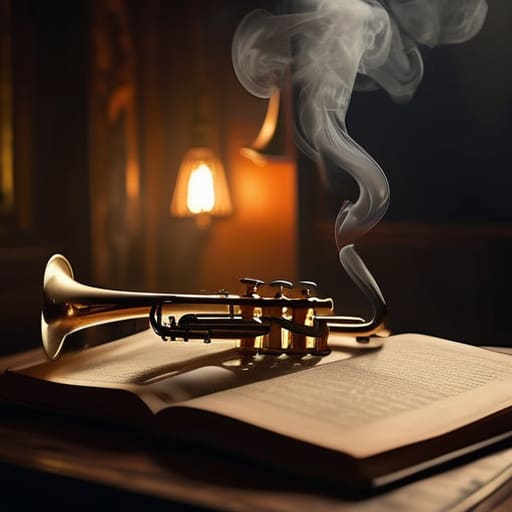
  • Exploring the History of Jazz Through Literature

    Exploring the History of Jazz Through Literature

    I’ve spent most of my life tucked away in quiet archives, surrounded by the scent of aging paper and the weight of recorded time. I’ve always felt that we are far too quick to move through our lives, rushing from one obligation to the next without ever truly listening to the world around us. We often treat music as mere background noise, a fleeting thing to fill a silence, rather than a living, breathing history. If you’ve ever felt that hunger to understand the roots of those midnight melodies, you know that finding the right books about jazz history can feel like searching for a lost melody in a crowded room. You don’t just want facts; you want to feel the vibration of the era.

    In the following pages, I have selected five particular works that I believe capture the true essence of the genre. These aren’t just dry academic texts; they are windows into the smoky rooms and the unraveling brilliance of the souls who shaped our sound. I hope these selections help you slow down, pour a drink, and rediscover the stories that stay with you long after the final note has faded into the night.

    Table of Contents

    The Architect of the Blue Note

    The Architect of the Blue Note biography.

    There is a certain weight to a biography that doesn’t just list dates, but actually captures the breath between the notes. When I sit down with a well-researched life of Miles Davis, I feel like I’m sitting in the back of a smoke-filled club in 1959, watching the evolution of an era unfold in real-time. It isn’t just about the trumpet; it’s about the sheer, uncompromising will to reinvent oneself when the world expects you to stay still.

    Mapping the Rhythm of the Streets

    Mapping the Rhythm of the Streets.

    To understand jazz, one must understand the geography of the cities that birthed it. I’ve always felt that certain books act as more than just reading material; they are urban maps of a lost world. When you read about the migration of sound from New Orleans up to Chicago and eventually to the streets of Harlem, you aren’t just learning history—you are tracing the veins of a culture.

    The Oral History of the Groove

    The Oral History of the Groove book.

    There is something uniquely precious about a book that relies on the voices of those who were actually there. I’ve always preferred the unfiltered testimony of the musicians themselves over the polished prose of a detached academic. When you read an oral history, you hear the slang, the pauses, and the unvarnished truths that a traditional historian might accidentally smooth away.

    A Symphony of Ink and Paper

    Sometimes, the most profound way to learn about jazz is through the lens of those who tried to capture its essence in writing. I have a soft spot for the essays of the great jazz critics—the men and women who understood that describing a solo requires a special kind of poetry. They didn’t just report on what was played; they attempted to translate the ineffable feeling of a crescendo into words.

    The Soul in the Sheet Music

    While most people look to the players, I find myself drawn to the books that explore the very DNA of the composition. There is a quiet, scholarly beauty in understanding how a standard was constructed, piece by piece, until it became something immortal. It is the study of the skeleton beneath the skin, the structural elegance that allows the improvisation to soar so freely.

    Finding the Rhythm Between the Lines

    Don’t just look for dates and names; look for the stories that explain why a certain note felt like a revolution in a smoke-filled room.

    Let these books be a companion to your listening, a way to add layers of meaning to the records spinning on your turntable.

    Remember that history isn’t just something we archive in dusty boxes—it’s a living, breathing thing that we carry with us every time we sit down to listen.

    The Weight of the Page

    A good book on jazz isn’t just a collection of dates and names; it’s a way to sit in the quiet of your own living room and finally hear the ghosts of the musicians who once played through the smoke and the shadows.

    Petra Lindgren

    The Final Note

    Looking back through these pages, it is clear that jazz is never just a collection of notes on a staff; it is a living, breathing chronicle of human resilience and spontaneous grace. Whether you found yourself drawn to the gritty, street-level accounts of the bebop era or the more sweeping, academic surveys of the genre’s evolution, each of these books offers a different lens through which to view the music. They remind us that behind every iconic solo was a person navigating a complex world, finding freedom in the midst of friction. By engaging with these histories, you aren’t just studying a genre; you are tracing the very pulse of the twentieth century.

    As I close my notebook tonight, I find myself thinking about how much we miss when we move too quickly through our lives. These books are invitations to slow down, to sit in the quiet of your own home, and to let the stories of the masters settle into your bones. My hope is that you don’t just read these words and move on, but that they spark a desire to listen more deeply the next time you step into a dim club or drop the needle on a dusty record. Let the history stay with you long after the final chapter is closed, and remember that the most beautiful things in life are often those we take the time to truly notice.

    Frequently Asked Questions

    Where should I start if I want to understand the music without getting lost in a sea of academic dates and dry statistics?

    Don’t let the heavy textbooks intimidate you. If you want to avoid the dry statistics, start with the memoirs. Look for the stories told by the musicians themselves—the ones who describe the sweat on the bandstand or the way a specific melody felt in a crowded basement club. When you read about their lives, the history stops being a list of dates and starts being a living, breathing thing you can actually feel.

    Are there any particular memoirs that capture the actual feeling of being in those smoke-filled clubs during the height of the era?

    If you’re looking for that specific, heavy atmosphere—the scent of stale tobacco and the way the bass vibrates in your chest—you must read Miles: The Autobiography. It isn’t polished or polite; it’s raw and uncompromising, much like the man himself. For something more lyrical, look for Lady Sings the Blues. Ella’s words carry the weight of those late nights, capturing the ache and the triumph that only a dim club can hold.

    How can I find books that connect the evolution of jazz to the broader social shifts of the twentieth century?

    To find those connections, you have to look past the sheet music and seek out the memoirs and social histories. Don’t just search for “jazz theory”; look for books that place the musicians in the streets they walked. I often find the best answers in biographies that weave the rhythm of the music into the fabric of the civil rights movement or the Great Migration. Look for the stories where the music isn’t just a backdrop, but the heartbeat of the era.

  • Contemporary Poetry Collections for Quiet Evenings

    Contemporary Poetry Collections for Quiet Evenings

    I was sitting in a corner booth at a jazz club last Tuesday, the kind of place where the shadows are thick and the air smells faintly of old cedar and rain. I had a new volume of modern poetry collections spread out on the table next to my notebook, but I found myself staring at the ink rather than reading the words. There is a peculiar, modern pressure to treat poetry like a puzzle to be solved or a status symbol to be displayed on a coffee table, as if the meaning is hidden behind some impenetrable layer of academic jargon. But I’ve spent forty years in archives, and if there is one thing I know, it’s that true resonance doesn’t require a degree; it requires a quiet room and a willing heart.

    I’m not here to give you a lecture or a list of books that will impress your professors. Instead, I want to share the ones that actually stay with you when the lights go down and the world finally stops rushing. I’ll be guiding you through a few selections that offer more than just clever metaphors—they offer a place to rest. We are going to look for the poems that feel like a slow, intentional evening, focusing on the collections that possess a genuine soul.

    Table of Contents

    The Best Contemporary Poetry Books 2024 for Quiet Nights

    The Best Contemporary Poetry Books 2024 for Quiet Nights.

    I’ve always found that the best way to approach a new book is to wait for the house to settle—that moment when the hum of the refrigerator is the only thing left competing with your thoughts. This year, I’ve been particularly drawn to certain emerging literary voices that seem to understand the weight of silence. There is a specific collection by Ocean Vuong that feels less like reading and more like sitting in a dimly lit jazz club, where every word carries the resonance of a low bass note. It isn’t just about the rhythm; it is about the way these poets navigate the cracks in our modern lives.

    If you are looking for something more visceral, I would suggest exploring some of the more recent slam poetry anthologies. They offer a raw, rhythmic energy that contrasts beautifully with a quiet room, bringing a sense of urgent life to the page. For those of us who seek a bit of solace after a long day, there is a profound sense of poetry for emotional healing tucked within these contemporary lines. They don’t offer easy answers, but they do offer company, which is often much more valuable.

    Lyrical Verse Themes That Linger in the Dark

    Lyrical Verse Themes That Linger in the Dark

    When I sit in a corner booth with a glass of something amber and a new volume in my hands, I find myself drawn to certain recurring threads. It isn’t just about the rhythm of the words, but the weight they carry. Many of the best contemporary poetry books 2024 have moved away from the abstract detachment of the past, opting instead for a raw, visceral honesty. We are seeing a profound shift toward lyrical verse themes that grapple with the quiet fractures of the human experience—loss, the passage of time, and the strange, beautiful persistence of memory.

    There is a particular solace in reading about the struggle to remain whole in a fractured world. I often find that these pages serve as a form of poetry for emotional healing, offering a mirror to our own private shadows. These writers don’t try to fix the darkness; they simply sit in it with you, much like a slow jazz melody does. They remind us that there is a specific kind of grace found in acknowledging our vulnerabilities, making the silence of a lonely evening feel a little less empty and a little more like a conversation.

    How to Truly Listen to the Written Word

    • Give yourself permission to read slowly. Modern poetry isn’t a novel you rush through to reach the final chapter; it’s more like a jazz solo. You have to sit with the pauses and let the rhythm settle in your chest before moving to the next line.
    • Create a sanctuary for your reading. I find that a poem loses its teeth if read under the harsh, buzzing glare of a kitchen light. Find a dim corner, perhaps with a single lamp and a heavy chair, and let the environment match the weight of the words.
    • Keep a small notebook close by. Much like sketching the cornices of an old theater, jotting down a single striking phrase can help you capture the “soul” of a collection. It turns a passive moment into a lasting memory.
    • Don’t be afraid of the silence between stanzas. In my years in the archives, I learned that what isn’t recorded is often as important as what is. In poetry, the white space on the page is where the reader is invited to breathe and reflect.
    • Read aloud to hear the architecture. Even if you are alone in a quiet room, let the words vibrate in the air. Poetry was meant to be felt as much as seen, and hearing the cadence can reveal layers of meaning that the eyes might simply skip over.

    Reflections for the Night

    True poetry isn’t found in the rush of a quick read, but in the quiet moments when you allow a single line to settle in the room with you.

    Modern verse serves as a bridge between our frantic daily lives and the stillness we often forget to cultivate.

    Look for the collections that mirror the shadows and the light, focusing on the themes that remain long after you’ve closed the book and turned out the lamp.

    The Weight of a Single Page

    “A modern poetry collection isn’t just a book you read; it’s more like a well-worn jazz record—it’s the spaces between the words, the quiet pauses, and the way a single, sharp line can suddenly make the shadows in your living room feel a little more profound.”

    Petra Lindgren

    Finding the Resonance

    Finding the Resonance in contemporary poetry books.

    As we’ve wandered through these pages, it becomes clear that modern poetry isn’t just about clever wordplay or following a trend; it is about finding a vessel for the things we often struggle to say aloud. Whether you find yourself drawn to the raw, visceral themes of contemporary verse or the gentle, lyrical rhythms that mirror a quiet evening, these collections serve as more than just books. They are quiet companions in a world that often feels too loud. By exploring these diverse voices, we’ve seen how a single stanza can capture the weight of a memory or the fleeting beauty of a shadow, proving that the most profound connections often happen in the smallest, most intentional pauses.

    I often find myself closing my notebook after a long walk, thinking about how much of our lives we miss when we are simply moving from one task to the next. I hope these collections encourage you to do the same—to sit, to breathe, and to let a poem settle into your bones. Don’t feel the need to rush through the stanzas or master the meaning by the final page. Instead, let the words linger like the last notes of a jazz saxophone in a dim room. After all, the goal isn’t just to read, but to truly notice the beauty that remains when the world finally goes quiet.

    Frequently Asked Questions

    How can I tell if a contemporary collection is worth the time, or if it’s just modern noise?

    I’ve learned over the years that true substance doesn’t shout; it hums. When I open a new collection, I look for the spaces between the words—the silence that allows a thought to breathe. If the verses feel like they are rushing to reach a punchline or a social media trend, they are likely just noise. But if a poem makes you pause, forcing you to sit still in the dim light to process it, you’ve found something worth keeping.

    Do these modern poets still capture that same sense of timelessness found in the classics?

    It’s a question I find myself pondering often while sitting in the back corner of a jazz club. I don’t think they’re chasing the same ghosts as the classics, but they certainly capture the same stillness. The old masters dealt in marble and myth, whereas these modern voices find the eternal in the mundane—the way light hits a cracked window or the ache of a quiet city street. It’s a different kind of timelessness, perhaps, but just as profound.

    Is there a particular way to approach reading poetry when I'm looking for something to truly linger in my mind?

    I’ve always found that poetry shouldn’t be rushed, much like a slow jazz standard. Don’t treat it like a task to be completed. Instead, find a corner with decent light—or better yet, a single lamp—and read a single stanza. Then, just sit. Let the words settle like dust in an old archive. If a line strikes you, stop. Let it breathe. The meaning isn’t in the speed; it’s in the silence that follows.

  • Biographies of Musicians That Shaped Culture

    Biographies of Musicians That Shaped Culture

    I was sitting in a dusty corner of the university archives last Tuesday, surrounded by the scent of aging paper and vanilla, when I realized how much we miss when we rush. Most people approach the biographies of musicians as if they are checking items off a grocery list—looking for dates, chart positions, and the usual polished tales of sudden stardom. They treat these lives like data points to be consumed and discarded. But I’ve always found that the real truth doesn’t live in a list of accolades; it’s tucked away in the quiet, messy spaces between the notes, in the struggles that never made the press releases.

    I’m not here to give you a dry recitation of facts you could find on a Wikipedia page in thirty seconds. Instead, I want to guide you toward the stories that actually linger in the mind long after the record stops spinning. I promise to share my perspective on which books truly capture the human soul behind the melody and which ones are just hollow marketing. We are going to look for the grit, the heartbreak, and the unvarnished reality of the artists who taught us how to feel.

    Table of Contents

    Celebrity Musician Memoirs That Linger in the Dark

    Celebrity Musician Memoirs That Linger in the Dark

    There is a specific kind of magic found in reading celebrity musician memoirs late at night, when the rest of the world has finally gone quiet. It isn’t about the polished veneer you see on a stage under bright spotlights; it is about the cracks in the foundation. When I sit down with a well-worn autobiography, I am looking for those behind the music stories that the press missed—the quiet moments of doubt in a recording studio or the way a melody felt when it first arrived in a fever dream.

    I often find myself returning to these accounts to trace a particular musical evolution and legacy that transcends mere fame. Take, for instance, the way a songwriter describes the weight of a single lyric. It isn’t just trivia; it’s a window into the human condition. These pages offer more than just a timeline of hits; they provide a map of the soul. We aren’t just reading about stars; we are witnessing the beautiful, messy process of creation that leaves us feeling a little less alone in the dark.

    Behind the Music Stories We Often Overlook

    Behind the Music Stories We Often Overlook

    Sometimes, the most profound truths aren’t found in the glossy, hardbound accounts of superstars, but in the quiet spaces between the notes. I often find myself leaning more toward the behind the music stories that focus on the session players, the songwriters in the shadows, or the poets who never quite made it to the stadium lights. These accounts offer a different kind of truth—one that isn’t polished for public consumption but feels raw and deeply human.

    When I dig through old collections, I’m less interested in the statistics of a tour and more drawn to the musical evolution and legacy of those who shaped the sound of a generation from the periphery. There is a certain ache in reading about a composer who labored in solitude, or a lyricist whose words changed the world while they remained entirely unknown. These aren’t just entries in a catalog; they are the ghosts in the machine. To truly understand the history of a melody, we must look past the bright lights and find the hands that actually built the stage.

    How to Listen Between the Lines: Finding the Truth in a Life Story

    • Look past the polished prose. A great biography shouldn’t just tell you what happened on stage; it should tell you what the artist was feeling in the quiet, lonely hours of a tour bus at 3:00 AM.
    • Seek out the contradictions. If a musician sounds too perfect, they’ve likely left out the parts that actually matter. I find the most beauty in the accounts that admit to the mistakes, the missed notes, and the broken rhythms of a real life.
    • Cross-reference the shadows. As an archivist, I can tell you that one person’s truth is often another’s fiction. Read the memoirs alongside the journals or contemporary news reports to see where the legend ends and the human begins.
    • Pay attention to the setting, not just the sound. A biography that describes the smoky atmosphere of a basement club or the specific way the light hit a recording studio tells you more about the music than a list of chart positions ever could.
    • Read for the silence. Don’t just hunt for the scandals or the triumphs. The most profound insights often lie in the gaps—the things the artist was too afraid to write down, or the moments of stillness that shaped their entire sound.

    What Remains When the Music Stops

    Look past the polished stage personas and seek out the stories that reveal the quiet, human struggles behind the melody.

    A good biography shouldn’t just be a timeline of hits; it should feel like a conversation in a dim room, offering a glimpse into the soul of the era.

    Use these accounts not just to learn about fame, but to find reflections of our own search for meaning through the rhythm of a life well-lived.

    Beyond the Liner Notes

    A good biography isn’t just a collection of dates and chart positions; it’s the map of a person’s ghosts. It’s about finding those quiet, bruised moments between the applause where the real music actually happens.

    Petra Lindgren

    The Echoes That Remain

    Biographies titled The Echoes That Remain.

    As we close these pages, I find myself thinking less about the dates on a timeline and more about the heavy, beautiful weight of a life lived through sound. We’ve wandered through the polished memoirs of those in the spotlight and brushed against the quieter, more shadowed stories of the musicians who operated just out of view. Whether it is a grand autobiography or a dusty, forgotten account of a session musician, these biographies serve as more than just historical records; they are maps of the human spirit. They remind us that behind every iconic melody or sudden crescendo, there was a person navigating the same messy, complicated world we inhabit, searching for something meaningful to leave behind.

    So, as you head out into your own evening, I hope you don’t just rush toward the next destination. Take a moment to listen—not just to the music playing in the background, but to the stories that settle in the quiet spaces between the notes. Pick up a book that promises to tell you a truth, even if it’s a painful one, and let it sit with you. In a world that is constantly demanding we move faster, there is a profound, quiet rebellion in slowing down to truly understand the souls who shaped our culture. Let the music linger, and let the stories stay with you long after the lights go up.

    Frequently Asked Questions

    How can I tell the difference between a musician's true reflections and the polished version they want the world to see?

    You have to look for the cracks. A polished memoir is often just a press release bound in leather, designed to protect a legacy. To find the truth, look for the moments where the rhythm breaks—the unexpected pauses, the admissions of shame, or the details that don’t serve their “brand.” The truth isn’t in the triumphant stadium solos; it’s in the quiet, messy descriptions of the lonely hours between the notes.

    Are there specific biographies that capture the atmosphere of a certain era better than a history textbook ever could?

    Textbooks give you the dates and the names, but they rarely give you the smell of the smoke or the tension in the air before a set. If you want to feel the grit of the 1950s jazz scene, pick up something like Nat King Cole’s memoirs. It’s not just a timeline; it’s the texture of a world that felt much larger, and much more fragile, than any history book could ever convey.

    Which lesser-known artists have written accounts that reveal the real grit behind the glamour of the stage?

    If you’re looking to peel back the velvet curtain, look toward the fringes. I’ve always found more truth in the memoirs of bluesmen and jazz sidemen than in the polished tales of superstars. Look for accounts by folks like Sister Rosetta Tharpe or the gritty, unsung chronicles of session musicians. They don’t write about the fame; they write about the long drives, the smoky basement clubs, and the sheer, exhausting grit it takes to keep the music playing.

  • Great Historical Fiction Novels to Lose Yourself in

    Great Historical Fiction Novels to Lose Yourself in

    I’ve spent a good portion of my life tucked away in archives, surrounded by the dust of centuries and the silent weight of paper records. But as I’ve grown older, I’ve realized that while facts tell us what happened, it is the stories that tell us how it felt. We live in such a frantic, hurried age, often rushing through our evenings without a second thought for the shadows cast by those who came before us. Finding the best historical fiction isn’t just about passing the time; it’s about finding a way to bridge the gap between the sterile dates in a textbook and the pulse of a living, breathing era.

    In the following pages, I’ve gathered five selections that I believe truly honor that connection. These aren’t just mere stories; they are carefully crafted windows into the past that demand your full attention. I want to guide you toward books that don’t just entertain, but actually linger in your mind long after you’ve closed the cover and turned out the lamp. My hope is that these five pieces will help you find those quiet, transformative moments that make a long evening feel profoundly worthwhile.

    Table of Contents

    The Weight of Memory in 'The Shadow of the Wind'

    The Weight of Memory in 'The Shadow of the Wind'

    There is a particular kind of magic that happens when a book manages to feel like a lost relic you stumbled upon in a dusty corner of an archive. Carlos Ruiz Zafón achieves this with effortless grace, pulling you into a post-war Barcelona that feels as thick and atmospheric as the smoke in a midnight jazz club. It isn’t just a story about a boy and a secret library; it is a love letter to the very idea of preserving what matters.

    Echoes of Empire in 'Wolf Hall'

    Echoes of Empire in 'Wolf Hall' text.

    If you prefer your history with a bit more grit and a lot more political maneuvering, Hilary Mantel’s work is unparalleled. She doesn’t just write about the Tudor court; she reconstructs the very texture of power. Reading her descriptions of Thomas Cromwell feels less like reading fiction and more like peering through a cracked lens into a world of high stakes and even higher shadows.

    A Symphony of Survival in 'All the Light We Cannot See'

    A Symphony of Survival in 'All the Light We Cannot See'

    Anthony Doerr has a way with words that reminds me of the delicate process of restoring a damaged photograph. In ‘All the Light We Cannot See,’ he captures the fractured beauty of occupied France with such precision that you can almost smell the salt air and the damp earth. The narrative weaves together the lives of a blind French girl and a German boy, creating a tapestry of connection amidst the chaos of war.

    The Quiet Ache of 'A Gentleman in Moscow'

    There is something deeply comforting about the idea of finding one’s purpose within a confined space. Amor Towles presents us with Count Alexander Rostov, a man sentenced to house arrest in a grand hotel during the Soviet era, and turns a limitation into a masterclass in living well. The hotel becomes a microcosm of a changing world, a stage where every meal and every conversation carries significant weight.

    The Haunting Resonance of 'Alias Grace'

    Margaret Atwood has always had a knack for digging into the psychological depths that most authors are too timid to touch. In ‘Alias Grace,’ she takes a real historical mystery and turns it into a labyrinth of memory and doubt. As we navigate the life of Grace Marks, we are never quite sure where the truth ends and the performance begins, which is exactly where the brilliance lies.

    Finding Meaning Between the Pages

    Don’t just read for the plot; look for the textures of the era and the small, human details that make the past feel alive.

    Let these stories serve as a quiet rebellion against our modern rush, giving you permission to slow down and linger.

    The best books aren’t just consumed—they are felt, leaving a resonance in your mind long after you’ve closed the cover.

    The Echo of the Past

    A truly great historical novel isn’t just a collection of dates and dusty facts; it’s the ability to hear the footsteps of someone long gone walking through the same shadows we do today.

    Petra Lindgren

    The Echoes We Carry

    As I close my notebook tonight, I find myself thinking about the common thread that binds these stories together. Whether we were wandering through the soot-stained streets of Victorian London or feeling the tension of a mid-century jazz club through the pages, these books offer more than just a timeline of events. They provide a gateway to the human condition in all its messy, beautiful complexity. We’ve looked at works that don’t just recount the past, but rather breathe life into the shadows of history, ensuring that the names and faces of those who came before us are never truly lost to the dust of the archives.

    I hope you find a moment to settle in with one of these, perhaps with a glass of something amber and the low hum of a record spinning in the background. In a world that seems increasingly obsessed with the frantic pace of the next minute, there is a quiet rebellion in choosing to sit still with a story. Let these narratives remind you that we are all merely part of a much larger, longer melody. Don’t just read to pass the time; read to find the pieces of ourselves that have been waiting in the dark for centuries.

    Frequently Asked Questions

    How much historical accuracy should I expect from these stories, or is it alright if the authors take some creative liberties with the facts?

    It’s a delicate balance, isn’t it? As an archivist, my instinct is to reach for the primary sources, but a novel isn’t a ledger. If an author gets every date perfect but loses the soul of the era, the magic evaporates. I look for “emotional truth”—the way a room smelled or the weight of the silence in a crowded street. Let them bend the facts, as long as they don’t break the spirit of the time.

    Are there any particular eras or settings that lean more toward the atmospheric and moody rather than the strictly educational?

    If you’re looking to lose yourself rather than study for an exam, I’d steer you toward the fog-heavy streets of Victorian London or the crumbling elegance of post-war Europe. There is something about those eras—the gaslight, the shadows, the sense of a world rebuilding itself—that lends itself beautifully to mood. They offer a certain weight, a texture you can almost feel, that prioritizes the ache of the setting over a dry recitation of dates.

    For someone who prefers a slower, more character-driven pace, which of these would you say offers the most emotional depth?

    If you’re looking to truly settle in, I’d steer you toward the third one. It doesn’t rush to the grand spectacle; instead, it lingers in the quiet, heavy moments between people. It’s the kind of writing that feels like a low cello note—steady, resonant, and deeply felt. For someone who values the slow burn of a character’s soul over mere plot, that’s the one that will stay with you long after you close the cover.