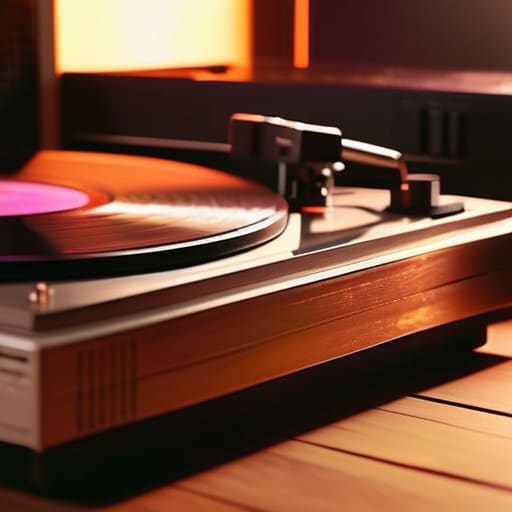
I was sitting in a dim corner of a basement jazz club last Tuesday, watching a young man try to curate a “vintage” vibe by stacking expensive, overpriced designer speakers that looked more like modern sculptures than musical instruments. It struck me then how much we’ve lost the actual soul of retro music aesthetics in our rush to buy the look of the past without any of its substance. People seem to think that chasing this aesthetic means spending a fortune on mid-century modern furniture and neon signs, but they’re missing the point entirely. To me, it isn’t about how much your turntable costs; it’s about the way the light hits the dust motes in the air when a needle finally finds its groove.
I’m not here to sell you on a lifestyle brand or a shopping list of trendy decor. Instead, I want to share what I’ve learned from forty years of handling delicate records and sitting in the shadows of great venues. I promise to show you how to cultivate a space where the music actually settles into your bones. We’re going to focus on the small, intentional details—the warmth of the light, the texture of the sound, and the art of the slow evening—that truly make a room feel alive.
Table of Contents
The Warmth of Analog Sound Characteristics
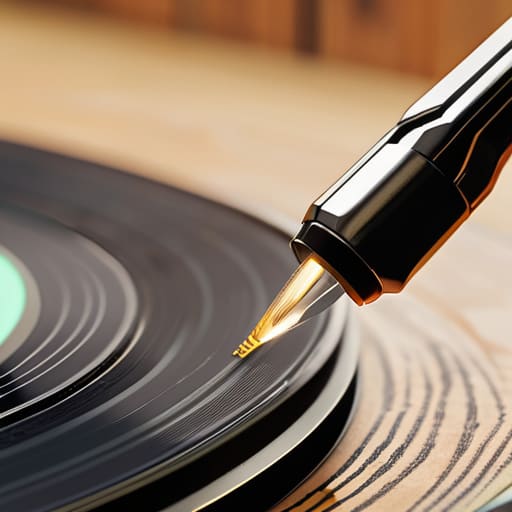
There is a specific kind of magic that happens when the needle finally meets the groove. It isn’t just about the music; it’s about the physical ritual of it all. Unlike the sterile, perfect clarity of a digital stream, analog sound characteristics carry a certain weight—a subtle warmth and a breathiness that feels almost human. I’ve always found that the slight crackle of a well-loved disc doesn’t interrupt the experience; rather, it grounds it. It reminds you that the sound is actually occupying the room with you, rather than just passing through your ears.
I often sit in my study, surrounded by my collection, and realize that much of our modern obsession with the past stems from this desire for texture. Whether it is the heavy, saturated tones of a cassette tape or the rich resonance of a tube amplifier, we are searching for something tangible. This deep-rooted vinyl record culture offers a sense of permanence that a file on a hard drive simply cannot replicate. When you hear that low-end hum, you aren’t just listening to a song; you are witnessing a moment of imperfect, beautiful reality.
Vinyl Record Culture and the Art of Slowing Down
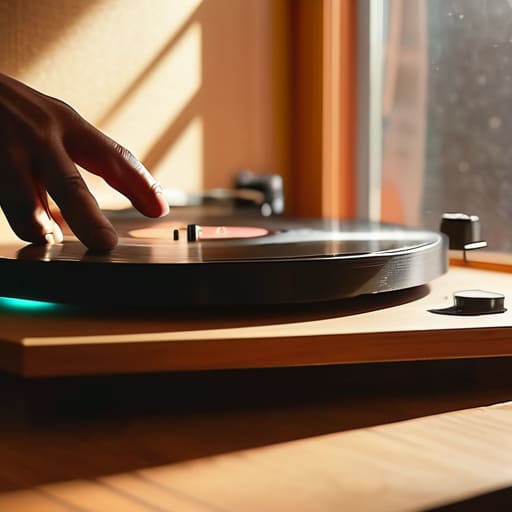
There is a specific kind of ritual involved in handling a record that a digital file simply cannot replicate. I remember sitting in my small apartment decades ago, carefully sliding a sleeve out of its jacket, mindful of the dust and the weight of the moment. This is the heart of vinyl record culture—it isn’t just about the music, but the tactile ceremony of it. You have to sit down. You have to commit. You can’t just shuffle through a thousand songs while you’re doing the dishes; the medium demands that you actually listen.
When I pull a worn sleeve from the shelf, I find myself studying the liner notes and the heavy cardstock, much like I used to examine old maps in the archives. It forces a pause in an otherwise frantic world. There is something deeply grounding about the physical act of placing the needle, watching the platter spin, and waiting for that first crackle to break the silence. It teaches us that the best things in life aren’t meant to be consumed at high speed, but rather savored in the quiet spaces between the tracks.
Small Rituals for a More Intentional Evening
- Let the light do the heavy lifting. I’ve found that harsh overhead lighting is the enemy of good sound; instead, rely on the soft amber of a floor lamp or a few well-placed candles to let the room settle around the music.
- Curate your physical space, not just your playlist. There is a profound difference between tapping a screen and pulling a sleeve from a shelf; surround yourself with the art and the liner notes that make the music feel like a tangible companion.
- Embrace the imperfections. Don’t reach for the digital filter to clean everything up; the slight crackle of a worn groove or the hiss of a cassette tape provides a texture that reminds us the music is alive and breathing.
- Create a dedicated listening station. Even if it’s just a single chair placed near your turntable, having a specific spot where you sit without a phone in hand changes the way you hear the nuances in a bassline.
- Match your surroundings to the tempo. If you’re putting on some mid-century jazz, don’t leave the room cluttered with modern distractions; clear a small space, perhaps keep a sketchbook nearby, and allow the atmosphere to dictate your pace.
Small Rituals for a Meaningful Evening
Let the physical act of handling a record—the weight of the sleeve and the careful placement of the needle—serve as your transition from the rush of the day into a state of presence.
Prioritize the imperfect textures of analog sound over digital convenience; it is the subtle crackle and warmth that truly invite you to sit still and listen.
Curate your environment with intention, using dim lighting and tactile objects to create a space where music isn’t just background noise, but the centerpiece of your evening.
The Soul in the Static
“There is a certain kind of honesty in a crackle between tracks; it reminds you that the music isn’t just a stream of data, but a physical thing that lived, breathed, and occupied the same air you’re breathing right now.”
Petra Lindgren
The Echoes That Remain
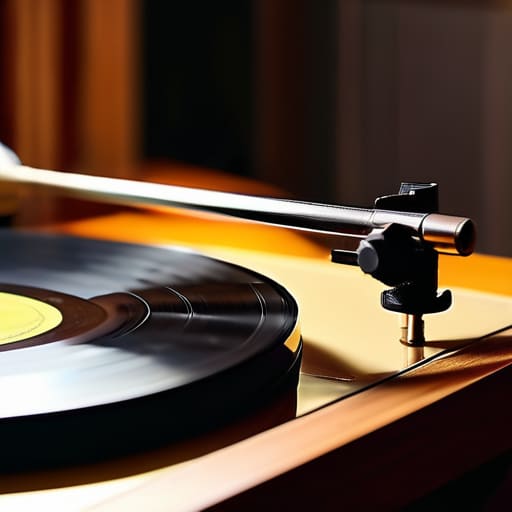
As we’ve explored, chasing a retro aesthetic isn’t about mere decoration or mimicking a decade we never lived through; it is about reclaiming the sensory depth that modern convenience has quietly stripped away. By embracing the tactile crackle of a needle hitting wax and the imperfect, honeyed warmth of analog sound, we create a sanctuary against the digital noise. We find that when we intentionally curate our surroundings—from the soft amber glow of a lamp to the deliberate ritual of flipping a record—we aren’t just listening to music; we are cultivating a space for presence.
I often find myself sitting in the quiet corners of old jazz clubs, watching the light catch the dust motes in the air, and I realize that these small, intentional details are what actually make a life feel substantial. Don’t let your evenings simply vanish into the blue light of a screen. Instead, I encourage you to find your own version of that analog stillness. Turn down the overhead lights, let the music settle into your bones, and remember that the most beautiful things in this world are often the ones that require us to slow down and truly listen.
Frequently Asked Questions
How can I begin building a collection of vintage records without feeling overwhelmed by the sheer volume of history out there?
Don’t try to archive the whole world in a single weekend. That’s how you lose the joy of it. Start with what moves you—a single jazz quartet or a folk singer who makes you pause. Visit a local shop, let your hands wander the sleeves, and listen to the shopkeeper’s stories. Buy one record that speaks to your soul, not one that fills a gap in a list. Build your sanctuary, one sleeve at a time.
Are there specific ways to set the lighting and atmosphere in a modern room to better complement the warmth of analog music?
You don’t need much—just enough to soften the edges of the room. I’ve always found that harsh overhead lights are the enemy of a good record. Instead, aim for low-level warmth. A single amber lamp near the turntable or a few well-placed candles can do wonders. You want shadows that dance slightly with the rhythm, creating a pocket of intimacy that lets the music breathe. It’s about setting a stage for the sound.
Beyond just the sound, how much does the physical ritual of handling a record contribute to the actual experience of listening?
It’s everything, really. In my years among the archives, I learned that the vessel matters as much as the contents. There is a quiet, sacred weight to pulling a sleeve from the shelf and feeling the texture of the cardboard. That brief moment of anticipation—the careful cleaning, the steady hand placing the needle—it forces you to be present. You aren’t just playing background noise; you are performing a ritual that demands your attention.
