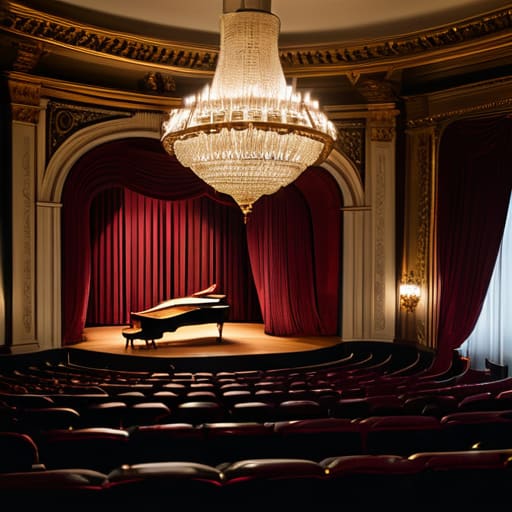
I remember sitting in the back of a drafty conservatory hall thirty years ago, clutching a notebook and feeling utterly lost amidst the high-society pretense. People often treat opera history as if it’s some gated garden, a collection of dusty dates and impenetrable scores meant only for those with the right pedigree or a massive bank account. They make it feel heavy, academic, and—frankly—exhausting. But as I sat there, watching the light catch the gold leaf on the ceiling, I realized the history isn’t in the textbooks; it’s in the raw, human ache of the melodies that have survived centuries of change.
I’m not here to lecture you on dry timelines or force-feed you a list of names you’ll forget by morning. Instead, I want to pull back the velvet curtain and show you the real heartbeat of the art form. We’re going to skip the pretension and look at the passion, the scandals, and the sweeping emotions that actually make these stories endure. My goal is to help you find your own way into the music, so that when the final note fades, you feel something that truly stays with you.
Table of Contents
Baroque Opera Origins When the First Notes Woke the Night
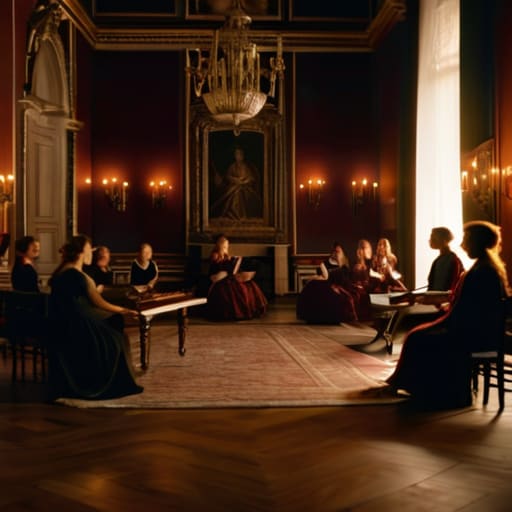
To understand where this all began, you have to imagine a Florence that was less about the frantic pace of modern life and more about the heavy, deliberate pursuit of beauty. In those late sixteenth-century salons, a small group of intellectuals—the Florentine Camerata—began to tinker with the idea that music shouldn’t just accompany a story, but should become the story itself. They weren’t looking for spectacle initially; they were looking for a way to breathe life back into the ancient Greek tragedies they so admired. This era marked the true baroque opera origins, a time when the monody—a single melodic line supported by simple chords—allowed the human voice to finally step out from behind the thick, complex textures of Renaissance polyphony.
It was a delicate, almost fragile beginning. As these performances moved from private chambers to public theaters, we see the first real glimpses of the evolution of operatic composition. The music began to stretch, finding new ways to mirror the jagged edges of human emotion, from the sharp sting of betrayal to the slow ache of longing. It wasn’t just about singing notes; it was about capturing the heartbeat of the drama before the curtain even rose.
The Evolution of Operatic Composition in Dimly Lit Halls
As the centuries turned, the music began to breathe with a different kind of intensity. We moved away from the rigid structures of the early days into something far more fluid and emotive. I often think about how the evolution of operatic composition mirrors the way a city changes—moving from the structured, stone-faced streets of the old town into the winding, passionate alleys of a more modern era. It wasn’t just about the notes anymore; it was about the weight of the human experience held within a single, sustained breath.
By the time we reached the height of the 19th century, the focus had shifted toward the sheer, breathtaking capability of the human voice. The rise of the bel canto singing technique transformed the stage into a place of profound intimacy. It wasn’t enough to simply tell a story; the singers had to weave a tapestry of sound that could pierce through the heavy velvet curtains and reach the very back of a darkened hall. It was in these moments, when the orchestra swelled and the soloist seemed to hover between earth and sky, that I truly understood why we seek out these dim lights in the first place.
How to Listen Between the Lines of History
- Don’t just listen for the melody; listen for the tension. When you study the transition from the Baroque era to the Classical, pay attention to how the music began to breathe with human emotion rather than just mathematical precision. It’s in those small, restless shifts that you find the heartbeat of the era.
- Visit the archives, or at least the digital ones. As a former archivist, I can tell you that reading a composer’s handwritten notes on a score tells a much more intimate story than any textbook. Seeing where they scratched out a note or sighed in the margins makes the history feel less like a timeline and more like a conversation.
- Pay attention to the architecture of the venues. An opera isn’t just sound; it’s the way that sound interacts with velvet, gold leaf, and heavy wood. To truly understand why certain compositions feel so grand, you have to imagine them filling a room designed specifically to carry a single soprano’s breath to the very back row.
- Contextualize the scandal. Every great movement in opera history was fueled by something—political upheaval, social defiance, or a breaking of taboos. If you want to understand why a piece sounds the way it does, look at what the people in the audience were forbidden from saying out loud at the time.
- Slow down your study. You can’t rush through the history of an art form that took centuries to refine. Pick one era, sit with a single recording, and let the atmosphere settle in your bones before you move on to the next. The real meaning is found in the lingering notes, not the rapid-fire facts.
What Remains After the Final Note
Don’t look at opera as a dry timeline of dates, but as a living, breathing map of how we’ve learned to express our deepest, most private aches and joys through song.
Notice how the shift from the grand, structured Baroque era to more intimate compositions mirrors our own human journey toward finding beauty in the smaller, more personal details.
The true value of these centuries-old performances isn’t found in the technical perfection, but in that rare, quiet moment when the music forces the world to stand still.
## The Weight of a Single Note
“When you study the history of opera, don’t look for dates or grand movements in a textbook; look for the moments where the music forced a room full of strangers to hold their breath in unison. That is where the real history lives—not in the scores, but in the shared silence between the notes.”
Petra Lindgren
The Final Note
Looking back through the centuries, it is clear that opera has never been just about the spectacle or the sheer volume of a soprano’s high note. We have traced its journey from those early, experimental Baroque gatherings to the grand, sweeping orchestrations that eventually filled the great halls of Europe. Each era—whether it was the structured elegance of the Classical period or the raw, unbridled emotion of the Romantics—was a response to the shifting heartbeat of society. We see in these scores a mirror of our own struggles, our triumphs, and our deepest longings, all preserved within the ink and parchment of history.
As I sit here tonight, sketching the heavy velvet curtains of this theater, I am reminded that we shouldn’t just listen to opera; we should let it settle into our bones. In a world that demands we move faster every single day, these long, dramatic arcs offer us a rare permission to simply be still. Don’t just rush through the performance to get to the applause. Instead, linger in the silence between the movements and let the echoes of the past remind you that some things are meant to be felt slowly. After all, the most beautiful melodies are the ones that stay with you long after the house lights have come up.
Frequently Asked Questions
How did the shift from private aristocratic courts to public opera houses change the actual feeling of the music?
When the music moved from the velvet-lined silence of a prince’s private salon into the boisterous energy of a public house, the soul of the sound shifted. It lost that polite, whispered intimacy and gained a certain grit. Composers began writing for the crowd, not just the crown. The melodies had to reach the back row, becoming bolder and more dramatic—designed to cut through the rustle of silk and the low hum of a living, breathing audience.
Are there specific, forgotten compositions that capture the intimacy of those early, candlelit performances?
I often find myself returning to Monteverdi’s L’Orfeo. It isn’t just the music; it’s the way those early melodies seem to breathe in the stillness. If you want that true, flickering-candle intimacy, look toward the smaller chamber cantatas of the late Baroque. They weren’t meant for grand, echoing cathedrals, but for quiet rooms where a single voice could hold the weight of the world. They demand you sit still and simply listen.
Beyond the grand spectacle, how did the role of the orchestra evolve to help tell these deeply human stories?
It wasn’t always about the sheer volume of the sound. In those early days, the orchestra was little more than a rhythmic heartbeat, supporting the singer. But as the years drifted by, the instruments began to find their own voices. They started to whisper the things the characters couldn’t say—the sudden ache of a heartbreak or the quiet tension in a room. The orchestra became the subtext, the very soul of the story.
