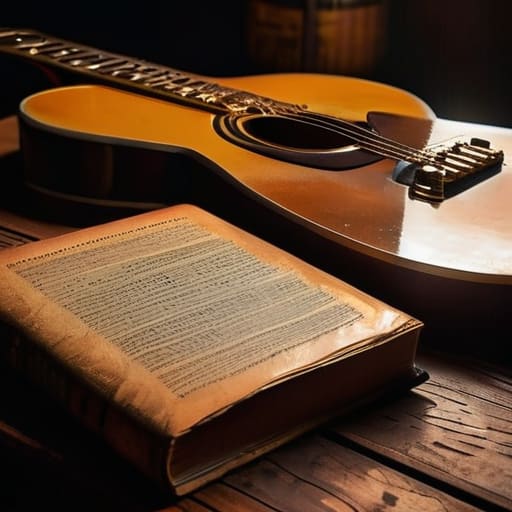
I remember sitting in a cramped, dim corner of a basement club in Chicago back in the late seventies, the air thick with the scent of stale bourbon and old floor wax. I wasn’t looking for a lecture; I just wanted to understand how a single guitar string could sound so much like a human sob. Most people think you need a PhD or a massive, leather-bound encyclopedia to truly grasp the genre, but honestly, many of those academic texts on books about the blues feel like they were written by people who have never actually felt the vibration of a bass note in their chest. They trade the raw, bleeding heart of the music for dry dates and dusty statistics, and frankly, it’s a waste of a good evening.
I’m not here to give you a syllabus or a list of dry academic papers. Instead, I want to share the stories and histories that actually linger in your mind long after you’ve turned out the lights. I’ve curated a selection of books about the blues that capture the grit, the grace, and the unvarnished truth of the people who gave us this music. We’re going to skip the hype and focus on the voices that stay with you.
Table of Contents
Tracing the Origins of Blues Music Through Paper

Tracing the origins of blues music through paper is, for me, much like walking through an old archive where the dust holds more weight than the air itself. There is a profound difference between hearing a recording and holding a text that maps out the African American musical heritage from which those notes were born. When I sit with certain blues music history books, I feel as though I am tracing the very veins of the Mississippi Delta, following the ink back to the crossroads where sorrow and resilience first met.
It isn’t just about dates or geographic movements; it is about understanding the quiet, heavy atmosphere of a world in transition. I often find myself lingering over Mississippi Delta blues literature because it captures the texture of the era—the humidity, the struggle, and the sheer necessity of the song. These pages offer more than mere facts; they provide a lens into the soul of a people. To truly grasp the roots, one must look beyond the melody and find the stories etched into the paper, for that is where the real history breathes.
Mississippi Delta Blues Literature for Quiet Nights

There is a particular kind of stillness that settles over a room when you dive into the heavy, humid history of the Delta. It isn’t just reading; it’s a slow immersion into the soil and the struggle that birthed a genre. When I sit down with certain works of Mississippi Delta blues literature, I feel as though I am sitting on a porch in Clarksdale, listening to the cicadas and the distant hum of a slide guitar. These pages don’t just offer facts; they offer the scent of rain on hot dust and the weight of a thousand unsaid things.
I often find myself reaching for biographies of blues legends when the evening feels particularly long. There is something profoundly moving about tracing a life from a cotton field to a recording studio, seeing the human heartbeat behind the myth. It reminds me that this music wasn’t born in a vacuum, but from a deep, resilient African American musical heritage that refused to be silenced. If you find yourself with a glass of something amber and a quiet corner, let these stories settle in. They are meant to be felt, not just read.
How to Curate Your Own Evening of Blue Notes and Ink
- Don’t rush the reading. Much like a slow blues progression, these books require you to sit with the silence between the words. Find a comfortable chair, perhaps near a lamp with a warm glow, and let the prose settle before you turn the page.
- Look for the footnotes and the marginalia. As a former archivist, I can tell you that the real magic often hides in the small details—the names of forgotten venues or the specific brand of a guitar string mentioned in passing. These are the threads that connect the story to reality.
- Pair your reading with the right atmosphere. If you are reading about the Delta, perhaps a scratchy vinyl record of Robert Johnson playing softly in the background will help the words find their way into your bones. Let the sound and the text bleed into one another.
- Keep a notebook close at hand. When a passage strikes a chord or a particular historical detail catches your eye, sketch it down. It isn’t just about recording facts; it’s about capturing how the music of the words made you feel in that specific moment.
- Seek out the biographies over the textbooks. While academic histories have their place, if you want to understand the soul of the blues, you must read the lives of the people who lived it. You want the grit, the sweat, and the heartache, not just a timeline of dates.
What to Carry With You
Don’t just read for the facts; read to feel the weight of the history, letting the prose settle in your mind like a low bass note.
Use these books as a companion for your slow evenings, pairing the written word with the crackle of a vintage record.
Look for the stories that bridge the gap between the dusty archives of the past and the living, breathing soul of the music we hear today.
The Weight of the Written Note
“A good book about the blues isn’t just a collection of facts or dates; it’s more like finding a worn, handwritten score tucked inside an old piano bench. It carries the dust of the Delta and the ache of a midnight session, reminding us that while the music may end, the story of why we needed it stays etched in the soul.”
Petra Lindgren
The Echoes That Remain

As we’ve wandered through these pages, from the dusty archives of the Delta to the written testimonies of the musicians themselves, it becomes clear that the blues is more than just a genre; it is a living, breathing chronicle of the human spirit. We have seen how the written word can act as a bridge, connecting the raw, unvarnished notes of a slide guitar to the historical truths that shaped our world. Whether you are tracing the lineage of a song through academic study or simply losing yourself in a memoir by a midnight performer, these books offer a way to anchor the music in something permanent. They ensure that the stories behind the songs don’t just vanish into the smoke of a crowded club, but remain etched in our collective memory.
I often find myself sitting in the corner of a dim lounge, notebook in hand, wondering how many stories are being told in the silence between the notes. My hope is that these recommendations serve as your own quiet companion on a rainy evening. Don’t feel the need to rush through them like a checklist; instead, let the prose settle into your bones just as a low bassline does. Pick up a volume, pour something slow, and allow yourself to really listen to what the history is trying to tell you. After all, the most profound melodies are often the ones we find when we finally stop rushing and start paying attention.
Frequently Asked Questions
Are there any specific memoirs by the musicians themselves that capture the real feeling of life on the road?
If you’re looking for the grit and the glory of the road, nothing beats a first-person account. I often find myself revisiting B.B. King’s Blues All Around Me. It isn’t just a memoir; it’s a roadmap of a life lived in rhythm. He captures that specific, lonely magic of late-night drives and the hum of the highway. It’s the kind of book that makes you want to turn out the lights and just listen.
Should I start with more academic histories, or would a collection of short stories better suit a slow evening?
That depends entirely on the rhythm of your evening. If you’re feeling the urge to understand the “why” behind the notes—to trace the lineage of a chord back to the soil—then an academic history will satisfy that curiosity. But if you’ve had a long day and simply want to feel the ache of the music, reach for the short stories. They offer fragments of soul that settle in much more deeply.
Can you recommend books that focus more on the connection between the blues and the architecture or landscape of the South?
There is a certain weight to the air in the Delta, a heaviness that seems to seep right into the wood of a porch or the red clay of a road. If you want to see how the landscape shapes the song, I’d suggest looking into works that treat the South not just as a setting, but as an instrument itself. Look for those accounts that describe the humidity, the sprawling cypress trees, and how the very bones of a building seem to echo a blues melody.
