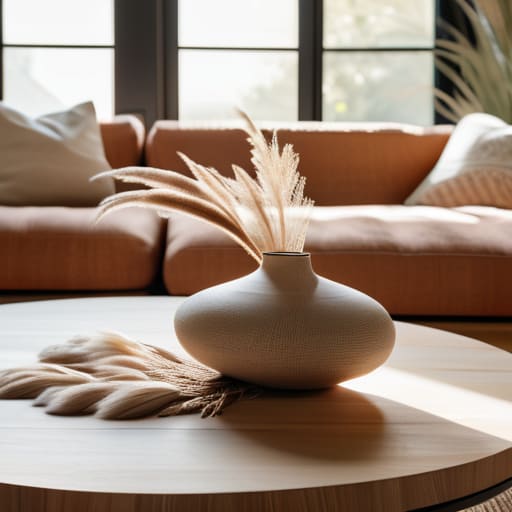
I was sitting in a dimly lit jazz club in Chicago last Tuesday, watching the way a single amber lamp caught the grain of a weathered oak table. It struck me how much we’ve lost to the frantic, polished perfection of modern trends. People spend a fortune chasing the latest, most sterile version of interior design aesthetics they see on a glowing screen, only to end up in a home that feels more like a showroom than a sanctuary. We are so obsessed with looking right that we’ve forgotten how a room is actually supposed to feel when the sun goes down and the world gets quiet.
I’m not here to sell you on expensive minimalism or the next fleeting color palette that will be obsolete by autumn. Instead, I want to share how you can curate a space that actually holds a life—one that prioritizes texture, light, and the quiet dignity of things that age well. I’ll guide you through choosing elements that invite a slower pace, moving past the superficiality of trends to find meaningful beauty that stays with you long after the lights are dimmed.
Table of Contents
Scandinavian Design Principles for Quiet Luminous Evenings
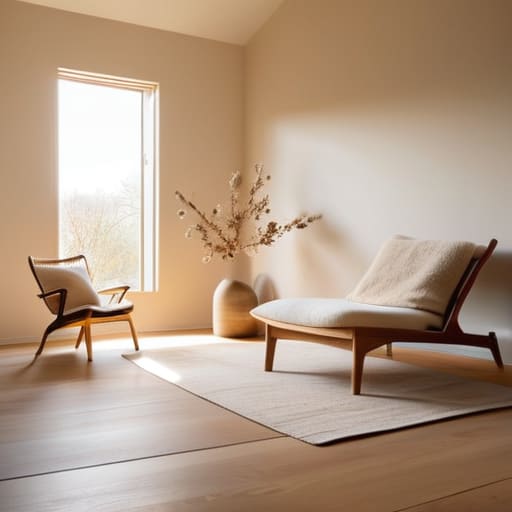
There is a particular kind of peace found in the restraint of Scandinavian design principles. Having spent years cataloging the cluttered archives of the past, I’ve grown to appreciate the breathing room that comes with a more intentional approach to a living space. It isn’t about emptiness; it is about making sure every object has a reason to exist. When you strip away the excess, you leave space for the light to dance across the floor and for the music to actually fill the room.
To capture this, I often find myself looking toward modern minimalist interior styles that prioritize natural textures—think light woods, soft linens, and stone. The goal is to create a backdrop that doesn’t compete with your evening. Instead of heavy, dark furniture that swallows the shadows, I prefer pieces that feel airy and grounded. By choosing soft color palettes for home styling, such as muted sands or pale greys, you create a canvas where the flicker of a single candle becomes the most important thing in the room. It’s a way of designing not just for the eyes, but for the soul.
Modern Minimalist Interior Styles That Invite Stillness
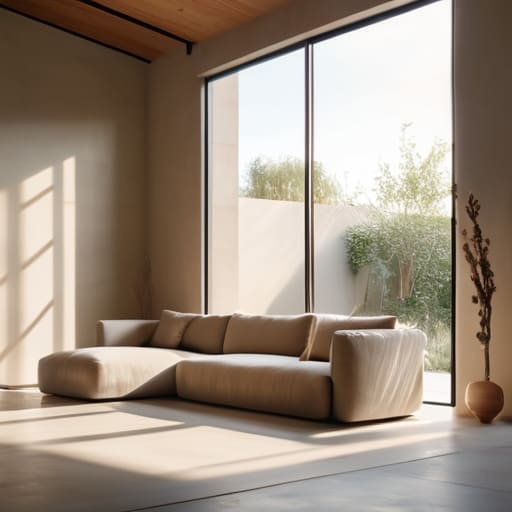
There is a certain quietude found in a room that refuses to compete for your attention. While some might find it sparse, I’ve always seen modern minimalist interior styles as a way to clear the mental clutter that accumulates during a long workday. When I walk into a space that favors clean lines and intentional voids, I feel my shoulders drop. It isn’t about owning less for the sake of a trend; it’s about ensuring that every object in your line of sight has earned its place.
To achieve this without making a home feel cold or clinical, I often look toward mid-century modern decor trends for inspiration. The warmth of a teak sideboard or the soft curve of a lounge chair provides a necessary soulfulness that pure minimalism sometimes lacks. By pairing these structured shapes with a few carefully chosen textures, you create a sanctuary that doesn’t just look organized—it feels deliberately still. It is in these uncrowded corners that we finally find the room to breathe, letting the evening unfold without the frantic noise of unnecessary things.
Small Adjustments for a More Intentional Atmosphere
- Prioritize soft, layered lighting over the harsh glare of overhead fixtures; a single well-placed lamp or a few amber-hued candles can transform a room from a mere space into a sanctuary.
- Introduce textures that demand to be touched, like a heavy wool throw or a worn leather chair, to ground your senses and pull you away from the digital hum of the day.
- Curate your surfaces rather than cluttering them, leaving intentional “empty” spaces that allow the eye—and the mind—to rest without distraction.
- Incorporate elements with a sense of history, perhaps a vintage brass tray or a weathered wooden table, to lend your home a soul that feels earned rather than merely purchased.
- Mind the acoustics of your room by using rugs or heavy drapery to dampen the sharp edges of sound, creating a quiet stage for your favorite jazz records to truly breathe.
Finding the Soul in Your Surroundings
Stop decorating for the eyes and start designing for the mood; a room should feel like a soft jazz record, not a bright fluorescent office.
Prioritize texture and warmth over sheer emptiness, choosing materials that invite you to linger rather than just pass through.
Remember that the most important element of any space is the permission it gives you to finally slow down and breathe.
## Beyond the Surface
“We often mistake decoration for design, but true aesthetics aren’t about how a room looks under bright lights; they are about how a space holds you when the sun goes down and the music starts to play.”
Petra Lindgren
The Soul of the Space
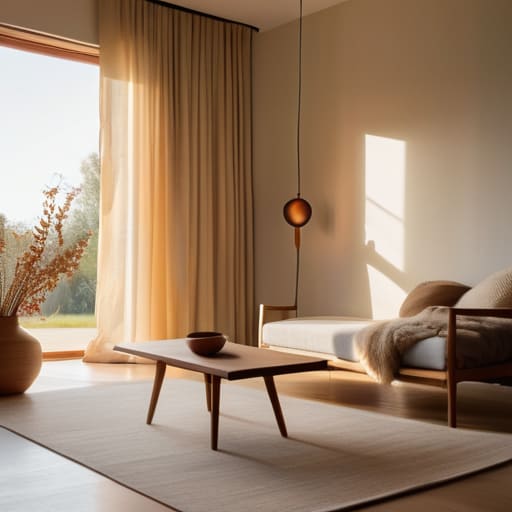
As we’ve wandered through the clean lines of Scandinavian warmth and the quiet discipline of modern minimalism, a common thread becomes clear: your home shouldn’t just be a collection of expensive objects, but a curated backdrop for your life. Whether you find solace in the soft, luminous textures of the North or the intentional stillness of a minimalist room, the goal remains the same. It is about selecting pieces that serve a purpose beyond mere decoration—elements that work together to soften the edges of a long day and provide a sanctuary from the frantic pace of the world outside. After all, an aesthetic is only as good as the way it makes you feel when the sun finally dips below the horizon.
In the end, don’t get too caught up in the catalogs or the fleeting trends that seem to change with every passing season. A room is not a museum; it is a living, breathing vessel for your memories and your quietest moments. I have spent my life cataloging the past, and if there is one thing I have learned, it is that the most beautiful spaces are those that allow for unhurried presence. So, dim the lights, put on a record, and let your surroundings invite you to simply be. The most important design choice you will ever make is deciding to finally, truly, slow down.
Frequently Asked Questions
How can I transition a space from the bright, productive energy of the day into something more soulful and dim for the evening?
It’s all about the layers. During the day, we need that sharp, functional clarity to get things done, but the evening requires a different kind of permission. I always start by putting away the overhead lights—those harsh, clinical glows are the enemy of a good mood. Instead, I reach for small lamps, a single candle, or even a low-burning lamp tucked into a corner. It’s about creating pools of warmth that let the shadows breathe.
Is it possible to incorporate vintage or storied pieces without making a modern room feel cluttered or disorganized?
It is not only possible; it is essential. A room filled only with the new feels hollow, like a recording without any warmth in the mid-tones. The trick is to treat a storied piece like a solo in a jazz set—it should stand out, not compete. Pick one or two items with real soul—a heavy oak bureau or a weathered lamp—and let them breathe. Surround them with space, and they become anchors rather than clutter.
Beyond just furniture, what small, tactile details help create that sense of intentionality and stillness in a home?
It’s the things you touch when the house is quiet that truly matter. I find it in the weight of a heavy ceramic mug against my palms or the grain of a well-worn wooden tray. Don’t overlook the sensory: a linen throw that feels substantial, the soft click of a brass lamp, or even the scent of beeswax. These aren’t just objects; they are anchors that pull you back into the present moment.
