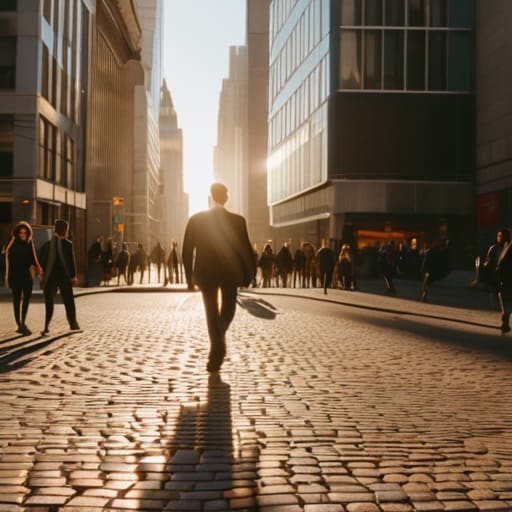
I remember sitting in a corner booth at a jazz club in Detroit last autumn, the air thick with the scent of old wood and rain-dampened wool. I wasn’t even looking through a lens; I was just watching the way the amber light caught the rim of a glass and the tired, beautiful slump of a saxophonist’s shoulders. It struck me then that most of the modern street photography tips being peddled online are utterly hollow. They obsess over aperture settings and the latest high-speed sensors, as if a more expensive piece of glass could somehow manufacture soul. They want you to chase the spectacle, but they forget that the most profound moments happen in the quiet, unscripted pauses between the noise.
I’m not here to give you a technical manual or a checklist of gear you don’t need. Instead, I want to share what forty years of observing the world has taught me about finding the heartbeat of a city. I’ll offer you a few honest, experience-based perspectives on how to slow down, how to see the shadows, and how to capture those fleeting details that actually stay with you long after you’ve returned home.
Table of Contents
Mastering Street Photography Lighting in the Dimly Lit Shadows
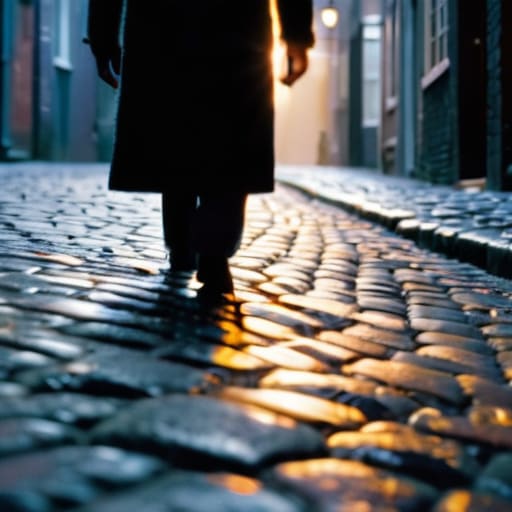
I’ve always found that the most honest stories aren’t told in the harsh glare of high noon, but in those quiet, bruised hours of twilight. When you’re working with street photography lighting in these low-light environments, you have to stop fighting the darkness and start working with it. I often find myself leaning against a brick wall, waiting for a single streetlamp to catch the edge of a passerby’s coat. It isn’t about illuminating everything; it’s about deciding what deserves to be seen and what should remain a mystery in the shadows.
Don’t let the lack of light intimidate you into staying home. Instead, think of the shadows as your primary tool for composition in urban photography. A well-placed silhouette can say more about the loneliness of a city than a perfectly lit, clear shot ever could. I’ve learned that if you chase the light rather than the subject, the moment usually finds you. Just remember to stay patient—the best frames often require a bit of stillness and a willingness to let the gloom do the heavy lifting.
Finding Rhythm Through Composition in Urban Photography
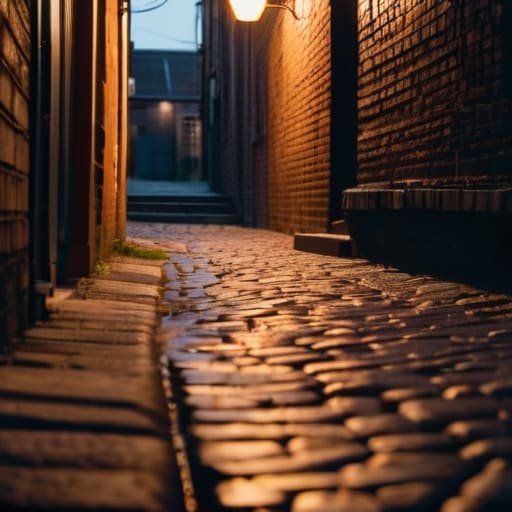
When I walk through the city at dusk, I don’t just see buildings and sidewalks; I see a visual tempo. Much like the syncopated beat of a Miles Davis record, a great photograph relies on a certain sense of timing and placement. To me, effective composition in urban photography isn’t about following a rigid rulebook of lines and grids. Instead, it’s about finding the natural flow of the crowd—the way a stranger’s silhouette leans into a doorway or how the geometry of an alleyway guides the eye toward a single, glowing streetlamp.
You have to learn to anticipate the beat before it hits. I often find myself standing still for several minutes, watching how the movement of the city interacts with the stillness of the architecture. It’s in these quiet moments of observation that you truly begin capturing street life in a way that feels intentional rather than accidental. If you rush, you miss the cadence. You must wait for that moment when the human element aligns perfectly with the shadows, creating a frame that feels less like a snapshot and more like a stilled note of music.
Small Gestures and Quiet Moments: Finding the Soul of the Street
- Stop looking for the grand spectacle. The most profound stories aren’t found in the neon signs or the crowded intersections, but in the way a stranger adjusts their coat against the wind or the quiet stillness of a man reading a newspaper in a corner booth. Look for the small, human pauses.
- Learn to embrace the grain. In my years working with old records, I learned that a little bit of surface noise gives a song its character. Photography is no different; don’t be afraid of a little shadow or a bit of film grain. It adds a texture that a perfectly clean, digital image simply cannot replicate.
- Become a fixture, not a predator. People can sense when a lens is hunting. I prefer to find a good spot—perhaps a bench near a jazz club or a quiet stoop—and just sit. When you stop acting like a visitor and start acting like a witness, the city begins to reveal its true self to you.
- Listen before you shoot. This might sound strange for a visual medium, but the rhythm of a street is audible. The tempo of footsteps, the distant hum of a bass line, the hiss of a bus—these sounds set the mood. If you can hear the rhythm of the street, you’ll know exactly when to press the shutter.
- Respect the silence. There is a sanctity to certain urban moments. If you find yourself in a space that feels heavy with history or quiet with intention, treat it with care. A photograph should feel like a shared secret, not an intrusion. Capture the moment, but leave the dignity of the subject intact.
The Quiet Essentials of a Meaningful Frame
Don’t let the rush of the city dictate your pace; the most profound stories are often found in the stillness of a subject waiting for a light to change or a shadow to settle.
Look beyond the obvious subjects and start searching for the textures and rhythms—the way a coat hangs in a doorway or the geometry of a fire escape—that give a street its unique soul.
Remember that your camera is merely a tool for observation, not just documentation, so focus on capturing the feeling of the moment rather than just the perfection of the technical shot.
The Quiet Observation
“A good photograph isn’t about capturing a moment that happened; it’s about capturing the feeling that remains when the crowd has moved on and the street has gone quiet again.”
Petra Lindgren
The Final Frame
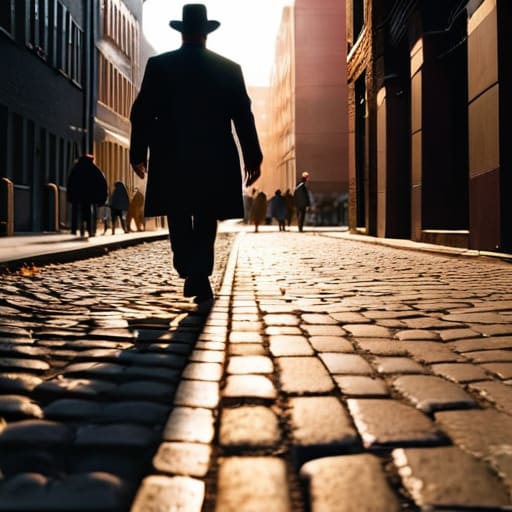
As you pack your camera away and step back into the flow of the city, remember that these techniques are merely tools to help you see what was already there. We’ve talked about how to dance with the shadows, how to find a steady rhythm in the chaotic geometry of a street corner, and how to wait for that perfect, fleeting moment of light. But more than that, street photography is about learning to observe rather than just looking. Whether you are adjusting your exposure for a dim alleyway or composing a shot around a passing stranger, the goal is to capture the essence of a moment that will never happen quite the same way again.
In the end, I hope you realize that the most profound images aren’t always the ones with the sharpest focus or the most dramatic lighting. They are the ones that hold a certain quiet truth. Don’t be so preoccupied with the technical perfection of your settings that you forget to actually feel the pulse of the street beneath your feet. Put the camera down every once in a while. Let the evening wash over you. After all, the most beautiful scenes are often the ones we experience with our own eyes, long before we ever think to press the shutter.
Frequently Asked Questions
How do you manage to stay patient when the light is fading and the perfect moment seems just out of reach?
I’ve learned that patience isn’t about waiting for the light; it’s about settling into the atmosphere. When the sun dips and that “perfect” shot feels like it’s slipping away, I stop chasing the subject and start listening to the street. I pull out my notebook, find a quiet corner, and let the shadows settle. If you stop fighting the fading light and start embracing the mood it creates, the moment usually finds you.
When you're out in the city, how do you decide which fleeting details are worth capturing and which are just noise?
It’s a matter of resonance, really. I don’t look for the loudest thing on the street; I look for the thing that feels like a quiet note in a jazz solo. If a shadow falls across a doorway in a way that feels intentional, or if a stranger’s posture tells a story without a word, that’s worth my time. If it doesn’t make me pause and breathe, it’s just noise.
Is there a way to capture the soul of a place without feeling like you're intruding on someone's private evening?
It’s a delicate dance, isn’t it? I’ve always found that if you approach the scene with reverence rather than hunger, people feel it. Don’t hunt for a subject; instead, settle into the environment. Let the city reveal itself to you. When you focus on the way a shadow falls across a doorway or the silhouette of a lone figure against a neon sign, you aren’t intruding—you’re simply witnessing.
