Author: Petra Lindgren

  • Books Perfect for a Slow and Mindful Evening

    Books Perfect for a Slow and Mindful Evening

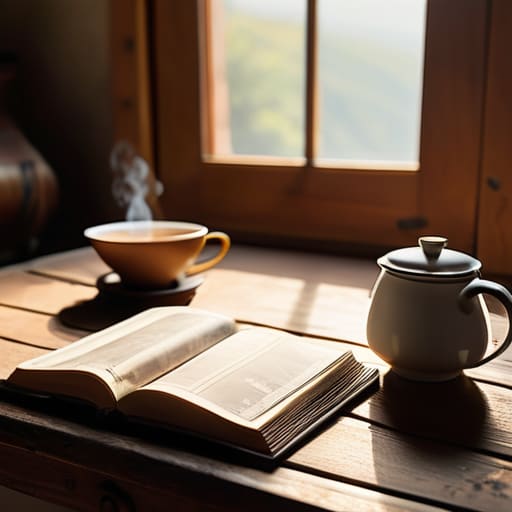
    I was sitting in a corner booth of a jazz club last Tuesday, the kind of place where the air feels heavy with history and the lighting is unapologetically dim. I watched a young man at the next table try to rush through a paperback between sets, his eyes darting toward his phone every few minutes as if he were checking a stopwatch. It struck me then how much we’ve lost the ability to simply be with a story. We treat reading like a task to be completed, a box to be checked, rather than an experience to be inhabited. We are constantly searching for the “fastest” way to consume culture, but there is a profound, quiet dignity in seeking out books for slow reading—the kind that don’t just tell you a plot, but demand you sit still and feel the weight of every sentence.

    I’m not here to give you a list of trendy bestsellers or tell you that reading more pages will somehow make you more enlightened. Instead, I want to share the titles that have actually stayed with me long after the lamp was turned off. I will guide you toward stories that require a certain level of patience, the kind of prose that rewards a deliberate pace and a quiet room. Let’s stop racing toward the final chapter and start finding the beauty in the linger.

    Table of Contents

    Savoring Books With Immersive Prose and Soft Light

    Savoring Books With Immersive Prose and Soft Light

    There is a particular kind of magic found in books with immersive prose, the sort that doesn’t just tell a story but builds a room around you. I often find myself sitting in the corner of a quiet lounge, a single lamp casting a warm glow, lost in sentences that demand I slow my breathing to match their rhythm. When a writer masters the art of the sentence, you stop scanning for plot points and start noticing the texture of the words themselves. It becomes a form of slow living through books, where the goal isn’t to reach the final chapter, but to inhabit the space between the lines.

    I’ve always believed that certain stories require a certain environment to truly breathe. You cannot rush through a beautifully crafted passage any more than you can rush a Miles Davis solo. Instead, I lean into these contemplative literature recommendations by letting the world outside the page blur into insignificance. It is about finding those rare, heavy volumes that act as an anchor, pulling you away from the frantic pace of the modern day and into a state of quiet, intentional presence.

    Slow Living Through Books and Quiet Evenings

    Slow Living Through Books and Quiet Evenings

    There is a particular kind of stillness that settles in around ten o’clock, once the hum of the city begins to soften. I find that this is the most honest time for slow living through books. It isn’t just about the act of turning pages; it is about the intentionality of the setting. I often find myself reaching for my notebook to jot down a particularly striking sentence, much like I used to document the fading details of a dusty manuscript in the archives. When we treat reading as a ritual rather than a task to be completed, the world outside the window seems to lose its frantic edge.

    To truly engage with contemplative literature recommendations, one must commit to the quiet. I’ve learned that if you try to rush through a dense chapter while your phone is buzzing on the side table, you miss the very texture that makes the writing worthwhile. Instead, I prefer to lean into the silence, letting the prose dictate the pace of my evening. It is a way of reclaiming one’s attention, turning a simple hobby into a profound moment of personal sanctuary.

    How to Truly Settle Into a Story

    • Curate your environment before you open the first page. A book isn’t just text; it’s an experience that requires a certain atmosphere. Dim the overheads, light a single candle, and perhaps put on a low-fidelity jazz record to soften the edges of the room.
    • Leave the digital world at the door. I’ve found that even the mere presence of a smartphone on the side table acts as a silent interruption to the rhythm of a good sentence. If you want to inhabit a world, you cannot be half-tethered to another one.
    • Read with a pencil in hand. Much like my old days in the archives, I find that marking a passage or jotting a thought in the margin forces you to engage with the prose rather than just skimming it. It turns reading from a passive act into a conversation.
    • Don’t be afraid of the heavy lifting. Slow reading isn’t about ease; it’s about depth. Seek out authors who use language like a craftsman—those who aren’t afraid of a long, winding sentence or a complex metaphor. Let the words settle in your mind before you rush to the next chapter.
    • Respect the natural end of the evening. There is a particular kind of magic in closing a book just as you feel sleep beginning to pull at you. Don’t force yourself to finish a chapter if the mood has shifted. Let the story linger in your thoughts as you drift off; that’s often where the best reflections happen.

    The Quiet Rewards of a Slower Page

    True immersion requires more than just reading; it demands we curate our surroundings, trading the harsh glare of a screen for the soft, forgiving glow of a lamp.

    Don’t rush to reach the final chapter. The value of a great book lies in the pauses—the moments where the prose lingers in your mind long after you’ve closed the cover.

    Treat your reading time as a sacred ritual of stillness, allowing the weight of the words to anchor you in the present moment.

    The Weight of a Page

    A good book shouldn’t feel like a race to the final chapter; it should feel like a conversation with an old friend in a dim room, where the only thing that matters is the rhythm of the sentences and the stillness of the air around you.

    Petra Lindgren

    The Quiet After the Final Page

    The Quiet After the Final Page sanctuary.

    We have wandered through the necessity of choosing prose that demands our attention and the importance of setting a scene that allows for it. Whether you are losing yourself in the thick, rhythmic sentences of a classic or finding solace in the deliberate pacing of a modern masterpiece, the goal remains the same: to resist the urge to skim. By pairing the right book with a quiet room and a steady lamp, you aren’t just consuming information; you are cultivating a sanctuary. It is about moving away from the frantic, digital noise and toward a way of reading that honors the weight of the words on the page.

    As I close my notebook tonight, I am reminded that the most profound moments often happen in the silence between the chapters. Don’t feel the need to rush toward the ending, as if the conclusion is the only thing that matters. The real magic lies in the texture of the journey—the way a certain phrase lingers in your mind long after you’ve turned out the lights. I hope you find a story that makes you want to stay a little longer. Let the world outside wait; your evening has only just begun.

    Frequently Asked Questions

    How do I stop the urge to rush through a chapter just to see what happens next?

    I used to do the same thing—racing toward the end as if the destination were more important than the journey. But a good book isn’t a race; it’s an atmosphere. When you feel that itch to rush, put the book down for a moment. Take a sip of tea, look at the shadows on the wall, and let the prose settle in your bones. Read for the texture of the sentences, not just the plot.

    Are there specific types of editions or physical books that make the reading experience feel more tactile and intentional?

    I’ve always found that the vessel matters as much as the contents. There is a distinct, quiet joy in a cloth-bound hardcover—the way the texture meets your thumb, or the weight of it resting on your lap. I tend to seek out older, used editions; they carry the faint scent of history and the gentle wear of previous hands. A well-made spine and thick, cream-colored paper invite you to linger, rather than rush.

    How can I create the right atmosphere at home to truly settle into a long, demanding novel?

    It starts with the lighting. Please, turn off those harsh overheads; they’re the enemy of focus. I prefer a single, warm lamp or even a few candles to create a perimeter of light that keeps the rest of the world at bay. Put your phone in another room entirely. Then, put on something low—maybe some Coltrane on vinyl—and settle into a chair that actually supports you. Make it an intention, not just a habit.

  • Autobiographies of Cultural Icons

    Autobiographies of Cultural Icons

    I was sitting in a corner booth at a jazz club last Tuesday, the kind of place where the air is thick with the scent of old wood and expensive bourbon, when I found myself staring at a stack of glossy, over-hyped memoirs on the table next to me. It struck me how much of the modern market for autobiographies of icons feels like nothing more than a polished PR campaign—carefully curated, sanitized, and utterly devoid of the human grit that makes a life worth studying. We are often sold a version of greatness that is as smooth and shallow as a pop radio single, leaving us with nothing but a hollow sense of admiration that vanishes the moment we turn the page.

    I’m not interested in those glossy fairy tales, and I suspect you aren’t either. In the pages ahead, I want to guide you toward the voices that actually matter—the ones that find beauty in the cracks and the shadows. I promise to steer you away from the manufactured hype and toward the raw, unfiltered truth found in the most profound memoirs. We aren’t just looking for names on a cover; we are looking for the stories that linger in the quiet moments of your evening, long after the lights have gone down.

    Table of Contents

    Behind the Fame Narratives and Flickering Lights

    Behind the Fame Narratives and Flickering Lights.

    When I sit in a corner booth with a glass of something amber and a heavy book in hand, I’m not looking for a laundry list of accolades. I’m looking for the cracks in the porcelain. The most compelling behind the fame narratives aren’t found in the polished press releases or the curated timelines of a successful career; they are found in the quiet, unscripted moments of doubt that happen when the cameras are put away. There is a certain weight to these pages, a gravity that comes from someone finally deciding to be honest about the cost of their own brilliance.

    I’ve always found that the best biographical storytelling techniques don’t rely on grand sweeping gestures, but on the small, sensory details—the smell of a rehearsal hall, the specific ache of a lonely hotel room, or the way a certain melody felt right before a breakthrough. These aren’t just accounts of success; they are transformative life stories that remind us that even the most luminous figures were once just people trying to find their footing in the dark. It’s in those shadows that we truly find them.

    Finding the Cultural Significance of Memoirs

    Finding the Cultural Significance of Memoirs.

    When I was working in the archives, I often found that the most compelling records weren’t the official ledgers or the dry municipal reports, but the personal journals tucked away in the back of a drawer. There is a profound cultural significance of memoirs that goes beyond mere celebrity worship. These books act as a bridge between the public spectacle and the private soul. They allow us to see how a single life can ripple through the fabric of an era, turning a person into a symbol of a specific moment in time.

    Studying these transformative life stories isn’t just about learning what someone did; it’s about understanding how they felt while the world was watching. Through various biographical storytelling techniques, an author can invite us into the quiet, unscripted spaces between the triumphs. It’s in those gaps—the doubts, the small joys, the quiet rooms—where we find the true legacy of historical figures. We aren’t just reading a timeline; we are witnessing the human condition through the lens of someone who lived it at the highest stakes.

    How to Listen to the Stories Between the Lines

    • Don’t rush the reading. Treat a great memoir like a slow jazz set; let the sentences breathe and give yourself time to sit with the heavy moments before turning the page.
    • Look for the silences. Often, what an icon chooses not to say—the gaps in their timeline or the sudden shifts in tone—reveals more about their true character than the grandest proclamations.
    • Cross-reference the myth with the man. I’ve spent years in archives, and I’ve learned that the truth usually lives somewhere in the tension between a person’s public legend and their private, messy reality.
    • Pay attention to the setting. An icon’s life is shaped by the rooms they inhabited and the cities they walked. Notice how they describe their surroundings; it tells you how they perceived their own place in the world.
    • Read with a sense of empathy, not just curiosity. Instead of searching for scandals to satisfy a passing whim, try to understand the weight of the crown they were wearing when they made their most difficult choices.

    The Quiet Lessons Left in the Margins

    Don’t just read for the headlines or the grand achievements; look for the pauses between the triumphs, for it is in those quiet, unpolished moments that a person’s true character finally breathes.

    Use these stories as a lens to view our own era, recognizing that even the most luminous icons were often just navigating the same shadows and rhythms of life that we face every day.

    Let a well-written memoir be more than a history lesson—let it be an invitation to slow down, to listen closely, and to appreciate the complex, beautiful mess of a life lived with intention.

    The Weight of a Written Life

    “An icon’s autobiography isn’t just a record of their triumphs; it’s the crackle in the vinyl, the quiet space between the notes, and the heavy, beautiful truth of what it actually cost to stand in that spotlight.”

    Petra Lindgren

    The Last Note of the Evening

    The Last Note of the Evening memoirs.

    As we close these covers, it becomes clear that these memoirs are far more than mere chronicles of success or collections of polished anecdotes. We have seen how they peel back the velvet curtain to reveal the heavy, human cost of brilliance, and how they serve as vital vessels for the cultural shifts that shaped our world. To read an icon’s life is to realize that their greatness was never a straight line, but a series of jagged, beautiful improvisations. By studying these narratives, we aren’t just learning about fame; we are tracing the human architecture that supports the legends we admire.

    So, I invite you to do more than just finish the final chapter and set the book aside. When you find yourself caught in the grip of a truly resonant story, let it breathe. Take a moment to sit in the quiet that follows, much like the stillness after a late-night jazz set, and let the lessons settle into your own bones. We live in a world that demands we move faster, but there is a profound, quiet power in slowing down to understand the souls who came before us. May you always find the time to seek out the stories that stay with you long after the lights have dimmed.

    Frequently Asked Questions

    How can we distinguish between a true, unfiltered memory and the polished version of a life an icon wants the world to see?

    You have to listen for the cracks. A polished life is like a studio recording—perfect, seamless, and perhaps a bit sterile. But a true memory? That’s the live performance. It’s found in the sudden pauses, the inconsistencies, and the moments where the prose loses its rhythm. Look for the details that don’t serve their legacy; those small, unglamorous truths are usually where the real person is hiding, waiting in the shadows.

    Are there certain eras of music or history where the memoirs feel more authentic because they haven't been sanitized by modern sensibilities?

    There’s a certain grit to the memoirs coming out of the mid-century jazz era and the raw, unpolished years of the sixties. Back then, people weren’t writing for a digital audience or worrying about a curated legacy. They were writing from the smoke-filled rooms and the heat of the moment. There’s an honesty in those pages—a lack of modern polish—that makes you feel like you’re sitting right there in the dim light with them.

    When reading these accounts, how do we balance our admiration for the artist with the complicated, often difficult truths they reveal about themselves?

    It’s a delicate dance, isn’t it? I often find myself sitting with a book, feeling that tug-of-war between the melody we love and the discord of the person who played it. I don’t think we have to choose one over the other. We can hold the art in one hand and the human frailty in the other. To truly appreciate the music, we must accept the shadow that accompanies the light.

  • The Multifaceted World of Hip Hop

    The Multifaceted World of Hip Hop

    I remember sitting in a cramped, dimly lit basement studio in Detroit back in the late eighties, the air thick with the smell of ozone and old coffee. I wasn’t supposed to be there—an archivist in a room full of kids with spray paint on their fingers—but I couldn’t look away. I watched how they treated a simple drum break like a sacred relic, peeling back layers of sound with a reverence that most people reserve for classical compositions. People often mistake hip hop culture for nothing more than loud bass and bravado, but if you stop rushing to judge the surface, you’ll find a complex, meticulous architecture of rhythm and storytelling that rivals any jazz standard I’ve ever cataloged.

    I’m not here to give you a textbook definition or a lecture on industry trends. Instead, I want to walk you through the grit and the grace of this movement, focusing on the elements that actually endure once the club lights fade. We are going to look past the commercial noise to find the intentionality behind the beat. My promise to you is a slow, honest exploration of the soul within the sound, stripping away the hype to find what truly matters.

    Table of Contents

    The Four Elements of Hip Hop Noticing the Small Details

    The Four Elements of Hip Hop Noticing the Small Details

    When I look back through the archives of urban history, I’ve learned that nothing truly monumental arrives all at once; it is built piece by piece. The four elements of hip hop are much the same—they are the distinct, textured layers that, when stacked together, create something far greater than the sum of their parts. It isn’t just about the noise; it’s about the deliberate intention behind the craft.

    You see it in the way a DJ manipulates a record, a practice of turntablism and DJing that requires the same precision I once applied to preserving delicate manuscripts. Then there is the visual language, that sudden burst of color on a concrete canvas that tracks the urban street art evolution. You cannot ignore the physical expression, either—the gravity-defying grace of breakdancing and street dance that turns a sidewalk into a stage. Finally, there is the spoken word, the rhythmic heartbeat that carries the message. To truly understand this movement, you have to stop listening to the surface and start noticing the small details that make each element breathe.

    Golden Era Hip Hop Influence What Truly Stays With Us

    Golden Era Hip Hop Influence What Truly Stays With Us

    When I sit down with a glass of something amber and a worn record, I often find myself drifting back to that specific stretch of the late eighties and early nineties. There was a certain alchemy in the air back then—a sense that the music wasn’t just being made, but was being discovered in the cracks of the sidewalk. The golden era hip hop influence isn’t just about the tempo or the rhyme schemes; it’s about that raw, unpolished sincerity that felt like a conversation between neighbors. It was a time when the production felt tactile, as if you could reach out and touch the dust on the drum break.

    In my years archiving old city records, I’ve learned that the most enduring legacies aren’t the loudest ones, but the ones that possess a sense of intentionality. During that era, the music felt deeply rooted in its surroundings, much like the jazz I used to track through dim basement clubs. You could hear the history of hip hop music unfolding in real-time, woven through samples that carried the weight of decades. It wasn’t just a genre; it was a way of documenting a world that refused to be ignored.

    A Few Ways to Listen Between the Lines

    • Don’t just listen to the lyrics; pay attention to the texture of the beat. There is a certain architecture in a well-placed snare or a dusty sample that holds as much weight as any spoken word.
    • Seek out the origin stories. Much like the old records I keep in my collection, hip hop carries the fingerprints of where it came from. Knowing the neighborhood or the era behind a track makes the music feel less like a product and more like a living history.
    • Notice the fashion, but look closer than the labels. The way a certain silhouette or a specific shade of color moves through a music video tells a story of identity and resilience that goes far deeper than mere trends.
    • Slow down your consumption. In a world of endless streaming and instant gratification, try sitting with a single album from start to finish. Let the mood of the record settle in the room before you move on to the next thing.
    • Respect the craft of the DJ. Even in an age of digital perfection, there is a profound, human beauty in the way a DJ reads a room and weaves two different worlds together through a seamless transition.

    What to Carry With You When the Music Fades

    Look past the spectacle; the true heart of hip hop lies in the intentionality of the craft, from the precision of a lyric to the texture of a sampled beat.

    Respect the lineage by listening to the pioneers, understanding that today’s rhythms are built upon the foundations laid by those who first found their voice in the streets.

    Slow down and listen with purpose, allowing the music to become more than just background noise so you can truly feel the stories being told.

    ## The Rhythm in the Quiet Spaces

    “People often mistake hip hop for mere noise, but if you sit still long enough, you’ll realize it’s actually a masterclass in preservation—a way of archiving the heartbeat of a street corner and turning it into something that refuses to be forgotten.”

    Petra Lindgren

    Beyond the Beat

    Hip hop culture: Beyond the Beat.

    As I sit here in the corner of this dimly lit lounge, watching the condensation drip down my glass, I realize that hip hop is far more than just a collection of rhythmic patterns or a specific era of production. It is a living, breathing archive of human experience, much like the dusty ledgers I used to catalog in the university basement. We have looked at the intricate dance of the four elements and felt the weight of the Golden Era’s influence, but the true essence lies in how these pieces interlock to create a sense of place. It is a culture built on the art of making something out of nothing, turning the concrete of a city street into a canvas for the soul.

    My advice to you as you step back out into the rush of the night is this: don’t just listen to the music, listen to what it is trying to tell you about the world. Whether it’s a heavy bassline that rattles your chest or a lyric that catches you off guard in the quiet of your living room, allow yourself the luxury of a pause. We spend so much time racing toward the next thing that we forget to honor the things that actually linger in our memories long after the record stops spinning. Find your own rhythm, settle into the shadows, and make room for the music to breathe.

    Frequently Asked Questions

    How does the spirit of the old jazz clubs I love connect to the way a modern producer layers a beat?

    It’s all in the texture, really. In those old jazz clubs, the magic wasn’t just the melody; it was the way the upright bass felt in your chest or how the drummer’s brushwork danced against the silence. A modern producer does the exact same thing. They aren’t just stacking sounds; they’re layering atmosphere, finding that perfect, gritty pocket where a sample breathes just like a live soloist would in a dimly lit room.

    Beyond the music itself, how do we find the quiet, meaningful stories hidden within the art of graffiti and street style?

    You have to look past the spray paint and see the intention behind the line. When I walk through the city, I don’t just see a tag; I see a person reclaiming a corner of a world that often feels indifferent to them. It’s like those old archival ledgers I used to catalog—every stroke is a signature of existence. Look for the texture, the grit, and the way a garment is worn. That’s where the real story lives.

    In a world that moves so fast, how can we better appreciate the intentionality behind a classic hip hop lyric?

    You have to stop treating music like background noise for a busy commute. To truly hear the intention, you must sit with it. I often find myself sitting in a quiet corner of a dimly lit room, letting a single verse breathe. Don’t just listen to the words; listen to the pauses, the grit in the voice, and the weight of the metaphor. It’s in those deliberate silences that the real poetry lives.

  • Finding Local Improv Comedy Shows

    Finding Local Improv Comedy Shows

    I remember sitting in a cramped, dimly lit basement club last Tuesday, the air smelling faintly of spilled gin and old velvet, watching a group of performers lean into a moment of pure, unscripted chaos. There is a specific kind of magic in improv comedy shows that you simply won’t find in a polished Hollywood production or a high-priced theater seat. It’s that breathless pause right before a joke lands, or the way the room collectively exhales when a performer takes a daring, clumsy leap into the unknown. It isn’t about the punchline; it’s about the shared vulnerability of being present in a moment that will never happen exactly that way ever again.

    I’m not here to sell you on some curated, high-concept entertainment trend or tell you which celebrity-adjacent troupe is currently trending. Instead, I want to help you find those rare, honest spaces where the laughter feels earned and the atmosphere invites you to actually slow down. I’ll be sharing my personal notes on how to navigate these unpredictable evenings, from finding the right venues to knowing when to lean into the noise. Let’s skip the hype and focus on finding the shows that actually stay with you once you step back out into the night.

    Table of Contents

    Finding Magic in Improv vs Stand Up Comedy

    Finding Magic in Improv vs Stand Up Comedy

    I’ve often sat in the back of dimly lit clubs, watching the steady, polished rhythm of a stand-up comedian. There is a certain dignity in that craft—the precision of a perfectly timed punchline and the scripted mastery of a single voice. But when I consider improv vs stand up comedy, I find myself drawn to the beautiful uncertainty of the former. Stand-up is a monologue, a curated memory shared with a crowd; improv is a living, breathing conversation that exists only for that specific heartbeat in time.

    In a stand-up set, you are a witness to a finished product. In an improv show, you are a participant in a shared miracle. The magic lies in the fragile tension of the unknown, where the performers must rely entirely on one another to build something out of thin air. Whether they are engaging in quick-witted improv comedy games or exploring more long-form performance styles, the energy is different. It’s not about the perfection of the joke, but the raw honesty of the attempt. You aren’t just watching a routine; you are watching human connection happen in real-time.

    The Intimacy of Audience Participation in Comedy

    The Intimacy of Audience Participation in Comedy.

    There is a specific, electric tension that fills a room when the barrier between the stage and the seating is dissolved. Unlike the polished, distant spectacle of a stadium concert, the true charm of audience participation in comedy lies in its vulnerability. I’ve sat in many dimly lit rooms, but nothing quite compares to that moment when a performer looks you in the eye and asks for a single word to build a world upon. You aren’t just a spectator anymore; you are a silent collaborator in a fleeting piece of art.

    It’s a delicate dance, really. When a performer leans into the chaos of a suggestion, the laughter feels more earned, more deeply personal. It isn’t the rehearsed punchline of a scripted set, but rather the shared realization that we are all witnessing something that will never happen exactly this way again. Whether it’s through various improv comedy performance styles or a simple, high-stakes game, that connection creates a communal warmth. It reminds me of those old jazz sessions where the musicians respond to the energy of the crowd—a spontaneous dialogue that turns a simple night out into something truly unforgettable.

    A Few Notes for the Uninitiated: How to Savor the Spontaneous

    • Arrive early to settle into the room. There is a particular kind of magic in watching the stagehands adjust the lights and feeling the hum of anticipation before the performers take their places; it lets you shed the rush of the outside world.
    • Leave your expectations at the door. Improv isn’t a polished recital like a symphony; it is a living, breathing thing that might stumble or veer into the absurd. If you go looking for perfection, you’ll miss the beauty of the struggle.
    • Embrace the silence. When a scene hits a quiet moment or a performer pauses to find their footing, don’t feel the need to fill the void. Some of the most profound connections happen in those brief, breathless gaps between the laughs.
    • Watch the performers, not just the punchlines. I often find myself sketching the way an actor uses their hands or how they lean into a partner to build a character. The physical language of improv is just as storytelling as the words themselves.
    • Let yourself be part of the energy. Whether you are called upon to provide a suggestion or you’re simply caught in a wave of collective laughter, lean into it. These shows are a shared experience, a temporary community built on the joy of the unexpected.

    The Quiet Lessons of a Shared Laugh

    Unlike the polished, rehearsed perfection of a stand-up set, improv teaches us to find beauty in the unplanned and the unpolished.

    There is a rare, fleeting intimacy in being part of the performance, reminding us that we are never just spectators in our own lives.

    The true value of an evening spent in laughter isn’t the punchline itself, but the collective breath the room takes when something truly spontaneous happens.

    The Beauty of the Unrehearsed

    “There is a peculiar, fragile sort of grace in an improv set—a shared understanding between the performers and the crowd that we are all witnessing something that will never, ever happen quite that way again. It’s much like a live jazz session; it lives in the tension of the moment, and its true value lies in its refusal to be repeated.”

    Petra Lindgren

    The Beauty of the Unfinished Note

    The Beauty of the Unfinished Note improv.

    When we look back at the evening, it isn’t the polished punchlines of a scripted set that tend to stick with me; it is the shared breath of the room during an improv set. We have explored how these shows differ from the rehearsed precision of stand-up, finding that the true allure lies in the unpredictable dance between the performer and the crowd. By leaning into the vulnerability of audience participation, we move from being mere spectators to becoming part of a living, breathing history that exists only for that singular moment. It is a reminder that perfection is often the enemy of connection.

    As I pack my notebook away and step back out into the cool night air, I find myself thinking about how much of our lives we spend trying to script every detail. Improv teaches us a different way to live—one that embraces the stumble, the silence, and the sudden, unexpected laugh. I encourage you to seek out these spaces where the lights are low and the outcome is unknown. Don’t be afraid to let go of the map and simply embrace the spontaneity of the night. After all, the most meaningful parts of our lives are rarely the ones we planned for.

    Frequently Asked Questions

    Is there a certain etiquette I should follow when a performer asks for a suggestion from the crowd?

    It’s a delicate dance, really. When the spotlight shifts toward you, the temptation is to be the loudest voice in the room, but I’ve always found that brevity is a virtue. Offer something simple—a wayward object, a peculiar habit, or a half-remembered dream. Avoid the overly complex or the crude; let the performers do the heavy lifting. The best contributions are those that act as a gentle nudge, giving them a beautiful spark to catch fire.

    How can I tell if a show is going to be more of a structured performance or something truly raw and unpredictable?

    I’ve learned that the secret usually lies in the venue and the billing. If you see a polished theater with a formal program, expect a tighter, more structured set. But if you find yourself in a dimly lit basement or a corner of a jazz club with “experimental” or “long-form” in the description, prepare for something raw. Those unscripted, unpredictable nights are often found where the seating is cramped and the air feels a bit more alive.

    Do these smaller, more intimate venues usually have a specific atmosphere, or should I prepare for anything?

    You’ll find that these rooms have a life of their own. Most are cozy, perhaps a bit cramped, with low ceilings that seem to trap the laughter and hold it close. Expect dim lighting and a certain closeness—you’re rarely more than a few feet from the performer. It’s not polished like a grand theater; it’s raw. Just lean into that unpredictability. That’s where the real character of the night lives.

  • Understanding Fine Dining Etiquette

    Understanding Fine Dining Etiquette

    I remember sitting in a dimly lit corner of a jazz club in Chicago years ago, watching a man struggle so intensely with a heavy silver fork that he completely missed the subtle, melancholic swell of the saxophone playing just feet away. He was so paralyzed by the fear of breaking some invisible rule of fine dining etiquette that he had forgotten to actually exist in the room. It’s a tragedy, really. We’ve turned the simple grace of a shared meal into a high-stakes exam, layering on so much unnecessary complexity that the soul of the evening gets lost in the shuffle of polished silverware and rigid posture.

    I’m not here to teach you which fork to use for your salad or how to navigate a complicated wine list like a textbook. Instead, I want to share what I’ve learned from decades of observing the quiet elegance of a well-lived life. I’ll offer you a way to navigate these spaces with quiet confidence, focusing on the manners that actually matter—the kind that show respect to your companions and the craft of the kitchen. Let’s strip away the pretension and find the true rhythm of a perfect evening.

    Table of Contents

    Navigating Table Setting Protocols With Ease.

    When I first sat down at a linen-draped table in my twenties, I felt as though I were staring at a complex map of a country I hadn’t yet visited. The sheer number of forks and spoons can feel intimidating, almost like a test you didn’t study for. But I’ve learned that table setting protocols aren’t meant to be a barrier; they are simply a guide to help you stay present. If you find yourself staring at a silver array and feeling lost, just remember the simplest rule of thumb: work from the outside in. There is a certain quiet rhythm to it that, once mastered, allows you to stop worrying about the tools and start focusing on the conversation.

    I often find that people get so caught up in the mechanics of silverware usage rules that they forget to actually enjoy the meal. We shouldn’t let the geometry of the plate distract us from the warmth of the company. Think of the arrangement as a silent choreography designed to facilitate a seamless experience. Once you understand the basic flow, the ceremony fades into the background, leaving you free to lean into the candlelight and truly savor the moment.

    Mastering Silverware Usage Rules in the Dim Light

    Mastering Silverware Usage Rules in the Dim Light

    There is a certain quiet grace in the weight of a heavy silver fork, a tactile reminder that we are participating in something older than the frantic pace of the modern world. When the lights go low and the candlelight begins to dance against the polished surfaces, the complexity of the arrangement can feel daunting. However, I’ve always found that the best way to approach silverware usage rules is to simply listen to the rhythm of the table. Work from the outside in, moving toward the plate as each course arrives, much like how one might flip through the pages of a well-loved history book.

    Don’t let a misplaced spoon pull you out of the moment. If you find yourself momentarily lost in the geometry of the setting, take a breath and focus on your companion instead. True formal dining social graces aren’t about performing a mechanical task with surgical precision; they are about ensuring your movements are fluid and unobtrusive. When you handle your utensils with a gentle, deliberate touch, you aren’t just eating—you are honoring the slow, intentional ceremony of the meal.

    The Quiet Rhythms of the Table

    • Listen to the room before you speak. Fine dining isn’t about being loud or commanding attention; it’s about finding the frequency of the space. Wait for a natural lull in the conversation or the music before you offer your own thoughts, allowing the atmosphere to settle around you first.
    • Treat the service staff like the curators they are. Just as I would treat a fellow archivist with respect, view your server as the person guiding you through an experience. A quiet “thank you” or a small nod of acknowledgment goes much further than any grand gesture of tipping.
    • Keep your phone tucked away, ideally out of sight entirely. There is nothing that breaks the spell of a dim-lit room faster than the blue glare of a screen. If you must check it, step away; don’t let a digital notification interrupt a moment that was meant to be analog.
    • Pace your movements with the meal. There is a certain grace in not rushing to finish. Watch how the others around you move, and try to mirror that unhurried cadence. We aren’t here to fuel up; we are here to linger in the transition between courses.
    • Master the art of the subtle signal. If you need to step away or require something small, use gentle gestures rather than calling out. A slight inclination of the head or a quiet word ensures that the elegance of the evening remains undisturbed for everyone at the table.

    The Soul of the Table: Three Reminders for Your Next Evening Out

    Remember that the tools of the meal—the heavy silver and the fine linen—are not hurdles to jump through, but invitations to slow down and appreciate the craftsmanship of the moment.

    Let the rules of the table serve as a quiet rhythm rather than a rigid script; the goal isn’t to perform perfectly, but to move through the evening with a grace that allows you to focus on your company.

    True elegance is found in the details you notice when you aren’t rushing; lean into the candlelight and the weight of the glass, and let the ceremony remind you that some things are worth the extra care.

    Beyond the Rules of the Table

    We often mistake etiquette for a rigid set of hurdles to jump through, but true grace isn’t about memorizing which fork to use; it’s about the quiet respect we show to the moment, the meal, and the person sitting across from us in the candlelight.

    Petra Lindgren

    The Soul Beneath the Surface

    The Soul Beneath the Surface of etiquette.

    As we pull back the curtain on these various protocols, it becomes clear that knowing which fork to use or how to navigate a complex table setting isn’t about performing for the sake of vanity. It is about removing the friction that distracts us from the moment. When you understand the rhythm of the service and the unspoken language of the silverware, you stop worrying about making a mistake and start actually listening to the conversation across the table. These rules are merely the scaffolding designed to support a seamless experience, allowing the food, the wine, and the company to take center stage without the interruption of unnecessary hesitation.

    Ultimately, I hope you view these customs not as a rigid cage, but as an invitation to slow down. In a world that demands we move faster and consume more, a well-orchestrated dinner is a rare chance to practice the art of being present. Don’t let the fear of a misplaced spoon keep you from the magic of the evening. Instead, lean into the candlelight, embrace the ceremony, and remember that the most important etiquette of all is simply showing up with intention. Let the details fade into the background so that the memories—the laughter, the shared stories, and the warmth of the room—are the only things that truly remain when you finally step back out into the night.

    Frequently Asked Questions

    How do I handle a moment of clumsiness, like dropping a fork, without feeling like I've ruined the entire evening's rhythm?

    We’ve all been there—that sudden, sharp clatter that feels loud enough to stop the orchestra mid-measure. When it happens, don’t let the panic turn it into a spectacle. A quiet apology and a calm signal to your server is all it takes. The rhythm isn’t ruined by a dropped fork; it’s ruined by the frantic, embarrassed energy we bring to it. Just breathe, let them replace it, and return to the conversation.

    When the conversation turns lively, how much of the formal etiquette should I set aside to actually enjoy the company of my guests?

    The moment a conversation truly takes flight, the etiquette should become the background music, not the soloist. If you find yourself staring at your fork instead of your friend’s eyes, you’ve missed the point entirely. Use the rules as a quiet scaffolding to support the evening, but never let them stifle the spirit. Lean in, let the laughter rise, and remember: we come to the table for the connection, not the choreography.

    If I find myself unsure of which glass to reach for in a dimly lit room, what is the most graceful way to find my bearings?

    If the shadows feel a bit too heavy and the crystal looks like a blur, don’t panic. There is no need to fumble blindly like a stranger in the dark. Simply take a moment—a quiet, intentional pause—to trace the rim of the glass with your fingertips or glance toward your companion. If you must ask, do so with a soft smile and a low voice. It isn’t a lapse in grace; it’s just part of the evening’s rhythm.

  • Incorporating Meditation Into Your Evening Routine

    Incorporating Meditation Into Your Evening Routine

    I was sitting in a dimly lit corner of a jazz club last Tuesday, the kind of place where the air smells of aged mahogany and old brass, when I realized how much we’ve botched the idea of stillness. Everywhere I look, people are being sold these expensive, high-tech gadgets and complex retreats, promising that meditation and mindfulness are something you have to purchase or master through a grueling ritual. It’s all so noisy, isn’t it? We’ve turned the simple act of being present into another chore on a never-ending to-do list, wrapped in a layer of polished, commercialized nonsense that feels entirely hollow.

    I’m not here to sell you a lifestyle or a specialized cushion. Instead, I want to share what I’ve learned from forty years of looking closely at the details that others tend to rush past. I’ll show you how to find a sense of calm not by escaping your life, but by slowing down enough to actually inhabit it. We’re going to skip the hype and focus on the quiet, practical ways to reclaim your evening through the simple, honest application of meditation and mindfulness in your everyday world.

    Table of Contents

    Finding Stillness Through Daily Meditation Practice for Beginners

    Finding Stillness Through Daily Meditation Practice for Beginners

    I’ve always believed that starting something new shouldn’t feel like a chore, much like learning to appreciate a complex jazz improvisation. You don’t sit down and master Coltrane in a night; you simply listen. The same applies to a daily meditation practice for beginners. You don’t need a mountain retreat or expensive equipment. Instead, find a quiet corner of your home—perhaps a chair near a window where the evening light hits just right—and simply sit. The goal isn’t to empty your mind, but to observe it without judgment, much like I used to observe the delicate decay of old parchment in the archives.

    As you settle in, focus on the rhythm of your breath. There are many mindfulness meditation techniques out there, but the simplest is often the most profound: just noticing the rise and fall of your chest. When your thoughts begin to race—and they inevitably will—don’t fight them. Treat them like background noise in a crowded club; acknowledge they are there, then gently guide your attention back to your breath. It is a quiet, steady way to reclaim your evening from the chaos of the day.

    The Quiet Rhythm of Benefits of Mindful Breathing

    The Quiet Rhythm of Benefits of Mindful Breathing

    I’ve often found that the most profound shifts don’t come from grand gestures, but from the simplest of rhythms. Much like the steady, predictable crackle of a needle finding its groove on a well-loved jazz record, our breath provides a constant cadence that we often ignore in the rush of the day. When I sit in a dimly lit corner of a club or a quiet park, I realize that focusing on that inhalation and exhalation is perhaps the most accessible of all mindfulness meditation techniques. It isn’t about forcing the mind to be silent; it is about finding a tether to the present moment when the world feels a bit too loud.

    There is a certain grace in the way a conscious breath can act as a buffer against the chaos. I’ve noticed that leaning into the benefits of mindful breathing serves as a natural anchor, helping to steady the nerves when the evening feels heavy. It offers a subtle form of emotional regulation and mindfulness, allowing us to observe our rising tensions without being swept away by them. It is a small, private ceremony of returning to oneself, one breath at a time.

    Small Rituals for a Quieter Mind

    • Treat your breath like a slow jazz tempo; don’t try to force the rhythm, just settle into the natural cadence of your own lungs.
    • Find a corner of your home that feels intentional—perhaps near a bookshelf or a favorite chair—and let that space be your sanctuary from the rush.
    • Put away the digital noise; even twenty minutes of silence is more restorative than an hour spent scrolling through a glowing screen.
    • Notice the textures of your surroundings, whether it’s the weight of a ceramic mug or the grain of a wooden table, to pull yourself back into the present moment.
    • Don’t aim for a perfect silence, as that’s a myth; instead, aim to simply observe the thoughts passing through your mind like shadows moving across an old building.

    The Essentials of a Mindful Evening

    Mindfulness isn’t about clearing your head of everything; it’s about leaning into the texture of the moment, whether that’s the grain of a record sleeve or the way the light hits a brick wall.

    Don’t treat meditation as another chore to check off a list; treat it like a slow jazz solo—something to be felt and experienced, not rushed toward a finish line.

    True stillness is found in the small, intentional pauses we carve out for ourselves, allowing the noise of the day to fade so we can actually hear our own thoughts.

    The Resonance of Silence

    “Mindfulness isn’t about silencing the world; it’s about learning to listen to the spaces between the notes, much like the way a beautiful jazz melody relies as much on the pauses as it does on the sound.”

    Petra Lindgren

    The Last Note of the Evening

    Finding stillness, The Last Note of the Evening.

    As we’ve explored, finding stillness isn’t about achieving some impossible state of perfection or emptying your mind entirely like a blank sheet of paper. It is about the small, deliberate acts—the way you anchor yourself through a single breath or the quiet discipline of a morning meditation. Whether you are practicing mindful breathing to steady your pulse or simply sitting in the silence of your own living room, you are building a foundation. These practices aren’t just tasks to check off a list; they are the rhythmic beats that allow you to navigate the noise of the world without losing your own melody. By embracing these tools, you learn to notice the details that most people simply rush past.

    In my years of archiving, I learned that the most precious things aren’t the loud, sweeping events, but the subtle traces left behind in the margins. Life works much the same way. Don’t feel pressured to master the art of being present overnight. Instead, treat mindfulness like a favorite jazz record—something you return to, something you listen to more deeply each time you sit down. Let the world rush by outside your window if it must, but here, in this moment, make it count. Find your pause, dim the lights, and remember that the most beautiful parts of life are often found in the quietest intervals.

    Frequently Asked Questions

    How do I keep from feeling restless or distracted when I'm trying to sit in the silence?

    I remember sitting in a dusty archive basement, trying to focus on a single ledger, only to have my mind racing toward tomorrow’s errands. When the silence feels too loud, don’t fight it. Instead, treat your thoughts like the scratches on an old jazz record—they are just part of the texture. Gently acknowledge the distraction, then return to your breath, as if you’re tuning an instrument. Patience is the melody here.

    Can someone like me, who isn't used to slowing down, actually make this a part of a busy lifestyle?

    I understand that feeling well; I spent decades in archives where the pace was dictated by the clock, not the soul. You don’t need to overhaul your entire life overnight. Think of it like a slow jazz tempo—you don’t start with a crescendo. Just find the small gaps. A single minute of stillness while your coffee brews, or sitting in silence before turning on the radio. Start small, and let the stillness find you.

    Is there a way to practice this kind of mindfulness while I'm out walking the city, or does it require sitting still?

    Not at all. In fact, some of my most profound moments of clarity happen when I’m mid-stride on a cobblestone street. You don’t need a cushion to be present; you just need to let the city breathe with you. Notice the weight of your steps, the way the streetlamps cast long shadows, or the distant hum of a saxophone. Mindfulness isn’t about stillness—it’s about finally noticing the world that’s already moving around you.

  • The Traditions of Country Music

    The Traditions of Country Music

    I remember sitting in a cramped, dust-moted basement archive back in ’84, flipping through a box of unlabeled acetate discs. The air was thick with the scent of old paper and ozone, but then a needle dropped, and a raw, unpolished voice filled the room. It wasn’t the polished, radio-ready sheen you hear on the charts today; it was something much more visceral. That was my first real encounter with the soul of country music, and it taught me that the best stories aren’t the ones that are perfectly produced, but the ones that feel like they were pulled straight from a person’s chest.

    I’m not here to give you a list of the latest hits or tell you what the critics are raving about. Instead, I want to guide you toward the songs that actually stay with you—the ones that demand you sit still and listen to the weight of the lyrics. We are going to bypass the noise and focus on the artists who understand that a single acoustic guitar and a bit of truth are worth more than any stadium production. Let’s find the quiet magic in the melodies that matter.

    Table of Contents

    The Quiet Magic of Nashville Songwriting Traditions

    The Quiet Magic of Nashville Songwriting Traditions.

    When I sit in a corner booth of a dimly lit lounge, I’m not just listening to melodies; I’m listening to the architecture of a story. There is a specific weight to the nashville songwriting traditions that you can feel in the room, a way the lyrics seem to settle into the floorboards. It isn’t about the polish of a studio production, but rather that raw, unhurried connection between the teller and the listener. You can hear the echoes of the past in every chord progression, reminding us that a good song should feel like a conversation held in confidence.

    I often find myself sketching the way a performer leans into a verse, noticing how the bluegrass influence on country still breathes through the faster, rhythmic picking of a mandolin or the steady heartbeat of an upright bass. It is a delicate balance of grit and grace. Even as the landscape shifts, that southern musical heritage remains the bedrock. It’s in the pauses, the slight cracks in a singer’s voice, and those small, intentional moments that remind us why we bother to sit still and listen in the first place.

    Tracing the Bluegrass Influence on Country Melodies

    Tracing the Bluegrass Influence on Country Melodies.

    If you sit long enough in a quiet corner of a listening room, you start to hear the skeletal structure beneath the modern production. Long before the polished sheen of the radio era, there was the raw, driving pulse of the mountain hills. The bluegrass influence on country isn’t just a footnote in a history book; it is the very heartbeat of the genre. I often find myself sketching the intricate fretwork of a mandolin player, marveling at how those rapid, cascading notes provide a frantic sort of grace that keeps a melody from feeling too stagnant.

    It is in that intersection—where the high, lonesome sound of the Appalachians meets a structured verse—that the soul of the music truly resides. You can hear it in the way a fiddle weepily mirrors a vocalist’s sorrow, or how a banjo provides a rhythmic backbone that feels both ancient and immediate. This southern musical heritage reminds us that even as sounds evolve, we are always tethered to something older. To truly understand where we are going, we must listen to the ghosts of the string bands that paved the way.

    How to Listen When the Story Matters Most

    • Don’t just listen to the melody; listen for the space between the notes. In the best country songs, it’s often the silence after a heavy lyric that lets the weight of the story settle into your bones.
    • Seek out the live performances in small, unassuming rooms. There is a certain honesty in a singer’s voice when they aren’t polished by a studio, and you can hear the grit of a life lived in every crackle of the vocal.
    • Pay attention to the instrumentation, specifically the storytelling of the steel guitar. It doesn’t just accompany the singer; it acts as a second voice, mourning or celebrating right alongside the lyrics.
    • Read the liner notes, or better yet, find the physical records. Understanding the era and the hands that shaped the arrangement helps you appreciate the music as a piece of living history rather than just background noise.
    • Give yourself permission to feel the melancholy. Country music isn’t meant to be a frantic distraction; it’s a companion for the quiet, reflective moments of an evening, and it’s okay to let it sit with you in the dark.

    What Remains When the Music Fades

    True country music isn’t about the spectacle; it’s found in the intentional pauses and the space between the notes where a story actually breathes.

    To truly understand the genre, you have to look backward, tracing how the grit of bluegrass and the precision of Nashville songwriting have woven together over decades.

    We find the most meaning when we stop rushing through the melody and start listening to the details—the crackle of a record or the weight of a well-told lyric.

    The Resonance of a Story Well Told

    “You can tell a lot about a person by how they listen to a country song; some people are just waiting for the beat to drop, but the ones who truly understand it are leaning in, waiting for that one line of lyric to catch them right in the chest and hold them there.”

    Petra Lindgren

    The Echoes That Remain

    The Echoes That Remain in country music.

    As we’ve traced the lines from the intricate, storytelling craftsmanship of Nashville’s songwriting rooms to the raw, driving energy of bluegrass, it becomes clear that country music is far more than just a genre. It is a living archive of human experience, built on the bones of tradition and the unfiltered honesty of the common man. Whether it is a fiddle melody that carries the weight of the Appalachian mountains or a lyric that captures the quiet ache of a lonely highway, these sounds serve as a bridge between what was and what is. We see that the music doesn’t just exist to entertain; it exists to document the soul of a people through every high lonesome note and every dusty, rhythmic beat.

    I often find myself sitting in the back of a dim room, notebook in hand, just letting the music settle into the floorboards. In a world that demands we move faster and louder, there is a profound, quiet rebellion in sitting still and actually listening. I hope that the next time you hear a steel guitar swell or a singer’s voice crack with emotion, you don’t just let it pass through you. Instead, I invite you to slow down and lean in. Let the music remind you that the most beautiful things in life aren’t the ones that shout, but the ones that linger in the silence long after the final chord has faded.

    Frequently Asked Questions

    How has the shift from vinyl to digital changed the way we truly listen to the nuances of a country arrangement?

    There’s a certain loss of texture when we trade the needle for a stream. On vinyl, you don’t just hear the music; you hear the space between the notes. You can sense the weight of a pedal steel sliding into a minor chord or the warmth of a wooden fiddle body. Digital is convenient, certainly, but it’s often too clean. It strips away the very imperfections that give a country arrangement its soul.

    Where can one find the best small-scale venues that still preserve that intimate, old-school atmosphere?

    You won’t find these places on a polished tourist map. You have to look for the buildings with character—the ones with low ceilings, worn floorboards, and perhaps a bit of peeling paint. Seek out the basement clubs or the corner taverns tucked away on side streets, far from the neon glare of the main drags. If the room feels a little cramped and the lighting is dim enough to hide the edges of the world, you’ve likely found something special.

    Beyond the hits on the radio, how do I start finding the songwriters who are keeping these traditional sounds alive?

    You have to look where the shadows are longest. Don’t bother with the polished playlists; instead, seek out the small, wood-paneled rooms where the stage is little more than a rug and a microphone. Look for the names on the handwritten flyers taped to tavern windows. I often find my best discoveries by listening to the opening acts—the ones playing for a handful of regulars rather than a crowd of tourists.

  • Using Ambient Music for Relaxation

    Using Ambient Music for Relaxation

    I remember sitting in a cramped, dusty archive basement forty years ago, surrounded by the relentless hum of a faulty ventilation system and the frantic scratching of pens. It was a sensory assault that made it impossible to think, let alone find a moment of peace. Back then, I thought I needed absolute, heavy silence to work, but I’ve learned that true ambient music relaxation isn’t about the absence of sound; it’s about finding the right kind of texture to drape over the chaos of the world. It’s the difference between a void and a sanctuary.

    I’m not here to sell you on expensive high-fidelity setups or some complicated, multi-step ritual that feels like another chore on your to-do list. Instead, I want to share what I’ve gathered from decades of listening to the world’s subtle rhythms. I’ll show you how to use sound to reclaim your evening, focusing on the simple, honest ways to let a melody settle your nerves and quiet the mind. We aren’t chasing perfection here; we are simply looking for a way to finally stop rushing and just be.

    Table of Contents

    Finding Stillness Through Calming Background Audio

    Finding Stillness Through Calming Background Audio.

    I’ve always found that the silence of a room can sometimes feel heavy, almost demanding. In my years working in the archives, I learned that true quiet isn’t just the absence of noise; it’s a space you have to cultivate. When I return home after a long walk, I don’t reach for the television. Instead, I look for something more intentional. I find that leaning into low fidelity atmospheric textures helps bridge that gap between the frantic energy of the day and the stillness of the night. It’s like adding a soft layer of velvet to the air.

    There is a particular kind of magic in choosing the right mindfulness audio environments to anchor your evening. It isn’t about searching for a distraction, but rather finding a companion for your thoughts. Whether it’s the distant hum of a cello or the rhythmic, steady pulse of a rain-drenched street, these sounds act as a gentle container for your focus. When you stop fighting the noise of the world and instead invite these subtle layers in, you finally give yourself permission to simply be.

    Low Fidelity Atmospheric Textures for Dimly Lit Nights

    Low Fidelity Atmospheric Textures for Dimly Lit Nights

    There is a specific kind of magic found in the crackle of a record or the muffled hum of a distant city street. I’ve always found that the most profound moments of peace don’t come from polished, studio-perfected compositions, but rather from those slightly imperfect, low fidelity atmospheric textures that mimic the world as it actually is. It’s the sonic equivalent of a worn velvet armchair or a well-loved book; there is a warmth in the grain that digital perfection simply cannot replicate.

    When the sun dips below the skyline and I retreat to my study, I find myself gravitating toward these textured soundscapes. They don’t demand your attention with soaring crescendos; instead, they settle into the corners of the room like shadows. Utilizing these mindfulness audio environments allows the mind to stop chasing the frantic pace of the day and instead drift into a more rhythmic, steady state. It isn’t about silence, necessarily, but about finding a sound that feels like a soft blanket—something that holds you steady while the rest of the world continues its restless spinning.

    Small Rituals for a More Intentional Evening

    • Choose your sound with intention. Don’t just shuffle a random playlist; find a record or a digital collection that matches the specific weight of your mood. If the room feels heavy, seek out something airy; if you feel scattered, look for something with a steady, grounding pulse.
    • Treat the volume like a soft shadow. Ambient music shouldn’t demand your attention like a loud conversation in a crowded cafe. It should sit just at the edge of your perception, filling the gaps in the silence without ever forcing you to lean in.
    • Curate your physical space to match the audio. I’ve found that music loses its magic if the room is cluttered or the lights are too bright. Dim the lamps, perhaps light a single candle, and let the sonic texture of the music settle into the corners of the room.
    • Put the glowing screens away. It’s difficult to truly inhabit a soundscape when you’re constantly interrupted by the blue light of a smartphone. Let the music be the only thing moving in the room.
    • Listen for the imperfections. Whether it’s the faint crackle of a needle on vinyl or the distant hiss of a tape, those tiny flaws are what make the experience feel human. Don’t hunt for digital perfection; hunt for the warmth that comes from a little bit of grit.

    Notes for a Quieter Evening

    Don’t treat music as mere background noise to drown out the world; instead, let it act as a gentle boundary that separates your working day from your private time.

    Seek out textures—the crackle of a record or the soft hum of a lo-fi beat—that invite you to slow your breathing and settle into the present moment.

    Create a ritual around your soundscapes, pairing them with dim lighting and a quiet space to ensure the stillness actually takes root in your memory.

    The Architecture of Silence

    “Ambient music isn’t just background noise; it’s the invisible architecture of a room. It fills the hollow spaces between our thoughts, turning a lonely evening into a quiet sanctuary where we can finally hear ourselves think.”

    Petra Lindgren

    The Lingering Note

    Sonic sanctuary creating The Lingering Note.

    As we’ve explored, finding your way back to yourself doesn’t require a grand gesture or a complete overhaul of your life. It can be as simple as selecting the right texture of sound—whether it is the steady, comforting hum of lo-fi beats or the expansive, ethereal layers of a well-crafted ambient piece—to act as a buffer against the frantic pace of the modern world. By intentionally curating these sonic environments, we do more than just drown out the noise; we create a sanctuary within our own four walls. We learn to appreciate the subtle shifts in a melody and the way a certain frequency can settle the spirit, turning a chaotic room into a space for true reflection.

    I often find myself sitting in the quiet of my study after the sun has long since dipped below the horizon, letting a single record spin until the very last groove fades into silence. In those moments, I am reminded that the most important thing we can do is simply allow ourselves to arrive. Don’t rush to the next task or reach for your phone the moment the music ends. Instead, let the stillness settle into your bones. I hope you find the courage to embrace the slow evening, to lean into the shadows, and to discover that there is a profound, quiet strength to be found in the art of the pause.

    Frequently Asked Questions

    How do I know if I'm listening to music or just letting it become more noise in the background?

    It’s a fine line, isn’t it? I often find myself sitting in a dim corner of a club, wondering the same thing. If you’re merely using the sound to drown out the silence or mask the hum of the refrigerator, it has become noise. But if you find your thoughts slowing down, or if a particular melody catches you by surprise and pulls you into a moment of reflection, then you are truly listening.

    Is there a specific way to set the room to match the mood of the tracks I'm playing?

    It isn’t just about the ears; it’s about the eyes, too. I’ve always found that a room too brightly lit feels like a lecture hall—it demands attention when you’re trying to let go. I prefer to lean into the shadows. Turn off the overheads, light a single candle, or find a small lamp with a warm bulb. If the space feels soft and a bit tucked away, the music has more room to settle in.

    Can I use these sounds to help me focus on reading, or is it better to just sit in the dark and listen?

    That’s a wonderful question. I’ve found that both have their merits, depending on what your soul is asking for. If you’re diving into a heavy biography or a dense piece of history, a gentle layer of ambient sound can act like a soft curtain, shielding you from the distractions of the outside world. But if the day has been particularly loud, there is no substitute for sitting in the dark, letting the silence breathe, and simply listening.

  • Finding the Right Photography Workshop for Your Skills

    Finding the Right Photography Workshop for Your Skills

    I was sitting in a dimly lit jazz club last Tuesday, the kind of place where the air feels heavy with history and the saxophone seems to breathe with the room, when I saw a young man frantically adjusting his settings. He was chasing a technical perfection that simply wasn’t there, completely missing the way the amber light pooled on the mahogany bar. It struck me then how many photography workshops these days are nothing more than expensive tutorials on how to master a piece of glass and silicon. We are being taught to obsess over shutter speeds and aperture values, but we are being entirely forgotten in the process of learning how to actually see.

    I have no interest in helping you become a walking manual of technical specifications. Instead, I want to help you find the soul of a moment before it slips away. In the following pages, I’ll be sharing my thoughts on how to navigate the world of photography workshops to find the ones that value intentionality over equipment. We aren’t looking for more gear; we are looking for the ability to capture those quiet, lingering details that actually stay with you long after the sun goes down.

    Table of Contents

    Learning the Art of Composition and Lighting Classes

    Learning the Art of Composition and Lighting Classes.

    There is a certain kind of magic that happens when the sun begins to dip below the skyline, casting long, amber shadows across the brickwork. In my years as an archivist, I learned that the most profound stories aren’t told in the bright glare of noon, but in the nuances of the periphery. This is precisely what you find when you step into composition and lighting classes. Rather than just learning which buttons to press, these sessions teach you how to wait for that singular moment where the light hits a face or a street corner just right, turning a fleeting second into something permanent.

    For those who feel they are merely capturing snapshots rather than creating art, enrolling in beginner photography courses can be a transformative pause. It’s about moving away from the frantic pace of modern life and learning to see the geometry in the chaos. You begin to understand how a well-placed shadow can hold more weight than a thousand colors. It isn’t just about technical proficiency; it is about developing the patience to let the scene reveal itself to you.

    Slow Beginnings With Beginner Photography Courses

    Slow Beginnings With Beginner Photography Courses.

    There is a particular kind of anxiety that comes with picking up a new tool, especially one as complex as a modern camera. I remember the first time I tried to document the weathered brickwork of an old jazz cellar; I was so preoccupied with the buttons and dials that I completely missed the way the light hit the saxophone player’s hands. That is why I find so much value in beginner photography courses that prioritize the feeling of a moment over the technical specifications of a sensor. These classes shouldn’t feel like a lecture in a sterile hall; they should feel like a conversation.

    A good introduction to the craft doesn’t rush you into the deep end of digital imaging techniques or complex post-processing. Instead, it invites you to stand still. You learn to see the world not as a series of objects, but as a collection of shadows and textures waiting to be understood. By enrolling in these foundational programs, you aren’t just learning how to operate a machine—you are learning the art of looking. It is about finding that quiet rhythm that allows you to capture the soul of a scene before it vanishes into the night.

    Finding the Rhythm: Five Ways to Get the Most from Your Workshop

    • Don’t get lost in the technicalities. While knowing your aperture is important, I’ve found that the best students are the ones who look for the story first and the settings second. A workshop is a chance to learn how to see, not just how to operate a machine.
    • Seek out the quiet hours. The best workshops often take place during the “blue hour” or in the soft, shifting shadows of late afternoon. If a course promises to teach you about light, make sure they actually spend time chasing it.
    • Bring a notebook, not just a camera. Much like my old days in the archives, I’ve learned that the most profound insights often come when you step away from the lens to sketch a shadow or jot down how a particular room felt.
    • Embrace the stillness. It’s tempting to click the shutter a hundred times a minute, but a good workshop will teach you the value of waiting. Sometimes, you have to sit perfectly still until the light hits the subject just right.
    • Connect with the hands behind the lens. The real magic of these gatherings isn’t just the curriculum; it’s the shared silence and the conversation with fellow travelers who are also looking for something meaningful in the frame.

    Finding the Quiet in the Frame

    Don’t let the technical jargon intimidate you; the best photography is less about mastering a complex machine and more about learning to see the world with the same patience one uses to listen to a long jazz solo.

    Seek out workshops that prioritize the mood and the “why” behind a shot, rather than just the “how,” so you can capture those fleeting, soulful moments that a quick snapshot always misses.

    Treat your practice like a slow walk through an old archive—allow yourself the time to observe the interplay of shadow and light before you even think about pressing the shutter.

    The Quiet Lesson

    “A workshop shouldn’t just be about mastering a shutter speed or a technical setting; it should be an invitation to finally slow down enough to see the way the light settles in a room, or how a shadow tells a story that the eyes usually miss in their rush to get somewhere else.”

    Petra Lindgren

    Finding Your Own Light

    Photography workshop: Finding Your Own Light.

    As we have explored, whether you are starting from zero with a beginner’s course or diving into the intricacies of light and composition, these workshops offer much more than mere technical instruction. They provide a structured way to reclaim your attention from a world that is constantly trying to pull you away. By investing time in these classes, you aren’t just learning how to adjust an aperture or frame a subject; you are learning how to truly see the world again. From the foundational basics to the nuanced dance of shadows, each step is an invitation to move through life with more intention and a sharper sense of wonder.

    In the end, I hope you remember that the best photograph isn’t always the one with the most perfect settings, but the one that captures a feeling—a fleeting moment of grace that lingers long after the shutter clicks. Don’t let the fear of a technical mistake keep you from picking up the camera. Instead, treat your practice like a slow jazz improvisation: allow yourself to wander, to make mistakes, and to find the melody in the imperfections. Go out into the evening, find a patch of soft light, and remember that the most important thing you can capture is the soul of the moment.

    Frequently Asked Questions

    Do I really need to own a professional camera to truly learn how to see the light, or can I start with something simpler?

    Not at all. In my years archiving old photographs, I’ve learned that the soul of an image isn’t found in the glass or the sensor, but in the eye behind it. A professional rig can sometimes act as a barrier, a heavy distraction from the moment. Start with what you have—even a simple phone. Focus on how the light hits a brick wall or how shadows stretch across a sidewalk. The gear is secondary; the vision is everything.

    How much of the workshop is spent behind a lens versus sitting together and discussing the stories behind the images?

    It’s a fair question, and one I find myself asking too. If we only focused on the mechanics, we’d be technicians, not artists. I find the most workshops aim for a balance, but the real magic happens when the cameras are lowered. We might spend an hour adjusting aperture, but the rest of the evening is spent over coffee or a glass of wine, dissecting why a particular shadow moved us. The story matters more than the shutter speed.

    Are these sessions held in the quiet, controlled environment of a studio, or do they take us out into the streets to capture the city as it breathes?

    It’s a bit of both, really. Some sessions find their rhythm within the controlled, quiet stillness of a studio—perfect for mastering how light dances across a single subject. But my preference? I find the soul of the craft out in the streets. There is something vital about stepping into the city as it breathes, capturing those fleeting, unscripted shadows that you simply can’t replicate under artificial lights.

  • Literature Exploring the Nuances of Cultural Identity

    Literature Exploring the Nuances of Cultural Identity

    I remember sitting in the basement of the university archives a decade ago, the air thick with the scent of decaying parchment and vanilla. I was cataloging a collection of immigrant journals from the early 1900s, and I realized then that most people approach the concept of heritage through a lens that is far too academic or, worse, far too superficial. We often see lists of books on cultural identity that feel like they were curated by a committee to check boxes rather than to stir the soul. They tell you what you should feel, rather than letting you sit with the messy, beautiful, and often painful reality of where you actually come from.

    I’m not here to give you a lecture or a trendy reading list designed for a social media feed. Instead, I want to share the stories that actually stay with you once the lamp is dimmed and the house is quiet. My goal is to guide you toward the narratives that offer more than just facts; I want to point you toward the works that act as a mirror for our own complex histories. We are going to look for the quiet truths found in the pages, focusing on books that honor the nuance of the human experience.

    Table of Contents

    Finding Home Through Immigrant Experience Narratives

    Finding Home Through Immigrant Experience Narratives.

    There is a particular kind of ache found in immigrant experience narratives—a quiet, persistent tugging between the soil one was born upon and the pavement one now walks. I remember sitting in a dim corner of a jazz lounge last Tuesday, the low hum of a bassline mirroring the heavy, beautiful tension found in these stories. They don’t just recount a journey from one country to another; they map the internal landscape of cultural belonging and displacement. It is the feeling of being a guest in your own skin, trying to reconcile the language of your childhood with the dialect of your present.

    When I turn the pages of these works, I am struck by how they navigate the messy, non-linear path of ethnic identity development. It isn’t a simple transition, but a layering of selves. These authors capture the way a scent or a specific melody can suddenly collapse the distance between two worlds. To read them is to witness the struggle of building a home out of memories and new traditions, proving that identity is never a finished monument, but a living, breathing thing that evolves with every new horizon we encounter.

    Tracing the Echoes of Post Colonial Literature Themes

    Tracing the Echoes of Post Colonial Literature Themes

    There is a specific kind of weight to books that grapple with the aftermath of empire. As I sit in these dimly lit corners, turning pages that speak of reclaimed languages and fractured landscapes, I am struck by how deeply post-colonial literature themes resonate with our modern sense of self. These aren’t just stories about history; they are explorations of how the ghosts of the past continue to shape the architecture of our present identities.

    When you read these works, you begin to notice the delicate, often painful tension between cultural belonging and displacement. It is a tug-of-war that many of us feel in our own quiet moments—that sense of being caught between the world we were born into and the one we have had to build for ourselves. I find myself sketching the outlines of these characters in my notebook, trying to capture the gravity of their struggle. They remind us that identity isn’t a static thing we inherit, but a continuous, often restless process of reclaiming one’s own narrative amidst the echoes of what came before.

    How to Let These Stories Truly Settle

    • Don’t rush the rhythm. Just as you wouldn’t rush through a Miles Davis solo, don’t race to the final chapter. Let the heavy passages sit in your mind for a day or two before moving on; some truths need time to breathe.
    • Keep a small space for your own reflections. I always keep my notebook nearby, not just for sketches, but to jot down a line that feels like it was written specifically for me. It turns reading from a passive act into a conversation.
    • Look for the sensory details. Cultural identity isn’t just found in grand political statements; it’s in the smell of a specific spice, the texture of a fabric, or the particular way a certain song is played. These small, tactile details are where the soul of a culture lives.
    • Read with an open, quiet mind. Approach a new perspective without the urge to categorize or judge it immediately. Try to listen to the author’s voice the way you’d listen to a stranger playing a saxophone in a dim corner of a club—with curiosity rather than scrutiny.
    • Connect the dots between the page and your own history. As you read about someone else’s heritage, ask yourself what echoes of your own background are vibrating in response. The most profound books are the ones that act as mirrors, even when they’re showing us a world entirely different from our own.

    Notes to Carry with You

    Don’t just read for the plot; look for the quiet, recurring textures of heritage that bridge the gap between where a person comes from and where they stand now.

    Allow these narratives to serve as a mirror, helping you recognize that the struggle to define one’s identity is a universal melody, played differently in every culture.

    Take your time with the heavy chapters—the ones that grapple with history and loss—because it is in those deliberate pauses that we truly begin to understand the depth of the human experience.

    The Resonance of the Written Word

    A good book on identity isn’t just a collection of facts or a timeline of heritage; it’s more like a well-worn jazz record. It’s in the improvisations, the unexpected pauses, and the way a single, soulful sentence can make you feel understood in a way that a crowded room never could.

    Petra Lindgren

    The Quiet Resonance of the Written Word

    The Quiet Resonance of the Written Word.

    As we look back through these layers of narrative, from the raw, searching voices of the immigrant experience to the complex, lingering shadows of post-colonial thought, a singular truth emerges. These books are more than mere ink on paper; they are vessels for the parts of ourselves we often struggle to name. We have seen how literature can act as both a mirror and a map, helping us navigate the delicate tension between where we come from and who we are becoming. By engaging with these stories, we aren’t just consuming information—we are witnessing the persistence of the human spirit as it attempts to define itself against the backdrop of history and heritage.

    I often find myself sitting in the dim light of my study, much like I would in a quiet corner of a jazz club, letting a particularly heavy chapter settle in my bones. My advice to you is simple: don’t rush through these pages. Let the weight of these identities sit with you, even if they feel uncomfortable or foreign at first. It is in that very stillness, that moment of intentional pause, where we truly begin to understand the tapestry of the world around us. Find a story that speaks to your own quiet complexities, and let it stay with you long after you have closed the cover and turned out the lights.

    Frequently Asked Questions

    How can I find stories that explore these themes without feeling like I'm just reading a history textbook?

    Look for the stories that breathe. Instead of reaching for a heavy tome of facts, seek out memoirs or lyrical fiction where the history is felt through a character’s morning ritual or the specific scent of a family kitchen. You want prose that prioritizes the human heartbeat over the timeline. When the struggle for identity is woven into the rhythm of a life, the history settles into your bones naturally, without ever feeling like a lecture.

    Are there specific authors who manage to capture the quiet, personal side of identity rather than just the grand political struggles?

    It’s the quiet moments that often carry the most weight, isn’t it? While the grand histories capture the movement of nations, it’s authors like Jhumpa Lahiri or Kazuo Ishiguro who capture the soul. They don’t rely on shouting; they focus on the way a person carries their heritage in the way they brew tea or the specific ache of a shared silence. They find the identity in the small, domestic rhythms that linger long after the book is closed.

    Where do I begin if I want to find books that reflect a culture I'm not personally a part of, but want to understand more deeply?

    I’ve often found that the best way to start isn’t by scouring a bestseller list, but by looking for the voices that feel most alive. Seek out the memoirs and local histories—the ones that don’t just state facts, but breathe through the prose. Don’t be afraid to step into a small, independent bookstore and ask the clerk for something that captures the “soul” of a place. Let the stories find you through their rhythm first.