Blog

  • How to Enjoy a Professional Coffee Tasting

    How to Enjoy a Professional Coffee Tasting

    I was sitting in a cramped, overly bright cafe last Tuesday, watching a young man attempt to explain the “nuanced acidity” of a pour-over to a bewildered companion. It felt less like a moment of connection and more like a lecture, all driven by expensive gadgets and pretension that seemed to strip the joy right out of the cup. We’ve turned the simple coffee tasting experience into this high-stakes academic exercise, as if you need a degree in chemistry just to enjoy a morning brew. To me, that isn’t culture; it’s just noise.

    I’m not here to teach you how to use a refractometer or memorize a list of obscure tasting notes that no one actually uses in real life. Instead, I want to show you how to reclaim the ritual. I’ll share how you can strip away the jargon and focus on the sensory truth of what’s in your mug. My goal is to help you find that quiet, intentional space where the steam hits your face and the flavor actually tells a story. Let’s stop performing and start tasting again.

    Table of Contents

    Mastering the Cupping Coffee Methodology for Quiet Moments

    Mastering the Cupping Coffee Methodology for Quiet Moments

    When I first began studying the archives, I learned that history isn’t found in the grand gestures, but in the small, dusty details left behind. I find the same truth in a quiet morning with a spoon and a bowl. To truly practice the cupping coffee methodology at home, you must resist the urge to rush. It isn’t about a quick caffeine fix; it is a slow, deliberate ritual. Start by breaking the crust of the grounds with your spoon, letting the steam rise like a memory. This is where you first encounter the aroma and acidity in coffee, those fleeting scents that tell you whether you’re holding a bright, citrusy Ethiopian or something deeper and more earthbound.

    As you move to the actual tasting, don’t be afraid to be a bit unrefined. Slurp the coffee loudly—it’s a bit undignified, I know, but it’s the only way to aerate the liquid across your palate. You aren’t just looking for “bitter” or “sweet”; you are hunting for the nuanced flavor profiles and notes that define the bean’s journey. Is there a hint of dried stone fruit? A whisper of toasted cedar? Listen to what the cup is telling you.
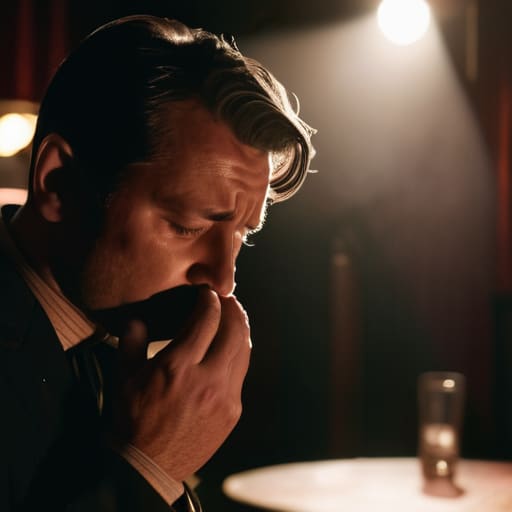
    Uncovering Hidden Flavor Profiles and Notes in the Dark

    Uncovering Hidden Flavor Profiles and Notes in the Dark.

    When the room goes quiet and the only light comes from a low-hanging lamp, the world feels smaller, more manageable. This is when the real work begins. I’ve found that if you rush the process, you miss the nuance; it’s much like listening to a complex jazz composition where the melody is only half the story. To truly grasp the sensory evaluation of coffee, you must let your senses lead. Don’t just look for the obvious bitterness. Instead, lean in close to the cup. Let the steam carry the initial scents to you, and wait for that moment when the aroma shifts from something simple, like toasted grain, to something more elusive, like dried stone fruit or jasmine.

    As you take your first sip, pay attention to how the liquid dances across your palate. This is where you begin to distinguish the subtle flavor profiles and notes that define a truly exceptional roast. You might notice a bright, citrusy acidity that cuts through the warmth, or perhaps a heavy, chocolatey finish that lingers long after you’ve swallowed. It isn’t about following a rigid checklist; it’s about noticing the transitions between those flavors as the temperature of the brew begins to drop.

    The Art of Noticing: Five Ways to Truly Meet Your Coffee

    • Silence the noise. Before you even take a sip, turn off the radio or the television. I’ve found that the best way to hear what a coffee is trying to tell you is to first listen to the stillness of the room.
    • Let the temperature tell the story. A coffee that tastes one way when it’s scalding will reveal its true character as it cools. Don’t rush to finish it; wait for that middle ground where the sweetness actually begins to bloom.
    • Use your senses as an archive. Don’t just rely on your tongue. Notice the weight of the liquid—is it light like a watercolor wash, or heavy and textured like an old velvet curtain?
    • Keep a small record. I always keep my notebook nearby. Scribbling down a single word—cedar, plum, or smoke—helps anchor a fleeting sensation before it vanishes into the back of your mind.
    • Avoid the distraction of sugar. It’s tempting to mask the bitterness, but that’s like skipping the liner notes on a jazz record. You need to experience the grit and the complexity to understand the whole composition.

    The Quiet Lessons in a Cup

    Stop treating coffee like fuel for a race; treat it like a record you’re playing for the first time, listening for the subtle scratches and the deep, resonant notes that only emerge when you actually sit still.

    Let your senses lead rather than your schedule. The real magic isn’t in memorizing a list of tasting notes, but in that sudden, quiet realization of how a specific warmth can ground you in the present moment.

    Cultivate an archivist’s eye for the small things. Whether it’s the way the steam curls in a dim room or the lingering finish of a dark roast, the most meaningful experiences are found in the details we usually rush past.

    The Art of the Pause

    “We spend so much of our lives rushing toward the next thing that we forget how to actually inhabit the present. A truly great cup of coffee isn’t just a caffeine fix; it’s an invitation to sit still, to let the steam soften the edges of the room, and to finally listen to what the bean has to say when you stop rushing past it.”

    Petra Lindgren

    The Lingering Aftertaste

    An empty coffee cup, The Lingering Aftertaste.

    As the steam eventually fades and the cup sits empty on your table, I hope you find yourself looking back at more than just a caffeine fix. We’ve moved through the disciplined structure of the cupping method and delved into those elusive, dark notes that often hide in plain sight. It isn’t merely about identifying a hint of jasmine or a heavy cocoa finish; it is about the intentionality of the practice. By slowing down to dissect the layers of your brew, you are essentially practicing the art of being present. You are learning to distinguish the subtle nuances that most people rush past in their frantic pursuit of the next task.

    In the end, a coffee tasting is less about the beans themselves and more about the space you carve out for yourself in a loud, demanding world. I’ve spent my life archiving the past, and if there is one thing I’ve learned, it’s that the most meaningful moments are the ones we take the time to document in our own minds. So, the next time you hold a warm mug, don’t just drink it to wake up. Treat it like a piece of music or a well-worn record. Let the flavors settle, embrace the stillness, and remember that there is profound beauty to be found in the things we choose to notice.

    Frequently Asked Questions

    How do I know if I'm actually tasting the coffee, or if my palate is just playing tricks on me in the dim light?

    It’s a fair question. Sometimes, in the quiet, our minds try to fill the silence with flavors that aren’t truly there. To ground yourself, try a “reset” sip of room-temperature water between notes. If you find yourself guessing, stop. Don’t force a descriptor. Instead, focus on the physical sensation—the weight on your tongue or the way the acidity lingers. If you can’t name it, just sit with the feeling. That’s real tasting.

    Are there specific types of music or certain atmospheres that help sharpen the senses during a tasting?

    I’ve always found that silence is a bit too heavy, but anything with a driving beat is far too intrusive. For me, it’s the soft, textured layers of cool jazz or perhaps some low-fidelity ambient piano. You want music that acts like a velvet curtain—present enough to soften the edges of the room, but subtle enough to let the acidity and bloom of the coffee take center stage. It’s about creating a space where your senses can breathe.

    If I'm doing this alone at home, what's the best way to set the stage without it feeling like a chore?

    The secret is to treat it like a ritual, not a task. Don’t clear the whole table; just clear a small corner. Dim the overheads, light a single candle, and put on that Miles Davis record you’ve been meaning to revisit. If you approach it with the same intention you’d bring to a jazz club, it stops being “preparation” and starts being an invitation. Let the atmosphere do the heavy lifting for you.

  • The Enduring Power of Folk Music

    The Enduring Power of Folk Music

    I remember sitting in a drafty basement archive back in the late seventies, the smell of decaying paper and damp concrete thick in the air, when I first heard a scratched vinyl of a Dust Bowl ballad. It wasn’t the polished, over-produced nonsense you hear on the radio today; it was just a voice, a guitar, and a story that felt like it had been carved out of granite. People often mistake folk music for something dusty or academic, a mere relic to be filed away in a museum, but they couldn’t be more wrong. It isn’t about perfection or complex arrangements; it is about the raw, unvarnished truth of the human condition.

    I’m not here to give you a lecture on musicology or a list of charts you can find anywhere else. Instead, I want to guide you toward the songs that actually demand your attention—the ones that make the world outside go quiet for a moment. We’re going to look past the hype and find the artists who understand that a single, well-placed chord can say more than a thousand words. Let’s rediscover the art of listening.

    Table of Contents

    Tracing Folk Music History and Origins Through Dimmed Lights

    Tracing Folk Music History and Origins Through Dimmed Lights

    When I was working in the archives, I used to spend hours tracing how a single melody could migrate across oceans, changing its clothes but keeping its soul. Understanding folk music history and origins isn’t about dates in a textbook; it’s about recognizing the fingerprints of the people who came before us. These songs weren’t written for profit; they were born from oral traditions in music, passed from hand to hand and breath to breath around kitchen tables and dying fires. They were the only records that mattered to those who lived them.

    I often find myself sitting in the back of a quiet venue, watching a performer lean into a weathered acoustic guitar. You can hear the ghosts of the past in the way they handle traditional folk instruments. There is a certain weight to a well-told story, a connection to the old ways of balladry and folk melodies that refuses to be silenced by the modern rush. It’s a lineage of shared struggle and quiet triumph, preserved not in acid-free boxes, but in the very vibration of the air.

    The Soul of Oral Traditions in Music and Balladry

    The Soul of Oral Traditions in Music and Balladry.

    When I was working in the archives, I often came across handwritten songbooks—scraps of paper where melodies were scribbled in the margins, passed from one hand to another like a whispered secret. That is the true heartbeat of oral traditions in music. Before there were digital files or even printed sheet music, a song lived only as long as someone was willing to breathe life into it. It wasn’t about perfection or polished production; it was about the way a story traveled through a room, changing slightly with every telling, yet keeping its essential truth intact.

    There is a profound intimacy in balladry and folk melodies that modern, over-produced tracks often lack. When a singer leans into a verse, they aren’t just performing; they are acting as a vessel for voices that might have been lost to time. You can hear it in the way a certain chord progression lingers, or how a simple rhythm mimics a human heartbeat. It reminds me that music isn’t just something we consume—it is something we inherit, a continuous thread of human experience that connects us to the people who sat in the dark, long before us, just listening.

    How to Truly Listen: A Few Notes on Finding the Heart of Folk

    • Put the phone in your pocket and let the room settle. Folk isn’t something you can consume while scrolling; it demands you sit still enough to hear the slight crack in a singer’s voice or the slide of a finger against a steel string.
    • Seek out the small, dimly lit rooms rather than the grand stages. The magic of this music lives in intimacy—in those cramped basement clubs where you can actually feel the vibration of the wooden floorboards beneath your feet.
    • Pay attention to the stories, not just the melody. I’ve learned that a song is often just a vessel for a history that hasn’t been written down yet, so listen for the narrative tucked between the chords.
    • Don’t be afraid of the silence between the notes. In my years of archiving, I’ve found that the most profound parts of a performance are often the quiet pauses where the weight of a lyric is allowed to hang in the air.
    • Look for the imperfections. A perfectly polished studio recording can be fine, but it’s the raw, unvarnished sound—the slight hesitation or the breath taken before a chorus—that tells you a human being is actually standing there with you.

    What Remains When the Music Fades

    Folk music isn’t just a collection of old songs; it is a living, breathing thread that connects our present selves to the voices of those who walked these streets long before us.

    To truly hear the heart of a ballad, you have to stop rushing. It requires a certain stillness—a willingness to sit in the dim light and let the story unfold at its own pace.

    The real magic lies in the imperfections—the slight crack in a singer’s voice or the weathered wood of a guitar—reminding us that there is profound beauty in things that are worn, honest, and real.

    The Resonance of the Unpolished

    “Folk music isn’t about the perfection of the performance; it’s about the honesty of the crack in a singer’s voice and the way a simple melody can hold the weight of a hundred years of quiet, unrecorded lives.”

    Petra Lindgren

    The Echo That Remains

    Folk music notes: The Echo That Remains.

    As I sit here in the quiet of my study, looking over my sketches and the notes I’ve scribbled about the lineage of the song, I am struck by how much folk music truly demands of us. It isn’t just a collection of melodies or a dusty timeline of historical shifts; it is the living, breathing thread of human connection that survives through every era. We’ve looked at how these songs traveled through oral traditions and how they carry the weight of our shared history within their simplest chords. Whether it’s a ballad passed down through generations or a modern singer-songwriter finding their voice in a dimly lit corner, the essence remains the same: it is about honesty and the preservation of truth through sound.

    My advice to you, as the night settles in, is to not just listen, but to truly hear. Don’t treat a folk performance as mere background noise for a busy life. Instead, find a quiet space, let the lights go low, and allow those raw, unpolished notes to settle into your bones. There is a certain kind of grace found in the unvarnished truth of an acoustic guitar that the modern, polished world often tries to drown out. In the end, we aren’t just listening to music; we are listening to the very heartbeat of what it means to be alive. Slow down and listen.

    Frequently Asked Questions

    How can I begin to tell the difference between a polished studio recording and the raw, honest spirit of traditional folk?

    Listen for the imperfections. A studio recording is often a beautiful, controlled lie—everything is smoothed over, polished until the edges disappear. But true folk? It lives in the creak of a chair, the catch in a singer’s throat, or a slightly out-of-tune string. Don’t look for technical perfection; look for the breath between the notes. If the music feels like it’s telling you a secret rather than performing a song, you’ve found it.

    Are there certain old, quiet corners of the city where one might still find musicians playing these songs without the noise of the modern world?

    You won’t find them on the main drags where the neon screams for attention. No, you have to look for the places that seem to be receding from the map. I often find them in the back booths of those basement cafes near the old library, or perhaps a quiet corner of a park just as the streetlamps flicker to life. Seek the shadows, the places where the architecture feels heavy and the air stays still.

    When we lose the oral tradition of passing songs down by ear, what exactly is it that we are losing in our modern culture?

    When we lose that ear-to-ear connection, we lose the breath between the notes. It’s not just about the melody; it’s about the shared human error and the slight, beautiful variations that happen when a song lives in someone’s memory rather than a digital file. We lose the intimacy of a story being shaped by the person telling it. Without that, music becomes a polished product rather than a living, breathing conversation.

  • Exploring Significant Architectural Landmarks

    Exploring Significant Architectural Landmarks

    I remember sitting in the back corner of a dim jazz club in Detroit last autumn, the smell of old mahogany and rain-dampened wool hanging in the air. I wasn’t looking at the stage; I was tracing the heavy, Art Deco molding above the bar with my eyes, feeling the weight of the decades pressed into the plaster. People often treat architectural landmarks like items on a checklist—something to be photographed in a hurry and checked off a digital list—but that’s a hollow way to live. When we rush past these structures just to say we’ve seen them, we miss the quiet conversation between the stone and the city.

    I’m not here to give you a dry lecture on blueprints or a list of overpriced tourist traps that lack a soul. Instead, I want to show you how to actually see these places. I’ll be sharing my personal observations on how to find the character in the shadows and the history in the textures that most people walk right past. We’re going to look for the landmarks that actually demand a moment of your time, focusing on the intentional beauty that lingers long after you’ve stepped back out into the street.

    Table of Contents

    Tracing the Monumental Building Significance in Quiet Moments

    Tracing the Monumental Building Significance in Quiet Moments.

    I’ve often found that the true weight of a structure isn’t felt when you’re rushing past it on your way to a meeting, but in those solitary moments when the city finally begins to settle. I remember sitting on a weathered bench near the old district last Tuesday, watching the way the streetlamps caught the limestone edges of a nearby library. It’s in these pauses that you truly grasp the monumental building significance of our surroundings. These aren’t just piles of stone and steel; they are the anchors of our collective memory, standing firm while the frantic pace of the world shifts around them.

    When I look at the way our skyline has changed, I see more than just an urban landscape evolution. I see the layers of human ambition and the quiet struggle to make something permanent. Sometimes, I find myself sketching the heavy cornices of a pre-war building, thinking about the hands that carved them. There is a profound, quiet dignity in how these old giants hold their ground, reminding us that even in a world obsessed with the “new,” there is a sacred necessity in honoring the bones of the past.

    Where Modernist Architectural Movements Meet the Dim Light

    Where Modernist Architectural Movements Meet the Dim Light

    I often find myself standing at the edge of the glass-and-steel canyons just as the sun dips below the horizon. There is a specific, almost melancholic grace in how modernist architectural movements transition from the harsh clarity of daylight to the soft, amber glow of evening. When the shadows stretch, the rigid lines of a structure seem to soften, losing their clinical edge and gaining something much more soulful. It’s in these moments that the urban landscape evolution becomes visible; you can see the layers of history breathing through the concrete.

    I remember sketching a particularly sharp-angled facade last Tuesday, trying to capture how the light caught the edge of a cantilevered balcony. It wasn’t just about the geometry, though. It was about how the building seemed to hold the quiet of the street within its very frame. We often talk about the sheer scale of an iconic skyscraper design, but we rarely discuss how these giants dictate the rhythm of our nights. When the streetlamps flicker on, these monuments stop being mere obstacles of glass and start becoming silent sentinels of our shared history.

    How to Truly Listen to the Stones

    • Leave the map in your pocket for an hour. The best way to understand a landmark isn’t by checking off a list of dates, but by letting your feet find the rhythm of the street and seeing where the shadows naturally pull you.
    • Look up, but don’t just stare. I always find that the most profound stories are hidden in the cornices and the way a gargoyle catches the evening light; it’s in those small, intentional details that the architect’s soul actually resides.
    • Seek out the “blue hour.” There is a specific, fleeting moment just after sunset when the stone seems to lose its weight and begins to glow from within. It’s the perfect time to sit on a nearby bench and simply exist alongside the structure.
    • Bring a small notebook, even if you aren’t an artist. Sketching the curve of an archway or the texture of a column forces your eyes to slow down and actually process the geometry of the space rather than just glancing at it.
    • Find the quietest corner of the site. Every great landmark has a side street or a courtyard that the crowds overlook. That is where you’ll find the true character of the building, away from the noise and the rush of the modern world.

    The Lessons Left Behind in the Stone

    True architectural beauty isn’t found in a textbook or a guidebook, but in those quiet, unscripted moments when a building’s shadow catches your eye just right.

    We must learn to look past the grand scale of a monument and instead find the intimacy in its details—the texture of the brick, the way the light hits a corner, the soul of the craftsmanship.

    Slowing down to observe our surroundings allows us to connect with the layers of history that modern life so often tries to rush right past.

    The Soul Within the Stone

    “A landmark isn’t merely a triumph of engineering or a landmark on a map; it is a vessel for the quiet, collective memory of a city, standing still while the rest of the world rushes past in a blur.”

    Petra Lindgren

    The Last Note of the Evening

    The Last Note of the Evening cityscape.

    As the sun dips below the skyline and the shadows stretch long across the pavement, we see these landmarks for what they truly are. They aren’t just feats of engineering or mere collections of stone and glass; they are the silent witnesses to our shared history. Whether it is the heavy, rhythmic weight of a neoclassical facade or the sharp, intentional lines of a modernist masterpiece, these structures provide a stage for our lives to unfold. We have explored how they hold the light and how they anchor our cities, reminding us that true permanence is found in the way a building makes us feel when the world finally slows down.

    I often find myself sitting on a weathered bench near a great archway, sketching the curves in my notebook while the city hums around me. It is in these quiet intervals that I realize we don’t need to rush toward the next destination. The beauty of an architectural landmark isn’t found in a guidebook or a quick photograph, but in the slow, intentional observation of its soul. So, the next time you find yourself walking through a familiar street, I urge you to look up. Stop, breathe, and let the architecture tell you its story. After all, the things that truly stay with us are the ones we took the time to actually notice.

    Frequently Asked Questions

    How can we learn to appreciate the history of a building without needing a formal degree in architecture?

    You don’t need a degree; you just need to stop rushing. When I walk past an old facade, I don’t look for technical terms. Instead, I look for the human traces—the way a stone step has been worn smooth by a century of footsteps, or how the light catches a hand-carved lintel. Approach a building like a piece of music. Listen to its rhythm, notice its texture, and let it tell you its story.

    Are there specific times of day or lighting conditions that truly reveal the soul of these older structures?

    It’s always the blue hour for me—that fleeting moment just after sunset when the sky turns a deep, bruised indigo. The shadows stretch long and soft, blurring the harsh edges of the stone. Or, if you’re feeling particularly patient, try the early morning fog. There’s something about the way a damp, gray light clings to old masonry; it makes the buildings feel less like static objects and more like living, breathing witnesses.

    How do we balance the need to preserve these historic landmarks with the constant, rushing demand for modern development?

    It’s the great tension of our time, isn’t it? We’re so hungry for the new that we often treat the old as mere obstacles. But preservation shouldn’t be about freezing a city in amber; it’s about integration. We must find ways to weave the new into the existing fabric, ensuring a glass tower doesn’t silence the history of the brickwork beside it. We owe it to our future selves to keep the soul intact.

  • Essential Books on Music Theory and Songwriting

    Essential Books on Music Theory and Songwriting

    I’ve often found that people approach music much like a hurried tourist through a historic district—they see the landmarks, but they miss the subtle carvings in the stone or the way the light hits the cobblestones at dusk. We listen to the melodies, yet we frequently overlook the invisible architecture that holds the entire experience together. I spent decades in archives learning that every great structure relies on a foundation of intentionality, and music is no different. If you feel like you’re hearing the notes but not truly understanding the conversation happening between them, you might simply need a better map. Finding the right books on music theory shouldn’t feel like a chore or a dry academic pursuit; it should feel like discovering the secret language of the songs you already love.

    In the following pages, I’ve curated five specific selections that I believe can help you bridge that gap between hearing and truly listening. These aren’t just textbooks to be memorized; they are guides designed to help you uncover the soul of the composition. Whether you are a seasoned player or someone who simply wants to sit in a dim jazz club and understand why a certain chord progression makes your heart ache, these recommendations will change the way you hear the world.

    Table of Contents

    The Foundation of the Craft

    The Foundation of the Craft: Tonal Harmony.

    There is a certain comfort in returning to the basics, much like how I find solace in the familiar weight of a well-worn history book. For those who feel lost in the complex language of sound, Tonal Harmony by Stefan Kostka is a steady hand to hold. It doesn’t just throw formulas at you; it builds a structural understanding of how chords and melodies interact, much like the architectural blueprints I used to study in my archives.

    For the Intuitive Soul

    Music theory For the Intuitive Soul.

    Not everyone wants to spend their evening staring at a staff of notes and mathematical equations. Sometimes, music is something you feel in your chest before you understand it in your head. The Complete Musician by Steven Laitz is a wonderful companion for those who want to bridge that gap between raw emotion and technical precision. It approaches theory not as a set of restrictions, but as a way to deepen your connection to the art.

    A Map for the Improviser

    A Map for the Improviser jazz book.

    There is a specific kind of magic that happens when a musician steps into the unknown during a solo, and understanding how to navigate that space is vital. The Jazz Theory Book by Mark Levine is, in my humble opinion, the gold standard for anyone looking to understand the language of spontaneity. It moves away from the rigid structures of classical study and dives straight into the rhythmic and harmonic complexities that make jazz so uniquely alive.

    The Geometry of Sound

    As an archivist, I have always had a deep appreciation for how small, individual pieces come together to form a grand, cohesive whole. Music Theory for Computer Musicians by Michael Hewitt might sound modern, perhaps even a bit cold, but don’t let the title fool you. It provides a very clear, visual way of understanding how frequencies and intervals work, which is incredibly helpful for the modern creator working in a digital space.

    The Poet's Approach to Theory

    Sometimes, we need a guide that speaks more to the spirit than the intellect. Music Theory for Dummies is a title that often gets a bad rap, but I find there is a great dignity in simplicity. It strips away the pretension that often surrounds musical study and presents the concepts in a way that is accessible and, more importantly, human. It is perfect for those evenings when you just want to understand the “why” without feeling like you’re back in a university lecture hall.

    Finding the Rhythm Between the Lines

    Don’t let the technicality of theory intimidate you; look for the books that treat music as a living, breathing language rather than just a set of rigid rules.

    Use these texts not as manuals to be memorized, but as companions to be revisited whenever you find yourself sitting in a dim room, wondering why a certain melody pulls at your heart.

    Remember that the true purpose of understanding theory is to deepen your appreciation for the silence and the notes that follow, allowing you to listen with more intention.

    The Language of the Soul

    “We often mistake music theory for a cold set of rules, but when you sit with the right book, you realize it is actually a map—a way to finally understand why a certain chord feels like a memory you can’t quite place, or why a melody feels like coming home after a long rain.”

    Petra Lindgren

    The Resonance Left Behind

    Whether you find yourself drawn to the rigorous structural clarity of a formal textbook or the more intuitive, soulful approach of a guide focused on ear training, the goal remains the same. These books aren’t just collections of rules or mathematical patterns to be memorized; they are maps designed to help you navigate the vast, often overwhelming landscape of sound. By working through these pages, you are essentially learning to decode the language that has been spoken in dim rooms and crowded clubs for centuries. From understanding the foundational chords that anchor a melody to grasping the complex tensions that make a jazz improvisation feel like a conversation, each volume offers a different lens through which to view the music you already love.

    At the end of the day, I hope you don’t let these studies turn music into a mere science project. Theory should never be a cage; it should be the key that unlocks a deeper appreciation for the intentionality of a note played at just the right moment. Don’t rush through the exercises just to reach the final chapter. Instead, take your time, sit with a single concept, and let it breathe. The real magic happens when the ink on the page disappears and you finally start to hear the architecture of the song itself. Slow down, listen closely, and let the music stay with you long after you’ve closed the book.

    Frequently Asked Questions

    Do I really need to master all these technical rules before I can start feeling the music?

    Not at all. In my years among the archives, I learned that knowing the structure of a building doesn’t mean you can’t feel the warmth of its hearth. Theory is just the blueprint; the music is the life lived inside the walls. Don’t let the math stifle your intuition. Learn the rules so you can recognize them when they break, but never let a textbook stand between your heart and a melody.

    Which of these books are best for someone who wants to understand the soul of a piece rather than just the math behind it?

    If you’re looking to move beyond the mere mechanics of scales and intervals, I’d point you toward any text that treats music as a language of emotion rather than a series of equations. You want the books that discuss tension, release, and the way a certain chord can make a room feel suddenly heavy or light. Look for the ones that explore phrasing and texture; that’s where the soul actually resides.

    Is it better to learn theory through these heavy textbooks or by simply sitting at a piano and experimenting?

    It’s a bit like studying a map versus actually walking the cobblestone streets. The textbooks provide the layout—the bones of why a melody moves us—but they can feel quite cold without touch. Personally, I find the most truth happens at the piano. Use the books to understand the “why,” but spend your evenings experimenting with the “how.” Let your hands find the patterns; the theory will eventually start to breathe on its own.

  • Understanding Different Types of Theatre Productions

    Understanding Different Types of Theatre Productions

    I remember sitting in the third row of a drafty, velvet-lined playhouse in Ann Arbor, the air thick with the scent of floor wax and old dust. I wasn’t there for the grand spectacle or the high-priced intermission cocktails; I was there for that specific, heavy silence that settles over a crowd just before the first line is spoken. There is a peculiar magic in theatre productions that has nothing to do with the size of the budget and everything to do with the shared breath of a room full of strangers. Most people mistake the spectacle for the soul, chasing the neon lights and the loud crescendos, but they often miss the quiet, human truth happening right in front of them.

    I have no interest in reviewing the latest high-gloss spectacles designed to dazzle your eyes while leaving your heart untouched. Instead, I want to guide you toward the performances that actually linger in your mind long after you’ve walked back out into the cool night air. My goal is to help you navigate the landscape of theatre productions by focusing on substance over shimmer. We are going to look for the stories that demand your presence and the performances that stay with you, long after the house lights have come up.

    Table of Contents

    Decoding the Soul Through Dramatic Script Analysis

    Decoding the Soul Through Dramatic Script Analysis

    When I was working in the archives, I learned that a document is never just ink on paper; it is a vessel for intent. The same is true when I sit in a velvet seat, waiting for the house lights to dim. To truly understand why a certain play stays with you, one must look past the spectacle and engage in a bit of dramatic script analysis. It isn’t about academic rigor, though; it’s about listening for the subtext—the things the characters don’t say, hidden in the pauses between lines.

    I often find myself sketching the way a script’s rhythm dictates the movement of the actors. You begin to see how the written word shapes the very live performance elements that breathe life into the room. It’s a delicate dance between the poet’s intention and the actor’s breath. When you start to decode these layers, you realize that a great play isn’t just a sequence of events, but a carefully constructed map of human emotion, designed to lead you exactly where you need to go.

    The Silent Language of Theatrical Stage Design

    The Silent Language of Theatrical Stage Design.

    While the script provides the bones, it is the theatrical stage design that gives the story its breath and skin. I’ve often found myself sitting in the velvet seats of a darkened house, not watching the actors, but watching how the light catches the grain of a wooden floor or how a single, tilted chair can suggest a lifetime of loneliness. It is a silent dialogue between the space and the spectator. When a set is crafted with intention, you don’t just see a room; you feel the weight of the history contained within its walls.

    There is a profound, almost sacred geometry in how these live performance elements work in concert. A shadow cast too long across a doorway or the deliberate choice of a muted, autumnal color palette can communicate more than a monologue ever could. It’s in these subtle visual cues that the true atmosphere is forged. To me, the most moving moments aren’t always found in the grand crescendos, but in the way a carefully placed lamp transforms a mere stage into a vivid, living memory.

    Notes from the Third Row: How to Truly Witness a Performance

    • Resist the urge to check your watch or phone; the magic of theatre exists only in the shared, uninterrupted present, and once that momentum is broken, it’s nearly impossible to reclaim.
    • Pay close attention to the pauses—the heavy, intentional silences between lines—because that is often where the characters’ true intentions reside, far deeper than the spoken dialogue.
    • Watch the periphery of the stage, not just the center; sometimes the most profound storytelling happens in the shadows of a background actor or the subtle shift of a prop.
    • Listen to the acoustic texture of the room, noticing how the voices interact with the architecture of the space, much like the way a jazz note hangs in a smoke-filled club.
    • Allow yourself to feel the discomfort; a production that leaves you entirely settled is rarely one that has truly challenged your perspective or stayed with you long after the house lights rise.

    The Quiet Aftermath: What Remains When the Lights Fade

    True appreciation requires us to slow down; we shouldn’t just watch a play, but allow the subtext and the silence between lines to settle into us like a well-worn melody.

    The beauty of theatre lies in its details, from the intentionality of a single spotlight to the way a script breathes life into a forgotten moment in history.

    To truly experience a production, one must look past the spectacle and seek the emotional resonance—the things that stay with you long after you’ve stepped back out into the rush of the city streets.

    The Weight of the Final Bow

    “A truly great production isn’t measured by the applause that follows the curtain call, but by the way the silence feels when you finally step back out into the streetlights, realizing you aren’t quite the same person who sat down in the dark an hour ago.”

    Petra Lindgren

    The Resonance of the Final Bow

    The Resonance of the Final Bow performance.

    As the house lights slowly rise and the audience begins to stir, I find myself sitting still for just a moment longer, letting the weight of what we’ve witnessed settle. We have journeyed through the intricate architecture of the script and traced the silent, sweeping stories told by the shadows and light of the stage design. It isn’t just about the spectacle, though; it is about how those carefully crafted layers work in unison to pull us out of our own lives and into another. When we look past the surface of a production, we begin to see the profound intentionality that goes into every line spoken and every prop placed, revealing the true heartbeat of the performance.

    I often find that the most meaningful parts of a play aren’t the loud crescendos, but the quiet echoes that follow you out into the cool night air. My advice to you is to not rush toward the exit the moment the curtain falls. Instead, linger in that space between the fiction and your reality. Let the music fade, let the silence breathe, and allow the story to settle deep into your bones. In a world that demands we move faster every single day, there is a quiet, radical beauty in simply staying present for the things that truly matter.

    Frequently Asked Questions

    How can one learn to appreciate the subtle nuances of a performance without getting lost in the technicalities?

    Stop trying to deconstruct the mechanics of the play. When I was archiving old scripts, I learned that the paper tells only half the story. To truly see a performance, you must stop being a critic and start being a witness. Close your eyes for a moment during a quiet scene. Don’t look for the lighting cues or the actor’s technique; just listen to the breath and the silence between words. Let it settle in your bones first.

    Is there a way to find those rare, quiet productions that favor intimacy over spectacle?

    You won’t find them in the glossy brochures or the bright lights of the major touring houses. To find the quiet ones, you have to look for the smaller, black-box spaces—the places where the seats are few and the air feels heavy with intention. Look for “chamber plays” or experimental workshops. Often, the best way is simply to follow the scent of a local storefront theater; they are the ones prioritizing the human breath over the grand spectacle.

    How do we keep the emotional resonance of a play alive once we've stepped back out into the noisy, rushing streets?

    It’s a struggle, isn’t it? The taxi horns and the neon glare feel like a blunt instrument against the delicate thing you just witnessed. I find the only way to protect it is to resist the urge to rush. Don’t head straight for the subway. Instead, find a quiet corner—a dim bar or a bench under a streetlamp—and sit with it. Let the silence settle. If you don’t pause, the world will simply wash it away.

  • An Introduction to Watching Opera

    An Introduction to Watching Opera

    I remember sitting in the back row of a drafty theater in Ann Arbor decades ago, clutching a program like it was a shield. I felt like an intruder, convinced that I lacked the secret vocabulary or the “correct” pedigree to truly understand what was happening on stage. There is a pervasive, stifling myth that you need a PhD in musicology just to sit through a performance, and frankly, it’s a lie that keeps beautiful art locked behind a gate of pretension. If you’ve been searching for opera for newcomers only to find intimidating lectures and overpriced dress codes, I want you to know that you aren’t the problem.

    I’m not here to give you a dry history lesson or a list of rules on how to behave in a velvet seat. Instead, I want to offer you a way to actually feel the music without the baggage of expectation. I’ll share the practical, unvarnished truths I’ve gathered from years of watching the curtain rise—from how to navigate the libretto to finding the soul beneath the spectacle. Let’s strip away the elitism and focus on what matters: finding those rare, shimmering moments that stay with you long after the house lights come up.

    Table of Contents

    How to Watch Your First Opera Without Rushing

    How to Watch Your First Opera Without Rushing

    The mistake most people make is treating an opera like a film—they sit there waiting for a plot to move at a breakneck pace. But if you approach it with that mindset, you’ve already lost the magic. To truly learn how to watch your first opera, you have to surrender to the tempo. I often tell my friends that an aria isn’t a delay in the story; it is the story. It is the moment where time stands still so we can witness the raw, unvarnished emotion of a character. Don’t check your watch when the singing seems to stretch indefinitely; instead, lean in and let the vibration of the voices fill the space between you and the stage.

    I also suggest doing a little bit of quiet homework before you step into the velvet seats. You don’t need to become a scholar, but a brief glance at the libretto or a quick search for best beginner opera compositions can provide a much-needed anchor. Knowing the basic arc of the evening allows you to stop squinting at the subtitles and start actually feeling the music. When you aren’t struggling to keep up with the “what,” you are finally free to appreciate the “how.”

    Best Beginner Opera Compositions to Soften the Soul

    Best Beginner Opera Compositions to Soften the Soul

    If you are looking for a way to ease into this world, I often suggest starting with something that feels more like a heartbeat than a lecture. Puccini is a wonderful gateway; his melodies in La Bohème have a way of finding the cracks in your armor. There is a raw, human vulnerability in his writing that bridges the gap for those still navigating the best beginner opera compositions. You don’t need to be an expert to feel the chill of a winter morning in Paris or the ache of a lost love; you only need to let the music settle.

    For those who prefer a bit more whimsy, Mozart’s The Marriage of Figaro is a masterclass in rhythm and wit. It’s lighter, certainly, but don’t mistake that for lack of depth. It’s a perfect way to observe the interplay of human folly and grace without feeling overwhelmed by heavy tragedy. As you listen, try not to worry too much about understanding opera terminology or the complex mechanics of the score. Just lean back, let the orchestration wash over you, and see which notes linger in your mind long after the final applause.

    Small Rituals for a Grand Experience

    • Read a brief summary of the plot before you arrive. There is no shame in knowing the story beforehand; in fact, I find it liberates you. Once you aren’t struggling to piece together the narrative, you can finally stop worrying about what is happening and start feeling how it feels.
    • Pay attention to the silence between the notes. In my years in the archives, I learned that what isn’t recorded is often as important as what is. In opera, the tension held in a quiet pause before a soprano hits a high note can be more electric than the aria itself.
    • Ditch the urge to analyze everything immediately. You don’t need to be a musicologist to enjoy a beautiful sound. If a melody moves you, let it sit there. Don’t reach for your phone or your mental checklist; just let the vibration settle in your chest.
    • Dress for the occasion, but do it for yourself. There is a certain dignity in putting on a well-pressed shirt or a favorite scarf when you’re heading to the theater. It signals to your own mind that this evening is different from the rush of a Tuesday afternoon.
    • Find a comfortable seat and stay for the curtain call. The true soul of the performance often reveals itself in those final moments when the singers are breathless and the audience is finally exhaling together. Don’t rush for the exit the moment the music stops.

    A Few Small Reminders for Your Evening

    Forget the urge to understand every single word; instead, let the swell of the orchestra and the raw emotion of the voices tell the story to your heart.

    Treat the experience like a slow-burning jazz record—don’t rush to the end, but rather settle into the texture of the performance and the weight of the atmosphere.

    Allow yourself to be moved by the grandeur without feeling the need to critique it; sometimes the most profound moments come when we simply stop trying to analyze and start letting ourselves feel.

    The Art of Noticing

    Don’t approach an opera like a checklist of things to understand; approach it like a dim room in a jazz club. You don’t need to see everything at once—just let the melody settle in your bones and wait for the moment the music finally finds you.

    Petra Lindgren

    The Echo in the Silence

    The Echo in the Silence opera photography.

    As you prepare to step into the world of opera, remember that you don’t need to be an expert to be moved. It isn’t about memorizing the libretto or understanding every complex nuance of the orchestration from the first note. It is about choosing the right entry points—those gentle compositions that invite you in rather than overwhelming you—and, most importantly, giving yourself the grace to sit still. By selecting the right stories and approaching the theater with a sense of patience rather than a checklist of expectations, you turn an intimidating spectacle into a deeply personal encounter. Just remember to breathe, let the scale of the music wash over you, and allow yourself to be a spectator without the pressure of being a scholar.

    When the final note eventually fades and the house lights slowly rise, don’t be in such a hurry to reach the exit. The true magic of opera isn’t found in the applause, but in that quiet, heavy moment of stillness that follows the curtain call. It is in that lingering resonance that you realize the music hasn’t actually stopped; it has simply moved inside you. I’ve spent my life archiving the past, but I’ve learned that the most important things aren’t found in dusty files—they are found in the emotions that stay with us long after we’ve left the building. Go slowly, listen closely, and find what stays with you.

    Frequently Asked Questions

    I'm worried I won't understand the plot; is it necessary to read a synopsis before the curtain rises, or should I just let the music guide me?

    I understand that hesitation; I’ve felt it myself sitting in those velvet seats. Honestly? Read the synopsis. There’s no shame in knowing the shape of the story before you step into the dark. If you spend the whole performance squinting at the subtitles, trying to piece together why a soprano is weeping, you’ll miss the texture of the orchestration. Learn the bones of the plot first, then let the music breathe life into them.

    How do I handle the etiquette of a live performance without feeling stiff or out of place?

    I used to worry about the same thing—feeling like an intruder in such a polished space. But here is my secret: treat the etiquette as a way to respect the silence, not as a set of rigid rules. Arrive early to settle your nerves, keep your phone tucked away, and simply let the atmosphere wash over you. If you focus on the music rather than the people around you, the stiffness tends to melt away.

    If the language being sung isn't my own, how can I truly connect with the emotion of the story?

    I used to worry about this myself, sitting in those velvet seats wondering if I was missing the plot. But here is the secret: don’t get hung up on the literal translation. Music is a universal syntax. When a soprano hits a certain note, or a cello pulls at the air, you don’t need a dictionary to understand grief or longing. Listen to the texture of the voice; the emotion is in the breath, not just the words.

  • How to Attend Local Art Gallery Openings

    How to Attend Local Art Gallery Openings

    I remember standing in a drafty loft in Chelsea last autumn, surrounded by people who seemed more interested in the vintage of the champagne than the brushstrokes on the wall. There is this pervasive, exhausting myth that art gallery openings are these exclusive, high-stakes social arenas where you need a certain pedigree just to stand in the corner. We’ve turned what should be a moment of quiet connection into a performative marathon of networking and pretension, leaving very little room for the actual art to breathe.

    I’m not here to teach you how to dress for the crowd or how to mimic the jargon of the elite. Instead, I want to show you how to navigate these spaces to find the genuine marrow of the experience. I’ll share my own observations on how to sidestep the noise, find the quiet corners where the real magic happens, and ensure that when you leave, you’re carrying something meaningful back with you. Let’s stop performing and start actually seeing.

    Table of Contents

    Mastering the Soft Grace of Gallery Vernissage Etiquette

    There is a certain rhythm to a room filled with people and art, a tempo that requires a gentle touch. When you find yourself at one of these gatherings, remember that the space itself is as much a part of the experience as the frames on the wall. Mastering the soft grace of gallery vernissage etiquette isn’t about following a rigid set of rules; it’s about respecting the silence between the notes. I’ve found that the most meaningful connections often happen when we resist the urge to dominate the conversation. Instead, allow yourself to drift through the emerging artist showcases with a quiet curiosity, leaving plenty of room for others to breathe and reflect.

    Avoid the temptation to rush from one piece to the next as if you were checking items off a grocery list. If you are there for the sake of art collector networking, do so with a sense of understated intention. A thoughtful question whispered to a fellow observer often carries more weight than a loud pronouncement. After forty years of handling delicate manuscripts, I’ve learned that the most profound discoveries are made when we move slowly and listen to the room.

    Finding Soul in Emerging Artist Showcases

    Finding Soul in Emerging Artist Showcases.

    There is a particular kind of electricity that hums through the air at emerging artist showcases, a frequency quite different from the polished stillness of a museum. When I walk into these smaller, more intimate spaces, I’m not looking for the familiar names or the heavy weight of established legacies. Instead, I’m searching for that raw, unpolished spark—the kind of vision that hasn’t yet been smoothed over by the demands of the market. It’s in these rooms that you see the true pulse of a city’s creative spirit, often found in a corner where a young painter is still wrestling with their medium.

    I often find myself pulling out my notebook, not to critique, but to capture the way the light hits a new installation or the way a crowd gathers around a piece that feels a bit too honest for comfort. Navigating contemporary art exhibitions requires a certain openness of heart; you have to be willing to be surprised, or even a little unsettled. It isn’t about the social climbing often associated with art collector networking. Rather, it is about the quiet privilege of witnessing a moment of becoming, before the rest of the world catches on.

    Small Rituals for a More Meaningful Evening

    • Leave your phone in your pocket. I’ve noticed that when we try to capture everything through a lens, we miss the way the light actually hits the texture of the oil paint. Let the memory live in your mind, not just your cloud storage.
    • Find the edges of the room. The center of a gallery opening can feel frantic, almost performative. I prefer to find a quiet corner or a small bench near the periphery; it’s much easier to actually hear the art—and yourself—when you aren’t fighting the crowd.
    • Listen to the silence between the conversations. There is a specific kind of hush that settles over a room when a particularly moving piece is encountered. Try to notice those pockets of stillness; they are often more profound than any artist’s statement printed on the wall.
    • Carry a small notebook, even if you don’t intend to draw. There is something about the physical act of jotting down a single word or a quick sketch of a frame that anchors you to the moment. It turns a fleeting glance into a lasting observation.
    • Don’t be afraid to linger long after the initial rush has subsided. The true soul of an exhibition often reveals itself once the polite chatter dies down and the room settles into a more contemplative rhythm. That is when the art truly begins to speak.

    The Quiet Art of Lingering

    Resist the urge to treat the gallery like a checklist; instead, allow yourself the luxury of standing before a single piece until the initial rush of color settles into something deeper.

    Look past the polished chatter of the crowd to find the small, unscripted moments—the way a shadow falls across a sculpture or the subtle texture of a brushstroke—that truly define the evening.

    Approach every opening not as a social obligation, but as a chance to pause and let the artist’s vision interrupt your routine, reminding you why we seek out beauty in the first place.

    The Quiet Conversation

    “An art opening isn’t a social checklist to be completed; it is a chance to stand still in a room full of movement, letting a single brushstroke or a sudden silence pull you out of the rush and back into yourself.”

    Petra Lindgren

    The Last Note of the Evening

    The Last Note of the Evening gallery.

    As the evening winds down and the crowd begins to thin, I find that the true value of a gallery opening lies in the balance we strike between presence and participation. We’ve discussed the importance of navigating the social nuances of a vernissage with grace, and more importantly, the necessity of looking past the polished surface of established names to find the raw, beating heart of an emerging artist. It isn’t about the networking or the wine; it is about the deliberate act of witnessing something new. When we move through these spaces with intention, we transform a simple social event into a meaningful encounter with human expression.

    I often find myself sitting on a bench near the exit after a particularly moving show, sketching a few lines of the ceiling’s molding in my notebook, just trying to hold onto the feeling. My advice to you is simple: don’t let the night become just another item on a checklist. When you walk through those doors, leave the rush of the city behind. Allow the dim lighting and the quiet hum of conversation to settle your spirit. Seek out the pieces that make you pause, and remember that the most profound art isn’t just what is hanging on the walls, but the way it makes you feel long after you’ve returned to the quiet of your own home.

    Frequently Asked Questions

    Is it considered impolite to linger too long in front of a single piece when the room is crowded?

    Not at all. In fact, I’d argue that rushing past a piece just to be polite is a disservice to the artist. If a painting has caught your eye, stay with it. If the room is crowded, simply step slightly to the side to allow others to pass. There is a quiet grace in being a person who actually stops to look, rather than just another shadow moving through the gallery.

    How can I tell if an opening is a formal affair or a more relaxed gathering of artists and friends?

    It’s a question I often ask myself before I even step through the door. I usually look for the tells in the lighting and the tempo. A formal affair tends to feel curated—stiff linens, hushed tones, and a certain structured elegance. But if you see people leaning against the walls with half-empty wine glasses, or if the music feels a bit more rhythmic than reverent, you’ve likely found a relaxed gathering of friends.

    What is the best way to approach an artist about their work without disrupting the flow of the evening?

    Wait for the lull. I’ve spent many evenings watching artists navigate the hum of a room, and the best approach is to let the work speak first. Find a moment when they aren’t mid-sentence with another guest, approach with a gentle nod, and lead with a specific observation—not a generic compliment. “The way you captured the light in this corner…” is far better than a loud question. Be a listener, not an interrogator.

  • The Rise of Poetry Slams and Spoken Word

    The Rise of Poetry Slams and Spoken Word

    I remember sitting in the back of a dimly lit basement lounge last Tuesday, the air thick with the scent of old paper and damp brick, watching a young woman step up to a microphone that looked far too large for her. There is a specific, heavy kind of silence that precedes poetry slams—a tension that hangs in the air like the pause between jazz notes. It isn’t the polished, sterile performance you see on television, and it certainly isn’t the academic, stuffy recitation I used to encounter in the university archives. It is raw, sometimes uncomfortably so, and it carries a visceral weight that most modern entertainment seems to have forgotten how to replicate.

    I’m not here to give you a lecture on meter or rhyme schemes, nor am I interested in the pretension that often clings to the literary world. Instead, I want to share what I’ve learned from years of observing these quiet, electric gatherings from the shadows of the room. I promise to guide you through the real soul of the experience, helping you navigate the noise to find those rare moments of genuine connection that stay with you long after the last poet has left the stage.

    Table of Contents

    Mastering Rhythmic Verse Delivery in the Dim Light

    Mastering Rhythmic Verse Delivery in the Dim Light

    Watching a poet navigate the stage is much like watching a jazz soloist find their pocket; it isn’t just about the words, but the space between them. To truly master rhythmic verse delivery, one must learn to treat silence as an instrument. I’ve sat in many dimly lit basements watching performers struggle because they rushed to fill every second with sound. But the greats? They understand that a well-timed pause can carry more weight than a shouted stanza. It’s about finding that internal metronome that breathes with the room, allowing the cadence to settle into the listener’s chest.

    This mastery often comes down to subtle slam poetry performance techniques that have more to do with the body than the voice. It’s in the way a hand rests on a table or how a gaze lingers on a single face in the crowd. You see, a strong stage presence isn’t about being the loudest person in the room; it’s about commanding the stillness. When a performer aligns their breath with the natural pulse of their poem, the distinction between the speaker and the listener begins to blur, leaving only the resonance of the story behind.

    The Art of Stage Presence for Poets

    The Art of Stage Presence for Poets.

    It isn’t just about the words on the page, though those are the foundation. When a poet steps into that narrow circle of light, they are engaging in a form of oral tradition in modern literature that feels as ancient as the stories told around a campfire. I’ve sat in many dim rooms watching this unfold, and I’ve learned that the most captivating performers aren’t necessarily the loudest. They are the ones who understand that stage presence for poets is built in the silences—the way they hold a gaze or let a heavy line settle into the room before moving on.

    There is a certain vulnerability required to stand there, stripped of the safety of a desk or a screen. You see it in the way a seasoned performer uses their hands to shape the air, or how they lean into the microphone to create an intimacy that feels almost private, despite the crowd. While some might focus solely on the strict spoken word competition rules, the true masters focus on the connection. They aren’t just reciting; they are inviting us to inhabit their world for a few fleeting minutes.

    Small Truths for the Quiet Observer

    • Don’t fear the silence. In my years among the archives, I learned that the space between the records is just as important as the records themselves; in a slam, let your words breathe, and don’t rush to fill every gap just because the room feels heavy.
    • Listen with more than your ears. A true poet isn’t just reciting; they are reading the room, feeling the shift in the air when a line hits home, and adjusting their tempo to the collective heartbeat of the crowd.
    • Honor the vulnerability. It’s easy to hide behind clever metaphors, but the poets who truly stay with me are the ones who step into the light with nothing but a raw, unvarnished truth and the courage to let it be seen.
    • Respect the ritual of the mic. Treat the stage like a sacred space—not with stiffness, but with a quiet reverence for the fact that for a few minutes, you are the only voice that matters in that dim, smoky corner of the world.
    • Find the rhythm in the imperfection. Some of the most moving performances I’ve witnessed weren’t the ones that were technically flawless, but the ones where the poet’s voice cracked or stumbled, proving that the human element is far more vital than a polished delivery.

    The Echoes That Remain

    Don’t just recite words; find the rhythm in the silence between them, allowing the weight of a phrase to settle in the room before moving on.

    Presence isn’t about grand gestures, but about the quiet, steady connection you forge with the shadows and the souls listening in the dark.

    Approach the stage with the same reverence one might bring to a vintage record—treat every syllable as a deliberate choice that deserves to be heard.

    The Weight of a Single Word

    A poetry slam isn’t just a competition; it’s that breathless moment when the room stops being a collection of strangers and becomes a single, listening heart, waiting to see if the next line will finally give voice to something we’ve all been too busy to say.

    Petra Lindgren

    The Resonance After the Mic Drops

    The Resonance After the Mic Drops.

    As I sit here in the back of the room, watching the last few shadows stretch across the floor, I’m reminded that a great slam isn’t just about the technicalities we discussed. It isn’t merely the precision of a rhythmic cadence or the calculated command of a stage; it is the way those elements coalesce to create a moment of unfiltered truth. We’ve looked at how the delivery and the presence work together, but the real magic happens in the space between the words. When a poet masters that delicate balance, they aren’t just performing; they are inviting us into a shared, vulnerable silence that most of our modern, hurried lives simply don’t allow for.

    I often find myself sketching the way the light hits the podium long after the poets have gone home, thinking about what actually remains. We spend so much of our lives rushing toward the next thing, but these evenings teach us the value of staying put. Whether you are the one holding the microphone or the one sitting quietly in the dim light with a notebook, I hope you remember to listen with your whole heart. Don’t just walk away when the applause fades; carry the echo with you. After all, the most beautiful things in this life are the ones that refuse to be rushed.

    Frequently Asked Questions

    How do you find the courage to step into that spotlight when the room is so heavy with expectation?

    It’s a heavy feeling, isn’t it? That weight in the air right before you speak. I’ve found that the secret isn’t to fight the expectation, but to lean into it. I usually take a moment to look at the grain of the wooden stage or the way the light catches a glass on a nearby table. Ground yourself in the physical room. Once you realize the audience is just looking for a connection, the spotlight feels less like a judge and more like a shared warmth.

    Is there a way to appreciate the raw emotion of a performance without losing oneself in the noise of the crowd?

    It’s a delicate balance, isn’t it? I’ve found that the trick is to find a single anchor—a particular cadence in the poet’s voice or the way the light catches the dust motes in the room. If you focus on the breath between the words rather than the roar of the applause, the crowd becomes mere texture. Let the noise be the ocean, but keep your eyes on the lighthouse. That’s where the truth lives.

    For those of us who prefer the quiet of a library, how do we transition into the more visceral, loud energy of a slam?

    I understand that hesitation. For someone used to the hallowed, dust-mote stillness of an archive, a slam can feel like a physical assault. Don’t try to fight the noise; instead, treat it like a new kind of text. Look for the rhythm in the shouting, the meter in the applause. Find one person in the crowd whose energy mirrors your own, and let their pulse guide you. You aren’t losing the quiet; you’re just finding its louder cousin.

  • How to Curate the Perfect Music Playlist

    How to Curate the Perfect Music Playlist

    I remember sitting in a dim corner of a jazz club in Ann Arbor, the smell of old mahogany and rain-damp wool hanging in the air, watching a man carefully select a single record from a crate. He wasn’t looking for a “vibe” or a trending algorithm; he was looking for a connection. These days, I see people treating the art of curating music playlists like a mathematical equation, frantically shuffling through thousands of tracks in an attempt to find a mood that never quite lands. We’ve traded the intentionality of a well-chosen sequence for the mindless noise of endless, automated streams, and in the process, we’ve lost the ability to truly listen.

    I’m not here to teach you how to manipulate an algorithm or chase the latest digital fad. Instead, I want to share what I’ve learned from decades of handling physical archives and living through the eras of analog sound. I promise to show you how to approach curating music playlists as an act of storytelling—a way to build a sonic landscape that lingers in the room long after the final note has faded. Let’s move away from the clutter and learn to craft something genuinely meaningful.

    Table of Contents

    Mastering Mood Based Playlist Creation and Genre Blending Strategies

    Mastering Mood Based Playlist Creation and Genre Blending Strategies.

    When I was working in the archives, we didn’t just toss papers into boxes; we understood that the order of a collection dictated its story. The same applies to your listening. Effective mood-based playlist creation isn’t about finding songs that match a single emotion, but rather about mapping the subtle shifts in a human evening. You might start with something sparse and contemplative—perhaps a lone upright bass—before gradually introducing textures that build toward a crescendo. It is a slow architecture of sound.

    I’ve found that the most rewarding results come from intentional genre blending strategies rather than letting a computer do the heavy lifting. While music discovery algorithms are marvelously efficient at finding “more of the same,” they often lack the soul required to bridge two disparate worlds. I like to experiment by finding the common thread between a dusty Miles Davis record and a modern ambient piece. It’s about looking for the connective tissue—the shared tempo or the similar warmth in the recording—to ensure the transition feels like a natural evolution rather than a jarring interruption.

    Moving Beyond Music Discovery Algorithms to Find Real Soul

    Moving Beyond Music Discovery Algorithms to Find Real Soul

    I’ve spent many an evening watching people stare at their phones, letting those polished music discovery algorithms dictate exactly what their ears should crave next. There is a certain efficiency to it, I suppose, but it lacks the friction that makes a discovery feel earned. When a machine hands you a perfectly seamless stream of “similar artists,” it often skips the beautiful, jagged edges that give music its character. To find real soul, you have to step away from the predictive math and start looking for the unexpected connections—the way a dusty blues record can suddenly make sense when placed right after a modern ambient track.

    Instead of relying on a software’s logic, try leaning into your own intuition. I often find that the most profound moments come from intentional playlist sequencing techniques that prioritize a narrative over a mere genre. It’s about how one song breathes into the next, creating a tension and release that no line of code can truly replicate. We aren’t just organizing files; we are building a landscape. When you curate with intention, you aren’t just playing songs; you are crafting a memory that lingers long after the silence returns.

    The Small Details That Give a Playlist Its Pulse

    • Think in transitions, not just tracks. A playlist shouldn’t feel like a collection of songs, but a conversation. Pay attention to how one note bleeds into the next; if the jump from a brassy bebop tune to a quiet folk ballad feels like a physical jolt, you haven’t found the bridge yet.
    • Respect the silence between the songs. Sometimes, the most profound part of a listening session is the breath of air before a new movement begins. Don’t feel the need to fill every second with noise; allow the music to settle in the room before you introduce the next layer.
    • Use your physical environment as a compass. When I’m sketching the molding in a dim jazz club, I don’t think about “genres”—I think about the texture of the room. Try building a sequence based on the lighting or the weight of the furniture in your study rather than a digital tag.
    • Avoid the trap of the “perfect” flow. A life lived in a straight line is a sterile one, and music should be the same. A little friction, a sudden shift in tempo, or a surprising vocal timbre can act like a well-placed shadow in an old photograph—it gives the experience depth.
    • Curate for the person you are at midnight, not the person you are at noon. Most algorithms cater to the productive, caffeinated self. I prefer to build lists for the quiet hours, when the world has slowed down and you finally have the patience to hear what a song is actually trying to say.

    The Notes I'm Leaving Behind

    Stop letting an algorithm dictate your emotional landscape; the most meaningful collections are built by following a feeling, not a suggestion from a computer.

    Treat your playlist like a slow-burning evening—it needs a beginning, a middle, and a lingering end that respects the natural ebb and flow of a mood.

    Remember that the space between the songs is just as vital as the music itself; curate with intention so the transitions feel like a conversation rather than a list.

    The Weight of a Sequence

    A playlist shouldn’t just be a collection of songs; it should be a deliberate architecture of sound, built with enough space between the notes to let the silence tell its own story.

    Petra Lindgren

    The Last Note Fades

    Emotional music curation: The Last Note Fades.

    As we draw this to a close, remember that a truly great playlist isn’t just a collection of files on a device; it is a carefully constructed landscape. We have discussed the importance of moving past the cold convenience of algorithms and leaning into the intentionality of mood-based curation. By blending genres with a sense of purpose and seeking out the unseen textures of music that a computer might overlook, you transform a simple background noise into a meaningful experience. Whether you are layering jazz with ambient textures or stitching together a narrative of old soul records, the goal is to create something that feels deliberately human.

    In the end, I hope you take these tools and step away from the shuffle button. Don’t just listen to music; inhabit it. Build those sonic spaces that invite you to sit a little longer, to breathe a little deeper, and to truly notice the shadows in the room. Life moves far too quickly to let the good songs pass us by without a second thought. So, go ahead—curate something that lingers, something that stays with you long after the final track has finished and the lights have dimmed. Let your music be the anchor in the rush.

    Frequently Asked Questions

    How do you decide when a playlist has reached its natural conclusion without it feeling abrupt?

    It’s about the exhale. You’ll know you’ve reached the end when the music stops feeling like a journey and starts feeling like a repetition. I always look for that final, lingering note—a track that doesn’t just end, but settles into the silence. If the next song feels like it’s fighting the previous one for space, you’ve gone too far. Stop there. Let the quiet be the final movement of your evening.

    Is there a way to transition between wildly different genres without breaking the emotional spell of the evening?

    The secret lies in the tempo, not the genre. You can bridge a smoky jazz standard and a soft bossa nova by finding the common thread of rhythm. Don’t jump from a crescendo to a silence; instead, look for the “connective tissue”—a shared instrument or a similar lull in the beat. It’s like walking through an old archive; you don’t leap from one era to another; you find the subtle, overlapping echoes that guide you.

    How can I avoid the temptation to let a streaming service's "autoplay" ruin the intentional atmosphere I've built?

    The “autoplay” feature is the enemy of intention; it’s a digital conveyor belt that never stops, even when the mood demands silence. To protect the atmosphere you’ve built, you must reclaim control. I make it a rule to turn off the autoplay setting entirely. Once the last track of your curated selection fades, let the room go quiet. That silence allows the music to settle in your bones before you decide what comes next.

  • Fiction Novels Set in Iconic Music Cities

    Fiction Novels Set in Iconic Music Cities

    I’ve spent most of my life tucked away in quiet archives, surrounded by the scent of aging paper and the stillness of preserved history. But lately, I’ve found myself chasing a different kind of record—the kind that isn’t pressed into vinyl, but written into the very streets of a city. There is a specific, heavy magic that happens when a place and a melody become inseparable, yet so often, our reading lists overlook the rhythm of the pavement. We tend to search for grand plots, forgetting that the most profound stories are often found in the way a certain jazz standard feels against the backdrop of a rain-slicked New Orleans alley or a neon-lit Nashville street. Finding truly immersive novels set in music cities requires more than just looking for a setting; it requires finding a book that understands the soul of the sound.

    In the following pages, I want to share five particular stories that do more than just mention a location; they breathe with it. I have selected these works because they capture that rare, elusive feeling of a city that sings to you in the dark. You won’t find any superficial travelogues here—only books that allow you to hear the music through the prose. By the time we finish this list, I hope you’ll feel as though you’ve stepped out of your living room and into a dim, velvet-lined corner of a club where the story is just beginning.

    Table of Contents

    The Blue Note of New Orleans

    The Blue Note of New Orleans jazz.

    There is a particular kind of humidity in New Orleans that seems to carry the weight of every trumpet solo ever played in a French Quarter basement. When I pick up Sweet Honey in the Rock, I’m not just reading a story; I am feeling the damp heat of the sidewalk and hearing the distant, mournful wail of a brass band rounding a corner. The prose doesn’t just describe the music; it breathes it, capturing that messy, beautiful intersection where jazz becomes a way of survival.

    Midnight Echoes in Memphis

    Midnight Echoes in Memphis on Beale Street.

    Memphis has always felt like a city of ghosts to me, a place where the echoes of Sun Studio still seem to vibrate in the brickwork of Beale Street. In The Delta Soul, the author manages to capture that specific, electric tension that exists between the blues and the birth of rock and roll. It is a heavy, soulful read that understands how a single guitar riff can change the trajectory of a human life.

    The Smoke and Shadows of Chicago

    The Smoke and Shadows of Chicago blues.

    Chicago is a city of steel and wind, but beneath the skyscrapers lies a subterranean world of rhythm that most people walk right over without a second thought. Windy City Blues dives deep into that underworld, tracing the lineage of the electric blues through the narrow alleys and crowded basement bars. The writing has a certain grit and texture to it, much like the needle of a turntable hitting a well-worn jazz record.

    Neon Dreams in Nashville

    We often think of Nashville as a polished machine of songwriting and stardom, but the best stories find the cracks in that shiny veneer. The Honky Tonk Ledger takes us into the sawdust-covered reality of the songwriter who has seen too many seasons pass. It’s a beautiful, somewhat aching exploration of what it costs to turn your private sorrows into a public anthem.

    The Golden Twilight of Los Angeles

    Los Angeles is a city of illusions, a place where the sun can be blinding and the shadows can be bottomless. In Sunset on Sunset, the music isn’t just a sound; it’s a shimmering, unreachable dream that haunts the canyons and the coastal highways. The novel captures that peculiar West Coast jazz sensibility—smooth, sophisticated, yet underscored by a profound sense of longing.

    The Resonance of a Story Well-Told

    A great novel doesn’t just describe a city; it captures the specific, heavy atmosphere of a place where music is the heartbeat of the streets.

    Look for stories that prioritize the quiet, lingering moments—the way a melody feels in a dim room—rather than just the loud, flashy spectacle.

    The best books remind us that the history of a city isn’t just found in archives, but in the songs and shadows that shape its people.

    The Echo of the Page

    A great novel set in a music city does more than just describe a setting; it captures that specific, heavy magic of a midnight street corner where the rhythm of the city and the rhythm of the prose become one and the same.

    Petra Lindgren

    The Final Note

    As we close the covers on these stories, it becomes clear that a city is more than just its geography; it is the rhythm that pulses through its streets. Whether we are wandering through the smoky jazz haunts of New Orleans or tracing the neon-lit grit of a Nashville songwriter’s path, these novels remind us that music is the connective tissue of our urban lives. Each book we’ve discussed serves as a map, guiding us toward the places where the melody meets the pavement and where the history of a culture is written not just in archives, but in the very air of a crowded club.

    I often find myself sitting in a quiet corner of a dimly lit lounge after a long walk, wondering how many stories are currently unfolding just behind the next closed door. My hope is that these pages encourage you to seek out your own soundtrack. Don’t just pass through a city; let it sing to you. Take a moment to slow your pace, find a quiet corner, and listen for the unspoken melodies that define the places we call home. After all, the best parts of a night are often the ones we take the time to truly notice.

    Frequently Asked Questions

    Are there any particular novels that focus more on the history of the cities themselves rather than just the musicians?

    That’s a sharp distinction to make, and one I appreciate. Often, the music is just the heartbeat, while the city itself provides the lungs. If you’re looking for that, I’d point you toward anything that treats the streets as a character. I find myself drawn to stories where the architecture and the changing neighborhoods are just as vital as the melody. It’s about how the very cobblestones shape the sound.

    Do you have any recommendations for stories that capture the atmosphere of smaller, lesser-known music towns instead of the big hubs like New Orleans or Nashville?

    I understand exactly what you mean. There’s a specific kind of magic in the smaller towns—the ones where the music isn’t a spectacle, but a shared secret. I’ve always found that the big hubs can feel a bit too loud, too performative. For something more intimate, I’d suggest looking into stories set in the Delta or the dusty outskirts of the Rust Belt. It’s in those quiet, dimly lit corners where the real soul resides.

    Which of these books would you say best captures the actual feeling of being in a dimly lit jazz club at midnight?

    If you’re looking for that specific, heavy magic—the kind where the air feels thick with smoke and the bass vibrates in your sternum—it has to be the one set in New Orleans. There is a certain grit in those pages that mirrors the way a saxophone wails at 1:00 AM. It doesn’t just describe the music; it captures that beautiful, lonely stillness that only exists when the rest of the world is asleep.