Blog

  • The Sonic Textures of Shoegaze

    The Sonic Textures of Shoegaze

    I remember sitting in a cramped, basement venue in Ann Arbor back in the late eighties, the air thick with the scent of stale clove cigarettes and damp concrete. There was no polished stagecraft or grandstanding; there was only a wall of sound so dense you could almost lean against it. People often mistake the shoegaze aesthetic for a mere collection of blurry photos or oversized thrift-store sweaters, but they miss the point entirely. It isn’t a costume you put on to look moody for a camera; it is that specific, shimmering ache of being lost in a wash of reverb while the rest of the world simply fades into the background.

    I have no interest in discussing the latest internet trends or how to curate a perfect digital mood board. Instead, I want to talk about the texture of the sound and the intentionality of the atmosphere. I promise to guide you through the actual soul of this movement—the way the light hits a pedalboard and how to find beauty in the beautifully distorted layers of a song. We aren’t here to chase a trend; we are here to learn how to sit still and truly listen.

    Table of Contents

    Chasing Dreamy Atmospheric Textures in the Dark
    Chasing Dreamy Atmospheric Textures in the Dark

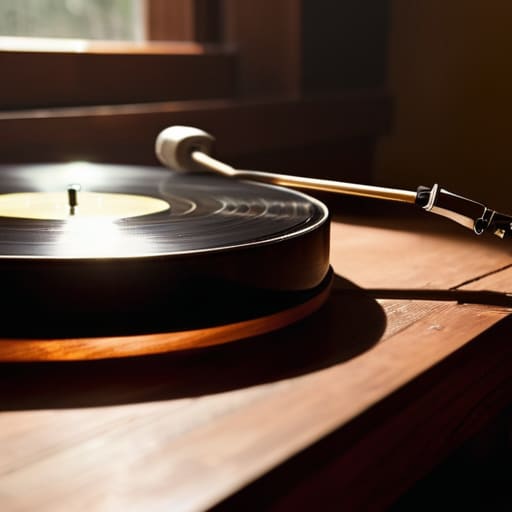
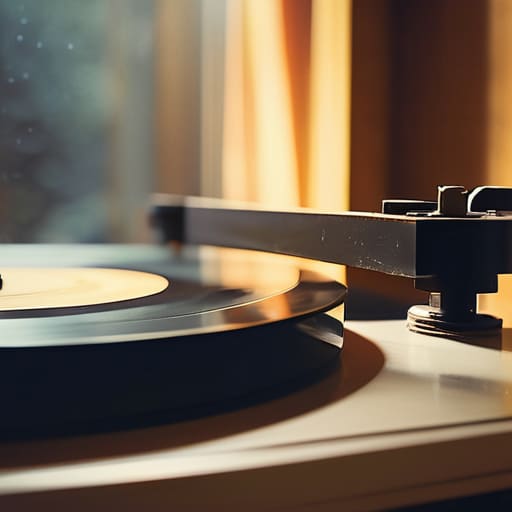
    When I sit in a darkened room with a fresh pressing on the turntable, I’m not just listening to melodies; I’m submerged in them. There is a specific kind of magic in those dreamy atmospheric textures that seem to blur the line between a song and a memory. It isn’t about the precision of a single note, but rather the way layers of reverb and delay bleed into one another. It reminds me of the way old photographs lose their sharp edges over time, leaving behind only the essence of a feeling.

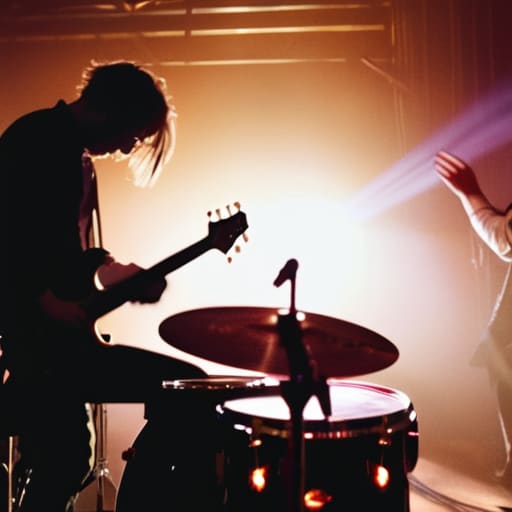
    This immersion is often achieved through the heavy use of the wall of sound guitar technique, where the instruments don’t just play—they breathe. It’s a dense, swirling tide of noise that manages to feel incredibly intimate rather than overwhelming. To my ears, it feels like standing in the middle of a soft fog; you can’t see the horizon, but you can certainly feel the weight of the air around you. It is a deliberate rejection of the polished, sterile production we often see today, favoring something much more raw and soul-stirring.

    Lost in the Wall of Sound Guitar Technique

    Lost in the Wall of Sound Guitar Technique.

    There is a specific kind of magic that happens when a guitarist stops playing notes and starts playing colors. When I sit in the back of a dimly lit club, I’m often less interested in a clean melody and more captivated by the way a performer utilizes the wall of sound guitar technique. It isn’t about technical precision or showing off; it’s about layering pedals and feedback until the instrument ceases to be a piece of wood and wire and becomes a living, breathing entity. It’s a heavy, beautiful weight that settles in your chest.

    This approach creates those sprawling, psychedelic soundscapes that seem to suspend time entirely. You aren’t just listening to a song; you are submerged in it. I often find myself sketching the way the light hits the pedalboards during these sets—a chaotic mess of wires that somehow produces such profound clarity. It reminds me of the old archival films I used to process: layers upon layers of history, all bleeding into one another to create something much larger than the sum of its parts.

    How to Curate Your Own Moment of Reverie

    • Embrace the art of the blur. Whether you are looking at a photograph or a stage, don’t seek out sharp edges; look for the soft, hazy transitions where one color bleeds into the next, much like a smudge of charcoal on a sketchpad.
    • Prioritize texture over clarity. In your listening or your surroundings, value the grain of a record or the velvet of a heavy curtain over something polished and digital. It is the imperfections that give a space its soul.
    • Lean into the shadows. A shoegaze evening isn’t meant to be brightly lit. Find the corners of a room where the light barely reaches, allowing the atmosphere to build itself in the dimness.
    • Seek out the “wash.” Don’t just listen to a melody; let yourself be submerged in it. The goal isn’t to pick apart the notes, but to feel the weight of the sound as it settles over you like a heavy mist.
    • Slow your tempo. This aesthetic is a protest against the rush of the modern world. To truly inhabit it, you must move with intention, letting the echoes linger long after the initial strike has passed.

    The Quiet Lessons of the Shoegaze Sound

    It’s about more than just loud guitars; it’s about finding a way to lean into the haze and letting the atmosphere do the heavy lifting.

    Real beauty often lives in the blur, teaching us that there is value in things that aren’t perfectly clear or sharply defined.

    To truly experience this music, you have to stop trying to dissect every note and instead allow yourself to simply drift within the sound.

    The Weight of the Echo

    Shoegaze isn’t something you simply listen to; it’s something you inhabit. It is that rare, shimmering moment where the music stops being a series of notes and becomes a physical space—a soft, blurred room of reverb where you can finally stop running and just exist within the hum.

    Petra Lindgren

    The Echo That Remains

    Atmospheric shoegaze: The Echo That Remains.

    When we strip away the layers of fuzz and the heavy haze of reverb, we find that shoegaze is less about a specific genre and more about a commitment to a certain kind of sensory surrender. It is the marriage of those dreamy, atmospheric textures we discussed and that overwhelming, beautiful wall of guitar sound that demands your full attention. It isn’t music you simply listen to while checking your phone; it is an environment you inhabit. By leaning into the blur and the distortion, we find a way to capture the feeling of a memory that is just beginning to fade at the edges, making the ephemeral feel tangible and profound.

    As I sit here in the quiet of my study, listening to the crackle of a worn vinyl record, I’m reminded that our world is often far too loud and much too bright. We spend so much energy trying to sharpen the focus of our lives, yet there is such immense grace in the blur. I hope you find your own version of these sonic shadows—those moments where the world slows down and the noise finally turns into something meaningful. Don’t be afraid to lose yourself in the reverb; sometimes, the best way to find clarity is to embrace the beautiful haze.

    Frequently Asked Questions

    How can I capture that specific, hazy atmosphere in my own music without it just sounding like noise?

    It’s a delicate balance, isn’t it? The trick lies in the layers. Don’t just pile on the pedals; think of it like an old photograph—you need a subject beneath the grain. Focus on a simple, melodic core—a single guitar line or a steady rhythm—and let the reverb wash around it like fog. If the foundation is solid, the haze becomes a beautiful shroud rather than a chaotic blur.

    Is there a particular way to dress or curate a space that truly reflects the shoegaze spirit?

    It’s less about following a trend and more about creating a mood. For clothing, think soft textures and layers—oversized knits or worn-in denim that feel like a second skin. You want to look like you’ve drifted in from a long walk. For your space, it’s all about the lighting. Ditch the overheads for warm lamps, maybe a few hazy candles, and let the shadows do the heavy lifting. It should feel lived-in, quiet, and slightly blurred.

    Where can I find the best vinyl pressings to really hear those subtle, layered textures?

    You won’t find that depth in a digital stream, no matter how high the bitrate. For those layered, swirling textures, you need to hunt for original pressings or high-quality 180g reissues from labels like Creation or 4AD. I often find my best treasures in the dusty back corners of independent shops—the ones where the owner knows the difference between a hiss and a masterpiece. Take your time; the best finds require a bit of patience.


  • Upcoming Alternative Rock Bands to Watch

    Upcoming Alternative Rock Bands to Watch

    I was sitting in a cramped, basement venue last Tuesday, the kind of place where the air feels heavy with the scent of old wood and spilled stout. I watched a group of kids scramble to tune their guitars, all of them looking more concerned with their social media presence than the actual resonance of the room. It struck me then how much noise we endure under the guise of progress; people often mistake volume for depth when it comes to modern rock bands. We’ve become so accustomed to the polished, digital perfection of a studio recording that we’ve forgotten how to listen for the human friction—the slight crack in a vocalist’s voice or the way a drumbeat settles into the floorboards.

    I’m not here to give you a list of whatever is currently trending on a curated algorithm. Instead, I want to talk about the music that actually demands your attention and stays with you once you’ve stepped back out into the quiet of the street. I promise to share my thoughts on the modern rock bands that possess a genuine soul, focusing on those who value substance over spectacle. We aren’t going to rush through this; we’re going to find the melodies worth lingering over.

    Table of Contents

    The Quiet Resonance of Emerging Rock Musicians

    The Quiet Resonance of Emerging Rock Musicians

    I’ve spent a lot of my life tucked away in archives, surrounded by the heavy, dusty scent of history, but lately, I find myself looking for the future instead. There is a specific kind of magic in watching emerging rock musicians find their footing in small, crowded rooms. It isn’t about the polished production you hear on the radio; it’s about that raw, unrefined energy that vibrates through the floorboards. When a group is still figuring out their sound, there is a vulnerability to it—a sense that they are building something real right in front of you.

    Lately, I’ve noticed that the contemporary rock scene is moving away from the loud, frantic chaos of the previous decade. Instead, there is a shift toward texture and atmosphere. We are seeing a fascinating rock band evolution where the space between the notes matters just as much as the distortion itself. It reminds me of the old jazz clubs I used to frequent; the music isn’t just something you hear, it’s something that settles into the corners of the room and stays with you long after you’ve stepped back out into the cool night air.

    Tracing the Beautiful Rock Band Evolution

    Tracing the Beautiful Rock Band Evolution.

    When I look through my old archives, I see how genres used to be clearly defined, like neat rows of ledger books. But as I sit in these dimly lit clubs now, I realize that the rock band evolution isn’t moving in straight lines anymore. It’s more like the way a city grows—messy, layered, and unpredictable. Today’s musicians aren’t just sticking to the old blueprints; they are blending textures and moods in ways that would have baffled the purists of my youth.

    There is a certain grace in how these modern rock subgenres are bleeding into one another. You might walk into a venue expecting a heavy, distorted wall of sound, only to find something deeply melodic and stripped back. It’s this fluidity that keeps the contemporary rock scene from feeling stagnant. Instead of a repetitive cycle, we are witnessing a slow, beautiful expansion of what a guitar and a drum kit can actually express. It reminds me that even when things change, the core impulse—to grab a microphone and tell a truth—remains exactly the same.

    A Few Notes on Listening with Intention

    • Don’t just listen for the hook; listen for the space between the notes. The most compelling modern rock isn’t found in the loudest crescendo, but in the deliberate silence a band uses to let a melody breathe.
    • Seek out the smaller, dimly lit venues. There is a certain honesty in a band playing in a room where you can see the sweat on the fretboard and the subtle shift in the drummer’s posture; it’s where the real history is being written.
    • Look past the digital polish. In an era of perfect production, I find myself drawn to the bands that allow a little grit or a slight vocal crack to remain in the recording. It’s those imperfections that remind us we’re listening to humans, not machines.
    • Read the liner notes, or at least seek out the stories behind the songs. Understanding the architecture of a band’s inspiration—the history that informs their sound—makes the music feel less like a passing trend and more like a permanent fixture.
    • Give the album a chance to settle. We’ve become so accustomed to skipping through tracks that we miss the narrative arc. Sit with a record from start to finish, perhaps with a glass of something slow, and let the band take you where they intended to go.

    The Echoes That Remain

    Modern rock isn’t about the volume of the sound, but the depth of the resonance; look for the bands that prioritize atmosphere and texture over mere noise.

    To truly understand where a band is going, you must appreciate the layers of history they are pulling from, much like how a well-preserved archive tells a story through its smallest details.

    The most meaningful musical experiences happen when we stop rushing to the next song and instead allow ourselves to sit in the dim light and let the melody settle.

    The Weight of a Single Note

    “I’ve spent my life cataloging the past, but when I hear a modern rock band truly find their stride, I realize they aren’t just making noise; they are carving out new shadows for us to stand in, proving that even in a world that moves too fast, a well-placed chord can still make time stand perfectly still.”

    Petra Lindgren

    The Lingering Note

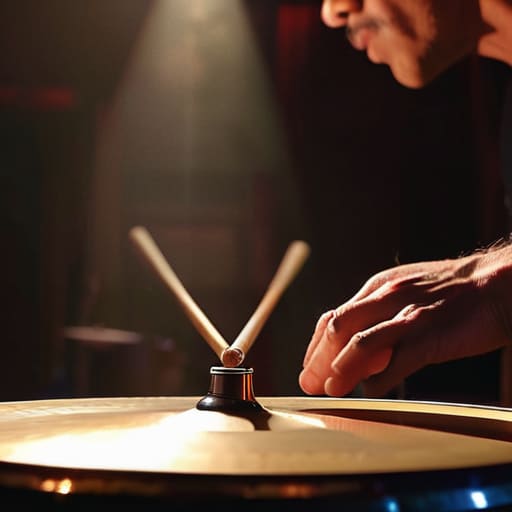
    Musicians playing The Lingering Note.

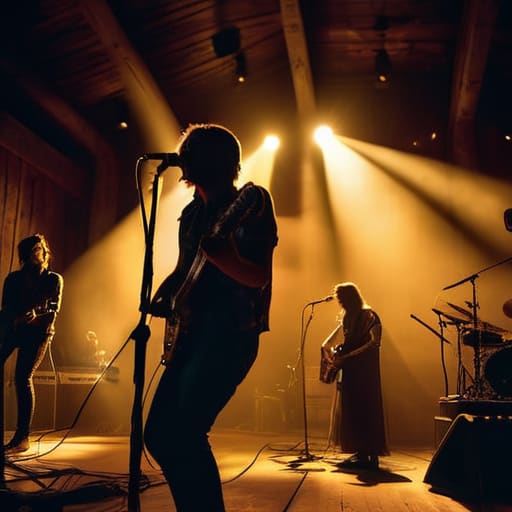
    As I sit here, looking over my sketches of the venue’s heavy timber beams and the way the light catches the dust in the air, I’m struck by how much these modern bands are actually carrying forward. We’ve seen how the new wave of musicians isn’t just mimicking the past, but rather reinterpreting the very essence of what it means to be loud and vulnerable at the same time. From the subtle, quiet resonances of the emerging artists to the grand, sweeping evolution of the established acts, there is a common thread of intentionality. They aren’t just playing songs; they are building sonic landscapes that demand you stop rushing and actually listen.

    Ultimately, the music we find in these dim, crowded rooms is rarely about the technical perfection of a riff or the polish of a studio recording. It is about that singular, fleeting moment when a melody finds a way to settle into your chest and stay there long after you’ve stepped back out into the cool night air. I hope you find the time to seek out those sounds—the ones that feel a bit raw, a bit unpolished, and entirely real. Don’t just consume the noise; seek out the soul within the distortion. After all, it’s the things that linger in the silence afterward that truly matter.

    Frequently Asked Questions

    How can we distinguish between bands that are merely chasing a trend and those that actually possess a lasting, soulful sound?

    It comes down to the texture of the sound. A band chasing a trend often feels polished to a fault—slick, predictable, and designed to fit perfectly into a fleeting playlist. But the bands that stay with you? They have a certain grit, a deliberate imperfection. You can hear the intention behind the notes. It’s that soulful resonance that doesn’t just hit your ears, but settles in your chest long after the set ends.

    Is there still a place for the slow, intentional artistry of the past in today's fast-paced, digital music landscape?

    I believe there is more than just a place for it; there is a necessity. In an era of algorithmic perfection and relentless speed, that intentional, slow-burning artistry acts as an anchor. When a band isn’t afraid to let a song breathe or allow a moment of silence to hang in the air, they invite us back into the room. It’s in those unhurried spaces that we actually begin to listen.

    Where can one find the small, dimly lit venues that still prioritize the raw connection between a musician and their audience?

    You won’t find these places on a glossy billboard or a trending algorithm. You have to look for the cracks in the city—the basement stairs tucked between a laundromat and a deli, or that unmarked door in a cobblestone alley. I’ve learned that the best spots usually announce themselves through a low hum of bass vibrating the sidewalk. Follow the sound, look for the dim amber glow, and walk in without expectations.

  • Finding Community in Board Game Cafes

    Finding Community in Board Game Cafes

    I remember sitting in a cramped, neon-lit corner of a downtown bistro last Tuesday, watching a group of youngsters struggle to navigate a digital menu while their eyes remained glued to their phones. It struck me then how much we have lost in our rush to be “efficient.” People often mistake the frantic energy of modern gaming lounges for true connection, but I’ve found that the best board game cafes aren’t about the loudest spectacle or the most expensive gadgets. They are about that quiet, tactile magic—the weight of a wooden token in your hand and the gentle friction of cardboard against a tabletop as a strategy slowly unfolds.

    I’m not here to give you a list of trendy hotspots designed for social media photos. Instead, I want to guide you toward the spaces that respect the art of the pause. I will share my observations on finding those rare sanctuaries where the lighting is dim, the coffee is warm, and the games invite you to actually look at the person sitting across from you. Let’s move past the hype and discover how to find a real sense of belonging in these modern-day living rooms.

    Table of Contents

    Finding Sanctuary in Local Community Gaming Hubs

    Finding Sanctuary in Local Community Gaming Hubs

    Finding Sanctuary in Local Community Gaming Hubs

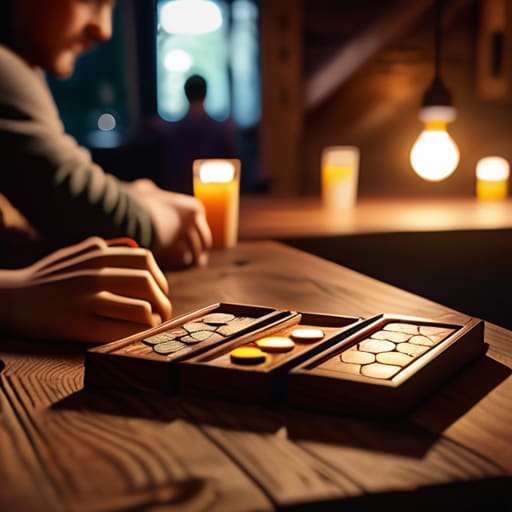
    I’ve always found that the most interesting stories aren’t found in books, but in the shared glances across a wooden table. When I wander into these community gaming hubs, I’m not looking for a loud, frenetic arcade atmosphere. Instead, I look for that specific, quiet gravity that pulls people together. There is a certain dignity in watching a group navigate a complex strategy game; you see the concentration, the shared laughter when a plan falls apart, and the slow building of a connection that feels far more substantial than a digital interaction.

    Stepping into these spaces requires a certain grace, a bit of what some might call board game cafe etiquette. It’s about respecting the silence of a fellow player lost in thought while remaining open to the warmth of the room. I often find myself sitting in a corner, sketching the heavy molding of the ceiling, while the low murmur of the social gaming culture unfolds around me. It isn’t just about the games themselves, but about the rare, unhurried permission to simply be present with others in the dim light of a Tuesday evening.

    Why Strategy Game Cafes Demand Our Full Attention

    Why Strategy Game Cafes Demand Our Full Attention

    There is a particular kind of stillness that settles over a table when a complex game begins to unfold. Unlike the frantic, flickering stimulation of a smartphone, strategy game cafes demand a different sort of presence. You aren’t just passing time; you are engaging in a quiet, mental choreography. I’ve found that as the pieces move and the rules take hold, the outside world—the deadlines, the traffic, the digital noise—simply ceases to matter. It requires a deliberate focus that we rarely afford ourselves in our modern, hurried lives.

    This immersion is what draws so many to the growing social gaming culture. When you are deep in a match, you aren’t just playing a game; you are participating in a shared ritual of intellect and patience. It’s a rare opportunity to practice the art of being truly present with others. In these spaces, the goal isn’t to rush toward a conclusion, but to savor the tension of a well-played move. To truly enjoy these best tabletop gaming venues, one must learn to embrace the slow burn of a long-form strategy, letting the complexity become a form of meditative calm.

    A Few Notes on Navigating the Table

    • Seek out the corners. When you arrive, don’t just settle for the first bright table near the door; look for the alcoves or the booths tucked away in the shadows where the light is a bit softer and the world feels a little more private.
    • Embrace the learning curve. There is a certain quiet dignity in being a novice; don’t be afraid to ask the staff for a demonstration, and allow yourself the grace to make mistakes as you learn the rhythm of a new game.
    • Let the phones rest. If you are there to connect with others or even just with the tactile weight of the pieces, keep your device in your pocket; the true magic happens in the spaces between the turns, not on a screen.
    • Respect the tempo. Every cafe has its own heartbeat, from the lively chatter of a weekend crowd to the meditative silence of a Tuesday afternoon—try to find your rhythm within theirs rather than imposing your own.
    • Savor the sensory details. Take a moment to notice the texture of the cards, the weight of the wooden dice, and the way the steam rises from your tea; these small, physical realities are what turn a simple game into a lasting memory.

    The Quiet Lessons of the Tabletop

    In a world that demands we constantly move faster, the deliberate pace of a well-played game serves as a necessary anchor, forcing us to trade digital noise for tangible, tactile connection.

    There is a unique kind of intimacy found in shared strategy; when you sit across from someone, focused on a common goal or a playful rivalry, you are finally practicing the lost art of being truly present.

    We must remember that the value of these spaces isn’t found in the complexity of the rules, but in the way they allow us to slow down, notice the small details, and find sanctuary in the hum of a shared evening.

    The Architecture of Connection

    “In an age where everything is designed to be swiped away in a second, there is a profound, quiet dignity in sitting across from another person, unfolding a map of cardboard and wooden tokens, and deciding to spend an entire evening simply being present in the same space.”

    Petra Lindgren

    The Last Move of the Evening

    The Last Move of the Evening game.

    As I pack my notebook away and watch the light fade against the cafe’s window, I realize that these spaces offer much more than a mere distraction. We have explored how these hubs serve as vital sanctuaries for local connection and how the intricate mechanics of a strategy game demand a level of undivided presence that our modern, glowing screens so often rob us of. Whether it is the tactile satisfaction of moving a wooden piece across a board or the shared laughter over a misunderstood rule, these cafes provide a rare, structured way to engage with one another without the constant pull of the digital world. They are, in many ways, the modern equivalent of the old town squares I used to study in the archives—places where community is built through shared ritual.

    Ultimately, my hope is that you find a corner in one of these establishments that feels like yours. Don’t just go for the games; go for the stillness that settles in when you finally stop rushing. Let the complexity of a new rulebook or the slow unfolding of a long-form campaign teach you the value of slowing down. In a world that feels increasingly fractured and hurried, there is a profound, quiet dignity in sitting across from a friend, focusing on a single task, and simply being present. Let us find the things that stay with us long after the cafe lights dim and the last dice have stopped rolling.

    Frequently Asked Questions

    How do I find a cafe that values a quiet, contemplative atmosphere over a loud, crowded party scene?

    Look for the places that don’t lead with neon signs or thumping bass. I tend to seek out those tucked-away spots where the lighting is low and the tables are spaced just far enough apart to allow for a bit of privacy. Check their social media—if the photos show people huddled over intricate maps rather than cheering at a crowded bar, you’ve found your sanctuary. A quiet hum of focus is always better than a roar.

    Is it possible to enjoy these spaces alone, perhaps just to observe the mechanics of a good game or enjoy the surroundings?

    I often find that the best way to truly see a place is to sit in its quietest corner. There is no rule saying you must arrive with a troupe of friends. I’ve spent many evenings tucked into a corner booth with nothing but my notebook and a single, meditative game of solitaire or a complex puzzle. Sometimes, watching the ebb and flow of a room—the way a group reacts to a sudden turn of luck—is more rewarding than playing at all.

    What should I look for in a cafe to ensure they respect the history and craftsmanship of the games they keep on their shelves?

    Look for the signs of stewardship. A place that respects its collection won’t have battered, taped-up boxes shoved haphazardly onto sagging shelves. Instead, look for organized rows, well-maintained components, and perhaps a dedicated staff who can speak to a game’s lineage. It’s the difference between a warehouse and a library. When you see games treated with a certain quiet reverence—neatly sleeved or carefully sorted—you know the establishment values the craft as much as the play.

  • What Defines a Live Acoustic Session

    What Defines a Live Acoustic Session

    I remember sitting in a corner booth at a basement club in Ann Arbor, the air thick with the scent of old wood and rain-dampened wool. There was no flashing strobe light or deafening wall of sound; there was just the rhythmic scrape of a pick against steel strings and a voice that sounded like it had lived a thousand lives. In those moments, during the most intimate live acoustic sessions, the world outside the heavy velvet curtains simply ceased to exist. It wasn’t about the spectacle or the production value, but rather that rare, unvarnished connection between the performer and the silence that follows a final chord.

    I’m not here to give you a curated list of the most expensive venues or the trendiest spots that are more about the Instagram photo than the music. Instead, I want to share what I’ve learned from decades of seeking out the soul of a room through its sound. I’ll guide you toward finding those quiet, meaningful spaces where the music actually stays with you long after you’ve stepped back out into the night. Let’s skip the noise and focus on the notes that truly matter.

    Table of Contents

    Finding Clarity in Stripped Back Musical Sets

    Finding Clarity in Stripped Back Musical Sets

    When I was working in the archives, I learned that the most important stories aren’t always the loudest ones; they are the ones whispered in the margins. I find that same truth in music. There is a particular kind of clarity that comes with stripped-back musical sets, where the artifice of a massive production is stripped away, leaving nothing but the marrow of the song. Without the wall of sound from a drum kit or the swell of synthesizers, you are forced to confront the melody as it truly is.

    In these moments, the raw vocal performances become the centerpiece of the evening. You start to notice the slight catch in a singer’s throat or the way a room falls into a heavy, respectful silence between verses. It isn’t just about hearing the notes; it’s about the shared breath of the crowd. These small venue music experiences act as a sort of sonic reset, pulling us out of our frantic, digital headspace and grounding us in the present. It reminds me that sometimes, to truly hear something, you have to let the noise fade away.

    The Magic of Raw Vocal Performances

    The Magic of Raw Vocal Performances.

    There is a particular kind of vulnerability that only exists when a singer is stripped of the safety net of heavy production. In those small, dimly lit rooms, you aren’t just hearing a melody; you are witnessing a person. When you encounter truly raw vocal performances, there is no digital correction to hide behind—only the slight tremor in a breath or the grit in a low note that tells a story of its own. It’s a startlingly intimate moment, one that demands you put down your phone and simply be present.

    I’ve often found that these small venue music experiences offer a clarity that a stadium show simply cannot replicate. Without the wall of sound, the nuances of a singer’s phrasing become the centerpiece of the evening. You start to notice how a voice can swell and recede like a tide, guided by nothing more than a handful of acoustic guitar arrangements. It reminds me of why I spent my career preserving old records; there is a profound, irreplaceable soul in the imperfections that make a performance feel human.

    A Few Small Ways to Truly Listen

    • Leave the phone in your coat pocket. It’s hard to catch the subtle vibration of a guitar string or the breath before a high note when you’re preoccupied with a glowing screen.
    • Find a seat that lets you see the hands. Whether it’s the way a musician fingers a fretboard or the grip on a microphone, watching the physical effort makes the music feel much more intimate.
    • Arrive early to soak in the silence. There is a specific, heavy kind of stillness in a room just before the first chord is struck; it’s the perfect moment to settle your own mind.
    • Don’t be afraid of the quiet moments. In an acoustic set, the pauses between songs are just as important as the melodies. Let the silence hang for a second; it gives the music room to breathe.
    • Pay attention to the room itself. The way the sound bounces off old wood or settles into velvet curtains changes the texture of the performance. Treat the venue as part of the instrument.

    The Quiet Lessons of a Live Set

    When you strip away the heavy production and the flashing lights, you’re left with the truth of the song—and that’s where the real connection happens.

    Learning to sit still in a room filled with nothing but a guitar and a voice teaches us a patience that our modern, hurried lives often lack.

    The most enduring memories aren’t found in the loudest moments, but in the small, unpolished details that linger in your mind long after you’ve walked out into the night.

    The Weight of a Single Note

    “In a world that seems determined to shout at us, there is a profound, quiet dignity in an acoustic set. It’s the difference between a crowded street and a conversation in a dim corner; you aren’t just hearing the music, you’re finally sitting still enough to feel it.”

    Petra Lindgren

    The Quiet Afterglow

    The Quiet Afterglow of a vinyl record.

    As I sit here in my study, the faint scratch of a needle reaching the end of a record reminding me of the evening’s themes, I’m struck by how much we gain when we strip away the noise. We’ve talked about how the clarity of a single guitar and the raw, unvarnished truth of a human voice can pierce through the clutter of our modern lives. Whether it is the way a singer’s breath catches in a quiet room or the way a simple melody can suddenly make the world feel smaller and more intimate, these sessions remind us that perfection isn’t the goal. It is the vulnerability of the moment that actually matters.

    I hope you take this as an invitation to seek out those dim rooms and soft melodies whenever the world feels a bit too loud. Don’t just go to hear the music; go to feel the space between the notes. In a culture that demands we move faster and shout louder, choosing to sit in silence and listen to a single soul express itself is a quiet act of rebellion. Let us make a habit of finding those intentional pauses in our schedules. After all, the most profound things in life rarely arrive with a fanfare; they usually arrive in the soft glow of a shared, quiet song.

    Frequently Asked Questions

    How can you tell when a venue is actually built for acoustic music versus just being a loud bar that happens to have a quiet night?

    You look at the bones of the room. A real acoustic venue doesn’t fight the sound; it cradles it. Look for soft surfaces—heavy velvet curtains, wood paneling, or even thick rugs—that catch the echoes before they become a mess. If the room is all hard glass and polished concrete, you’re just in a loud bar playing pretend. A space built for music feels intentional, designed to let the quietest note breathe.

    Is there a particular way to approach these smaller, more intimate shows without feeling like you're intruding on the performer's space?

    It’s a delicate question, isn’t it? I used to feel that same hesitation when I first started frequenting these smaller rooms. My advice is to treat the space with a quiet sort of reverence. Arrive early, find a seat that feels natural rather than performative, and let your presence be felt through your attention rather than your movement. If you’re truly listening—really, deeply listening—the performer won’t feel intruded upon; they’ll feel understood.

    What should I look for in a setlist to ensure I'm getting a truly soulful experience rather than just a collection of radio hits?

    When I’m looking at a setlist, I’m not looking for a countdown of the songs I already know by heart. I’m looking for the gaps—the places where a performer takes a breath to tell a story or play something that feels a bit more vulnerable. Look for a mix of unexpected covers and original compositions that lean into the tempo of the room. If the list feels like a rehearsed sprint, keep walking; if it feels like a conversation, stay.

  • Finding Professional Musical Instrument Repair

    Finding Professional Musical Instrument Repair

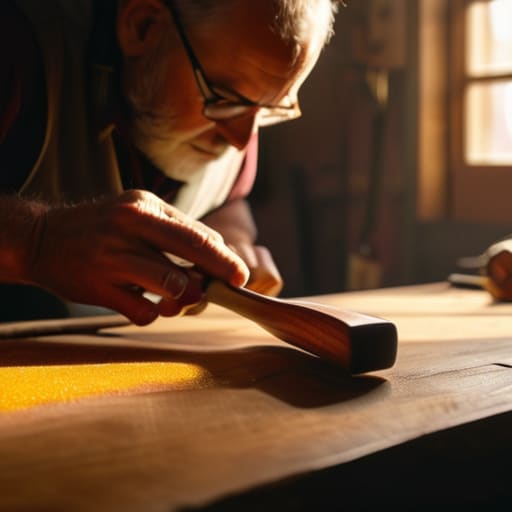
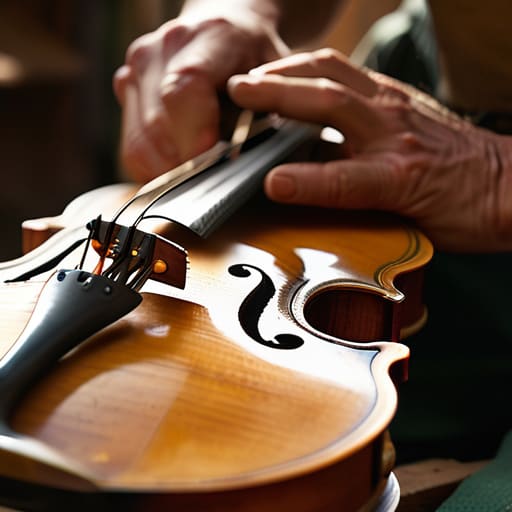
    I remember sitting in a dim basement workshop back in the late seventies, the air thick with the scent of cedar shavings and lemon oil, watching a master luthier work on a bruised cello. He didn’t reach for the most expensive synthetic resins or the flashiest modern gadgets; he simply listened to the wood. It struck me then that so much of what we are told about musical instrument repair today is nothing more than expensive noise designed to separate a musician from their savings. We’ve been sold this idea that a broken instrument requires a high-tech overhaul, when in reality, most of the time, it just needs a steady hand and a deep respect for the history etched into the grain.

    I’m not here to sell you on miracle cures or the latest overpriced boutique fixes. Instead, I want to share what I’ve gathered from decades of observing how things are actually built, broken, and mended. I promise to offer you honest, straightforward guidance on navigating the world of repairs without the industry fluff. We’ll focus on how to identify true craftsmanship, how to spot a technician who actually cares about the soul of your instrument, and how to ensure that your music continues to linger in the air long after the repair is done.

    Table of Contents

    Mastering Instrument Restoration Techniques for Timeless Resonance

    Mastering Instrument Restoration Techniques for Timeless Resonance

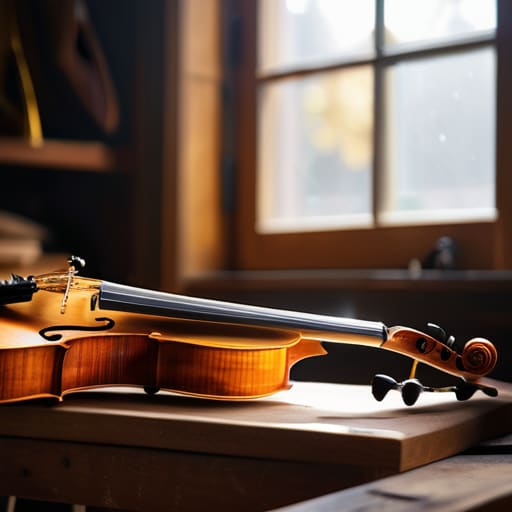
    There is a certain quiet dignity in the way a well-maintained instrument responds to a player’s touch. When I sit in a dimly lit club, watching a cellist coax a melody from a weathered instrument, I’m not just hearing notes; I’m hearing the result of careful stewardship. Achieving that level of clarity requires more than a quick fix; it demands a deep understanding of specialized instrument restoration techniques that respect the history of the object. Whether it is the delicate tension required for a proper string instrument setup or the intricate work of stabilizing aged varnish, the goal is always to honor the original maker’s intent while breathing new life into the wood and wire.

    It is easy to overlook the small things until they become insurmountable problems. I’ve learned through years of observing both archives and artists that the most profound resonance often comes from the most meticulous attention to detail. Sometimes, that means seeking out professional music technician services to handle the heavy lifting, ensuring that every valve, key, and bridge is aligned with mathematical precision. It isn’t about making something look brand new; it is about ensuring the soul of the music isn’t lost to the friction of neglect.

    The Gentle Grace of Professional Music Technician Services

    The Gentle Grace of Professional Music Technician Services

    There is a certain kind of heartache in seeing a beautiful instrument sit idle, gathering dust in a corner because its voice has grown thin or temperamental. I remember an old upright bass I once encountered in a basement archive; it was a magnificent piece of history, yet it had lost its ability to sing. This is where the true artistry of professional music technician services comes into play. It isn’t merely about fixing a mechanical failure; it is about understanding the temperament of the wood and the tension of the soul. A skilled technician doesn’t just patch a hole; they listen to what the instrument is trying to say.

    Entrusting your gear to a specialist is an act of stewardship. Whether you require a meticulous string instrument setup to restore that perfect, honeyed resonance or a deep, restorative cleaning for a brass piece that has seen too many smoky club nights, these experts preserve the continuity of music. Taking the time for preventative instrument care is perhaps the greatest kindness you can show to your craft. It ensures that when the evening finally slows down and the lights dim, your instrument is ready to provide the melody that lingers.

    The Small Gestures That Keep the Music Alive

    • Treat your instrument like a living thing, not a piece of equipment. A gentle dusting with a soft cloth after a long evening of playing does more for its longevity than any heavy-duty cleaner ever could.
    • Listen closely to the silence between the notes. If you notice a sudden dryness in the tone or a slight hesitation in a string’s vibration, don’t ignore it; those tiny whispers are often the first signs that something needs a steady hand.
    • Respect the climate of your home. I’ve seen too many beautiful violins and guitars suffer because they were left too close to a radiator or in a drafty corner; wood has a memory, and it remembers the humidity of the room long after you’ve put the instrument away.
    • Keep a small kit of the essentials, but know when to put the tools down. It’s fine to tighten a peg or clean a mouthpiece, but if a repair feels like it requires force, stop immediately. There is a fine line between maintenance and damage.
    • Build a relationship with a craftsman you trust. Just as I rely on certain archives to preserve a city’s history, your instrument deserves a technician who understands its lineage and treats its restoration as a labor of respect rather than just a transaction.

    Lessons from the Workbench

    Treat your instrument not as a mere tool, but as a vessel for memory; proper maintenance ensures that the voice which carried you through your youth doesn’t fall silent when you need it most.

    Understand that true restoration is a patient dialogue between the craftsman and the wood, requiring a steady hand and a respect for the original maker’s intent.

    Seek out technicians who value the soul of the instrument over the speed of the repair, for a rushed fix can never replicate the warmth of a perfectly resonant tone.

    ## The Weight of a Silent Note

    “An instrument isn’t just a collection of wood, wire, and lacquer; it is a vessel for memory. When a string snaps or a neck warps, it isn’t just the mechanics that fail—it is the bridge between the musician and the soul of the song. To repair an instrument is to perform a quiet act of preservation, ensuring that the melodies which define our lives don’t simply fade into the silence of a dusty case.”

    Petra Lindgren

    The Last Note Lingers

    The Last Note Lingers in restored instruments.

    As we have explored, the journey of maintaining an instrument is far more than a mere matter of mechanical upkeep; it is an act of stewardship. Whether you are meticulously applying restoration techniques to bring a vintage woodwind back to life or deciding when to entrust your most precious violin to the steady, practiced hands of a professional technician, you are essentially preserving a voice. We have seen how the right care can bridge the gap between a silent relic and a living, breathing source of melody. By focusing on both the technical precision of the repair and the gentle grace required to handle such delicate history, we ensure that the integrity of the sound remains uncompromised for the next generation of players.

    In the end, I find that we don’t just repair wood, metal, or string; we repair the connection between the musician and their medium. There is a profound, quiet dignity in taking the time to fix what is broken rather than simply discarding it for something new and shiny. I hope you take a moment to listen closely to your own instruments—to hear the subtle shifts in their character and the stories they might be trying to tell. Let us not rush toward the replacement, but instead, find the joy in the slow, intentional process of restoration. After all, the most beautiful music is often found in the things that have been loved enough to be mended.

    Frequently Asked Questions

    How do I know if a vintage instrument is worth the cost of a full restoration, or if I should simply cherish it as it is?

    It’s a question that tugs at the heart, isn’t it? I often ask myself the same thing when I find a dusty horn in a shop window. If the instrument’s soul—its unique voice—is still intact, but it’s simply silenced by age, then restoration is a worthy investment. However, if the structural decay has fundamentally altered its character, there is a quiet dignity in letting it rest. Sometimes, the most beautiful thing is simply the memory of the music it once made.

    Is there a way to tell the difference between a repair that preserves an instrument's history and one that accidentally strips away its character?

    It’s a delicate distinction, isn’t it? I often see it in the archives—a document scrubbed so clean it loses its story. With an instrument, look for the “scars.” A repair that respects history leaves the patina intact; it honors the wear on the wood or the slight indentation where a player’s hand rested for decades. If the instrument looks brand new, suspiciously sterile, they’ve likely polished away its soul. Real restoration preserves the journey, not just the function.

    How can I best care for my instruments at home to prevent the kind of wear that requires such heavy-handed intervention?

    It really comes down to respect for the materials. I always tell people: treat your instrument like a living thing. Keep it away from those harsh, sweeping temperature changes—dry heat is a quiet killer of wood. A simple, soft cloth to wipe away the oils from your hands after a session, and perhaps a bit of humidity control in the room, can go a long way. It’s about those small, mindful rituals of care.

  • The Beauty of Acoustic Sessions

    The Beauty of Acoustic Sessions

    I was sitting in a corner booth at a dimly lit club last Tuesday, watching a young man try to explain the “sonic architecture” of a local performance using nothing but jargon and a smartphone. It felt hollow. We’ve reached this strange point where people think they need high-priced tickets and complex technical explanations to appreciate music, but they miss the point entirely. Real acoustic sessions aren’t about the gear or the prestige; they are about that sudden, quiet moment when the room stops breathing and you realize you are finally actually listening.

    I’m not here to give you a lecture on sound engineering or a list of the trendiest venues in the city. Instead, I want to share what I’ve learned from forty years of looking for the soul in things—how to find those rare, unpolished moments where the music actually settles into your bones. I’ll guide you toward the kind of evenings that demand your full attention, focusing on the quiet magic of a single voice and a wooden instrument. Let’s stop rushing through the noise and start finding the things that actually stay with us long after the final note fades.

    Table of Contents

    Finding Stillness in Intimate Live Music Settings

    Finding Stillness in Intimate Live Music Settings

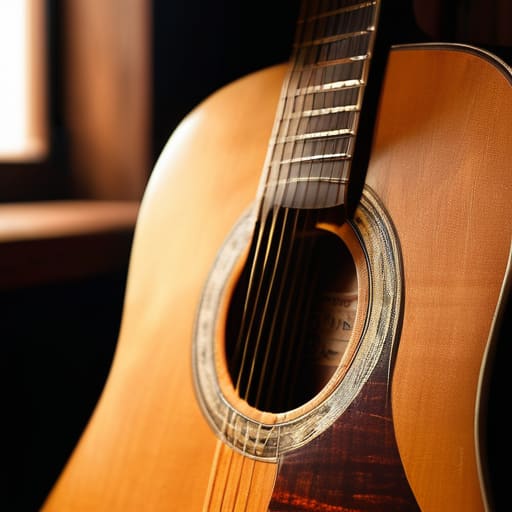
    There is a specific kind of magic that happens when the electric hum of the city fades into the background, replaced by the tactile warmth of a wooden guitar body. In these intimate live music settings, the distance between the performer and the listener simply evaporates. I’ve often found myself sitting in the back corner of a dimly lit lounge, notebook resting on my knee, watching how a single spotlight can turn a room into a sanctuary. When the music is stripped of its artifice, you aren’t just hearing a song; you are witnessing a moment of profound vulnerability.

    It’s in these quiet spaces that I truly appreciate the nuance of stripped-back musical performances. Without the wall of sound provided by heavy amplification, you begin to notice the small things: the slight catch in a singer’s breath, the rhythmic tap of a foot on floorboards, or the resonance of a cello. These aren’t just performances; they are invitations to slow down. We spend so much of our lives bracing for the next loud thing that we forget how much power resides in the gentle, unadorned truth of a single melody.

    The Soulful Pull of Stripped Back Musical Performances

    The Soulful Pull of Stripped Back Musical Performances

    There is a particular kind of magic that happens when the electricity is cut and all that remains is the wood of a cello or the hollow body of a guitar. In my years archiving old city records, I learned that the most profound truths are often found in the margins, not the headlines. I find the same to be true with stripped-back musical performances. When a performer sheds the safety net of a full band and heavy production, they are offering you something incredibly vulnerable. You aren’t just hearing a song; you are hearing the slight catch in a singer’s breath and the rhythmic slide of fingers across steel strings.

    It’s a sensory experience that demands your full attention. Unlike the loud, polished spectacles that dominate our modern playlists, these live acoustic arrangements don’t try to overpower you. Instead, they invite you in. I often find myself sitting in the corner of a quiet lounge, sketching the way the light hits the instrument, realizing that the lack of noise actually makes the music feel much larger. It’s in these unadorned moments that the melody truly finds its home in your memory.

    A Few Small Ways to Truly Listen

    • Leave the phone in your pocket. There is a certain magic in the way a room settles when no one is looking at a screen; it allows the music to occupy the space where your distractions used to live.
    • Find a seat that offers a view of the details. I often look for a corner where I can see the grain of the wood or the way the light catches the instrument—it helps you feel like a participant rather than just a spectator.
    • Embrace the silence between the notes. In an acoustic setting, the quiet moments are just as intentional as the melody. Don’t rush to fill them with conversation; let the resonance linger.
    • Seek out the smaller, older venues. The grand halls have their charm, but there is a specific kind of honesty found in a room with low ceilings and history etched into the walls.
    • Allow yourself to be moved without a plan. Don’t worry about where you’re going next or what time you need to be home. The best way to experience these sessions is to simply let the evening unfold at its own pace.

    What Remains When the Music Fades

    True connection happens in the quiet spaces between notes, where you aren’t just a spectator, but a witness to the artist’s raw intent.

    By choosing intimacy over spectacle, we allow ourselves the rare luxury of presence—the ability to actually sit still and listen without the need to rush toward the next thing.

    The most enduring memories aren’t found in the loud and the flashy, but in those soft, stripped-back moments that linger in your mind long after you’ve stepped back out into the street.

    The Weight of a Single Note

    There is a particular kind of honesty that only emerges when you strip away the electricity and the artifice; when it’s just a wooden instrument and a human voice, you aren’t just listening to a song, you’re witnessing a moment that refuses to be rushed.

    Petra Lindgren

    The Echo After the Last Note

    The Echo After the Last Note photograph.

    As I sit here in the corner of this little club, sketching the way the shadows fall against the brickwork, I find myself reflecting on why these quiet moments matter so much. We’ve spent a lot of time discussing how acoustic sessions offer us a reprieve from the noise, providing a space where the music isn’t just heard, but truly felt. Whether it is the way a single guitar string vibrates in a silent room or the raw, unpolished honesty of a singer’s voice, these performances strip away the artifice of the modern world. They remind us that there is a profound power in simplicity and intentionality, teaching us to listen to the spaces between the notes just as much as the melody itself.

    When you finally step back out into the rush of the street, I hope you carry a bit of that stillness with you. Don’t let the world pull you back into that frantic, breathless pace quite so quickly. Instead, try to find your own version of an acoustic session in the everyday—a quiet walk, a slow cup of coffee, or a moment of genuine connection. Life isn’t meant to be lived at a sprint; it is meant to be savored in the dim light. Let us make a pact to stop rushing through our lives and start noticing the details that actually stay with us long after the music has faded.

    Frequently Asked Questions

    How can I tell if a venue is truly suited for an acoustic set, or if it's just a loud bar playing music at a lower volume?

    It’s the difference between a conversation and a shout. Look for the architecture of the room—is there wood, fabric, or soft corners to catch the sound, or is it all hard glass and concrete? A true acoustic venue invites you to lean in; you shouldn’t have to strain to hear the singer’s breath. If you can still hear the clatter of a cocktail shaker over the melody, it’s just a bar with a volume knob.

    What should I look for in a performer's repertoire when I'm seeking that specific sense of intimacy and connection?

    I tend to look for artists who aren’t afraid of the silence between the notes. When I’m scanning a setlist, I’m searching for songs that feel like secrets—pieces that rely on storytelling rather than sheer volume. Look for those unexpected covers or deeply personal compositions that demand you lean in just a little closer. If the repertoire feels like a conversation rather than a lecture, you’ve found exactly what you’re looking for.

    Are there certain times of the week or specific types of establishments where these more intentional, stripped-back performances are most likely to happen?

    I’ve found that these moments rarely happen in the middle of a Friday night rush. You’re better off looking toward Tuesday or Wednesday evenings—the “quiet” nights when the city exhales. Seek out those dimly lit basement jazz clubs or small, independent bookstores that host evening readings. They tend to value the silence between the notes. Avoid the loud, neon-soaked bars; look instead for the places where the architecture feels heavy and the lighting stays low.

  • The Evolution of Modern Dance

    The Evolution of Modern Dance

    I remember sitting in a drafty, converted warehouse in Chicago last autumn, the kind of place where the scent of floor wax and old brick hangs heavy in the air. I wasn’t there for a polished ballet, but for a piece of modern dance that felt more like a conversation than a performance. There was no rigid geometry, just the raw, rhythmic sound of bare feet hitting the wood and the heavy, intentional breath of a dancer lost in a moment of pure, unscripted tension. It wasn’t “pretty” in the traditional sense, but it was profoundly human, and it stayed with me long after I walked back out into the cool night air.

    I’m not interested in the academic jargon or the pretension that often surrounds this art form. My goal here isn’t to teach you the technical terminology that keeps people at arm’s length; rather, I want to help you actually feel the movement. I promise to share my observations on how to look past the abstraction to find the soul beneath the motion. We are going to explore how to appreciate the weight, the silence, and the quiet beauty of a body in motion, without any of the unnecessary hype.

    Table of Contents

    Tracing the History of Modern Dance Techniques

    Tracing the History of Modern Dance Techniques

    I remember sitting in the archives back in Ann Arbor, flipping through old, grainy photographs of dancers from the early twentieth century. There was a certain weight to those images, a sense that something fundamental was shifting. To understand the history of modern dance techniques, you have to look past the polished grace of the ballet stage and see the rebellion. It wasn’t just about new steps; it was a rejection of the rigid, artificial structures that had governed the body for centuries. Dancers like Isadora Duncan weren’t looking for perfection; they were looking for truth.

    They sought artistic expression through movement that felt as raw and unpredictable as a sudden downpour. Instead of the gravity-defying leaps of the classical era, these pioneers embraced the floor, the breath, and the heavy, beautiful reality of weight. They traded silk slippers for bare feet, finding a new language in the tension between stillness and sudden, explosive energy. It was a transition from performing a role to inhabiting a feeling, a shift that turned the stage into a space for something much more deeply human.

    The Art of Artistic Expression Through Movement

    The Art of Artistic Expression Through Movement.

    When I sit in the corner of a darkened theater, watching a performer navigate the stage, I’m not looking for perfect geometry or the rigid precision of a ballet corps. I’m looking for that heavy, unspoken tension in a dancer’s shoulders—the kind that tells a story without a single word being uttered. This is where the true essence of artistic expression through movement resides. It isn’t about the athletic feat of a leap, but rather the way a body yields to gravity or resists it, creating a visual language that feels as intimate as a whispered secret in a jazz club.

    To truly appreciate this, one has to look past the spectacle and observe the intentionality of every gesture. It’s a delicate balance of breath and muscle, where the dancer uses their entire being to channel an emotion that words often fail to capture. While many focus on the technicalities of expressive movement styles, I find myself drawn to the pauses—the stillness between the motions. It is in those quiet, suspended moments that the dancer connects with the audience on a visceral level, leaving us with a feeling that lingers long after the curtain falls.

    How to Truly Listen When the Body Starts to Speak

    • Stop looking for the perfection of a line. In my years archiving old films, I’ve learned that the most profound moments aren’t in the flawless extension, but in the slight, trembling hesitation before a leap. Look for the breath, not just the limb.
    • Pay attention to the silence between the movements. Just as a jazz soloist uses the space between notes to build tension, a dancer uses the stillness to ground the room. Don’t rush to the next big motion; let the quiet settle in your bones first.
    • Watch the relationship between the dancer and the floor. Modern dance isn’t about defying gravity like a ballerina; it’s about a heavy, honest conversation with the earth. Notice how they use their weight to find gravity, rather than fighting it.
    • Seek out the grit beneath the grace. There is a certain beauty in the sweat and the visible effort of a body pushed to its limit. It reminds me of a worn vinyl record—there’s a soul in the imperfections that a pristine digital file simply can’t replicate.
    • Let yourself feel the rhythm of the emotion, not just the tempo of the music. Sometimes the most moving modern pieces move against the beat entirely. Don’t try to count the steps in your head; instead, try to find where the movement lives in your own chest.

    What Lingers After the Music Fades

    Modern dance isn’t a set of rules to memorize, but a rebellion against them—a way to find truth in the raw, unpolished movements that ballet often polishes away.

    To truly appreciate the craft, you have to stop looking for perfect symmetry and start looking for the intention behind a single, heavy breath or a sudden, sharp stillness.

    The history of the form is a map of human emotion; every technique we see on stage is just a way of making the invisible, internal struggles of the soul visible to the rest of us.

    The Weight of a Single Gesture

    “Modern dance isn’t about the spectacle of a leap or the precision of a turn; it’s about that heavy, quiet moment when a dancer stops fighting the gravity of the room and finally starts breathing with it. It’s the movement that happens in the pauses, the kind that lingers in your mind long after the music has faded into the shadows.”

    Petra Lindgren

    The Final Bow

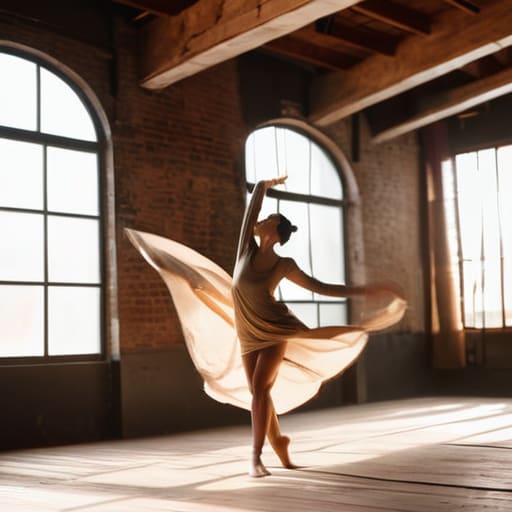
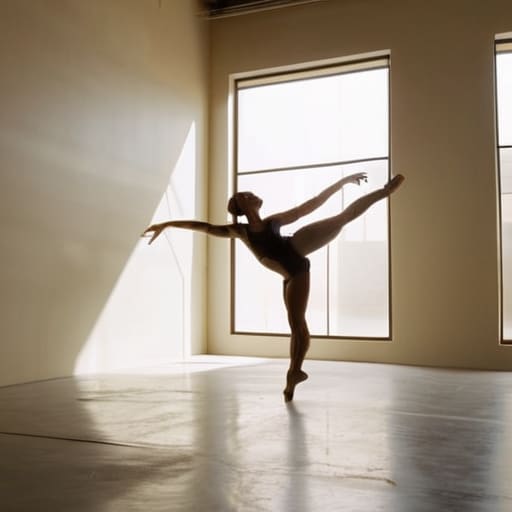
    Modern dancer performing The Final Bow.

    As I sit here in the quiet of my study, looking over my sketches of the stage architecture, I find myself reflecting on how much we have covered. We have traced the evolution of these movements from their rebellious, structured beginnings to the raw, uninhibited expression that defines the genre today. Modern dance isn’t just a collection of technical shifts or a timeline of historical milestones; it is a living, breathing dialogue between the human body and the space it occupies. It is the way a dancer uses gravity to tell a story of struggle, or how a sudden, sharp movement can pierce the silence of a room just as effectively as a trumpet blast in a jazz club. It is about the intentionality of every breath taken before the music even begins.

    I hope that the next time you find yourself in a darkened theater, you don’t just watch the dancers—I hope you feel them. Don’t rush to check your watch or think about tomorrow’s errands. Instead, allow yourself to sink into the shadows and notice the way a single gesture can linger in your mind long after the curtain falls. Life moves far too quickly for us to miss these moments of profound, quiet beauty. Let the movement remind you to slow down and notice the details, for it is in those unscripted, breathless moments that we truly find what stays with us.

    Frequently Asked Questions

    How can I begin to appreciate the subtle storytelling in a piece if I don't understand the specific movement vocabulary being used?

    Don’t worry about the terminology; you don’t need a glossary to feel a heartbeat. When I sit in a darkened theater, I stop trying to “read” the steps and start looking for the intention behind them. Watch the tension in a dancer’s hands or the way a sudden stillness breaks the rhythm. If you focus on the breath and the weight of the movement, the story will find you. Just let yourself feel it.

    Is there a way to experience modern dance that feels more intimate, perhaps away from the grand, polished stages of the major companies?

    I often find myself seeking exactly that. The grand stages have their majesty, certainly, but they can feel a bit distant, almost untouchable. If you want to feel the pulse of the movement, look toward the basement studios and the small, unpolished black-box theaters. There is something profoundly moving about seeing a dancer’s breath in a cramped room, where the grit of the floor meets the sweat of the effort. That’s where the real soul lives.

    Where is the line between raw, uninhibited expression and something that feels too abstract to truly connect with?

    It’s a delicate thing, isn’t it? I often think of it like a jazz solo. If it’s all technical scales, it’s cold; if it’s pure chaos, it’s just noise. The line is found in the intention. When a dancer moves, I’m not looking for a storybook plot, but for a recognizable human impulse—a reach, a recoil, a heavy breath. If I can feel the weight of their emotion, the abstraction doesn’t matter.

  • Exploring the History of Rhythm Through Books

    Exploring the History of Rhythm Through Books

    I remember sitting in the back corner of a dimly lit jazz club in Chicago, the air thick with the scent of old wood and rain-dampened wool, listening to a drummer find a pocket that felt like it had existed since the beginning of time. I realized then that you can’t truly understand that feeling just by listening; you have to understand the lineage of the beat itself. I’ve spent far too many hours wading through academic journals that treat music like a math equation, searching for books on the history of rhythm that actually possess a soul. Most of what you find in the heavy stacks is either too clinical to be enjoyed or so shallow it leaves you feeling unfulfilled.

    I’m not here to give you a dry bibliography or a lecture on musicology. Instead, I want to share a curated selection of readings that I’ve personally turned to when I need to understand the heartbeat of a culture. These are the stories that bridge the gap between a sheet of music and the human spirit. My promise to you is simple: I will guide you toward the texts that don’t just explain how a rhythm is constructed, but why it stays with us long after the final note has faded into the night.

    Table of Contents

    The Anthropology of Drumming and Human Connection

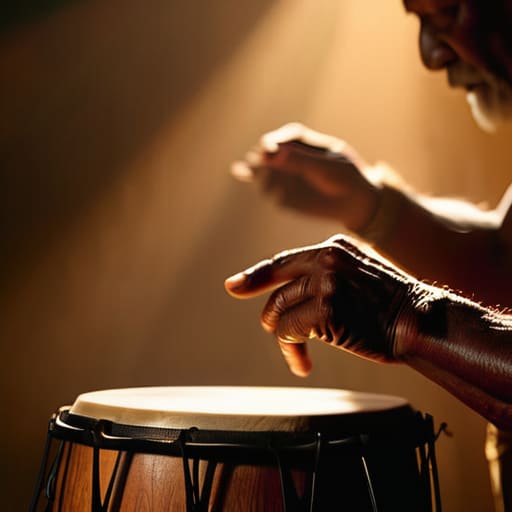
    The Anthropology of Drumming and Human Connection.

    There is something deeply primal about the way a beat settles in your chest, a sensation that transcends mere entertainment. As I sit in these dimly lit corners, watching the way a drummer’s hands move, I am often reminded that we aren’t just listening to music; we are participating in an ancient ritual. When you dive into the anthropology of drumming, you begin to realize that the drum was likely our first true language. It wasn’t just about keeping time; it was about signaling, storytelling, and binding a community together through a shared pulse.

    I found myself tracing these connections recently while leafing through a few texts on the origins of polyrhythms. It’s fascinating to see how different cultures developed complex, layered beats that mirror the beautiful chaos of life itself. These layers aren’t just mathematical accidents; they are the fingerprints of human social evolution. To understand the beat is to understand how we learned to move, breathe, and exist alongside one another in the dark.

    Uncovering the Ancient Origins of Polyrhythms

    Uncovering the Ancient Origins of Polyrhythms.

    When I sit in a quiet corner of a jazz club, watching the drummer’s hands dance across the skins, I often wonder how we arrived at such complexity. It wasn’t a sudden spark, but a slow, steady unfolding. To understand the origins of polyrhythms, one must look past the modern drum kit and back toward the communal fires of our ancestors. These layers of sound weren’t just for entertainment; they were the very scaffolding of social cohesion.

    As I flip through my notes on the anthropology of drumming, I am struck by how these overlapping beats mirror the complexities of human life itself—multiple truths occurring at once, yet held together by a single, underlying pulse. It is a fascinating intersection where the mathematics of musical meter meets the raw, unbridled emotion of the human spirit. We aren’t just hitting skins; we are tracing the ancient lines of how we have communicated through the ages, long before the written word could capture the nuance of a heartbeat.

    How to Curate Your Own Library of Sound

    • Don’t just look for dates and names; seek out the authors who write about the feeling of the beat. A good book on rhythm should make you want to tap your fingers against the mahogany of a table, not just memorize a timeline.
    • Look for the physical connections. I always prefer books that include musical notation or diagrams of instruments; seeing how a hand moves across a drum skin helps bridge the gap between the ink on the page and the sound in your head.
    • Follow the lineage of the groove. When you find a book that resonates, look at its bibliography. Music is a conversation that spans centuries, and the best way to understand a modern jazz record is to trace the rhythmic ghosts found in the older texts.
    • Read with your ears open. I find it helpful to have a record playing—something subtle, perhaps some early percussion studies or even some low-tempo blues—while I dive into these histories. It turns reading from a solitary task into a sensory experience.
    • Seek out the cultural context, not just the technicality. A book that explains why a specific rhythm was played in a specific courtyard or a specific basement club is worth ten books that only discuss tempo and time signatures. Find the soul behind the math.

    The Echoes We Carry Forward

    Rhythm isn’t just a technical arrangement of beats; it is a primal, shared language that has tethered us to one another since the first drumbeat echoed in a communal circle.

    To truly understand the history of sound, we must look past the sheet music and study how complex polyrhythms served as the very architecture of human culture and social cohesion.

    By studying these historical rhythms, we learn to listen more deeply to the world around us, finding the intentionality and soul that often get lost in the rush of modern life.

    The Ink and the Beat

    “To read about the history of rhythm is to realize that we aren’t just listening to music; we are tracing the very heartbeat that has kept us human through every century. These books don’t just offer facts; they offer a map to the steady, driving pulse that has always connected us, even in the deepest silence.”

    Petra Lindgren

    The Echoes That Remain

    Rhythm history: The Echoes That Remain.

    As we close these pages, it becomes clear that studying the history of rhythm is about much more than tracing the evolution of a beat or the mechanics of a drumhead. We have journeyed from the primal, communal necessity of the earliest polyrhythms to the complex, sociological structures that define how we connect through sound today. These books serve as more than just academic texts; they are maps of the human spirit. They remind us that every syncopated note and every driving cadence is a thread in the vast tapestry of our shared existence, proving that rhythm is the very language we used to find one another long before we had words.

    I often find myself sitting in the back of a dimly lit club, watching the way the light catches the brass of a saxophone, and I realize that the history we’ve discussed isn’t confined to dusty archives or heavy volumes. It is alive, breathing in every vibration that moves through the floorboards. My hope is that you don’t just read these accounts, but that you let them change how you listen. Next time you find yourself lost in a melody, slow down and listen for the ghosts of those ancient rhythms. Let the music settle into your bones, and remember that the most profound stories are often the ones told without a single word.

    Frequently Asked Questions

    Are there any specific texts that focus more on the emotional or spiritual impact of rhythm rather than just the technical mechanics?

    You’ve touched on the very thing that keeps me coming back to these pages. If you want to move past the math of the beat and into the soul of it, I’d suggest looking into works that explore ethnomusicology through a more phenomenological lens. There are beautiful texts that treat rhythm not as a sequence of notes, but as a spiritual conduit—a way for the human spirit to find its footing when the world feels too loud.

    Which books would you recommend for someone who wants to understand how rhythm evolved specifically within the jazz era?

    If you’re looking to trace that specific, syncopated heartbeat from the streets to the clubs, I’d start with Gunther Schuller’s Early Jazz. It’s a meticulous study, much like the archives I used to tend, but it breathes. For something that captures the soul of the evolution, look for Ted Gioia’s The History of Jazz. It doesn’t just list dates; it explains how the rhythm shifted under our feet, changing the very air of the night.

    Is there a particular reading list that bridges the gap between academic history and the actual, lived experience of musicians?

    I often find myself looking for that exact bridge. To move beyond the dry dates and dusty footnotes, I’ve found myself returning to works like Ingrid Monson’s Freedom Sounds. It doesn’t just list rhythms; it breathes with the musicians. I also suggest looking into the memoirs of jazz percussionists. They capture the sweat and the intuition—the things a textbook simply cannot hold—reminding us that rhythm is less a science and more a way of being.

  • An Introduction to Soundscape Design

    An Introduction to Soundscape Design

    I remember sitting in a dimly lit jazz cellar in Chicago back in the late seventies, the kind of place where the air felt thick with history and the low hum of a double bass seemed to vibrate right in your marrow. It wasn’t just about the music playing; it was the way the clink of a glass and the hushed murmur of a nearby table felt like they were part of the composition itself. Most people think soundscape design is some high-tech, expensive endeavor involving complex software and sterile acoustic panels, but they couldn’t be more wrong. Real atmosphere isn’t manufactured in a lab; it’s found in the spaces between the notes, in that delicate balance where noise stops being a distraction and starts becoming a memory.

    I’m not here to sell you on overpriced gadgets or the latest industry buzzwords that promise to “optimize your auditory environment.” Instead, I want to share what forty years of listening has taught me about creating spaces that actually breathe. We’re going to look at how to craft an intentional, soulful environment by focusing on the textures of sound that linger long after you’ve walked out the door.

    Table of Contents

    Applying Acoustic Ecology Principles to the Quiet Hours

    Applying Acoustic Ecology Principles to the Quiet Hours.

    When I was working in the archives, I learned that the most important part of a collection isn’t just what is present, but how the gaps between the records allow the history to breathe. We can apply those same acoustic ecology principles to the way we curate our evening environments. It isn’t about achieving total silence—which can often feel clinical or even unsettling—but about finding a balance where the sounds present feel intentional. Think of it as composing a nocturne rather than just turning down the volume.

    To truly master the quiet hours, one must consider psychoacoustics in architecture, or how the very shape of a room dictates our emotional response to sound. A room with too much reverb can feel chaotic, while one that is too dampened can feel stifling. I’ve found that the most restorative spaces are those that allow for a sense of auditory spatial awareness, where a distant piano melody or the soft clinking of glassware feels like it has its own dedicated place in the air. We should aim to create environments that don’t just mask the world, but gently frame it.

    Biophilic Sound Design for a Life Well Lived

    Biophilic Sound Design for a Life Well Lived

    There is a particular kind of peace found in the way a forest breathes, a rhythmic, unhurried cadence that our modern, concrete jungles often lack. When I sit in a dim corner of a jazz club, I am often struck by how much we crave that connection to the natural world, even when we are surrounded by brick and mortar. This is where biophilic sound design becomes more than just a technical term; it becomes a way to invite the organic back into our structured lives. It isn’t about playing a recording of a brook over a speaker, but rather about layering sounds that mimic the subtle, unpredictable patterns of nature to soothe our frayed nerves.

    By integrating these elements, we can move beyond simple noise pollution mitigation and toward something much more profound. We should aim to create spaces that respect our biological need for soft, complex textures—the distant hum of wind or the gentle cadence of water—which help ground us. When we design with these natural rhythms in mind, we aren’t just managing volume; we are crafting an environment that allows the soul to finally settle into the present moment.

    Five Ways to Curate the Quiet Moments

    • Respect the silence between the notes. In my years archiving old recordings, I learned that the gaps are just as vital as the melody; don’t be afraid to let a room breathe without a constant stream of background noise.
    • Layer your sounds like a vintage jazz composition. A good environment needs depth—perhaps the low hum of a distant street, the soft clink of glass, and a melodic anchor—rather than a single, overwhelming wall of sound.
    • Match the frequency to the light. Just as I prefer dim, amber lighting for a late-night reading, your audio should feel “warm.” Avoid harsh, high-pitched digital tones that pierce the air; aim for textures that feel soft to the ear.
    • Honor the natural rhythm of the hour. A space shouldn’t sound the same at noon as it does at midnight. Allow the soundscape to ebb and flow, mirroring the slow, intentional transition from the bustle of the day to the intimacy of the evening.
    • Design for the “afterglow.” When you choose a sound, ask yourself if it will linger in the mind like a good memory or vanish like static. Aim for sounds that invite reflection rather than those that demand immediate, restless attention.

    The Echoes We Choose to Keep

    Sound should never be an afterthought or a mere distraction; treat it as the invisible architecture of a room that defines how we feel within its walls.

    Prioritize the “intentional silence”—the spaces between notes and the quietude of a well-designed environment—as these are the moments where true reflection begins.

    Aim for resonance over volume, choosing sounds that mimic the natural world and the textures of history rather than the sterile, repetitive noise of the modern age.

    The Architecture of Silence

    “A truly great soundscape isn’t about what you add to a room, but how you curate the space between the notes; it’s about creating an atmosphere that feels less like background noise and more like a quiet conversation with the soul.”

    Petra Lindgren

    The Resonance of a Life Well-Lived

    The Resonance of a Life Well-Lived.

    As we’ve explored, designing a soundscape isn’t merely a technical exercise in decibels or frequency ranges; it is an act of stewardship over our most precious resource—our attention. By weaving together the principles of acoustic ecology and the restorative power of biophilic sounds, we move away from the chaotic, jarring noise that defines much of modern life. We have seen how intentionality in our auditory environments can transform a sterile room into a sanctuary, and how even the smallest carefully placed pause can change the way we perceive our surroundings. It is about moving beyond mere background noise and toward a curated experience that respects the quiet sanctity of the evening hours.

    In the end, I find myself thinking back to the old jazz cellars I used to catalog—the way the low hum of conversation and the soft clink of glass felt like part of the music itself. That is the goal, isn’t it? To create spaces that don’t just demand to be heard, but invite us to truly listen. Don’t be afraid to embrace the silence or the subtle textures of a room. If we stop rushing and start designing for the soul, we might find that the most beautiful things in life aren’t the loudest, but the ones that linger in our minds long after the music has faded and the lights have gone down.

    Frequently Asked Questions

    How can I begin to layer sound into my own home without it feeling like mere background noise?

    Start with a single, intentional layer rather than a wash of noise. I always find that a dedicated turntable or a small, high-quality speaker works better than a multi-room system that tries to do too much. Pick one element—perhaps the crackle of a needle on a well-loved jazz record—and let it breathe. When you treat sound as a guest you’ve invited in, rather than just something to fill a void, it becomes an atmosphere.

    Is there a way to balance the warmth of live acoustic music with the practical need for quiet conversation in a shared space?

    It’s a delicate dance, isn’t it? I’ve sat in many a dim corner, nursing a drink, wondering if the music is a companion or an intruder. The secret lies in the “sonic texture.” You want music that breathes—unplugged instruments, perhaps, or a singer whose nuances aren’t lost to a wall of bass. By layering soft, ambient textures beneath the live performance, you create a cushion that allows a whispered secret to still feel intimate.

    When we talk about the "soul" of a room, how much of that is truly dictated by the acoustics versus the lighting and atmosphere?

    It’s a delicate dance, isn’t it? I’ve spent many evenings in dim jazz clubs where the lighting does the heavy lifting for your eyes, but the acoustics? That’s what holds your spirit. Light sets the stage, certainly, but sound is the heartbeat. You can have the most beautiful amber glow in the world, but if the room rings with a harsh, hollow echo, the soul of the place simply evaporates. They must breathe together.

  • The Influence of Retro Music Aesthetics

    The Influence of Retro Music Aesthetics

    I was sitting in a dim corner of a basement jazz club last Tuesday, watching a young man try to curate a “vintage” vibe by stacking expensive, overpriced designer speakers that looked more like modern sculptures than musical instruments. It struck me then how much we’ve lost the actual soul of retro music aesthetics in our rush to buy the look of the past without any of its substance. People seem to think that chasing this aesthetic means spending a fortune on mid-century modern furniture and neon signs, but they’re missing the point entirely. To me, it isn’t about how much your turntable costs; it’s about the way the light hits the dust motes in the air when a needle finally finds its groove.

    I’m not here to sell you on a lifestyle brand or a shopping list of trendy decor. Instead, I want to share what I’ve learned from forty years of handling delicate records and sitting in the shadows of great venues. I promise to show you how to cultivate a space where the music actually settles into your bones. We’re going to focus on the small, intentional details—the warmth of the light, the texture of the sound, and the art of the slow evening—that truly make a room feel alive.

    Table of Contents

    The Warmth of Analog Sound Characteristics

    The Warmth of Analog Sound Characteristics.

    There is a specific kind of magic that happens when the needle finally meets the groove. It isn’t just about the music; it’s about the physical ritual of it all. Unlike the sterile, perfect clarity of a digital stream, analog sound characteristics carry a certain weight—a subtle warmth and a breathiness that feels almost human. I’ve always found that the slight crackle of a well-loved disc doesn’t interrupt the experience; rather, it grounds it. It reminds you that the sound is actually occupying the room with you, rather than just passing through your ears.

    I often sit in my study, surrounded by my collection, and realize that much of our modern obsession with the past stems from this desire for texture. Whether it is the heavy, saturated tones of a cassette tape or the rich resonance of a tube amplifier, we are searching for something tangible. This deep-rooted vinyl record culture offers a sense of permanence that a file on a hard drive simply cannot replicate. When you hear that low-end hum, you aren’t just listening to a song; you are witnessing a moment of imperfect, beautiful reality.

    Vinyl Record Culture and the Art of Slowing Down

    Vinyl Record Culture and the Art of Slowing Down

    There is a specific kind of ritual involved in handling a record that a digital file simply cannot replicate. I remember sitting in my small apartment decades ago, carefully sliding a sleeve out of its jacket, mindful of the dust and the weight of the moment. This is the heart of vinyl record culture—it isn’t just about the music, but the tactile ceremony of it. You have to sit down. You have to commit. You can’t just shuffle through a thousand songs while you’re doing the dishes; the medium demands that you actually listen.

    When I pull a worn sleeve from the shelf, I find myself studying the liner notes and the heavy cardstock, much like I used to examine old maps in the archives. It forces a pause in an otherwise frantic world. There is something deeply grounding about the physical act of placing the needle, watching the platter spin, and waiting for that first crackle to break the silence. It teaches us that the best things in life aren’t meant to be consumed at high speed, but rather savored in the quiet spaces between the tracks.
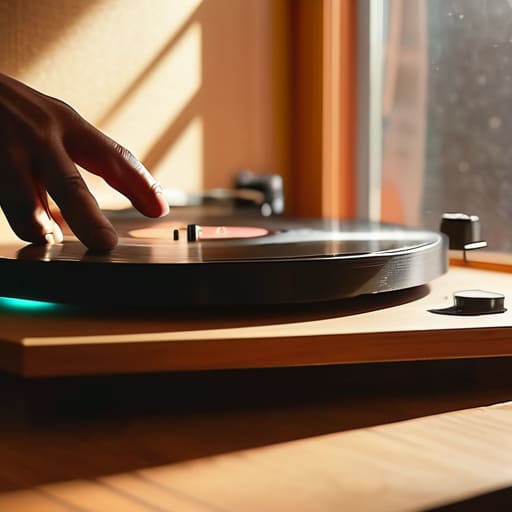
    Small Rituals for a More Intentional Evening

    • Let the light do the heavy lifting. I’ve found that harsh overhead lighting is the enemy of good sound; instead, rely on the soft amber of a floor lamp or a few well-placed candles to let the room settle around the music.
    • Curate your physical space, not just your playlist. There is a profound difference between tapping a screen and pulling a sleeve from a shelf; surround yourself with the art and the liner notes that make the music feel like a tangible companion.
    • Embrace the imperfections. Don’t reach for the digital filter to clean everything up; the slight crackle of a worn groove or the hiss of a cassette tape provides a texture that reminds us the music is alive and breathing.
    • Create a dedicated listening station. Even if it’s just a single chair placed near your turntable, having a specific spot where you sit without a phone in hand changes the way you hear the nuances in a bassline.
    • Match your surroundings to the tempo. If you’re putting on some mid-century jazz, don’t leave the room cluttered with modern distractions; clear a small space, perhaps keep a sketchbook nearby, and allow the atmosphere to dictate your pace.

    Small Rituals for a Meaningful Evening

    Let the physical act of handling a record—the weight of the sleeve and the careful placement of the needle—serve as your transition from the rush of the day into a state of presence.
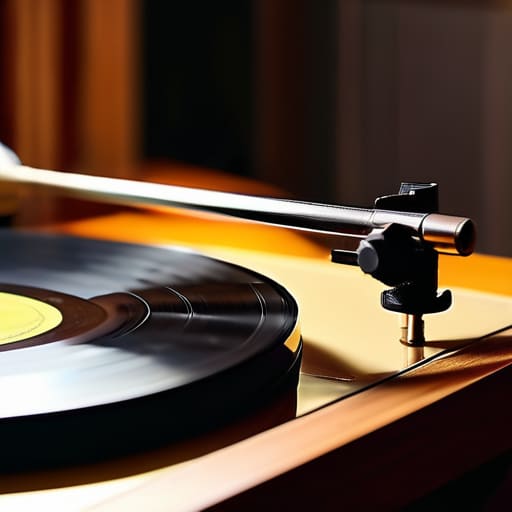
    Prioritize the imperfect textures of analog sound over digital convenience; it is the subtle crackle and warmth that truly invite you to sit still and listen.

    Curate your environment with intention, using dim lighting and tactile objects to create a space where music isn’t just background noise, but the centerpiece of your evening.

    The Soul in the Static

    “There is a certain kind of honesty in a crackle between tracks; it reminds you that the music isn’t just a stream of data, but a physical thing that lived, breathed, and occupied the same air you’re breathing right now.”

    Petra Lindgren

    The Echoes That Remain

    Analog music and The Echoes That Remain.

    As we’ve explored, chasing a retro aesthetic isn’t about mere decoration or mimicking a decade we never lived through; it is about reclaiming the sensory depth that modern convenience has quietly stripped away. By embracing the tactile crackle of a needle hitting wax and the imperfect, honeyed warmth of analog sound, we create a sanctuary against the digital noise. We find that when we intentionally curate our surroundings—from the soft amber glow of a lamp to the deliberate ritual of flipping a record—we aren’t just listening to music; we are cultivating a space for presence.

    I often find myself sitting in the quiet corners of old jazz clubs, watching the light catch the dust motes in the air, and I realize that these small, intentional details are what actually make a life feel substantial. Don’t let your evenings simply vanish into the blue light of a screen. Instead, I encourage you to find your own version of that analog stillness. Turn down the overhead lights, let the music settle into your bones, and remember that the most beautiful things in this world are often the ones that require us to slow down and truly listen.

    Frequently Asked Questions

    How can I begin building a collection of vintage records without feeling overwhelmed by the sheer volume of history out there?

    Don’t try to archive the whole world in a single weekend. That’s how you lose the joy of it. Start with what moves you—a single jazz quartet or a folk singer who makes you pause. Visit a local shop, let your hands wander the sleeves, and listen to the shopkeeper’s stories. Buy one record that speaks to your soul, not one that fills a gap in a list. Build your sanctuary, one sleeve at a time.

    Are there specific ways to set the lighting and atmosphere in a modern room to better complement the warmth of analog music?

    You don’t need much—just enough to soften the edges of the room. I’ve always found that harsh overhead lights are the enemy of a good record. Instead, aim for low-level warmth. A single amber lamp near the turntable or a few well-placed candles can do wonders. You want shadows that dance slightly with the rhythm, creating a pocket of intimacy that lets the music breathe. It’s about setting a stage for the sound.

    Beyond just the sound, how much does the physical ritual of handling a record contribute to the actual experience of listening?

    It’s everything, really. In my years among the archives, I learned that the vessel matters as much as the contents. There is a quiet, sacred weight to pulling a sleeve from the shelf and feeling the texture of the cardboard. That brief moment of anticipation—the careful cleaning, the steady hand placing the needle—it forces you to be present. You aren’t just playing background noise; you are performing a ritual that demands your attention.