Author: Petra Lindgren

  • We’ve Traded Slow Dances for Endless Scrolling: What We Lost in How Dating Culture Changed in the Last Decade.

    We’ve Traded Slow Dances for Endless Scrolling: What We Lost in How Dating Culture Changed in the Last Decade.

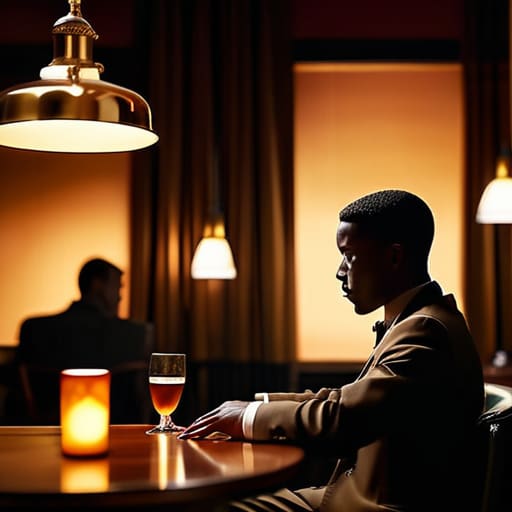
    I was sitting in the back corner of a jazz club last Tuesday, the kind of place where the air feels heavy with history and the lighting is just dim enough to let you disappear. I watched a young couple at the next table, both staring intently at their phones, the blue light washing out their faces like ghosts. It struck me then how much the ritual of meeting someone has been stripped of its texture. We’ve become so obsessed with the efficiency of the algorithm that we’ve forgotten how to actually look at one another. When I consider how dating culture changed in the last decade, I don’t see progress; I see a frantic rush toward a digital convenience that leaves us feeling more isolated than ever.

    I’m not here to give you a lecture on sociological shifts or a guide to mastering the latest app. Instead, I want to talk about what we’ve traded away in the pursuit of speed. I’ll be sharing my observations on how we can reclaim the slow magic of genuine connection and find our way back to the details that actually matter. Let’s look at how to stop rushing through the noise and start noticing the soul of a real encounter.

    The Digital Shift From Traditional to Digital Dating

    The Digital Shift From Traditional to Digital Dating.

    I remember when meeting someone required a certain degree of courage—the willingness to catch an eye across a crowded room or risk a clumsy introduction at a record shop. There was a tangible weight to those moments. But as we’ve witnessed the shift from traditional to digital dating, that weight has been replaced by something far more ephemeral. We have moved from the serendipity of shared spaces into a realm of curated profiles and endless scrolling.

    The problem isn’t just the medium; it’s the way the medium changes our very perception of people. When you’re staring at a screen, you aren’t looking at a soul; you’re looking at a menu. I often think about the psychology of choice overload in dating, where the sheer volume of perceived options makes us treat human beings like disposable commodities. Instead of leaning into the unique nuances of a single person, we are constantly glancing over their shoulder at the next potential match. We’ve traded the slow, beautiful tension of a real encounter for the frantic, hollow efficiency of a digital swipe.

    The Heavy Impact of Dating Apps on Relationships

    There is a peculiar weight to the way we interact now, a heaviness that wasn’t there when we used to meet through mutual friends or a chance encounter at a bookstore. I’ve noticed that the impact of dating apps on relationships isn’t just about how we meet, but how we perceive the person sitting across from us. We’ve entered an era of the psychology of choice overload, where the sheer volume of profiles creates a phantom sense that someone better is always just one more swipe away. It’s a restless sort of energy; it prevents us from truly settling into the quiet, necessary work of getting to know a human soul.

    Instead of the slow build of a shared history, we often find ourselves navigating a landscape of fleeting impressions. We’ve traded the depth of presence for the efficiency of a screen, and in doing so, we’ve altered the very fabric of how we connect. It feels as though we are constantly looking past the person in front of us, searching for a perfection that doesn’t exist in the real, unpolished world. We are losing the art of staying, opting instead for the thrill of the hunt.

    Reclaiming the Slow Magic: Five Ways to Find Substance in a Fast-Paced World

    • Prioritize the eye contact over the screen. When you finally meet someone, leave the phone in your pocket or, better yet, tucked away in your coat. There is a specific kind of intimacy that only exists when two people are fully present in the same room, noticing the same small details.
    • Seek out environments with character. Instead of meeting at a loud, brightly lit chain restaurant where conversation feels like an obligation, find a corner booth in a dimly lit bistro or a quiet jazz lounge. The atmosphere should invite you to linger, not rush you through a transaction.
    • Embrace the art of the slow reveal. In an era of endless swiping, we’ve developed a habit of treating people like profiles to be scanned rather than stories to be read. Allow yourself the luxury of getting to know someone through gradual discovery, rather than deciding their worth in a single glance.
    • Value quality over the sheer volume of connections. It is easy to mistake a high number of matches for a rich social life, but a crowded inbox is no substitute for a single, meaningful conversation. Focus your energy on the few connections that actually resonate with your soul.
    • Practice intentionality in your pursuit. Before you head out for the evening, ask yourself what you are actually looking for. Are you seeking a momentary distraction, or are you looking for something that stays with you after the lights go up? Knowing your intent changes how you move through the world.

    Finding Our Way Back to the Slow Burn

    As I look back through the lens of the last decade, it is clear that we have fundamentally altered the rhythm of how we meet. We have transitioned from the serendipity of a shared glance across a crowded room to the calculated, algorithmic efficiency of a screen. In our pursuit of convenience, we’ve traded the unpredictable magic of human connection for a digital catalog that never seems to end. We have streamlined the process of meeting, yes, but in doing so, we have inadvertently stripped away the very layers of mystery and patience that once allowed a relationship to take root and grow. We are more connected than ever, yet we often find ourselves feeling more solitary in the rush.

    My hope is that we don’t lose ourselves entirely to the flicker of the smartphone. There is still a profound, quiet power in looking someone in the eye without a notification interrupting the moment. I invite you to step away from the endless scroll and seek out the intentional pauses—the long dinners, the shared silence, and the slow discovery of another person’s soul. Let us stop treating romance like a task to be completed and start treating it like a piece of music that deserves to be heard in its entirety. After all, the most beautiful things in life are rarely found in a hurry; they are found in the details we bother to notice.

    It’s easy to feel adrift in this new, frantic landscape, where the intention behind a meeting often feels lost to the sheer speed of the transaction. If you find yourself yearning for a connection that bypasses the heavy emotional labor of traditional dating in favor of something more straightforward and uncomplicated, you might find clarity by exploring different avenues of companionship. For those looking to navigate these more casual waters with ease, finding a reliable way to connect through free sex dating can sometimes provide that much-needed sense of directness that modern life seems to have stripped away from our social interactions.


  • Beyond the Rush of the Plot: Finding the Soul Within the History of Different Literary Genres.

    Beyond the Rush of the Plot: Finding the Soul Within the History of Different Literary Genres.

    I remember sitting in the basement of the municipal archives forty years ago, the air thick with the scent of vanilla and decaying glue. I was surrounded by mountains of leather-bound volumes, trying to make sense of why one book felt like a warm hearth and another felt like a cold, sharp blade. People often try to turn the history of different literary genres into this grand, academic lecture filled with dusty dates and impenetrable jargon, as if you need a PhD just to understand why we crave a good mystery or a sweeping romance. But they miss the point entirely; they treat stories like specimens in a jar rather than the living, breathing echoes of the human heart.

    I’m not here to give you a dry timeline or a lecture that belongs in a lecture hall. Instead, I want to walk through these shadows with you and look at how these categories actually grew out of our need to make sense of the world. We’re going to skip the fluff and focus on the soul of the story, tracing how these forms evolved to catch the light and the dark in our own lives. My promise is simple: no hype, no pretension—just a slow, honest look at the shapes that literature has taken to keep us company through the night.

    The Quiet Origins of Classical Literature

    The Quiet Origins of Classical Literature parchment.

    When I look back at the earliest records I ever handled in the archives, I’m always struck by how little has actually changed about our need to be moved. To understand the origins of classical literature, you have to look past the dusty marble and the grand, sweeping epics to find the human heartbeat underneath. These weren’t just academic exercises; they were the first attempts to capture the lightning of human experience—grief, triumph, and the terrifying beauty of the unknown—and pin it down to parchment.

    There is a certain weight to these early works, a gravity that modern pacing often lacks. As we trace the evolution of storytelling traditions, we see that the Greeks and Romans weren’t just building myths; they were laying the very foundation of how we structure our own thoughts. They understood that a story needs rhythm, much like a well-played jazz standard, to truly resonate. It wasn’t just about the plot, but about the intentionality of the cadence, ensuring that the words lingered in the mind long after the candle had flickered out.

    Evolution of Storytelling Traditions Through the Ages

    When I look back through the dusty ledgers of the archives, I’m struck by how the evolution of storytelling traditions isn’t a straight line, but more of a slow, rhythmic pulse. It’s much like the transition from a solo trumpet to a full jazz ensemble; the core melody remains, but the layers grow increasingly complex. In the early days, stories were breath and bone—oral traditions passed around fires, where the rhythm of the spoken word was everything. We weren’t just consuming information; we were participating in a shared, living history.

    As we moved into the era of the written word, the classification of literary forms began to take shape, giving us the structures we recognize today. But even as the ink dried on parchment and eventually onto the printed page, that primal need to capture the human condition never wavered. Whether it was a structured epic or a wandering lyric, the goal was always to find a way to anchor our fleeting experiences. We transitioned from the communal campfire to the solitary reading lamp, yet the soul of the narrative remained as constant as a well-worn vinyl record.

    Finding the Thread: How to Read Between the Lines of History

    • Don’t just look at the dates; look at the shadows. To understand why a genre shifts, you have to look at what the world was afraid of or what it was longing for at that exact moment in time.
    • Listen for the echoes. A modern thriller often carries the same heartbeat as an ancient Greek tragedy; once you recognize the rhythm, the history of storytelling starts to feel less like a textbook and more like a continuous song.
    • Pay attention to the margins. The most interesting shifts in literature rarely happen in the grand halls of academia, but in the small, messy exchanges of folk tales and handwritten letters that eventually found their way into the canon.
    • Trace the tools, not just the tales. Just as a change in record technology alters the way we hear jazz, the invention of the printing press or the rise of the digital screen fundamentally rewrites the DNA of how we structure a story.
    • Slow down and observe the architecture. Treat a genre like a building—notice how the foundations of epic poetry support the weight of the modern novel, and respect the structural changes that allowed us to move from the communal campfire to the solitary reading lamp.

    The Echoes That Remain

    Looking back through the archives of our collective imagination, it becomes clear that genres are never truly static. We’ve seen how the rigid structures of classical epics eventually softened into the intimate nuances of the modern novel, and how oral traditions paved the way for the complex, layered narratives we consume today. Each movement—whether it was a shift toward the romantic or a descent into the gritty realism of a noir thriller—was simply a way for us to reorganize our understanding of the human condition. These genres aren’t just categories on a dusty library shelf; they are the evolving blueprints of how we attempt to map the chaos of our own hearts.

    As I sit here in the dim light of this corner booth, listening to the low hum of a saxophone, I’m reminded that we don’t read just to pass the time. We read to find a reflection of ourselves in the shadows of another era. Whether you find solace in a sweeping historical saga or the sharp, sudden sting of a short story, remember to savor the rhythm of the prose. Don’t just rush to the final page to see how it ends. Instead, let the words settle into your bones, much like a well-worn melody, and allow yourself the luxury of truly noticing the beauty in the way a story is told.

    As you begin to untangle these threads of history, you might find that the sheer volume of names and dates becomes a bit overwhelming, much like trying to sort through an uncatalogued box of old film reels. If you find yourself wanting to dive deeper into the local textures and the lived experiences that often sit just beneath the surface of these grand literary movements, I’ve found that looking toward more personal, localized connections can be quite enlightening. Sometimes, the best way to understand the pulse of a place is to look at how people actually inhabit it, and for those exploring the more intimate side of social connections, looking into chch escorts can offer a different kind of human perspective on the modern landscape. It’s about finding those small, real details that help bridge the gap between the dusty pages of a textbook and the breathing world outside your window.

  • Stop Rushing Through the Crowd: the Art of Noticing the Details and How to Start a Conversation With a Stranger.

    Stop Rushing Through the Crowd: the Art of Noticing the Details and How to Start a Conversation With a Stranger.

    I was sitting in a dimly lit corner of a jazz club last Tuesday, the air thick with the scent of old mahogany and expensive bourbon, when I watched a young man struggle. He was hovering near the bar, glancing nervously at the person next to him, clearly paralyzed by the mechanics of how to start a conversation with a stranger. He looked like he was trying to solve a complex mathematical equation rather than simply connecting with another human being. We’ve been sold this modern lie that social grace requires a rehearsed script or a clever, high-energy “icebreaker” that feels more like a performance than a greeting.

    I’m not here to give you a list of witty one-liners or psychological tricks to manipulate a room. Instead, I want to share what forty years of observing human patterns has taught me: that the most meaningful connections are born from quiet observation and genuine curiosity. I promise to show you how to lean into the stillness, use your surroundings to bridge the gap, and find the courage to speak when the music slows down. We aren’t looking for a spectacle; we are looking for something that stays with us long after the lights go up.

    Mastering Body Language for Meeting New People

    Mastering Body Language for Meeting New People.

    Before a single word is even uttered, the room has already begun to speak to you. I’ve spent many evenings sitting in the corner of dimly lit jazz clubs, watching how people carry themselves. You can tell a lot about a person’s openness by the way they occupy their space. If you find yourself feeling a bit stiff, remember that body language for meeting new people isn’t about performing; it’s about being present. Avoid the urge to cross your arms or bury your face in a phone—those are silent walls that keep the world out. Instead, try to keep your posture relaxed, perhaps leaning slightly toward the music or the person you wish to greet.

    If you are struggling with how to overcome social awkwardness, start with the eyes and a soft, genuine smile. It’s the most subtle form of invitation. You don’t need a grand gesture; a simple nod of acknowledgment can bridge the gap between two strangers. When you show that you are actually listening with your whole being, rather than just waiting for your turn to speak, the connection feels earned rather than forced.

    Icebreaker Questions for Adults to Ease the Tension

    When the initial silence between two people begins to feel heavy, the temptation is to reach for something clever or profound. Resist that urge. In my years spent tucked into the corners of dim jazz clubs, I’ve learned that the most meaningful connections rarely begin with a grand gesture. Instead, rely on the environment around you. If you are at a venue, ask about the music or the atmosphere. A simple, “What brought you to this place tonight?” is a gentle way to use icebreaker questions for adults without making the interaction feel like an interrogation. It allows the other person to share their story at their own pace.

    If the setting is more casual, try leaning into shared observations. I often find that noticing a small, beautiful detail—the way the light hits a glass or the tempo of a particular song—can act as a natural bridge. If you find yourself struggling with the weight of the moment, remember that these are just small talk techniques designed to lower the stakes. You aren’t looking for a life story immediately; you are simply testing the waters, seeing if the other person is willing to drift in the same current for a while.

    The Quiet Art of Making a Connection

    • Let the environment do the heavy lifting. You don’t need a rehearsed line when you’re sitting in a dimly lit lounge; simply comment on the warmth of the saxophone solo or the way the light hits the velvet curtains. It’s an observation, not an interrogation.
    • Embrace the comfortable silence. In my years among archives, I learned that rushing to fill a void often breaks the spell. If there is a lull, don’t panic. Let the music breathe, and let the moment settle before you offer your next thought.
    • Practice the art of the genuine compliment. Avoid anything superficial. Instead, notice something that speaks to a person’s taste—perhaps the specific sleeve of the record they’re admiring or a book resting on the table beside them.
    • Keep your posture open, like a well-worn book. If you are hunched over your notebook or staring too intently at your drink, you are building a wall. Lean back slightly, relax your shoulders, and signal to the room that you are present and approachable.
    • Listen more than you speak. When you finally do bridge the gap, treat their response like a rare manuscript. Pay attention to the cadence of their voice and the small details they share; people can tell when you are actually hearing them versus just waiting for your turn to talk.

    The Quiet Magic of the Connection

    As we step away from the technicalities—the posture, the rehearsed questions, and the careful study of social cues—we find that the true essence of meeting someone new isn’t a performance at all. It is about the subtle shift from being a mere observer to becoming a participant in the room. Whether you are leaning into a shared appreciation for a jazz standard or simply offering a nod of recognition to a stranger in a dim corner, remember that authenticity is your strongest tool. We have discussed how to bridge the gap, but the goal is never to “win” a conversation; it is to find a common frequency that allows two separate lives to briefly harmonize.

    At the end of the night, long after the records have stopped spinning and the streetlights have begun to flicker, you won’t remember the perfect phrasing of an icebreaker. You will remember the warmth of a shared laugh or the way a stranger’s perspective shifted the way you see the world. Don’t let the fear of a momentary silence keep you from the possibility of a lasting memory. Life is far too short to spend it as a spectator in your own city. So, take a breath, put down your notebook for a moment, and embrace the beautiful uncertainty of a new acquaintance. The best stories rarely begin with a plan; they begin with a simple, honest hello.

    Sometimes, the most difficult part isn’t finding something to say, but finding the right setting where a connection feels natural rather than forced. I’ve found that the atmosphere of a place dictates the rhythm of the conversation; a loud, frantic bar rarely allows for the kind of nuance I look for. If you are navigating more intimate or specific social landscapes, such as looking for sex contacts, the same rule applies: seek out environments that respect the intentionality of the encounter. When the surroundings are right, the words tend to follow with much less effort.

  • Beyond the Noise of a Rushing Life: Why the True Benefits of Learning a Musical Instrument Lie in the Quiet Moments Between the Notes.

    Beyond the Noise of a Rushing Life: Why the True Benefits of Learning a Musical Instrument Lie in the Quiet Moments Between the Notes.

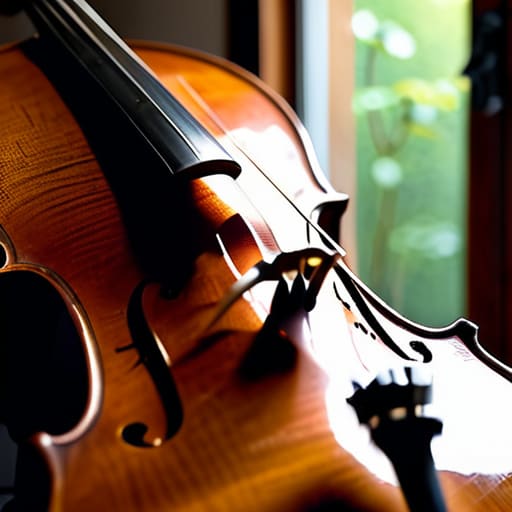
    I remember sitting in a dusty corner of the university archives last autumn, the smell of aging paper thick in the air, when a stray recording of a solo cello drifted through the vents. It wasn’t just the melody; it was the way the notes seemed to anchor the room, demanding a stillness I hadn’t felt in years. People often approach the idea of music as a chore or a way to boost “cognitive performance,” treating it like another item to check off a productivity list. But they miss the point entirely. The true benefits of learning a musical instrument aren’t found in a textbook or a clinical study; they are found in those quiet, resonant moments where the rest of the world finally stops rushing.

    I’m not here to sell you on a shiny, expensive hobby or promise you a seat in a grand orchestra. Instead, I want to talk about how music can serve as a sanctuary for a cluttered mind. I’ll share what I’ve gathered from decades of listening and observing—the honest, unvarnished reality of how an instrument can help you reclaim your time. We’ll skip the hype and focus on how music actually changes the texture of your evenings.

    The Quiet Shift Cognitive Development Through Music

    The Quiet Shift Cognitive Development Through Music

    I’ve spent a lifetime looking at old manuscripts, noticing how the most intricate patterns require a certain kind of mental discipline to decipher. Music is much the same. When you sit down with a cello or a piano, you aren’t just making noise; you are engaging in a profound act of restructuring your own mind. There is a remarkable link between musical training and brain plasticity that I find endlessly fascinating. It’s as if the brain, much like a well-kept archive, begins to create new, more efficient pathways to house the complex data of rhythm and melody.

    It isn’t just about the intellect, though. There is a subtle, internal recalibration that happens when you learn to listen—really listen—to the spaces between the notes. This process fosters a deep sense of emotional intelligence and music education, teaching us to interpret nuances that words often fail to capture. As the patterns of a composition settle into your consciousness, you realize that the true reward isn’t just the ability to play a piece, but the way your mind learns to find order and beauty within the complexity.

    Finding Stillness Stress Relief Through Musical Expression

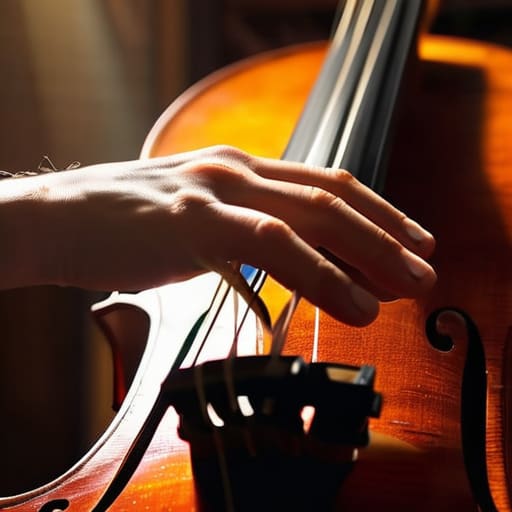
    There is a particular kind of silence that only exists right before the first note is struck. I remember sitting in a dimly lit basement club years ago, watching a saxophonist close his eyes and lean into a melody. In those moments, the frantic pace of the world outside simply ceases to matter. When you sit down with an instrument, you aren’t just practicing scales; you are creating a sanctuary. The act of stress relief through musical expression isn’t about perfection or performing for an audience; it is about the tactile, grounding sensation of wood against your palm or the vibration of a string against your fingertips.

    It serves as a necessary anchor. While my career in the archives taught me the value of preserving the past, music taught me how to inhabit the present. When the world feels too loud or the days move with an exhausting velocity, losing yourself in a rhythm allows your mind to finally settle. It is a way of tuning out the chaos and finding a steady, internal pulse. By focusing on the breath and the movement, you find a quietude that no amount of rushing can provide.

    A Few Notes on Finding Your Own Rhythm

    • Don’t chase perfection or a polished performance; instead, focus on the tactile sensation of the strings or the weight of the keys. It’s the physical connection to the sound that truly grounds you in the present moment.
    • Allow yourself the grace to be a beginner. In my years in the archives, I learned that the most beautiful stories are often found in the messy, unpolished drafts, and your music is no different.
    • Seek out the spaces where music lives. Whether it’s a local jazz cellar or a quiet corner of your living room, find a setting that encourages you to listen deeply rather than just hearing the noise.
    • Make it a ritual rather than a chore. Set aside a specific time in your evening—perhaps when the light is fading—to sit with your instrument. Let it be a deliberate pause in an otherwise hurried day.
    • Listen more than you play. To truly understand the soul of an instrument, you must first learn to appreciate the silence between the notes and the way a melody interacts with the air around you.

    The Last Note Lingers

    As I sit here in the dim light of my study, looking over my sketches of the old jazz hall from last night, I am reminded that picking up an instrument is never just about the mechanics of scales or the precision of a rhythm. We have discussed how it sharpens the mind and how it offers a sanctuary from the relentless noise of the modern world, but those are merely the side effects. The true essence lies in the way music bridges the gap between our internal chaos and a sense of profound order. Whether you are struggling through a clumsy chord on a guitar or finally finding the breath for a single, clear note on a flute, you are participating in something that reclaims your time from the rush of the everyday.

    So, if you have been waiting for a sign to begin, let this be it. Do not worry about being a virtuoso or performing for a crowd; the most important audience is the one sitting quietly within yourself. Find an instrument that speaks to your soul, even if it only whispers at first. In a world that demands we move faster and produce more, choosing to learn a melody is a quiet act of beautiful rebellion. It is an invitation to slow down, to listen closely, and to finally notice the details that make a life worth living.

    Beyond the solitary peace of a practice room, I’ve found that music truly begins to breathe when it is shared with others. There is a certain magic in discussing a difficult chord progression or a particularly moving melody with someone who understands the same language of rhythm and soul. If you find yourself looking for a bit of companionship or a place to exchange thoughts on the craft, finding a bit of local chat in UK can be a wonderful way to connect with kindred spirits who value the same slow, deliberate approach to learning that I do. It turns a lonely pursuit into a shared journey, making the music feel much less like a task and much more like a conversation.

  • Beyond the Rush of the Daily Grind, There Are the Benefits of Joining a Monthly Book Club to Help Us Finally Slow Down and Notice the Stories That Stay.

    Beyond the Rush of the Daily Grind, There Are the Benefits of Joining a Monthly Book Club to Help Us Finally Slow Down and Notice the Stories That Stay.

    I was sitting in a dimly lit corner of a jazz club last Tuesday, the smell of old paper and rain clinging to my coat, when I realized how much we’ve lost to the frantic pace of modern life. We’ve been told that reading is a solitary act, a quiet retreat into one’s own head, but I’ve found that the true magic happens when you bring those stories into the light of a shared conversation. People often talk about the intellectual gains, but they miss the point entirely; they overlook the benefits of joining a monthly book club as a way to actually reclaim our time. It isn’t about checking a box or finishing a syllabus; it’s about finding a reason to sit still.

    I’m not here to sell you on some polished, high-society salon or a productivity hack for your brain. Instead, I want to share what I’ve learned from years of seeking out meaningful connections in the quiet corners of this city. I’ll be laying out the honest, unvarnished reality of how these gatherings can act as a necessary pause in a world that refuses to slow down.

    Finding Soulful Social Connection Through Reading

    Finding Soulful Social Connection Through Reading.

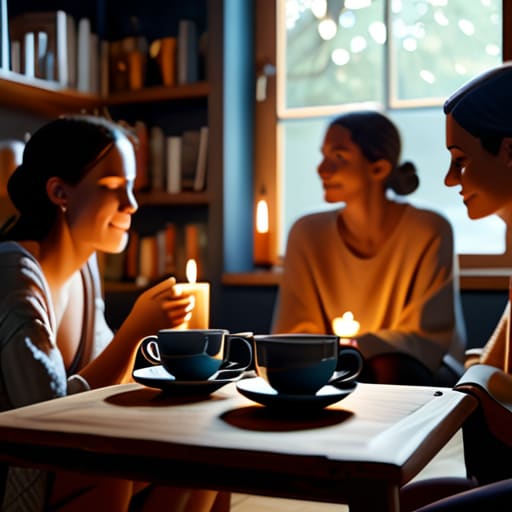
    There is a particular kind of loneliness that settles in when we spend our evenings staring at screens, scrolling through endless, shallow streams of information. I’ve often found that the most profound way to combat that isolation isn’t through a crowded bar, but through the quiet, shared intimacy of a circle of friends. When we gather to discuss a text, we aren’t just exchanging opinions; we are engaging in a form of community building that feels grounded and real. There is something restorative about looking a person in the eye and hearing how a specific passage moved them, or how a character’s struggle mirrored their own.

    This kind of social connection through reading does more than just pass the time. It forces us to step outside our own narrow perspectives and inhabit the minds of others. In my years as an archivist, I learned that history is nothing without the human voices that shaped it, and the same is true for literature. As we debate the nuances of a plot, we often find ourselves uncovering layers of meaning we missed on our own. It turns a solitary act into a collective journey, ensuring that the stories we encounter don’t just sit on a shelf, but actually live within us.

    The Quiet Mental Health Advantages of Reading Groups

    There is a particular kind of stillness that settles over a room when people are lost in a shared story. In my years as an archivist, I learned that we often carry our stresses like heavy, uncatalogued files, cluttering the mind. Engaging in a group setting offers a way to set those files down. The mental health advantages of reading groups aren’t found in some clinical checklist, but in the gentle relief of realizing your internal monologue isn’t the only one in existence. It is a way to exhale.

    Beyond the emotional reprieve, there is something deeply grounding about the intellectual rhythm of a group. We often think of reading as a solitary act, yet the cognitive benefits of literary discussion act as a soft exercise for the mind. When we debate a character’s motives or a writer’s cadence, we aren’t just absorbing information; we are sharpening our focus and expanding our empathy. It’s a way to keep the gears turning without the frantic pace of the modern world, allowing us to engage with complex ideas at a pace that feels truly intentional.

    A Few Small Ways to Make the Evening Truly Count

    • Don’t treat the book like a chore or a syllabus. If you find yourself rushing through the pages just to keep up with the group, stop. The goal isn’t to finish the text; it’s to inhabit the ideas. Let the story breathe before you meet.
    • Curate the atmosphere. A book club shouldn’t feel like a meeting in a sterile conference room. Bring a bit of intention to the setting—perhaps some soft jazz in the background or a particular tea—to signal to your brain that this is a time for slow thought.
    • Embrace the silence between the words. Sometimes the most profound part of a discussion isn’t the quick rebuttal, but the quiet moment after someone shares a perspective that shifts your own. Don’t be afraid to let those pauses linger.
    • Listen more than you speak. As an archivist, I learned that the most important details are often found in the margins. In a group, the “margins” are the subtle nuances in how your friends interpret a character’s grief or joy. Listen for the subtext.
    • Keep a small notebook by your side. I often find myself sketching the shadows in the room or jotting down a single sentence that struck a chord. Recording these small, intellectual sparks helps ensure the evening stays with you long after the candles are blown out.

    The Last Note of the Evening

    As I sit here, looking over my notes and thinking about the discussions we’ve touched upon, it becomes clear that a book club is much more than just a way to track your reading list. It is a deliberate way to reclaim your time. We have talked about how these gatherings provide a soulful connection that our digital lives often lack, and how the quiet, meditative rhythm of reading can act as a much-needed balm for a restless mind. By stepping away from the frantic pace of the modern world and into the shared space of a good story, we aren’t just consuming words; we are building a sanctuary of shared thought and quiet understanding.

    In my years among the archives, I learned that the most important things are rarely the loudest; they are the things that linger in the air long after the room has gone silent. A book club is one of those things. It is an invitation to stop rushing, to pull up a chair, and to let a conversation unfold with the same unhurried grace as a slow jazz standard. So, I encourage you to find your circle. Don’t just read to finish; read to truly inhabit the moment. Let us make a habit of finding those small, intentional pauses that make a life feel less like a race and more like a collection of beautiful, well-worn memories.

    Sometimes, the most profound part of these gatherings isn’t just the literature itself, but the way it opens doors to deeper, more authentic conversations about our own lives and desires. As we age, we often find ourselves navigating new landscapes of intimacy and connection that weren’t on our radar in our younger years. If you find that your book club discussions are drifting toward the complexities of adult relationships, you might find it helpful to explore resources like mature sex contacts to better understand those evolving connections. It’s all part of that intentional way of living I strive for—taking the time to truly understand the nuances of how we relate to one another.

  • Beyond the Noise and the Endless Scrolling: What Makes an Online Community Fun to Be in When the Lights Go Down.

    Beyond the Noise and the Endless Scrolling: What Makes an Online Community Fun to Be in When the Lights Go Down.

    I remember sitting in a dimly lit jazz cellar in Chicago last autumn, the air thick with the scent of old mahogany and rain-dampened wool. There was no grand stage, no flashing lights, just a handful of strangers leaning in toward the same low, soulful melody. It occurred to me then that we often mistake sheer volume for connection. In our digital lives, we are constantly told that engagement requires complex algorithms or relentless, high-energy notifications, but I’ve come to realize that’s a lie. When we look for what makes an online community fun to be in, we shouldn’t be looking for the loudest room in the house; we should be looking for the one where the conversations actually have weight.

    I’m not here to give you a checklist of “growth hacks” or technical metrics that feel as hollow as a cheap plastic record sleeve. Instead, I want to share what I’ve learned from a lifetime of observing how people truly gather. I’ll be walking you through the quiet, essential elements—the shared rhythms and the genuine sense of belonging—that turn a digital space from a mere distraction into a place worth your time.

    The Psychology of Online Belonging and Quiet Connection

    The Psychology of Online Belonging and Quiet Connection.

    I’ve spent much of my life among physical archives—dusty ledgers and yellowed maps that held the weight of real people. There is a certain gravity to a physical space, but I’ve begun to realize that the psychology of online belonging isn’t all that different from the way a jazz club feels on a rainy Tuesday. It isn’t about the sheer volume of voices or the frantic pace of the conversation; rather, it is about that subtle, underlying sense that you are actually being heard by someone on the other side of the screen.

    When we look at the elements of successful online groups, we often mistake activity for intimacy. But true connection doesn’t come from a constant stream of notifications. It comes from those rare, meaningful exchanges that mirror the way two strangers might share a nod in a dimly lit corner. Fostering social connection online requires us to move past the superficial “likes” and focus on creating spaces where people feel safe enough to be quiet, to be thoughtful, and to truly belong.

    Fostering Social Connection Online Through Shared Rhythms

    I’ve often found that the best jazz clubs aren’t just about the talent on stage; they are about the predictable, comforting rhythm of the room. There is a certain cadence to the clinking of glasses and the low hum of conversation that tells you exactly where you belong. Digital spaces function much the same way. Instead of constant, frantic updates, the most enduring spaces rely on a sense of predictable timing. Fostering social connection online isn’t about the loudest voice in the room, but about creating those steady, reliable beats—the weekly thread, the nightly check-in, or the seasonal ritual—that members can set their own internal clocks by.

    When we look at the elements of successful online groups, we see that it is rarely the sheer volume of activity that matters. It is the cadence. Just as a drummer holds the tempo so the soloist can wander, a well-managed space provides a structural heartbeat. By building digital community engagement through these shared rhythms, you move away from the chaotic noise of the modern internet and toward something much more soulful. You create a space where people don’t just scroll past, but actually linger.

    The Small Details That Turn a Crowd into a Company

    • Seek out the spaces that value the slow burn. A community becomes truly enjoyable when it isn’t just a frantic stream of notifications, but a place where people take the time to actually read what you’ve written before rushing to respond.
    • Look for the shared rituals. Much like the way a jazz ensemble finds its groove through repetition and subtle cues, the best digital spaces have their own little traditions—a weekly thread or a specific way of greeting newcomers—that make you feel like you’re part of a rhythm.
    • Prioritize depth over volume. It is far more rewarding to engage in one meaningful, late-night conversation about a niche interest than to skim through a thousand superficial comments that leave no lasting impression.
    • Value the curators, not just the creators. A community thrives when there are people acting like archivists—those who highlight the best stories, preserve the important discussions, and ensure the “soul” of the group isn’t lost in the noise.
    • Embrace the quiet corners. The most delightful parts of an online space are often the small, unpolished pockets where people feel safe enough to be vulnerable, sharing the kind of thoughts that usually only come out after the lights have dimmed.

    The Last Note of the Evening

    As we’ve explored, a truly vibrant online community isn’t built on the frantic pace of notifications or the hollow pursuit of “engagement” metrics. It is built on something far more delicate: the shared rhythms of conversation, the psychological comfort of being seen, and those quiet moments of genuine connection that mirror a well-played jazz standard. When we move past the surface-level noise and focus on fostering a sense of belonging through intentionality, we transform a mere digital space into a sanctuary. It is the difference between a crowded, loud street corner and a dimly lit lounge where the music actually matters.

    In the end, I find that the best spaces—whether they exist in a dusty archive or a digital forum—are the ones that invite us to slow down. We shouldn’t be looking for communities that demand our constant attention, but rather those that offer us a place to rest and reflect. My hope is that you find your own version of that perfect, low-lit corner online; a place where the discourse is thoughtful and the company is kind. Let us stop rushing through our digital lives and start seeking out the spaces that actually stay with us long after we’ve turned off the screen.

    It’s often in those unstructured, late-night hours that the most genuine connections take root, away from the frantic pace of the daytime web. I’ve found that when you step into a space like hausfrauensex chat, the atmosphere shifts from mere scrolling to something much more intimate and intentional. It provides that rare opportunity to engage in the kind of unhurried dialogue that mirrors a low-lit jazz club—where you aren’t just performing for an audience, but actually finding a shared frequency with others who are looking for more than just surface-level noise.

  • The Dimming of the Dancefloor: What We Lost When We Learned How Nightlife Moved Partly Online

    The Dimming of the Dancefloor: What We Lost When We Learned How Nightlife Moved Partly Online

    I remember sitting in the back corner of a dimly lit jazz cellar in Detroit, the air thick with the scent of aged mahogany and the low, rhythmic hum of a double bass. Back then, the night had a physical weight to it—a shared breath between strangers in the dark. Lately, however, I’ve noticed a strange, quiet shift in the atmosphere. It isn’t just that the clubs are emptier; it’s that the energy has begun to migrate, leaving us wondering how nightlife moved partly online without us noticing the departure. We’ve traded the tactile warmth of a crowded room for the blue light of a stream, and I can’t help but feel we’ve lost something essential in the transition.

    I’m not here to tell you that technology is the enemy, nor am I going to peddle some glossy, tech-optimist fantasy about the “future of socializing.” Instead, I want to sit down with you and look at what remains. I promise to explore how we can find that same sense of connection and soul, even when the music is coming through a speaker rather than a stage. We’ll find ways to ensure that even as the world goes digital, we don’t lose the intentional beauty of a night well-spent.

    Streaming Live Dj Sets and the Search for Connection

    Streaming Live Dj Sets and the Search for Connection.

    I remember the feeling of a heavy bassline vibrating through the floorboards of a basement club, a sensation you could feel in your very marrow. Today, that physical thrum has been replaced by something more ethereal. When I sit in my study and watch someone streaming live DJ sets from a studio halfway across the world, I find myself searching for that same tether. There is a peculiar intimacy in these digital social spaces and nightlife shifts; you are alone in your room, yet you are witnessing a shared moment of rhythm with strangers through a glowing pane of glass.

    It isn’t quite the same as the sweat and the scent of old wood, but there is a certain grace in how people are finding ways to belong. We are seeing the rise of virtual clubbing experiences that attempt to bridge the gap between isolation and the dance floor. While I still crave the tactile reality of a crowded room, I can’t deny the quiet beauty in how a well-curated stream can turn a lonely Tuesday night into a communal celebration. It’s a different kind of connection, perhaps, but one that still seeks to keep the spirit of the night alive.

    Virtual Clubbing Experiences in the Quiet of Home

    There is a certain, quiet intimacy in sitting in one’s own armchair, a glass of something amber in hand, while a strobe light flickers only in the glow of a laptop screen. It sounds solitary, perhaps even a bit lonely to the uninitiated, but I’ve found a strange comfort in these virtual clubbing experiences. There is no jostling for space or the overwhelming heat of a crowded floor; instead, there is a focused, almost reverent attention to the music itself. You aren’t just a face in a sea of bodies; you are a witness to the sound.

    However, I often wonder if we lose something vital when the sweat and the shared breath of a dance floor are replaced by pixels. While digital social spaces and nightlife offer a way to stay connected when the world feels too large or too heavy, they lack that tactile, unpredictable energy of a physical room. We are learning to build communities in the gaps between the beats, finding fellowship in chat rooms and comment sections, but I still find myself longing for the moment when the music isn’t just something you hear, but something you feel deep in your bones.

    Finding the Rhythm in the Digital Hum

    • Curate your digital space as if it were a physical room. Just as I wouldn’t sit in a cluttered basement to listen to a Miles Davis record, don’t try to find the soul of a live stream in a chaotic, notification-heavy environment. Clear the desk, dim the lamps, and let the screen be your only window.
    • Seek out the “slow” streams. There is a temptation to jump from one high-energy set to another, chasing a dopamine hit that vanishes as soon as you click away. Instead, find the broadcasters who treat their sets like a narrative—the ones who understand that the silence between the notes is just as vital as the beat itself.
    • Use the chat not as a roar, but as a whisper. In the old clubs, you’d catch a nod from a stranger across the bar; online, that connection happens in the shared sentiment of a comment. Look for those quiet, meaningful exchanges rather than the frantic, mindless scrolling.
    • Don’t let the convenience kill the ritual. The danger of the internet is that it makes everything too easy. To keep the magic alive, make the act of tuning in intentional. Put your phone in another room, pour a drink, and treat the digital event with the same reverence you’d give a ticketed performance at a jazz cellar.
    • Bridge the gap back to the physical. Use these online encounters as a way to rediscover your local landscape. If a virtual set sparks something in you, let it be the catalyst to walk down to that dim corner bar you’ve been ignoring. Let the digital glow guide you back to the real shadows.

    The Echo in the Quiet

    As I sit here, looking over my sketches of old brick facades and listening to the crackle of a Miles Davis record, I can’t help but see the pattern emerging. We’ve moved from the physical friction of a crowded dance floor to the seamless, digital pulse of a live stream. Whether it is the intimacy of a DJ set beamed directly into a living room or the shared digital energy of a virtual crowd, the essence of the night has shifted from a place we go to a feeling we cultivate. We haven’t lost the desire for connection; we have simply found new, more quiet ways to seek the rhythm that keeps us company when the world outside goes still.

    Ultimately, the medium may change—from velvet ropes and neon signs to pixels and high-speed connections—but the human hunger for a moment of transcendence remains constant. Don’t let the convenience of the screen make you forget the importance of the pause. Whether you are standing in a dimly lit basement club or sitting alone with a pair of good headphones, make space for the music to settle into your bones. The soul of the night isn’t found in the venue or the platform, but in those fleeting, beautiful moments that linger in your mind long after the music has finally stopped.

    Even as we navigate these digital landscapes, I find myself looking for those small, reliable anchors that help us stay grounded in the local rhythm. It’s easy to get lost in a global stream of noise, so I’ve started leaning more on curated, community-focused spaces to find where the real pulse still beats. If you find yourself searching for a sense of place amidst the digital blur, I often find myself turning to https://casualnorthernireland.co.uk to help rediscover the authentic spirit of a region’s culture. It’s those quiet, thoughtful glimpses into local life that remind us why we sought out the night in the first place.

  • Beyond the Rush of the Beat: Finding the Soul in Understanding Modern Music Production Software.

    Beyond the Rush of the Beat: Finding the Soul in Understanding Modern Music Production Software.

    I remember sitting in a dim corner of a jazz club in Detroit last autumn, watching a young man struggle with a tablet, his face illuminated by a cold, blue light that seemed to swallow the warmth of the room. He was trying to capture the essence of a saxophone solo, but he was lost in a labyrinth of menus and endless digital toggles. There is a pervasive, exhausting myth that you need the most expensive plugins or a computer that costs more than my first car just to make something meaningful. People treat understanding modern music production software like it’s some impenetrable fortress of high-tech wizardry, when in reality, it should be nothing more than a transparent window between your heart and the listener.

    I’m not here to sell you on the latest shiny gadget or a thousand-dollar subscription you’ll never use. Instead, I want to help you strip away the digital noise and focus on the craft. I promise to offer you a grounded, honest perspective on understanding modern music production software by focusing on the intent behind the tools. We are going to look past the flashing lights and the complex interfaces to find the soul of your sound, ensuring that the technology serves the music, rather than the other way around.

    Finding Beauty in Digital Audio Workstation Features

    Finding Beauty in Digital Audio Workstation Features.

    When I first transitioned from the tactile world of analog tapes to the glowing screens of a modern studio, I felt a profound sense of loss. I missed the weight of a knob and the physical resistance of a fader. However, I’ve come to realize that the beauty lies in how we approach these digital audio workstation features. It isn’t about the sheer number of buttons available, but about how they allow us to sculpt a moment. Whether you are navigating virtual instruments for beginners or diving into complex synthesis, the goal should always be to find that one texture that feels human, even when it’s born from code.

    I often find myself sitting in my study, dimming the lamps, and simply exploring the architecture of a new plugin. There is a quiet grace in music production workflow optimization—not for the sake of speed, but for the sake of flow. When your tools stop feeling like obstacles and start feeling like extensions of your intent, that is when the magic happens. We aren’t just clicking icons; we are building a landscape where a single, well-placed note can linger in the mind long after the screen goes dark.

    Choosing Between Daw vs Hardware Production

    I often find myself sitting in my study, surrounded by the tactile weight of old analog synthesizers and the comforting hum of a tube amplifier. There is a certain romance in the physical—the way a knob resists your touch or the deliberate click of a patch cable. When we discuss DAW vs hardware production, we aren’t just talking about convenience; we are talking about the friction between the soul and the machine. Hardware demands your full presence. It forces a certain discipline, a way of working that prevents you from getting lost in an endless sea of choices.

    However, I’ve learned that there is a different kind of magic found in the digital realm if you approach it with intention. A modern digital audio workstation offers a vastness that no single studio could ever hold. Through seamless VST plugin integration, you can summon the ghost of a grand piano or the grit of a vintage drum machine with a single keystroke. The goal shouldn’t be to choose one over the other, but to find a balance where your music production workflow optimization doesn’t strip away the very humanity you are trying to capture.

    A Few Quiet Lessons for the Digital Studio

    • Don’t let the sheer number of plugins overwhelm your senses; pick one or two that speak to you and learn their nuances until they feel like an old friend.
    • Treat your digital workspace like a well-curated archive—keep your templates clean and organized so you can focus on the melody rather than hunting for a stray file.
    • Resist the urge to automate everything with a single click; sometimes the most beautiful moments in a song come from the slight, imperfect human touch that a computer can’t quite replicate.
    • Practice the art of the intentional pause, stepping away from the glowing screen to listen to your playback in a different room, perhaps with the lights dimmed, to see if the soul of the track remains.
    • Remember that the software is merely a vessel, much like a pen or a brush; it doesn’t make the music, it only holds the space for your intention to breathe.

    The Resonance That Remains

    As we’ve navigated through the complexities of digital workstations and the age-old debate between tactile hardware and software, one thing becomes clear: the tools are merely the vessels. Whether you find your rhythm through the infinite possibilities of a DAW or the weighted, physical response of a vintage synthesizer, the goal remains the same. It isn’t about mastering every single plugin or having the most expensive setup; it is about understanding the language of your tools so they eventually disappear. We must learn to look past the glowing screens and the endless menus to find the specific textures and rhythms that truly speak to us.

    In the end, I hope you remember that music isn’t something you manufacture—it is something you uncover. Don’t let the sheer scale of modern technology overwhelm the quiet, intuitive part of your soul that knows when a melody is right. Take your time, settle into the process, and allow yourself the luxury of a slow, intentional creation. When the session finally ends and you turn off the monitors, don’t just look for technical perfection. Look for that one singular note, that one imperfect warmth, that stays with you long after the lights go up.

    Sometimes, when the technical side of things feels a bit too cold or clinical, I find it helps to step away from the complex manuals and simply seek out a different kind of human connection to reset my perspective. It’s much like finding a quiet corner in a dimly lit lounge after a long day; you need a space that feels authentic and unhurried. If you find yourself needing a momentary escape from the digital grind to rediscover a sense of passion, exploring something like erotikportal online can be a way to reconnect with your senses before returning to the craft. After all, the most profound music often comes from a place of deep, unfiltered feeling, not just a collection of perfect frequencies.

  • Fiction Exploring the Theme of Solitude

    Fiction Exploring the Theme of Solitude

    I’ve spent most of my life tucked away in quiet corners of archives, surrounded by the dust of centuries and the heavy silence of forgotten records. In our modern world, it feels as though we are constantly being pulled into a frantic, noisy current that leaves very little room for the self. We mistake being busy for being alive, forgetting that there is a profound, necessary grace in being alone. I have often found that the best way to navigate this restless age is to seek out novels about solitude—stories that don’t treat being alone as a problem to be solved, but as a sacred space to be explored.

    In the following pages, I want to share five specific books that have sat with me long after the lamps were dimmed and the music faded. These aren’t just stories; they are companions for those evenings when you find yourself seeking a bit of stillness. I will guide you through a selection of works that capture the quiet dignity of the solitary life, helping you find beauty in the shadows and a sense of peace in your own company.

    Table of Contents

    The Quiet Dignity of Virginia Woolf’s Waves

    The Quiet Dignity of Virginia Woolf’s Waves.

    There is a specific kind of rhythm to Woolf’s prose that reminds me of a late-night jazz session—unpredictable, flowing, and deeply introspective. In Waves, the solitude isn’t a void or a lack of company; rather, it is a vessel through which the characters explore the very texture of their consciousness. As I sit in my study with a glass of something amber, I find myself tracing the lines of their thoughts, realizing that being alone is often the only way to truly hear oneself.

    A Study in Stillness with Kazuo Ishiguro

    A Study in Stillness with Kazuo Ishiguro.

    I remember picking up The Remains of the Day on a particularly grey afternoon, and the stillness of the setting struck a chord deep within me. Stevens, the butler, lives a life defined by a very specific, disciplined sort of isolation. His solitude is built into the very architecture of his existence, much like the stately, silent halls of the manor he serves. It is a heartbreakingly beautiful look at how we use our roles to shield ourselves from the messiness of human connection.

    The Lonesome Echoes of Cormac McCarthy

    The Lonesome Echoes of Cormac McCarthy landscape.

    Now, if you are looking for a solitude that feels more elemental—almost primal—then The Road is an experience you won’t soon forget. It is a stark, haunting journey through a world that has been stripped of everything but the barest essentials. There is no jazz here, no city lights, only the hollow wind and the heavy silence of a landscape that has forgotten the sound of a human voice.

    Finding Solace in Henry David Thoreau

    I have always felt a kinship with the spirit of Walden, even if my own version of “nature” usually involves a small corner of a public library. Thoreau wasn’t just running away from society; he was running toward a more intentional way of existing. His experiment in living simply and alone is a manifesto for anyone who feels the relentless pull of a world that moves far too fast.

    The Melancholy Grace of Marilynne Robinson

    In Gilead, the solitude feels less like a desert and more like a sanctuary. The narrative, written as a letter from an aging minister to his son, possesses a gentle, meditative quality that I find deeply comforting. It is a book about looking backward, not with bitterness, but with a quiet, scholarly appreciation for the life that has been lived.

    Finding the Quiet Between the Lines

    Solitude in a story isn’t about being lonely; it’s about the grace of finding oneself when the rest of the world finally stops shouting.

    The best books don’t just tell us about being alone—they teach us how to sit comfortably in our own company, much like a slow jazz set on a rainy Tuesday.

    When we slow down to inhabit these quiet characters, we start to notice the small, beautiful details of our own lives that we usually rush right past.

    The Quiet Resonance of the Page

    There is a profound difference between being lonely and being alone; a truly great novel doesn’t just describe solitude, it teaches you how to sit comfortably within it, turning a silent room into a space filled with echoes of everything that matters.

    Petra Lindgren

    The Quiet After the Final Note

    Looking back through these pages, it is clear that solitude in literature is rarely about being lonely; rather, it is about the profound architecture of the self. Whether we are wandering through the sparse, haunting landscapes of a character’s internal world or sitting in the heavy silence of a room shared only with a book, these stories remind us that solitude is a craft. From the heavy, contemplative stillness found in these classics to the more modern, sharp-edged reflections on isolation, each novel offers a different way to sit with oneself. They serve as a sort of literary sanctuary, allowing us to explore the corners of our own minds that we often ignore in the rush of a busy afternoon.

    As I close my notebook for the evening and prepare to turn out the lamp, I find myself thinking about how much we miss when we are always moving. We spend so much of our lives trying to fill every gap with noise, yet it is in the gaps that the real music happens. I hope these stories encourage you to embrace the silence just a little more deeply. Don’t be afraid of a quiet room or a long, solitary walk. After all, the most beautiful parts of our lives are often the ones we discover when we finally stop rushing and start noticing the details.

    Frequently Asked Questions

    Are there any particular books you'd suggest for someone who finds solitude more unsettling than peaceful?

    I understand that feeling well. There is a fine line between a peaceful pause and a silence that feels a bit too heavy. If the stillness feels more like an ache than a rest, I might suggest something like The Remains of the Day. It’s a quiet book, certainly, but it explores the weight of what we leave unsaid. It offers a companionship in its melancholy that makes the solitude feel shared, rather than empty.

    Do you think these stories are better read in complete silence, or do you have a specific kind of music to pair them with?

    Silence is a powerful thing, certainly, but I’ve always found that total stillness can sometimes feel a bit too hollow. For me, it’s about creating a texture. I usually reach for something instrumental—perhaps a dusty Miles Davis record or some soft, melancholic cello. You want music that sits in the corners of the room without demanding center stage. It should feel like a companion to the prose, not a distraction from it.

    How do you distinguish between a book that celebrates being alone and one that simply depicts loneliness?

    It’s a fine line, isn’t it? To me, the difference lies in the texture of the prose. Loneliness feels hollow, like a room with the heat turned off—it’s a lack, a constant reaching for something that isn’t there. But a celebration of solitude? That feels intentional. It’s found in the way a character notices the slant of light across a wooden floor or the deliberate rhythm of their own thoughts. One is a void; the other is a sanctuary.

  • How Music Creates Subcultures

    How Music Creates Subcultures

    I remember sitting in the corner of a basement club in Detroit back in ’78, the air thick with the scent of old wood and clove cigarettes, watching a group of kids find their entire identity in a single, distorted guitar chord. They weren’t just listening to a genre; they were building a world. Nowadays, people talk about music subcultures as if they are mere trends to be consumed or hashtags to be scrolled past, but that misses the point entirely. To the casual observer, it’s just a costume or a playlist, but to those of us who have lived through the shifts, it’s about finding a sense of belonging in the noise.

    I’m not here to give you a lecture on sociological theories or a list of the most expensive concert tickets in the city. Instead, I want to pull back the curtain on what these movements actually feel like when the lights go down. I promise to share the honest, unvarnished truth about how these communities form and, more importantly, how to recognize the authentic pulse of a movement before it gets polished away by the mainstream.

    Table of Contents

    The Quiet Pulse of Musical Genre Evolution

    The Quiet Pulse of Musical Genre Evolution

    I’ve spent many evenings watching the way a room shifts when a new sound takes hold. It isn’t just about the tempo or the melody; it’s about the way a group of people begins to move as a single organism. When we look at musical genre evolution, we often focus on the technical shifts—the invention of the synthesizer or the distortion of a guitar—but the real story is found in the people. A genre doesn’t just happen in a studio; it happens in the basement clubs and the dusty record shops where a shared identity begins to crystallize.

    There is a certain inevitable rhythm to how these movements rise and fall. What starts as a niche interest among a few restless souls eventually shapes the very air of a city. I’ve noticed that as these sounds mature, they leave behind more than just recordings; they leave a blueprint for how we dress, how we speak, and how we congregate. It is a fascinating study of youth counterculture movements, where the music serves as a heartbeat for those who feel the world is moving just a little too fast for their liking.

    Tracing the Subculture Aesthetic Trends in Dim Light

    I’ve often found that if you watch the way people dress in the corner of a basement club, you’re seeing more than just fashion; you’re seeing a map of their intentions. There is a specific visual language to these spaces—the heavy leather of a punk venue or the soft, oversized knits of a folk revival—that defines the subculture aesthetic trends of an era. It isn’t about vanity. It’s about a visual shorthand that says, I belong to this rhythm. When I sit in these dimly lit rooms, sketching the way the shadows fall across a velvet booth, I realize that the clothes are simply the armor we wear to protect the sanctuary of the sound.

    These aesthetics act as a quiet signal, a way for the disenfranchised to find one another without saying a word. We see it in the way youth counterculture movements use color and texture to push back against the sterile, polished world outside. It is a beautiful, tactile rebellion. To an archivist, these details are the most precious artifacts we have; they are the physical evidence of a moment when a group of people decided to stop blending in and start truly feeling something together.

    How to Listen Between the Notes

    • Don’t just listen to the melody; listen to the room. A subculture isn’t just a playlist; it’s the way the air feels in a basement club or the specific, reverent hush of a crowd waiting for a needle to drop.
    • Seek out the physical artifacts. In my years in the archives, I learned that a scratched sleeve or a hand-drawn flyer tells a much deeper story about a movement than any digital streaming algorithm ever could.
    • Respect the slow burn. You can’t understand a scene by rushing through a dozen venues in one night. Sit in one corner, order a drink, and let the rhythm of the people become part of the music.
    • Look for the visual language. Every subculture has its own way of dressing and decorating its spaces. Notice the textures—the worn leather, the neon flicker, the heavy velvet—because they are as much a part of the sound as the instruments themselves.
    • Value the gatekeepers, but find your own way in. Every scene has its elders and its legends, but don’t let their rules stop you from finding your own personal connection to the beat.

    What Lingers After the Music Fades

    Subcultures aren’t just about the sounds we hear, but the shared, quiet spaces—the dim rooms and the specific way a crowd breathes together—that create a sense of belonging.

    To truly understand a movement, you have to look past the surface noise and notice the small, intentional details, from the way a venue is lit to the way people dress for the occasion.

    Music has a way of anchoring us in time; by slowing down and paying attention to these niche scenes, we find a connection to history that a rushed life often overlooks.

    The Soul in the Static

    “A subculture isn’t just a collection of sounds or a specific way of dressing; it’s a shared sanctuary found in the margins, where the music acts as a quiet pact between strangers to notice the world a little more deeply.”

    Petra Lindgren

    The Resonance That Stays

    The Resonance That Stays in music subcultures.

    As I sit here in the corner of this quiet lounge, scribbling a few notes about the molding on the ceiling, I find myself thinking back on everything we’ve traced. We have looked at how genres don’t just change; they breathe and evolve, and how the very aesthetic of a movement—the clothes, the lighting, the grit—serves as a visual language for those who belong. Music subcultures are more than just a collection of sounds or a way of dressing; they are living archives of human connection. They represent those rare moments when a group of people decides to build a world of their own, tucked away from the frantic pace of the mainstream, held together by a shared, rhythmic heartbeat.

    In a world that seems increasingly determined to move faster and shout louder, there is a profound dignity in the quiet corners of these subcultures. I hope you take a moment, perhaps this very evening, to step away from the rush and find your own version of that dim-lit sanctuary. Don’t just listen to the melody; listen to the silence between the notes and the way the room feels when the right song begins to play. Life is far too short to spend it in the bright, sterile glare of the ordinary. Go find the things that stay with you long after the lights go up and the music fades into the night.

    Frequently Asked Questions

    How do these musical movements manage to keep their soul when they finally step out of the shadows and into the mainstream?

    It’s a delicate thing, isn’t it? When a sound moves from a basement to a stadium, it risks losing its breath. But the ones that endure—the ones that keep their soul—usually do so because they refuse to polish away the grit. They carry that original, unvarnished intent with them. It’s not about the scale of the venue; it’s about whether the music still feels like a secret shared between friends, even in the bright lights.

    Is there a way to truly appreciate the history behind a subculture without falling into the trap of mere nostalgia?

    It’s a delicate balance, isn’t it? To avoid the trap, you have to look past the vintage jackets and the faded posters. Nostalgia is just a longing for a feeling, but history is about the why. Don’t just listen to the record; try to understand the struggle or the joy that forced that specific sound into existence. When you study the friction that created the music, you aren’t just reminiscing—you’re actually listening.

    Where can one find those rare, quiet spaces today where music still feels like a shared secret rather than a performance?

    You won’t find them on a trending list or a bright neon sign. Look instead for the places that don’t bother with much marketing—the basement jazz spots with peeling wallpaper, or that one corner cafe that stays open late just for the enthusiasts. They’re usually tucked away in the seams of the city, where the acoustics are better than the lighting. You have to listen for the low hum of a crowd that’s actually there to hear, not just to be seen.