Author: Petra Lindgren

  • Books on the History and Craft of Musical Instruments

    Books on the History and Craft of Musical Instruments

    I remember sitting in the back corner of a dusty basement archive in Ann Arbor, the scent of aging paper and cedar heavy in the air, when I first stumbled upon a worn volume detailing the anatomy of a grand piano. It wasn’t a flashy, glossy textbook designed to sell you a lifestyle; it was a quiet, reverent study of wood and tension. Most people think that finding meaningful books on musical instruments means scrolling through endless, sterile digital manuals or buying overpriced “masterclasses” that promise instant virtuosity. But there is a profound difference between reading a technical diagram and holding a book that actually understands the breath behind a flute or the vibration of a cello string.

    I’m not here to give you a shopping list of the latest bestsellers or technical jargon that leaves your head spinning. Instead, I want to guide you toward the texts that possess a certain soul—the ones that treat music not as a series of mathematical hurdles, but as a human endeavor. We are going to look for the stories, the history, and the craftsmanship that stay with you long after you’ve closed the cover. Let’s find the books that turn a simple evening of reading into something truly resonant.

    Table of Contents

    Tracing the History of Organology in Dim Light
    Tracing the History of Organology in Dim Light

    Tracing the history of organology in dim light

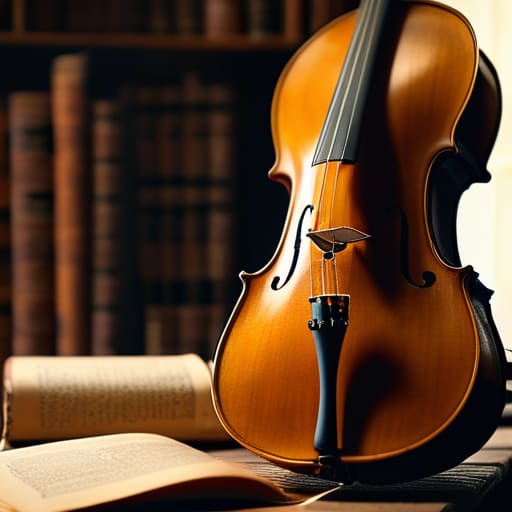
    There is a certain reverence found in studying the history of organology by the soft glow of a desk lamp, far from the harsh glare of a modern office. In my years at the archives, I learned that a tool is never just an object; it is a vessel for human intent. When I leaf through heavy, cloth-bound encyclopedias of musical instruments, I don’t just see diagrams of wood and string. I see the evolution of how we have attempted to capture the wind or the vibration of a finger against gut.

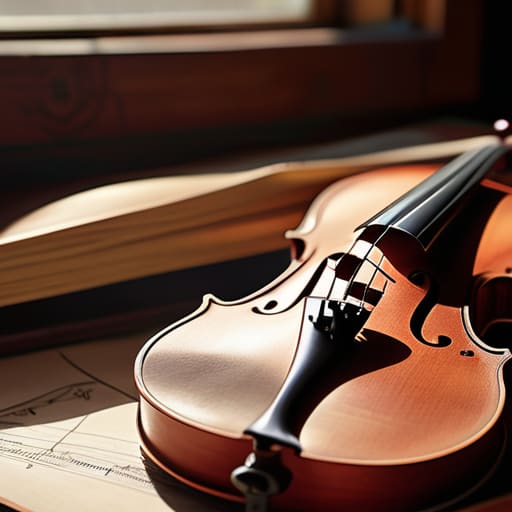
    To truly understand a violin, one must look beyond the sheet music and into the hands of the person who shaped it. I often find myself lingering over texts that detail traditional instrument making techniques, marveling at how a craftsman might have felt the grain of a maple block centuries ago. It isn’t merely about the mechanics; it is about the quiet lineage of touch that connects a luthier in a dusty workshop to the musician performing under the spotlight tonight.

    Encyclopedias of Musical Instruments for Slow Evenings
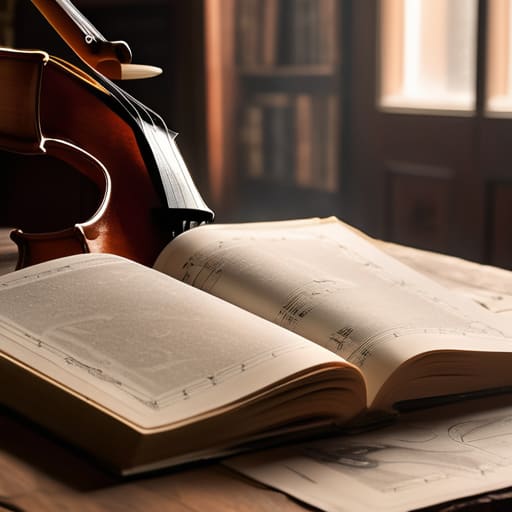
    Encyclopedias of Musical Instruments for Slow Evenings

    There is a specific kind of quiet that settles over a room when you crack open a heavy, cloth-bound volume. I’ve always found that while a single melody can move you, a well-curated collection of encyclopedias of musical instruments offers something deeper—a way to see the very bones of the sound. These aren’t mere lists; they are vast, silent orchestras spread across hundreds of pages, documenting how a curve of maple or a tension of gut string transforms silence into something sacred.

    When the rain starts to tap against the window, I find myself turning to these massive tomes to lose myself in the intricate details of construction. There is a profound peace in studying the marriage of art and science, particularly when a book delves into the traditional instrument making techniques that have survived centuries of change. It isn’t about rapid consumption or skimming for facts; it is about sitting with the weight of the history in your hands, letting the diagrams of brass valves and wooden resonators settle into your mind like a slow, steady bassline.

    A Few Notes on Choosing the Right Companion for Your Shelf

    • Look for the weight of the paper and the grain of the binding; a book about a grand piano should feel substantial in your hands, much like the instrument itself.
    • Avoid the sterile, technical manuals that read like a blueprint; instead, seek out those rare volumes that weave the maker’s hands and the wood’s history into the narrative.
    • Prioritize books with high-quality plates and photographs, for there is a quiet joy in studying the curve of a brass bell or the grain of a violin under the soft glow of a reading lamp.
    • Seek out the memoirs of craftsmen rather than just the catalogs of manufacturers, as it is in the stories of the makers that you truly find the soul of the sound.
    • Don’t be afraid of a little wear on the spine; the best books on music are those that have been opened a thousand times by hands seeking to understand the magic of a single note.

    Lessons from the Library of Sound

    Don’t just look for technical specs; seek out books that capture the physical spirit and history of an instrument, as if you were holding it in your hands.

    Use these texts as companions for quiet, intentional evenings, allowing the history of a single note to slow your pace.

    Let the written word deepen your appreciation for the live music you hear, turning a fleeting performance into a lasting connection to the past.

    The Soul Between the Pages

    “A technical manual tells you how a violin is built, but a truly great book tells you how it breathes; it’s the difference between studying a map and actually feeling the cobblestones beneath your feet as you walk through a city at dusk.”

    Petra Lindgren

    The Final Note
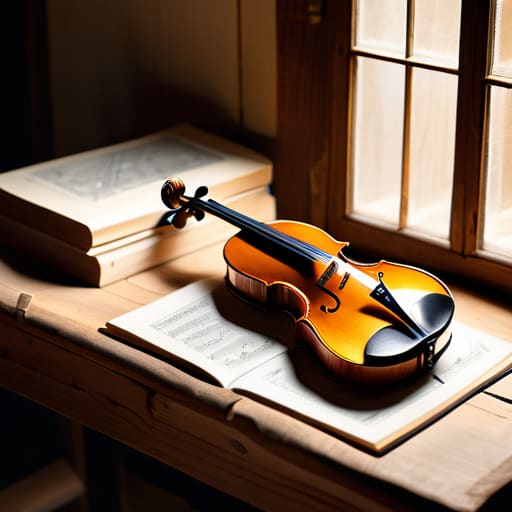
    Books celebrating craftsmanship, The Final Note.

    As we close these covers, it becomes clear that a book on an instrument is far more than a mere technical manual or a catalog of wood and brass. We have traveled from the deep, historical roots of organology to the sweeping vistas offered by those grand encyclopedias, discovering that each volume serves as a bridge between the maker’s hands and the listener’s ear. Whether you are drawn to the intricate diagrams of a luthier’s workshop or the sweeping histories of orchestral evolution, these texts allow us to understand the silent language of the tools that create sound. By studying the anatomy of a cello or the mechanics of a flute, we aren’t just learning facts; we are honoring the craftsmanship that allows music to exist in the first place.

    I often find myself sitting in my study long after the sun has set, a single lamp casting a warm glow over a well-worn page, and I realize that the true value of these books isn’t found in memorizing specifications. It is found in the quiet moment of connection when you finally see the soul behind the instrument. So, I encourage you to put away your phone, pour something slow into a glass, and let these pages guide you. Don’t just read about the music; let the weight of the history and the beauty of the design linger in your mind long after you have turned out the lights.

    Frequently Asked Questions

    Are there any specific books that focus more on the craftsmanship and wood of the instruments rather than just the technical mechanics?

    If you’re looking to move past the mechanics and into the very grain of the thing, you ought to seek out works on lutherie. I’ve always found that a book focusing on the master craftsman—the way they select a piece of aged spruce or feel the curve of a maple back—is far more rewarding. Look for monographs on violin making; they treat the wood not as a component, but as a living partner in the music.

    Can you recommend any memoirs from musicians that capture the actual feeling of playing an instrument in a live setting?

    If you want to feel the vibration of the stage through the page, look no further than Miles Davis’s Miles: The Autobiography. It’s raw, often bruising, but it captures that electric, solitary tension of being center stage. For something more melodic and reflective, I often turn to Keith Jarrett’s writings. They don’t just describe notes; they capture that breathless, almost spiritual communion between a musician and the air in a quiet room.

    Which of these books would be best for someone who wants to understand the soul of an instrument without getting lost in a dry, academic textbook?

    If you’re looking to bypass the dry mechanics and find the heartbeat of the music, I’d steer you toward something like The Making of Music or any collection that leans heavily into the artistry of the craft. You want a book that treats a violin not as a collection of wood and tension, but as a vessel for human emotion. Look for those narratives that pair the maker’s hands with the player’s breath.

  • The Process of Curating Art Collections

    The Process of Curating Art Collections

    I remember sitting in the basement of the municipal archives back in ’84, surrounded by the scent of vanilla-scented decay and dust motes dancing in the dim light of a single desk lamp. I spent months meticulously cataloging a single collection of handwritten letters, realizing then that curating collections isn’t about the sheer volume of what you possess, but about the weight of the stories those objects carry. Most people today seem to think that curation is just another word for “hoarding” or “organizing,” a frantic attempt to manage the endless digital clutter that floods our lives. They mistake quantity for quality, filling their shelves and hard drives with noise that ultimately says absolutely nothing.

    I’m not here to teach you how to build a massive, impressive inventory or how to use some complex software to track your acquisitions. Instead, I want to share what forty years of handling history has taught me about the art of the intentional choice. I promise to show you how to strip away the excess and focus on the few things—be it music, books, or memories—that actually possess the soul to stay with you long after the lights go up.

    Table of Contents

    Museum Curation Techniques for the Quiet Soul

    Museum Curation Techniques for the Quiet Soul.

    In my years spent among the dust and silence of the archives, I learned that a collection is never just a pile of things; it is a conversation. When we apply professional museum curation techniques to our own lives—whether that is a shelf of jazz records or a small stack of old postcards—we aren’t just organizing. We are selecting the voices that deserve to be heard. It requires a certain discipline to look at an object and ask if it truly holds a piece of the story you want to tell, or if it is merely occupying space.

    True curation is about intentionality over volume. Just as a professional follows strict archival preservation standards to ensure a document survives the century, we must treat our personal treasures with a similar reverence. Don’t just accumulate; choose pieces that possess a certain weight, a certain resonance. If a song or a photograph doesn’t make you pause and catch your breath, it might not belong in the inner sanctum of your evening. We should aim to build a life that feels less like a cluttered attic and more like a carefully lit gallery.

    Building a Private Art Collection With Intention

    Building a Private Art Collection With Intention

    When I first stepped away from the archives, I realized that the impulse to collect didn’t leave me; it simply changed its shape. In my professional life, I followed strict archival preservation standards to protect the integrity of the past. Now, when I look at a piece of art—perhaps a charcoal sketch found in a dusty corner of a gallery or a print that catches the evening light just right—I find myself applying those same principles, but with a much softer heart. Building a private art collection shouldn’t feel like an accumulation of assets or a race to own something expensive. Instead, it should be a slow, deliberate process of finding pieces that speak to your own quietest moments.

    I’ve found that the most meaningful way to approach this is through curatorial storytelling methods. Rather than buying things simply because they are “good,” ask yourself what story they tell when they sit together on your wall. Does a particular landscape evoke the same melancholy as a specific jazz record? When you curate with intention, you aren’t just decorating a room; you are mapping the landscape of your own soul.

    The Small Rituals of a Thoughtful Collection

    • Listen for the resonance, not just the sound. When you’re adding a new record or a piece of pottery to your shelves, don’t ask if it fits the space; ask if it holds a memory or a feeling that you want to revisit on a rainy Tuesday. A collection should be a map of your internal landscape, not just a display of things you bought.
    • Respect the gaps. In my years in the archives, I learned that the empty spaces between artifacts are just as important as the objects themselves. Don’t feel the need to fill every corner of your life immediately. A collection needs room to breathe, allowing each piece its own moment of dignity.
    • Prioritize the tactile over the digital. There is a profound, quiet joy in the weight of a heavy book or the slight scratch of a needle hitting vinyl. We live in such a frictionless world now; I find that the most meaningful collections are those that demand something of our hands and our patience.
    • Trace the lineage. I often find myself sketching the cornices of old buildings just to understand how they were built. Do the same with your things. Learn where your objects came from—the maker, the era, the history. When you know the story behind a piece, it ceases to be an object and becomes a companion.
    • Curate for the shadows. We often design our lives for the bright, midday sun, but our collections should be meant for the dim lights of a late evening. Choose things that look beautiful in the soft glow of a lamp or the flicker of a candle. If an object doesn’t invite you to slow down and settle in, it probably doesn’t belong in your inner sanctum.

    The Quiet Essentials of a Life Well-Curated

    Stop collecting for the sake of volume; instead, look for the single record or the worn photograph that actually demands your attention when the room goes quiet.

    Treat your personal space like a living archive, where every object has a story worth telling and a rightful place among the shadows.

    Prioritize the atmosphere over the inventory, remembering that a collection is only as good as the mood it helps you cultivate.

    The Weight of What We Keep

    A collection shouldn’t be a tally of things we’ve acquired, but a map of the moments that actually moved us. It’s not about filling a shelf; it’s about finding those few, quiet pieces that make a room feel like it has a heartbeat.

    Petra Lindgren

    The Resonance of a Life Curated

    The Resonance of a Life Curated.

    At the end of the day, whether you are organizing a vast archive of historical documents or simply deciding which records to spin on a rainy Tuesday, the principle remains the same. It isn’t about the sheer volume of what we possess, but about the intentionality of the selection. We have explored how the meticulous eye of a museum professional can guide our personal tastes, and how treating our surroundings like a private gallery allows us to live with more purpose. By applying these methods, we move away from the clutter of the modern world and toward a life where every object and every melody serves a specific, soulful function. We are not just collecting things; we are building an environment that reflects who we truly are.

    As I sit here in the dim light of my study, listening to the soft crackle of a Miles Davis pressing, I am reminded that the best collections are never truly finished. They are living, breathing things that grow as we grow. Don’t feel pressured to fill every empty shelf or every silent corner of your home immediately. Instead, allow your collection to breathe, to evolve, and to surprise you. Let us stop chasing the new and start cherishing the enduring. After all, the most beautiful things in life aren’t the ones that shout the loudest, but the ones that whisper to us long after the music has stopped and the lights have dimmed.

    Frequently Asked Questions

    How do I know when a collection has become too crowded and lost its sense of purpose?

    It’s a quiet realization, usually felt before it’s seen. You know a collection has lost its way when you stop looking at the individual pieces and start seeing only the mass. When you find yourself tidying things just to clear space, rather than arranging them to tell a story, you’ve crossed the line. If the objects no longer spark a specific memory or a sense of wonder, they’ve become mere clutter. It’s time to let some go.

    Is there a way to curate an atmosphere for a home without it feeling like a museum?

    The secret is to let the objects breathe. A museum is a place of stillness and untouchable perfection, but a home should feel lived-in. Don’t aim for a pristine display; aim for a conversation. Place that heavy ceramic bowl near the record player where you’ll actually use it, or let a stack of books lean casually against a lamp. Curate for the senses—the warmth of a lamp, the texture of a rug—rather than just for the eyes.

    How do I begin finding those rare, meaningful pieces when I'm used to the convenience of modern shopping?

    It’s a hard habit to break, isn’t it? That instant gratification of a click can feel like a shortcut, but it rarely leads to a discovery. To find the real treasures, you have to embrace the friction. Start by visiting the places that require a bit of patience—those dusty corner shops or estate sales where the history isn’t labeled. You have to learn to look, not just scan. The best pieces aren’t found; they’re unearthed.

  • The Atmosphere of Traditional Jazz Clubs

    The Atmosphere of Traditional Jazz Clubs

    I remember sitting in a basement venue in Chicago back in ’84, the air thick with the scent of old wood and expensive bourbon, watching a trumpeter play a note so long and lonely it felt like it could crack the very foundation of the building. It wasn’t about the velvet ropes or the overpriced cocktail menus that people seem to obsess over today; it was about that specific, heavy stillness that settles over a room when the music takes hold. Nowadays, too many people treat jazz clubs like mere background noise for a social media post, rushing through the set just to say they were there. They miss the point entirely. They miss the soul of the room.

    I’m not here to give you a list of the trendiest, most expensive spots where you’ll spend more on a drink than on the actual artistry. Instead, I want to guide you toward the places where the shadows are deep and the music is honest. I promise to share the kind of quiet, hard-earned wisdom that helps you find those rare corners of the city where you can actually stop rushing and just listen. Let’s find the notes that stay with you long after the lights come up.

    Table of Contents

    The Art of Intimate Live Jazz Performances

    The Art of Intimate Live Jazz Performances.

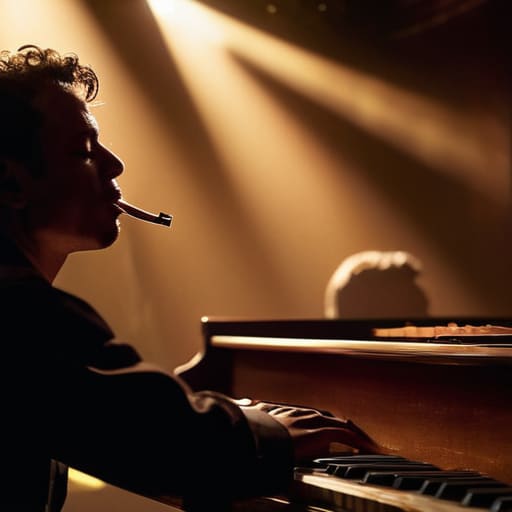
    There is a specific kind of magic that occurs when the room goes quiet and the first notes of a solo piano drift through the smoke. It isn’t just about the music; it’s about the shared breath of a room full of strangers. I’ve always found that the most profound moments happen during intimate live jazz performances, where the boundary between the stage and the listener seems to dissolve entirely. You aren’t just watching a show; you are witnessing a conversation in real-time.

    In these smaller spaces, you begin to understand the true weight of the historic jazz music heritage that built these cities. When a musician leans into a sudden, unexpected shift in tempo, you feel it in your chest. It requires a certain level of respect for the craft—a quietness that allows the nuances of a brush on a snare drum to be heard. Learning the subtle nuances of jazz club etiquette and atmosphere is part of the ritual. It’s about knowing when to let the silence hold the melody and when to let a collective warmth fill the air.

    Navigating the Jazz Club Etiquette and Atmosphere.

    There is a certain unspoken rhythm to these spaces that goes beyond the music itself. When you step into a room where the air is thick with history, you aren’t just a customer; you are a witness to a living tradition. Understanding jazz club etiquette and atmosphere is less about following rigid rules and more about respecting the shared silence between notes. It means knowing when to let a solo breathe and when to offer that quiet, appreciative nod that tells the musician you are truly listening.

    I’ve often found that the most profound moments happen when you stop trying to dominate the room. Avoid the urge to treat a performance like background noise for a loud conversation. Instead, aim for a smooth jazz lounge experience where your presence is felt through your attention rather than your volume. If you find yourself in one of those smaller, tucked-away spots, remember that the magic relies on a collective stillness. When the room settles into a shared focus, you aren’t just watching a show—you are becoming part of the historic jazz music heritage that keeps these dimly lit sanctuaries alive.

    Small Gestures for a Grand Evening

    • Arrive early enough to claim a corner that feels right. I’ve found that the best way to experience a set is to find a seat where you can see the grain of the wood on the stage or the way the light catches the brass of a trumpet, rather than rushing in just as the first note hits.
    • Let the silence be your contribution. In a small room, the hush between songs is just as vital as the music itself; it’s in those quiet breaths that you really begin to hear the nuances of the improvisation.
    • Keep your phone tucked away. There is nothing that breaks the spell of a soulful melody quite like the sudden, blue glow of a screen cutting through the dimness of a shared moment.
    • Embrace the art of the slow sip. Whether it’s a neat bourbon or a simple tea, treat your drink as a companion to the rhythm, not something to be rushed through in order to get to the next thing.
    • Carry a small notebook, even if you don’t intend to write. Sometimes, just having the tools to capture a thought or a quick sketch of the room helps you stay present, grounding you in the architecture of the evening.

    The Quiet Wisdom of the Night

    Seek the spaces where the music feels like a conversation rather than a performance; it is in those small, unhurried moments that the true soul of a city reveals itself.

    Leave the frantic pace of the day at the door and allow yourself the luxury of stillness, letting the rhythm guide your attention to the details you usually rush past.

    Remember that a night well spent isn’t measured by how much you did, but by the melodies and the shadows that stay with you long after you’ve stepped back into the streetlights.

    The Weight of a Single Note

    “A true jazz club isn’t just a room with a stage; it’s a sanctuary where the frantic pace of the world finally loses its grip, leaving nothing but the smoke, the shadows, and a melody that knows exactly how to hold your attention.”

    Petra Lindgren

    The Echo of the Last Note

    The Echo of the Last Note music.

    As you step out from the velvet shadows and back into the rush of the street, I hope you carry a bit of that stillness with you. We have talked about the importance of respecting the performer’s space, the subtle dance of etiquette, and the sheer, unadulterated magic that happens when a soloist finds that perfect, lonely note. It isn’t just about the music, really; it is about the intentionality of being present. Whether you are tucked into a corner booth or standing near the edge of the stage, you are participating in a tradition that demands we stop rushing and start listening.

    My old notebooks are filled with sketches of these very rooms—the heavy curtains, the worn floorboards, and the way the light catches a glass of bourbon. They remind me that while the city outside may change and the buildings may crumble, the soul of a jazz club remains constant. I encourage you to seek out these dim spaces, not just to hear a tune, but to find a moment of genuine connection in a world that feels increasingly fractured. Don’t just pass through the night; let the music leave a mark on you long after the lights go up and the club doors are locked for the evening.

    Frequently Asked Questions

    How do I find those smaller, more authentic venues that haven't been swallowed up by the modern rush?

    You won’t find the real gems on a polished “Top 10” list. Instead, look for the places that feel a little weathered. I tend to wander into neighborhoods where the streetlights are dim and follow the sound of a bassline through a heavy door. Check the bulletin boards in old record shops or ask the clerk at your local vinyl haunt; they usually know exactly where the heartbeat of the city is currently pulsing.

    Is there a particular time of night when the music truly settles into its best rhythm?

    There is a certain magic that happens around 10:30 PM. The early crowd—the ones rushing in from dinner or looking for a quick drink—has usually filtered out. The air feels heavier, more settled. It’s when the musicians stop playing for the room and start playing for themselves. That’s when the rhythm finds its heartbeat, and the music stops being a performance and starts being a conversation. That’s when I finally find my seat.

    What should I look for in a club to ensure the atmosphere is more about the sound than the spectacle?

    Look for the absence of a stage light that’s too bright; you want the musicians tucked into the room, not performing under a spotlight. Check the floor plan—if the tables are packed so tight you can’t breathe, the focus is on turnover, not the music. Ideally, you’ll find a space where the acoustics feel heavy and warm, and where the patrons treat the silence between sets with a certain kind of reverence.

  • Beyond the Noise and the Neon: What Actually Remains in the Evolution of Rock and Roll?

    Beyond the Noise and the Neon: What Actually Remains in the Evolution of Rock and Roll?

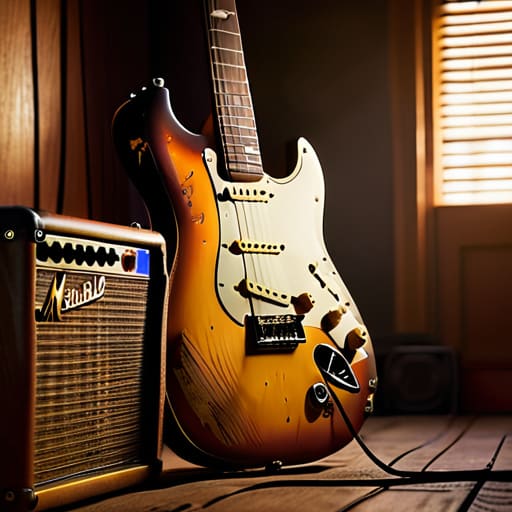
    I remember sitting in a cramped, smoke-filled basement in Ann Arbor back in the late seventies, watching a band struggle through a set of distorted blues riffs. There was no polished production or digital perfection there; there was just the raw, vibrating tension of a Fender amp pushed to its absolute limit. People often try to explain the evolution of rock and roll through sterile charts of radio play or industry shifts, treating it like a textbook chapter on economic trends. But they miss the point entirely. It isn’t a sequence of dates or market demographics; it is a living, breathing lineage of rebellion and rhythm that moves through us like a sudden fever.

    As I sit here, tracing the lines of a worn Fender Stratocaster in my sketchbook, I’m reminded that music is never truly a solitary pursuit; it thrives on the connections we make in the spaces between the notes. Whether you are tracing the lineage of a distorted riff or simply looking for a way to find your own rhythm in a new city, there is a certain magic in reaching out to others who share your curiosity. If your travels ever bring you through Central Europe, I’ve found that finding a bit of local chat in Austria can be a wonderful way to uncover the hidden pulse of a place, much like discovering a basement jazz club that isn’t on any map. It’s those unexpected human connections that truly give a culture its depth, long after the final chord has faded into the night.

    I’m not here to give you a dry lecture or a list of trivia you could find on a Wikipedia page. Instead, I want to walk you through the actual soul of the sound—from the grit of the early bluesmen to the heavy, melodic swells that still haunt the clubs I visit today. We are going to look past the hype and find the moments that actually matter. My promise to you is a slow, intentional look at how this music truly changed us, focusing on the details that stay with you long after the final chord fades into the night.

    The Blues Roots and Early Pioneers of Rock and Roll Music

    The Blues Roots and Early Pioneers of Rock and Roll Music.

    Before the stadium lights and the pyrotechnics, there was just a man, a wooden box, and a feeling of profound longing. To understand where we are, we have to look back at the dusty, Mississippi Delta soil. The influence of blues on rock and roll isn’t just a footnote in a textbook; it is the very heartbeat of the genre. I often think about those early recordings—the crackle of the vinyl, the raw ache in a singer’s voice—and realize that rock was born from the blues’ ability to turn sorrow into something electric and communal.

    When Muddy Waters plugged in, he didn’t just change the sound; he changed the atmosphere of the room. That sudden impact of electric guitar on rock history acted like a lightning strike, taking the acoustic melancholy of the Delta and giving it a jagged, urban edge. These pioneers of rock and roll music weren’t trying to start a revolution; they were simply trying to be heard over the noise of a changing world. They took the structural bones of the blues and added a rhythmic urgency that demanded you stop rushing and start feeling.

    How the Electric Guitar Changed Everything We Hear

    There is a specific kind of magic that happens when you stop playing for the back row and start playing for the soul. Before the amplifier, a guitar was a delicate thing, a rhythmic companion to a singer or a steady heartbeat in a big band. But when the electricity arrived, the very texture of the air changed. It wasn’t just about volume; it was about sustain, about that long, singing note that could hang in a smoky room like a question left unanswered. The impact of electric guitar on rock history cannot be overstated—it turned a wooden instrument into a lightning rod, capable of both a whisper and a roar.

    I remember looking through old concert photographs, seeing the way musicians gripped those heavy, solid-body machines. They weren’t just playing songs anymore; they were sculpting sound. This shift allowed for a new kind of aggression and a new kind of intimacy, paving the way for the various rock and roll subgenres through decades that followed. Suddenly, the music wasn’t just something you heard; it was something that vibrated in your very bones, demanding you slow down and truly listen.

    Lessons from the Liner Notes: How to Listen to the Changing Tide

    • Don’t just listen to the melody; listen to the room. When you’re tracing the evolution of a sound, try to hear the space between the notes—the way a 1950s studio feels tight and warm compared to the cavernous, reverb-soaked halls of the psychedelic era.
    • Follow the lineage of the instruments. To truly understand how rock moved, you have to watch how the gear moved with it. The shift from the hollow-body jazz guitars to the aggressive, solid-body electrics isn’t just a technical change; it’s the sound of a generation finding its teeth.
    • Pay attention to the friction. The most beautiful moments in rock history didn’t come from harmony, but from the collision of different worlds—the way gospel fervor met country rhythm, or how folk’s lyrical weight crashed into electric distortion.
    • Look for the ghosts in the recording. As an archivist, I’ve learned that the “imperfections”—the slight hiss of a tape, a singer’s breath, or a drum kit that sounds a little too raw—are often where the soul of a movement actually lives.
    • Slow down your tempo. You can’t grasp the evolution of a genre if you’re rushing through a playlist like it’s a grocery list. Give yourself the grace to sit with an album, perhaps with a glass of something amber and the lights turned low, and let the history settle in your bones.

    The Echo That Never Truly Fades

    Looking back at how we arrived here, it’s clear that rock and roll was never just about a specific tempo or a particular instrument. It was a collision of forces—the deep, aching soul of the blues meeting the raw, unbridled energy of the electric guitar. We’ve traced the line from those early pioneers who played for the sheer survival of the melody, to the moment the amplifier turned a simple rhythm into a visceral, physical force that could shake the very foundations of a room. It wasn’t just a change in how music sounded; it was a fundamental shift in how we experienced the world around us, moving from the quiet observation of the past into the loud, electric immediacy of the present.

    As I sit here in the dim light of this corner booth, listening to the faint scratch of a needle finding its groove, I realize that the evolution of rock isn’t a closed book or a dusty archive. It is a living, breathing thing that continues to reinvent itself every time a new kid picks up a guitar with something to say. Don’t get caught up in the frantic rush of the new or the polished sheen of the digital age. Instead, I urge you to listen for the heartbeat beneath the noise. Find those moments of genuine connection, those songs that make the room feel smaller and the night feel infinitely larger. That is where the true history lives.

  • Stop Rushing Through the Pages: How to Write a Compelling Book Review That Lingers Long After the Lights Go Up.

    Stop Rushing Through the Pages: How to Write a Compelling Book Review That Lingers Long After the Lights Go Up.

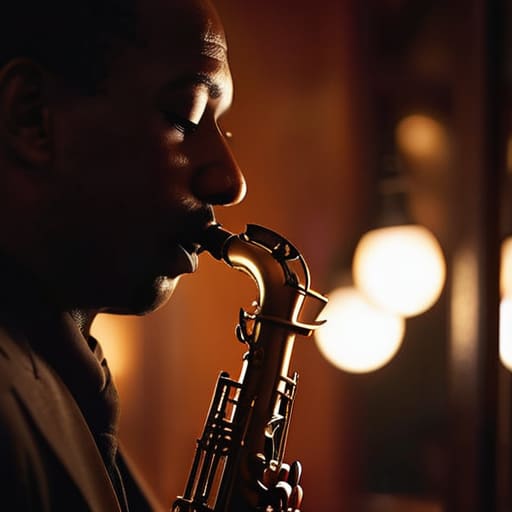
    I was sitting in a dimly lit corner of a jazz club last Tuesday, the kind of place where the air feels heavy with history and the saxophone notes linger just a second too long. I had a small, worn paperback resting on the table next to my notebook, and I found myself struggling to articulate why the ending had left me so hollow. It’s a frustrating feeling, isn’t it? You want to explain why a story moved you, yet you find yourself staring at a blank page, wondering how to write a compelling book review without sounding like a dry academic or a mindless cheerleader. Most people think you need a degree in literary criticism to do it right, but I’ve always found that the most profound truths are often found in the simplest observations.

    Sometimes, the most profound insights don’t come from staring at a blank page in solitude, but from the quiet exchange of ideas with others who see the world through a similar lens. I’ve often found that discussing a particular passage or a lingering theme with a fellow reader can reveal a nuance I might have otherwise missed in my own notes. If you find yourself craving those deeper connections, you might find some inspiration through meeting people in UK who share a passion for culture and conversation; there is something truly special about sharing a perspective that turns a solitary hobby into a shared human experience.

    I’m not here to give you a checklist of technical jargon or a lecture on structural theory. Instead, I want to share what I’ve learned from forty years of preserving the nuances of the past: how to capture the lingering resonance of a story. I promise to show you how to move past the mere summary and instead find the words for that quiet, internal shift that happens when a book truly touches your soul.

    Finding the Heart Elements of a Good Book Review

    Finding the Heart Elements of a Good Book Review

    When I sit down with a new volume, I try to listen to it the way I listen to a late-night jazz record—not just for the melody, but for the space between the notes. To find the soul of a story, you must go beyond a mere checklist. One of the most vital elements of a good book review is the ability to move past what happened and explore why it mattered. I often find myself critiquing plot and character development not as separate entities, but as a single, breathing organism. If a character’s choices feel hollow, the plot will inevitably stumble, no matter how fast the pages turn.

    It isn’t about being a harsh judge; it’s about being a witness. You might find yourself wondering how to analyze literary themes without sounding like a dry textbook, but the secret lies in your own reaction. Did the prose leave you feeling a sense of quiet melancholy, or did it spark a sudden, sharp clarity? When you focus on that emotional resonance, you move away from clinical reporting and toward something much more human.

    A Soft Beginning How to Write a Book Summary Without Spoilers

    When I first began working in the archives, I learned that the most valuable records aren’t the ones that shout, but the ones that invite you in. The same applies here. When you are figuring out how to write a book summary without spoilers, resist the urge to lay out the entire map of the story. Instead, think of yourself as a guide standing at the entrance of a dimly lit jazz club. You want to describe the atmosphere—the tension in the air, the weight of the setting, or the peculiar ache of the protagonist’s longing—without revealing exactly which song will bring the house down.

    A summary should act as a gentle threshold, not a blueprint. Focus on the essential premise and the driving force of the narrative, giving your reader just enough light to see the path ahead. If you find yourself slipping into a play-by-play of the plot, take a breath and pivot. Instead of detailing every turn, try critiquing plot and character development through the lens of how they make you feel. You aren’t just recounting events; you are setting the stage for the reader’s own discovery.

    The Fine Details: Five Ways to Breathe Life into Your Prose

    • Don’t just recount the plot like a dry archive report; instead, try to capture that one lingering feeling—the specific ache or the sudden spark of joy—that stays with you long after you’ve closed the cover and dimmed the lights.
    • Write about the texture of the prose, much like I would describe the grain of an old jazz record, noting whether the language flows like a smooth saxophone solo or feels as jagged and deliberate as a percussion break.
    • Be honest about your own emotional landscape, because a review isn’t a clinical dissection; it’s a conversation between you and the reader about why a particular story managed to pull you in, or perhaps, why it failed to make you care.
    • Look for the shadows between the lines by discussing the themes and the “why” of the book, moving past what happened on the page to explore the deeper truths the author was trying to preserve.
    • Keep your voice steady and personal, avoiding the urge to sound like an academic textbook; remember, you aren’t just grading a paper, you are sharing a piece of your own evening with someone else.

    The Last Note of the Review

    As you set down your pen, remember that a review is more than just a checklist of plot points or a technical breakdown of prose. You have learned to navigate the delicate balance between a helpful summary and the deeper, more elusive elements that give a story its pulse. By focusing on the emotional resonance of the work and avoiding the trap of mere spoilers, you transition from being a simple reporter to a true guide for your readers. It is about finding that intersection where the author’s intent meets your own lived experience, ensuring your words serve as a bridge between the page and the person.

    In the end, don’t be afraid to let your own voice drift into the margins. The most beautiful reviews aren’t the ones that strive for clinical perfection, but the ones that feel like a conversation shared over a low lamp and a glass of something warm. Write with the intention of capturing how the story changed the air in the room around you. After all, we don’t read just to pass the time; we read to find pieces of ourselves in the shadows of someone else’s imagination. Let your reviews be the lingering melody that stays with your readers long after they have closed the book and turned out the lights.

  • Beyond the Noise and the Endless Scrolling: What Makes an Online Community Fun to Be in When the Lights Go Down.

    Beyond the Noise and the Endless Scrolling: What Makes an Online Community Fun to Be in When the Lights Go Down.

    I remember sitting in a dimly lit jazz cellar in Chicago last autumn, the air thick with the scent of old mahogany and rain-dampened wool. There was no grand stage, no flashing lights, just a handful of strangers leaning in toward the same low, soulful melody. It occurred to me then that we often mistake sheer volume for connection. In our digital lives, we are constantly told that engagement requires complex algorithms or relentless, high-energy notifications, but I’ve come to realize that’s a lie. When we look for what makes an online community fun to be in, we shouldn’t be looking for the loudest room in the house; we should be looking for the one where the conversations actually have weight.

    I’m not here to give you a checklist of “growth hacks” or technical metrics that feel as hollow as a cheap plastic record sleeve. Instead, I want to share what I’ve learned from a lifetime of observing how people truly gather. I’ll be walking you through the quiet, essential elements—the shared rhythms and the genuine sense of belonging—that turn a digital space from a mere distraction into a place worth your time.

    The Psychology of Online Belonging and Quiet Connection

    The Psychology of Online Belonging and Quiet Connection.

    I’ve spent much of my life among physical archives—dusty ledgers and yellowed maps that held the weight of real people. There is a certain gravity to a physical space, but I’ve begun to realize that the psychology of online belonging isn’t all that different from the way a jazz club feels on a rainy Tuesday. It isn’t about the sheer volume of voices or the frantic pace of the conversation; rather, it is about that subtle, underlying sense that you are actually being heard by someone on the other side of the screen.

    When we look at the elements of successful online groups, we often mistake activity for intimacy. But true connection doesn’t come from a constant stream of notifications. It comes from those rare, meaningful exchanges that mirror the way two strangers might share a nod in a dimly lit corner. Fostering social connection online requires us to move past the superficial “likes” and focus on creating spaces where people feel safe enough to be quiet, to be thoughtful, and to truly belong.

    Fostering Social Connection Online Through Shared Rhythms

    I’ve often found that the best jazz clubs aren’t just about the talent on stage; they are about the predictable, comforting rhythm of the room. There is a certain cadence to the clinking of glasses and the low hum of conversation that tells you exactly where you belong. Digital spaces function much the same way. Instead of constant, frantic updates, the most enduring spaces rely on a sense of predictable timing. Fostering social connection online isn’t about the loudest voice in the room, but about creating those steady, reliable beats—the weekly thread, the nightly check-in, or the seasonal ritual—that members can set their own internal clocks by.

    When we look at the elements of successful online groups, we see that it is rarely the sheer volume of activity that matters. It is the cadence. Just as a drummer holds the tempo so the soloist can wander, a well-managed space provides a structural heartbeat. By building digital community engagement through these shared rhythms, you move away from the chaotic noise of the modern internet and toward something much more soulful. You create a space where people don’t just scroll past, but actually linger.

    The Small Details That Turn a Crowd into a Company

    • Seek out the spaces that value the slow burn. A community becomes truly enjoyable when it isn’t just a frantic stream of notifications, but a place where people take the time to actually read what you’ve written before rushing to respond.
    • Look for the shared rituals. Much like the way a jazz ensemble finds its groove through repetition and subtle cues, the best digital spaces have their own little traditions—a weekly thread or a specific way of greeting newcomers—that make you feel like you’re part of a rhythm.
    • Prioritize depth over volume. It is far more rewarding to engage in one meaningful, late-night conversation about a niche interest than to skim through a thousand superficial comments that leave no lasting impression.
    • Value the curators, not just the creators. A community thrives when there are people acting like archivists—those who highlight the best stories, preserve the important discussions, and ensure the “soul” of the group isn’t lost in the noise.
    • Embrace the quiet corners. The most delightful parts of an online space are often the small, unpolished pockets where people feel safe enough to be vulnerable, sharing the kind of thoughts that usually only come out after the lights have dimmed.

    The Last Note of the Evening

    As we’ve explored, a truly vibrant online community isn’t built on the frantic pace of notifications or the hollow pursuit of “engagement” metrics. It is built on something far more delicate: the shared rhythms of conversation, the psychological comfort of being seen, and those quiet moments of genuine connection that mirror a well-played jazz standard. When we move past the surface-level noise and focus on fostering a sense of belonging through intentionality, we transform a mere digital space into a sanctuary. It is the difference between a crowded, loud street corner and a dimly lit lounge where the music actually matters.

    In the end, I find that the best spaces—whether they exist in a dusty archive or a digital forum—are the ones that invite us to slow down. We shouldn’t be looking for communities that demand our constant attention, but rather those that offer us a place to rest and reflect. My hope is that you find your own version of that perfect, low-lit corner online; a place where the discourse is thoughtful and the company is kind. Let us stop rushing through our digital lives and start seeking out the spaces that actually stay with us long after we’ve turned off the screen.

    It’s often in those unstructured, late-night hours that the most genuine connections take root, away from the frantic pace of the daytime web. I’ve found that when you step into a space like hausfrauensex chat, the atmosphere shifts from mere scrolling to something much more intimate and intentional. It provides that rare opportunity to engage in the kind of unhurried dialogue that mirrors a low-lit jazz club—where you aren’t just performing for an audience, but actually finding a shared frequency with others who are looking for more than just surface-level noise.

  • Beyond the Noise of a Rushing Life: Why the True Benefits of Learning a Musical Instrument Lie in the Quiet Moments Between the Notes.

    Beyond the Noise of a Rushing Life: Why the True Benefits of Learning a Musical Instrument Lie in the Quiet Moments Between the Notes.

    I remember sitting in a dusty corner of the university archives last autumn, the smell of aging paper thick in the air, when a stray recording of a solo cello drifted through the vents. It wasn’t just the melody; it was the way the notes seemed to anchor the room, demanding a stillness I hadn’t felt in years. People often approach the idea of music as a chore or a way to boost “cognitive performance,” treating it like another item to check off a productivity list. But they miss the point entirely. The true benefits of learning a musical instrument aren’t found in a textbook or a clinical study; they are found in those quiet, resonant moments where the rest of the world finally stops rushing.

    I’m not here to sell you on a shiny, expensive hobby or promise you a seat in a grand orchestra. Instead, I want to talk about how music can serve as a sanctuary for a cluttered mind. I’ll share what I’ve gathered from decades of listening and observing—the honest, unvarnished reality of how an instrument can help you reclaim your time. We’ll skip the hype and focus on how music actually changes the texture of your evenings.

    The Quiet Shift Cognitive Development Through Music

    The Quiet Shift Cognitive Development Through Music

    I’ve spent a lifetime looking at old manuscripts, noticing how the most intricate patterns require a certain kind of mental discipline to decipher. Music is much the same. When you sit down with a cello or a piano, you aren’t just making noise; you are engaging in a profound act of restructuring your own mind. There is a remarkable link between musical training and brain plasticity that I find endlessly fascinating. It’s as if the brain, much like a well-kept archive, begins to create new, more efficient pathways to house the complex data of rhythm and melody.

    It isn’t just about the intellect, though. There is a subtle, internal recalibration that happens when you learn to listen—really listen—to the spaces between the notes. This process fosters a deep sense of emotional intelligence and music education, teaching us to interpret nuances that words often fail to capture. As the patterns of a composition settle into your consciousness, you realize that the true reward isn’t just the ability to play a piece, but the way your mind learns to find order and beauty within the complexity.

    Finding Stillness Stress Relief Through Musical Expression

    There is a particular kind of silence that only exists right before the first note is struck. I remember sitting in a dimly lit basement club years ago, watching a saxophonist close his eyes and lean into a melody. In those moments, the frantic pace of the world outside simply ceases to matter. When you sit down with an instrument, you aren’t just practicing scales; you are creating a sanctuary. The act of stress relief through musical expression isn’t about perfection or performing for an audience; it is about the tactile, grounding sensation of wood against your palm or the vibration of a string against your fingertips.

    It serves as a necessary anchor. While my career in the archives taught me the value of preserving the past, music taught me how to inhabit the present. When the world feels too loud or the days move with an exhausting velocity, losing yourself in a rhythm allows your mind to finally settle. It is a way of tuning out the chaos and finding a steady, internal pulse. By focusing on the breath and the movement, you find a quietude that no amount of rushing can provide.

    A Few Notes on Finding Your Own Rhythm

    • Don’t chase perfection or a polished performance; instead, focus on the tactile sensation of the strings or the weight of the keys. It’s the physical connection to the sound that truly grounds you in the present moment.
    • Allow yourself the grace to be a beginner. In my years in the archives, I learned that the most beautiful stories are often found in the messy, unpolished drafts, and your music is no different.
    • Seek out the spaces where music lives. Whether it’s a local jazz cellar or a quiet corner of your living room, find a setting that encourages you to listen deeply rather than just hearing the noise.
    • Make it a ritual rather than a chore. Set aside a specific time in your evening—perhaps when the light is fading—to sit with your instrument. Let it be a deliberate pause in an otherwise hurried day.
    • Listen more than you play. To truly understand the soul of an instrument, you must first learn to appreciate the silence between the notes and the way a melody interacts with the air around you.

    The Last Note Lingers

    As I sit here in the dim light of my study, looking over my sketches of the old jazz hall from last night, I am reminded that picking up an instrument is never just about the mechanics of scales or the precision of a rhythm. We have discussed how it sharpens the mind and how it offers a sanctuary from the relentless noise of the modern world, but those are merely the side effects. The true essence lies in the way music bridges the gap between our internal chaos and a sense of profound order. Whether you are struggling through a clumsy chord on a guitar or finally finding the breath for a single, clear note on a flute, you are participating in something that reclaims your time from the rush of the everyday.

    So, if you have been waiting for a sign to begin, let this be it. Do not worry about being a virtuoso or performing for a crowd; the most important audience is the one sitting quietly within yourself. Find an instrument that speaks to your soul, even if it only whispers at first. In a world that demands we move faster and produce more, choosing to learn a melody is a quiet act of beautiful rebellion. It is an invitation to slow down, to listen closely, and to finally notice the details that make a life worth living.

    Beyond the solitary peace of a practice room, I’ve found that music truly begins to breathe when it is shared with others. There is a certain magic in discussing a difficult chord progression or a particularly moving melody with someone who understands the same language of rhythm and soul. If you find yourself looking for a bit of companionship or a place to exchange thoughts on the craft, finding a bit of local chat in UK can be a wonderful way to connect with kindred spirits who value the same slow, deliberate approach to learning that I do. It turns a lonely pursuit into a shared journey, making the music feel much less like a task and much more like a conversation.

  • We’ve Traded Slow Dances for Endless Scrolling: What We Lost in How Dating Culture Changed in the Last Decade.

    We’ve Traded Slow Dances for Endless Scrolling: What We Lost in How Dating Culture Changed in the Last Decade.

    I was sitting in the back corner of a jazz club last Tuesday, the kind of place where the air feels heavy with history and the lighting is just dim enough to let you disappear. I watched a young couple at the next table, both staring intently at their phones, the blue light washing out their faces like ghosts. It struck me then how much the ritual of meeting someone has been stripped of its texture. We’ve become so obsessed with the efficiency of the algorithm that we’ve forgotten how to actually look at one another. When I consider how dating culture changed in the last decade, I don’t see progress; I see a frantic rush toward a digital convenience that leaves us feeling more isolated than ever.

    I’m not here to give you a lecture on sociological shifts or a guide to mastering the latest app. Instead, I want to talk about what we’ve traded away in the pursuit of speed. I’ll be sharing my observations on how we can reclaim the slow magic of genuine connection and find our way back to the details that actually matter. Let’s look at how to stop rushing through the noise and start noticing the soul of a real encounter.

    The Digital Shift From Traditional to Digital Dating

    The Digital Shift From Traditional to Digital Dating.

    I remember when meeting someone required a certain degree of courage—the willingness to catch an eye across a crowded room or risk a clumsy introduction at a record shop. There was a tangible weight to those moments. But as we’ve witnessed the shift from traditional to digital dating, that weight has been replaced by something far more ephemeral. We have moved from the serendipity of shared spaces into a realm of curated profiles and endless scrolling.

    The problem isn’t just the medium; it’s the way the medium changes our very perception of people. When you’re staring at a screen, you aren’t looking at a soul; you’re looking at a menu. I often think about the psychology of choice overload in dating, where the sheer volume of perceived options makes us treat human beings like disposable commodities. Instead of leaning into the unique nuances of a single person, we are constantly glancing over their shoulder at the next potential match. We’ve traded the slow, beautiful tension of a real encounter for the frantic, hollow efficiency of a digital swipe.

    The Heavy Impact of Dating Apps on Relationships

    There is a peculiar weight to the way we interact now, a heaviness that wasn’t there when we used to meet through mutual friends or a chance encounter at a bookstore. I’ve noticed that the impact of dating apps on relationships isn’t just about how we meet, but how we perceive the person sitting across from us. We’ve entered an era of the psychology of choice overload, where the sheer volume of profiles creates a phantom sense that someone better is always just one more swipe away. It’s a restless sort of energy; it prevents us from truly settling into the quiet, necessary work of getting to know a human soul.

    Instead of the slow build of a shared history, we often find ourselves navigating a landscape of fleeting impressions. We’ve traded the depth of presence for the efficiency of a screen, and in doing so, we’ve altered the very fabric of how we connect. It feels as though we are constantly looking past the person in front of us, searching for a perfection that doesn’t exist in the real, unpolished world. We are losing the art of staying, opting instead for the thrill of the hunt.

    Reclaiming the Slow Magic: Five Ways to Find Substance in a Fast-Paced World

    • Prioritize the eye contact over the screen. When you finally meet someone, leave the phone in your pocket or, better yet, tucked away in your coat. There is a specific kind of intimacy that only exists when two people are fully present in the same room, noticing the same small details.
    • Seek out environments with character. Instead of meeting at a loud, brightly lit chain restaurant where conversation feels like an obligation, find a corner booth in a dimly lit bistro or a quiet jazz lounge. The atmosphere should invite you to linger, not rush you through a transaction.
    • Embrace the art of the slow reveal. In an era of endless swiping, we’ve developed a habit of treating people like profiles to be scanned rather than stories to be read. Allow yourself the luxury of getting to know someone through gradual discovery, rather than deciding their worth in a single glance.
    • Value quality over the sheer volume of connections. It is easy to mistake a high number of matches for a rich social life, but a crowded inbox is no substitute for a single, meaningful conversation. Focus your energy on the few connections that actually resonate with your soul.
    • Practice intentionality in your pursuit. Before you head out for the evening, ask yourself what you are actually looking for. Are you seeking a momentary distraction, or are you looking for something that stays with you after the lights go up? Knowing your intent changes how you move through the world.

    Finding Our Way Back to the Slow Burn

    As I look back through the lens of the last decade, it is clear that we have fundamentally altered the rhythm of how we meet. We have transitioned from the serendipity of a shared glance across a crowded room to the calculated, algorithmic efficiency of a screen. In our pursuit of convenience, we’ve traded the unpredictable magic of human connection for a digital catalog that never seems to end. We have streamlined the process of meeting, yes, but in doing so, we have inadvertently stripped away the very layers of mystery and patience that once allowed a relationship to take root and grow. We are more connected than ever, yet we often find ourselves feeling more solitary in the rush.

    My hope is that we don’t lose ourselves entirely to the flicker of the smartphone. There is still a profound, quiet power in looking someone in the eye without a notification interrupting the moment. I invite you to step away from the endless scroll and seek out the intentional pauses—the long dinners, the shared silence, and the slow discovery of another person’s soul. Let us stop treating romance like a task to be completed and start treating it like a piece of music that deserves to be heard in its entirety. After all, the most beautiful things in life are rarely found in a hurry; they are found in the details we bother to notice.

    It’s easy to feel adrift in this new, frantic landscape, where the intention behind a meeting often feels lost to the sheer speed of the transaction. If you find yourself yearning for a connection that bypasses the heavy emotional labor of traditional dating in favor of something more straightforward and uncomplicated, you might find clarity by exploring different avenues of companionship. For those looking to navigate these more casual waters with ease, finding a reliable way to connect through free sex dating can sometimes provide that much-needed sense of directness that modern life seems to have stripped away from our social interactions.

  • Stop Rushing Through the Crowd: the Art of Noticing the Details and How to Start a Conversation With a Stranger.

    Stop Rushing Through the Crowd: the Art of Noticing the Details and How to Start a Conversation With a Stranger.

    I was sitting in a dimly lit corner of a jazz club last Tuesday, the air thick with the scent of old mahogany and expensive bourbon, when I watched a young man struggle. He was hovering near the bar, glancing nervously at the person next to him, clearly paralyzed by the mechanics of how to start a conversation with a stranger. He looked like he was trying to solve a complex mathematical equation rather than simply connecting with another human being. We’ve been sold this modern lie that social grace requires a rehearsed script or a clever, high-energy “icebreaker” that feels more like a performance than a greeting.

    I’m not here to give you a list of witty one-liners or psychological tricks to manipulate a room. Instead, I want to share what forty years of observing human patterns has taught me: that the most meaningful connections are born from quiet observation and genuine curiosity. I promise to show you how to lean into the stillness, use your surroundings to bridge the gap, and find the courage to speak when the music slows down. We aren’t looking for a spectacle; we are looking for something that stays with us long after the lights go up.

    Mastering Body Language for Meeting New People

    Mastering Body Language for Meeting New People.

    Before a single word is even uttered, the room has already begun to speak to you. I’ve spent many evenings sitting in the corner of dimly lit jazz clubs, watching how people carry themselves. You can tell a lot about a person’s openness by the way they occupy their space. If you find yourself feeling a bit stiff, remember that body language for meeting new people isn’t about performing; it’s about being present. Avoid the urge to cross your arms or bury your face in a phone—those are silent walls that keep the world out. Instead, try to keep your posture relaxed, perhaps leaning slightly toward the music or the person you wish to greet.

    If you are struggling with how to overcome social awkwardness, start with the eyes and a soft, genuine smile. It’s the most subtle form of invitation. You don’t need a grand gesture; a simple nod of acknowledgment can bridge the gap between two strangers. When you show that you are actually listening with your whole being, rather than just waiting for your turn to speak, the connection feels earned rather than forced.

    Icebreaker Questions for Adults to Ease the Tension

    When the initial silence between two people begins to feel heavy, the temptation is to reach for something clever or profound. Resist that urge. In my years spent tucked into the corners of dim jazz clubs, I’ve learned that the most meaningful connections rarely begin with a grand gesture. Instead, rely on the environment around you. If you are at a venue, ask about the music or the atmosphere. A simple, “What brought you to this place tonight?” is a gentle way to use icebreaker questions for adults without making the interaction feel like an interrogation. It allows the other person to share their story at their own pace.

    If the setting is more casual, try leaning into shared observations. I often find that noticing a small, beautiful detail—the way the light hits a glass or the tempo of a particular song—can act as a natural bridge. If you find yourself struggling with the weight of the moment, remember that these are just small talk techniques designed to lower the stakes. You aren’t looking for a life story immediately; you are simply testing the waters, seeing if the other person is willing to drift in the same current for a while.

    The Quiet Art of Making a Connection

    • Let the environment do the heavy lifting. You don’t need a rehearsed line when you’re sitting in a dimly lit lounge; simply comment on the warmth of the saxophone solo or the way the light hits the velvet curtains. It’s an observation, not an interrogation.
    • Embrace the comfortable silence. In my years among archives, I learned that rushing to fill a void often breaks the spell. If there is a lull, don’t panic. Let the music breathe, and let the moment settle before you offer your next thought.
    • Practice the art of the genuine compliment. Avoid anything superficial. Instead, notice something that speaks to a person’s taste—perhaps the specific sleeve of the record they’re admiring or a book resting on the table beside them.
    • Keep your posture open, like a well-worn book. If you are hunched over your notebook or staring too intently at your drink, you are building a wall. Lean back slightly, relax your shoulders, and signal to the room that you are present and approachable.
    • Listen more than you speak. When you finally do bridge the gap, treat their response like a rare manuscript. Pay attention to the cadence of their voice and the small details they share; people can tell when you are actually hearing them versus just waiting for your turn to talk.

    The Quiet Magic of the Connection

    As we step away from the technicalities—the posture, the rehearsed questions, and the careful study of social cues—we find that the true essence of meeting someone new isn’t a performance at all. It is about the subtle shift from being a mere observer to becoming a participant in the room. Whether you are leaning into a shared appreciation for a jazz standard or simply offering a nod of recognition to a stranger in a dim corner, remember that authenticity is your strongest tool. We have discussed how to bridge the gap, but the goal is never to “win” a conversation; it is to find a common frequency that allows two separate lives to briefly harmonize.

    At the end of the night, long after the records have stopped spinning and the streetlights have begun to flicker, you won’t remember the perfect phrasing of an icebreaker. You will remember the warmth of a shared laugh or the way a stranger’s perspective shifted the way you see the world. Don’t let the fear of a momentary silence keep you from the possibility of a lasting memory. Life is far too short to spend it as a spectator in your own city. So, take a breath, put down your notebook for a moment, and embrace the beautiful uncertainty of a new acquaintance. The best stories rarely begin with a plan; they begin with a simple, honest hello.

    Sometimes, the most difficult part isn’t finding something to say, but finding the right setting where a connection feels natural rather than forced. I’ve found that the atmosphere of a place dictates the rhythm of the conversation; a loud, frantic bar rarely allows for the kind of nuance I look for. If you are navigating more intimate or specific social landscapes, such as looking for sex contacts, the same rule applies: seek out environments that respect the intentionality of the encounter. When the surroundings are right, the words tend to follow with much less effort.

  • The Digital Glow Is Lonely Without a Shared Heartbeat: Why People Watch Things Together Online.

    The Digital Glow Is Lonely Without a Shared Heartbeat: Why People Watch Things Together Online.

    I remember sitting in a dimly lit jazz club in Chicago, the air thick with the scent of old wood and rain, feeling the vibration of the bass in my very marrow. There was a profound, unspoken communion in that room; we were all strangers, yet we were anchored to the same rhythm. Lately, I’ve been thinking about how we try to replicate that sense of shared presence through a screen. People often dismiss digital viewing as a hollow substitute, but I suspect the real reason why people watch things together online isn’t about the content itself, but about that stubborn human need to feel less alone in the dark.

    I have no interest in discussing the technical jargon or the flashy new platforms that promise to revolutionize your living room. Instead, I want to talk about the soul of the matter. I’m going to share my observations on how we can turn a solitary screen into a shared sanctuary, focusing on the quiet ways we find connection even when miles of fiber-optic cable stand between us. Let’s move past the hype and look at what actually stays with us when the stream finally ends.

    The Psychology of Shared Digital Experiences in Dim Light

    The Psychology of Shared Digital Experiences in Dim Light.

    There is a certain intimacy in the way we lean into a screen when the rest of the world has gone quiet. It isn’t just about the content itself, but rather the psychology of shared digital experiences that occurs when we bridge the physical gap between us. When we engage in these moments, we aren’t just consuming media; we are seeking a rhythmic alignment with another soul. It’s much like sitting in a dark jazz club, where the collective silence of the crowd becomes a form of communication in its own right.

    Even through a lens, the act of witnessing a story at the exact same moment as a friend creates a tether. These virtual co-watching experiences offer a sense of presence that mere text or voice calls often lack. We find ourselves reacting to a sudden swell in the music or a sharp twist in the plot, and in that split second, the distance vanishes. It is a quiet, modern way of finding social connection through digital media, proving that even in our most solitary hours, we are still looking for someone to sit in the dark with us.

    Finding Social Connection Through Digital Media Together

    It reminds me of the old days, sitting in a cramped basement jazz club where the air was thick with smoke and shared anticipation. We weren’t just watching a performer; we were breathing the same air, reacting to the same crescendo. While we can’t physically occupy the same room anymore, the rise of virtual co-watching experiences offers a digital echo of that intimacy. There is a profound, quiet relief in knowing that even if you are miles away, someone else is reacting to the same plot twist or the same haunting melody at the exact same moment.

    These remote social interaction trends aren’t just about passing the time; they are about bridging the distance that modern life so often imposes upon us. When we use online watch party platforms to settle into a film, we are essentially building a temporary, shared sanctuary. It’s a way to reclaim a sense of communal belonging in a world that often feels increasingly fragmented. We aren’t just consuming content; we are finding a way to stay tethered to one another through the glow of the screen.

    Small Rituals for a Shared Digital Evening

    • Curate the atmosphere before you press play. Much like setting the stage for a live jazz set, dimming the lamps and putting away the bright, distracting screens of our phones allows the digital glow to become a shared hearth rather than a solitary distraction.
    • Lean into the silence between the scenes. Don’t feel the need to narrate every moment; sometimes the most profound connection comes from that quiet, heavy stillness when you both realize a story has touched you in the same way.
    • Treat the chat or voice call as a low-fidelity companion. Think of it like the hum of a crowded club—it shouldn’t overpower the performance, but rather provide a steady, comforting pulse of presence that reminds you you aren’t alone in the dark.
    • Embrace the scheduled rendezvous. In an age where everything is instant and frantic, there is a certain dignity in deciding, “We will watch this together at eight.” It turns a simple activity into an intentional appointment with another soul.
    • Allow for the unplanned detour. The best parts of a shared experience are often the tangents—the whispered theories or the sudden laughter that breaks the tension. Don’t rush to the credits; let the conversation linger long after the screen has gone black.

    The Lingering Resonance of Shared Screens

    As I sit here in the soft glow of my desk lamp, looking back over these thoughts, it becomes clear that our digital rituals are more than just a way to pass the time. Whether we are dissecting a film through a synchronized stream or simply letting a shared documentary fill the silence of our separate rooms, we are seeking something primal. We have explored how these digital spaces mimic the intimacy of a darkened theater and how they bridge the vast, often lonely distances between us. It isn’t about the technology itself, but about the intentionality of the connection we forge when we decide to witness a story at the exact same moment. We are using these tools to build a modern kind of hearth, a place where the flicker of the screen serves as a communal campfire in a sprawling, disconnected world.

    In the end, I find myself wondering if we aren’t all just searching for those small, quiet anchors that keep us tethered to one another. Life moves far too quickly, and the digital world often feels like a frantic race, but these shared viewing experiences offer us a rare chance to slow down. They allow us to pause, to breathe, and to feel a sense of belonging that persists long after the screen goes dark. My hope is that you don’t just watch, but that you truly attend to the moments you share. Let us find the beauty in the shared silence and the strength in the shared laugh, for those are the details that stay with us when the lights finally come up.

    It’s easy to feel a bit adrift when these digital connections feel too fleeting, almost like a ghost of a conversation. If you find yourself craving a more tangible sense of belonging while navigating these modern ways of gathering, I’ve often found solace in leaning on established groups that prioritize genuine interaction. I occasionally find myself looking toward the Casualglasgow community when I want to see how people are reclaiming those meaningful, local connections in an increasingly digital world. It serves as a gentle reminder that even when we are watching something through a screen, the desire to feel truly seen by others remains our most constant companion.