Blog

  • Following Symphony Orchestra Tours

    Following Symphony Orchestra Tours

    I remember sitting in a drafty concert hall in a city I’d never visited, watching a world-class ensemble unpack their instruments under the dim, amber glow of the stage lights. There was a specific, heavy scent in the air—a mix of old wood, valve oil, and the collective anticipation of a crowd that had traveled miles just to truly listen. It wasn’t about the prestige or the glossy brochures that try to sell you the grandeur of symphony orchestra tours; it was about that singular, vibrating moment when the conductor’s baton rises and the world outside finally goes silent.

    I have no interest in the polished marketing fluff that treats these musical journeys like mere sightseeing excursions. Instead, I want to talk about the soul of the experience—the way a certain acoustics profile can change your entire perspective on a Mahler symphony. In the pages ahead, I promise to share my unvarnished observations on navigating these tours, focusing on how to find the quiet, transformative moments that actually stay with you long after the final note has faded into the rafters.

    Table of Contents

    Finding Stillness in International Music Tours
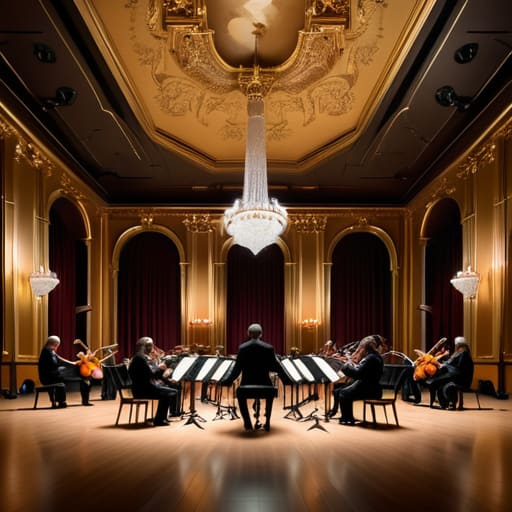
    Finding Stillness in International Music Tours.

    There is a particular kind of quiet that settles over you when you are sitting in a foreign concert hall, miles away from the familiar streets of home. During my years in the archives, I often cataloged the frantic paperwork behind the scenes, but I never truly understood the weight of the touring musician lifestyle until I sat in the dark of a grand European auditorium. There is a profound stillness in watching an ensemble navigate a complex symphonic repertoire for tours, moving through different cultures and acoustic spaces while maintaining a singular, shared breath.

    When we engage with international music tours, we aren’t just checking a box on a travel itinerary; we are participating in a rare moment of collective deceleration. While the world outside might be obsessed with the efficiency of orchestral performance logistics, the audience is doing something much more radical: we are simply being present. In those moments, the frantic pace of modern life falls away, leaving nothing but the vibration of the strings and the unhurried grace of a melody that feels as though it has existed forever.

    The Art of Curating Symphonic Repertoire for Tours
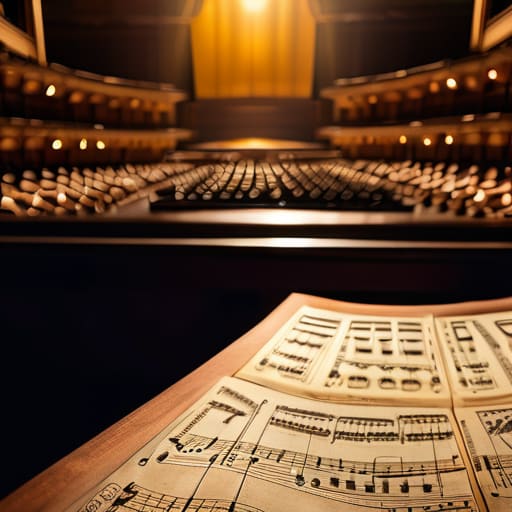
    The Art of Curating Symphonic Repertoire for Tours

    When I look back at the old programs from the archives, I’m always struck by how much thought goes into the selection of a program. It isn’t just about picking the most famous pieces; it’s about the narrative arc. Curating symphonic repertoire for tours requires a delicate balance between the familiar and the daring. You can’t just play the hits every night—that would be a disservice to the art. Instead, a conductor must weave a thread of emotion that can travel across borders, finding a common language in a Mahler symphony or a Debussy prelude that speaks to a stranger in a foreign hall just as clearly as it does to a neighbor at home.

    There is also a quiet, practical wisdom required in these selections. One must consider the physicality of the music alongside the logistical realities of moving an entire ensemble across continents. A program that is too taxing might leave the musicians depleted by the third city, while one too light might feel inconsequential. It is a beautiful, complex puzzle—ensuring the music is heavy enough to leave a mark on the soul, yet nimble enough to sustain the long, winding journey of international music tours.

    Small Notes on Making the Most of the Journey

    • Don’t rush to the next city. If a tour stops in a place with a grand concert hall or a quiet, cobblestone square, give yourself an afternoon to just sit there. The music is better when you’ve had a moment to breathe in the local air first.
    • Keep a close eye on the acoustics of the venues, not just the program. I’ve found that a smaller, more intimate hall often holds a melody much longer than a massive, sterile arena. The way the sound bounces off old wood tells a story of its own.
    • Carry a physical program or a small notebook. In our digital age, we tend to reach for our phones to record everything, but I find that jotting down a single phrase or a feeling about a movement helps the performance settle into your bones.
    • Listen for the silence between the movements. A great orchestra knows how to hold the tension in the quietest moments. It’s in those pauses—the collective breath of the audience and the musicians—where the real magic happens.
    • Seek out the local music that isn’t on the tour itinerary. If you’re in Vienna or Prague, find a small basement club or a local ensemble playing something unexpected. It provides a necessary contrast to the grandeur of the symphony and keeps your ears sharp.

    The Quiet Echoes of a Touring Orchestra

    A tour is more than a series of performances; it is a rare opportunity to witness how a single piece of music can reshape the atmosphere of an unfamiliar room and connect strangers in the dark.

    The true value of a well-curated repertoire lies in its ability to tell a story that transcends borders, proving that certain melodies carry a weight that remains long after the final note has faded.

    We must approach these musical journeys with intention, slowing down enough to notice the subtle shifts in the air when a symphony moves from one city to the next, leaving its mark on the local soul.

    The Weight of a Traveling Note

    “A symphony orchestra on tour isn’t just a group of musicians moving from one stage to another; it is the intentional act of carrying a specific kind of silence and a specific kind of thunder across borders, proving that certain melodies possess a gravity that no map can contain.”

    Petra Lindgren

    The Resonance That Remains
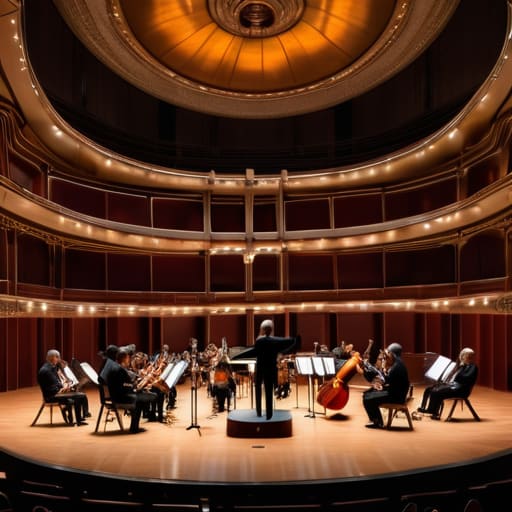
    The Resonance That Remains in musical history.

    When we look back on these grand tours, it isn’t the logistics or the flight itineraries that linger in the mind. It is the way a carefully curated program can bridge the gap between cultures, or how the sudden stillness of an international concert hall forces a sense of shared humanity upon a room full of strangers. We have discussed how these journeys offer a unique kind of stillness and how the selection of repertoire acts as the very heartbeat of the experience. Ultimately, a symphony tour is more than a series of performances; it is a deliberate act of preservation, bringing the weight of musical history into new, breathing spaces.

    As I sit here tonight, sketching the heavy molding of a local hall, I am reminded that the most profound things in life rarely happen in a rush. They happen in the pauses between the movements, in the dim light after the final note has faded, and in the quiet realization that we have been moved by something much larger than ourselves. I hope you find the time to seek out these moments—to travel not just to see new places, but to truly listen. Let the music stay with you, long after the lights go up and the crowd has dispersed into the night.

    Frequently Asked Questions

    How do these orchestras manage to maintain such a profound sense of intimacy when playing in grand, unfamiliar concert halls?

    It’s a delicate alchemy, really. They don’t fight the vastness of a new hall; they lean into it. I’ve noticed that the best ensembles treat the space like a living thing, adjusting their phrasing and breath to meet the acoustics. They find those quiet, shared frequencies that bridge the gap between the stage and the furthest row. It’s less about volume and more about a collective, focused intention—a way of pulling the audience inward.

    Is there a particular way to prepare oneself mentally to truly absorb the nuances of a performance while traveling?

    I’ve found that the best preparation isn’t a study guide, but a deliberate slowing down. Before the first note is even played, I try to shed the frantic energy of travel—the luggage, the schedules, the noise. I sit in the venue a few minutes early, just observing the light and the grain of the wood. If you arrive with a quiet mind, you aren’t just hearing the music; you’re finally ready to feel it.

    Beyond the music itself, how much does the history of the venues they visit shape the overall soul of the tour?

    It’s everything. As an archivist, I can tell you that a concert hall isn’t just a container for sound; it’s a living vessel of memory. When an orchestra plays in a venue where the velvet is worn by a century of listeners and the wood has absorbed decades of crescendos, the music gains a weight it simply can’t find in a modern hall. The history breathes through the notes, turning a performance into a conversation with the past.

  • The Lasting Influence of Soul Music

    The Lasting Influence of Soul Music

    I remember sitting in a basement jazz club in Detroit back in ’78, the air thick with the scent of old mahogany and stale tobacco, watching a young pianist try to replicate a Motown groove. He had the notes right, but he was missing the ache. People often talk about soul music influence as if it’s just a collection of chord progressions or a specific way a singer rasps on a high note, but they’re missing the point entirely. It isn’t something you can simply transcribe into a textbook or measure with a metronome; it is the ghost in the machine, the heavy, beautiful weight that lingers in the room long after the band has packed up.

    I’m not here to give you a dry, academic lecture on musicology or a list of chart-topping statistics. Instead, I want to walk you through the texture of that legacy—how it shaped the very way we listen to the world when the lights go low. We’re going to look past the surface-level trends to find the genuine, unvarnished heart of soul music influence, focusing on the moments that actually make a song feel alive.

    Table of Contents

    From Gospel Roots to the Souls Sacred Quiet

    From Gospel Roots to the Souls Sacred Quiet

    To understand the weight of a single note, you have to look back at where that breath first came from. For me, tracing the gospel roots of soul music is much like leafing through a dusty archive; you realize that the passion wasn’t manufactured in a studio, but born in the wooden pews of Sunday morning services. It was that raw, unvarnished yearning—the kind that reaches for something higher than itself—that eventually migrated from the church to the street corners and into the dimly lit clubs I frequent today.

    There is a sacredness in that transition, a way the music carried the heavy, unspoken prayers of a community. As the sounds shifted, the music became more than just melody; it became a vessel for dignity during much harder times. You can still hear it if you listen closely—that spiritual backbone that refused to break even as the arrangements grew more complex. It wasn’t just about rhythm; it was about a collective soul finding its voice when the world felt far too loud and far too unkind.

    How the Civil Rights Movement Found Its Voice

    How the Civil Rights Movement Found Its Voice.

    I remember sitting in a small, dimly lit cafe years ago, listening to an old Otis Redding record, and it struck me then—this wasn’t just music; it was a heartbeat. During the 1960s, the soul music and civil rights movement became inextricably linked, moving far beyond the confines of mere entertainment. It was the sound of dignity being reclaimed. When you listen to those tracks, you aren’t just hearing melodies; you are hearing the collective breath of a people demanding to be seen and heard.

    The songs became a sort of sonic sanctuary, providing a rhythmic backbone to the struggle for justice. There was a profound sense of shared purpose in every crescendo, a way to turn raw, systemic pain into something that felt both communal and unstoppable. It wasn’t just about the lyrics, though those were vital; it was about the way the music could steady a person’s hands when the world felt like it was shaking. Even now, when I walk past a quiet street corner at dusk, I can almost hear that echoes of resilience still lingering in the air.

    How to Listen for the Soul in a Fast-Moving World

    • Don’t just hear the melody; listen for the space between the notes. In soul music, the silence is just as heavy as the brass, and that’s where the real emotion settles in.
    • Seek out the imperfections. A voice that cracks slightly or a drummer who leans just a hair behind the beat—that’s where the humanity lives, far away from the sterile precision of modern digital tracks.
    • Pay attention to the lineage. When you hear a modern R&B track, try to trace the ghost of a Stax horn section or a Motown bassline hiding underneath the surface. It’s like looking at old architectural blueprints.
    • Let the music dictate your pace. If you’re listening to something with real grit, don’t rush it. Dim the lights, put the phone in another room, and allow the rhythm to slow your heartbeat down to its level.
    • Watch the room, not just the stage. Much of soul is a communal experience. Notice how the music changes the way people sit, how they lean toward one another, and how the atmosphere shifts when the groove truly takes hold.

    The Lessons the Music Left Behind

    Soul music isn’t just a genre; it’s a way of paying attention to the weight of a moment and the truth found in a single, unhurried note.

    The genre reminds us that the most profound shifts in culture often begin in the quiet, shared spaces of a community finding its collective voice.

    To truly understand the music, we must look past the rhythm and listen for the history—the echoes of struggle and spirit that refuse to be silenced by time.

    The Resonance of a Shared History

    “Soul music isn’t just a genre you listen to; it’s a way of remembering. It’s that heavy, beautiful ache in a melody that reminds us we aren’t just passing through these streets alone, but carrying the echoes of everyone who ever sang their truth into the dark.”

    Petra Lindgren

    The Echo That Never Fades

    Soul music: The Echo That Never Fades.

    Looking back through the archives of our musical history, it becomes clear that soul music was never just a genre or a collection of catchy melodies. It was a bridge—a way to carry the sacred weight of the gospel tradition into the grit of the streets, and a way to give a rhythmic, defiant heartbeat to a movement that refused to be silenced. We’ve seen how its influence seeped into every corner of modern sound, from the polished grooves of pop to the raw honesty of contemporary R&B. It taught us that music isn’t just something you hear; it is a vessel for our collective resilience and a way to document the truth of the human condition when words alone fail us.

    As I sit here in the dim light of my study, listening to the crackle of an old record, I’m reminded that the true legacy of soul isn’t found in charts or statistics. It’s found in those rare, quiet moments when a song stops you mid-stride and forces you to really listen. In a world that seems determined to move faster every single day, I hope you find the courage to slow down. Seek out the music that has something to say, the kind that lingers in the air long after the needle has lifted. Let it remind you that there is profound beauty in the struggle, and even more in the stillness that follows.

    Frequently Asked Questions

    How can we still hear those old gospel echoes in the way modern artists use their voices today?

    You can hear it in the way a singer leans into a note, letting it fray just a little at the edges. It’s that intentional, soulful grit—what I like to call the “vocal ache.” Modern artists might use synthesizers or polished production, but when they reach for those melismatic runs or that sudden, breathy vulnerability, they are tapping into that same spiritual well. It isn’t just technique; it’s an echo of something much older.

    Beyond the lyrics, how did the specific rhythm and tempo of soul music help shape the atmosphere of the era?

    It wasn’t just the words; it was the heartbeat. There is a specific, deliberate tension in a soul rhythm—that slight, heavy delay between the beat and the bass that makes you lean in. It creates a space for breath. In an era of frantic change, that mid-tempo groove acted like an anchor. It forced a certain gravity upon the room, demanding you sit still and actually feel the weight of the moment.

    In our fast-paced, digital world, is there still a place for the slow, intentional feeling that soul music demands of its listeners?

    I find that the faster the world spins, the more we actually ache for that stillness. We’re constantly bombarded by digital noise—sharp, bright, and fleeting. But soul music? It demands you sit with it. It requires you to lean in and listen to the space between the notes. In a world of instant gratification, that slow, intentional ache is more than just a genre; it’s a necessary sanctuary for the weary.

  • Discovering the Depth of World Music

    Discovering the Depth of World Music

    I remember sitting in a cramped, dimly lit basement archive in Ann Arbor, the air thick with the scent of decaying paper and old glue, when I first stumbled upon a dusty field recording from the Sahel. It wasn’t some polished, high-fidelity studio production meant for a lounge; it was raw, rhythmic, and strangely intimate. That moment changed how I viewed world music exploration forever. Most people treat it like a checkbox on a cultural checklist or a way to sound sophisticated at a dinner party, but they miss the point entirely. They chase the “exotic” labels without ever actually listening to the soul behind the sound.

    I’m not here to give you a curated list of trendy tracks that will be forgotten by next Tuesday. Instead, I want to show you how to truly settle into a melody so that it stays with you long after the needle lifts from the vinyl. We are going to move past the superficial hype and focus on the textures and histories that make these sounds meaningful. My promise to you is simple: no pretension, no academic jargon, just a guide to finding the music that actually makes the world feel a little larger and a lot more beautiful.

    Table of Contents

    Tracing Cultural Heritage Through Sound

    Tracing Cultural Heritage Through Sound in archives.

    When I was working in the archives, I learned that a single handwritten ledger could tell the story of an entire decade. Music functions in much the same way, though its ink is made of air and vibration. To truly understand cultural heritage through sound, one must listen past the catchy rhythms and look for the ghosts of the past. I often find myself sitting in the back of a dimly lit club, trying to discern how traditional folk melodies have been woven into modern arrangements, acting as a stubborn thread that refuses to be unraveled by time.

    It isn’t just about the notes, though; it’s about the weight of the instruments. There is a profound, grounding difference when you hear indigenous musical traditions played on instruments carved from the very earth they represent. You can feel the history in the resonance. I’ve spent many evenings sketching the heavy timber of stage ceilings while trying to map out how a specific beat travels from a village ceremony to a crowded city street. It is a slow, deliberate process of listening, but that is where the real discovery begins.

    Listening for Traditional Folk Melodies

    Listening for Traditional Folk Melodies on records.

    There is a particular kind of magic in sitting quietly with a record of traditional folk melodies from a land you’ve never stepped foot in. When I was working in the archives, I often handled field recordings that felt less like mere data and more like whispered secrets from the past. You can hear it in the slight tremor of a singer’s voice or the way a flute note hangs in the air just a second too long. These aren’t just songs; they are the blueprints of a people’s survival and their joy, preserved in a way that a digital file can never quite capture.
    I find that if you stop trying to categorize everything, you begin to hear the unspoken connections between distant shores. You might notice a rhythmic pattern in a West African drum circle that mirrors the cadence of a mountain ballad from the Appalachians. It isn’t about studying ethnomusicology basics or checking boxes on a map; it’s about letting those indigenous musical traditions settle into your spirit. It’s a reminder that, despite our modern rush, the human heart has been beating to the same fundamental rhythms for centuries.

    How to Truly Listen When the World Comes Calling

    • Stop the shuffle. When you decide to explore a new corner of the globe through sound, pick one artist or one specific region and stay there for a while. You can’t understand the architecture of a culture if you’re only glancing at the facade through a moving car window.
    • Seek out the imperfections. There is a certain magic in the slight crackle of a field recording or the raw, unpolished breath of a singer in a small village. It’s those human textures—the things a studio might try to scrub away—that tell the real story of a people.
    • Read the liner notes, or find the story behind the song. As an archivist, I can tell you that a melody is only half the history; the other half is the context. Knowing why a certain drum pattern is played during a harvest or a mourning ritual changes how that rhythm sits in your chest.
    • Create a dedicated space for the experience. Don’t just have this as background noise while you’re folding laundry or scrolling through your phone. Dim the lamps, pour something slow, and give the music the respect of your undivided attention.
    • Follow the lineage. If a particular track moves you, don’t just move on to the next thing on your algorithm. Look for the instruments they used or the era they come from. Music is a long, winding thread, and the joy is in following that thread back to its source.

    Lessons from the Long Listening

    Stop treating music like background noise for your chores; give a new melody the same respect you’d give a quiet conversation in a dim room.

    Listen for the history tucked between the notes, because a song is rarely just a song—it is a living record of a people’s survival and joy.

    Let the music settle into your bones rather than just your ears; the best sounds are the ones that stay with you long after you’ve walked back out into the street.

    The Weight of a Foreign Note

    “When you truly listen to a song from a land you’ve never stepped foot in, you aren’t just hearing a melody; you’re feeling the heartbeat of a history that refuses to be forgotten. It’s a quiet, profound way of realizing that while our languages differ, the ache and the joy in a minor key are universal.”

    Petra Lindgren

    The Echoes That Remain

    Musical heritage and The Echoes That Remain.

    As we’ve wandered through these sonic landscapes, from the heavy pull of traditional folk to the intricate tapestries of cultural heritage, I hope you’ve begun to see that world music isn’t just a category on a streaming service. It is a living, breathing archive of human experience. We have looked at how a single melody can act as a bridge to a distant history and how certain rhythms serve as the very heartbeat of a community. To truly listen is to do more than just hear; it is to trace the lineage of a song back to the hands that first played it. When we take the time to study these sounds, we aren’t just consuming entertainment—we are witnessing the endurance of the human spirit through every pluck of a string and every drumbeat.

    So, as you close this chapter and perhaps turn toward your own turntable or headphones, I urge you to resist the urge to rush. Don’t treat these melodies like background noise for a busy evening. Instead, find a quiet corner, let the room grow dim, and allow a new sound to truly settle into your bones. The world is far too vast and its stories far too beautiful to be skimmed like a headline. Let the music linger. Let it change the way you see the shadows in your own room. After all, the most profound journeys don’t require a passport—they only require a willingness to be still and listen deeply.

    Frequently Asked Questions

    How can I distinguish between a genuine traditional recording and a commercialized version made just for tourists?

    It’s a question I’ve often pondered while leafing through dusty field recordings. To find the truth, listen for the imperfections. A commercial track is often too polished, too rhythmic, stripped of its grit to suit a casual ear. Genuine tradition lives in the spaces between the notes—the slight hesitation of a singer, the unpolished resonance of a local instrument, or a melody that feels less like a performance and more like a conversation.

    Where can I find high-quality vinyl pressings of these international artists to truly hear the depth of the instrumentation?

    You won’t find that kind of depth in a digital stream, no matter how high the bitrate claims to be. If you’re serious, you have to hunt. I usually start with specialized boutique labels like Analog Africa or Soundway; they treat these pressings like the historical artifacts they are. Otherwise, you’ll need to spend a few slow Saturday afternoons digging through the back bins of independent shops. It takes patience, but the warmth is worth it.

    When exploring a new genre, how do I avoid the feeling of being an outsider and instead truly connect with the soul of the music?

    Don’t approach it like a researcher cataloging a specimen; approach it like a guest in a friend’s home. If you listen with the intent to judge or categorize, you’ll always feel like a stranger. Instead, sit with the rhythm. Let the unfamiliar scales settle in your chest before you try to name them. When you stop trying to “understand” and simply start feeling, the barrier between you and the music begins to dissolve.

  • Ways to Maintain Your Vinyl Collection

    Ways to Maintain Your Vinyl Collection

    I remember sitting in a cramped, dimly lit basement archive back in the nineties, surrounded by the scent of aging paper and dust, when I first realized that preservation isn’t about the tools you buy, but the intent you bring to the task. I’ve seen collectors spend hundreds of dollars on flashy, motorized contraptions that promise miracles, only to realize they’ve missed the point entirely. There is a certain frustration in watching someone rush through the ritual, treating their collection like a chore rather than a treasure, especially when they rely on expensive gimmicks instead of mastering fundamental vinyl cleaning methods.

    I’m not here to sell you on a high-tech machine or a proprietary solution that costs more than the record itself. Instead, I want to share the quiet, steady techniques I’ve gathered from decades of handling fragile histories and spinning jazz at midnight. We are going to focus on the practicality of care—the kind of honest, hands-on advice that ensures your music sounds as warm and deep as the day it was pressed. Let’s strip away the marketing hype and get back to the simple, soulful work of protecting the sound.

    Table of Contents

    Gentle Whispers Mastering Wet vs Dry Cleaning Methods

    Gentle Whispers Mastering Wet vs Dry Cleaning Methods

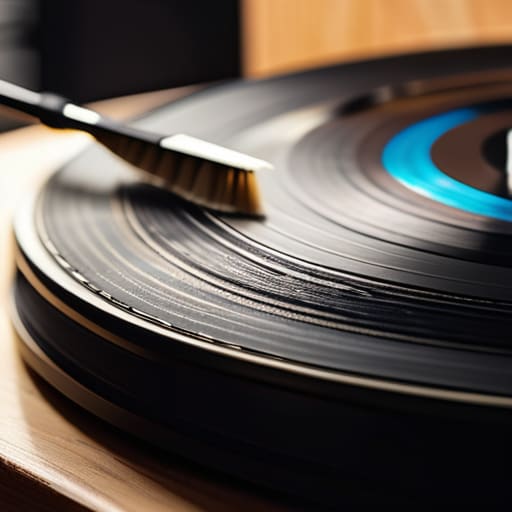
    There is a certain tension in deciding how to approach a new acquisition, a choice between the quick brush and the deep soak. When I’m sitting at my desk, I often find myself weighing the merits of wet vs dry cleaning methods based entirely on the history of the disc in my hands. A dry method—using a high-quality carbon fiber brush—is my go-to for a routine dusting. It’s a quiet, meditative act that offers significant anti-static brush benefits, lifting those pesky surface particles before they can settle deep into the wax.

    However, if a record has been sitting in a dusty attic or a damp basement for decades, a mere brush won’t suffice. For those stubborn, older finds, a wet clean is essential for cleaning record grooves safely and thoroughly. I always reach for a specialized solution and a dedicated microfiber cloth for vinyl to lift the grime that a dry pass simply cannot reach. It requires a bit more patience and a steadier hand, but the reward is a clarity of sound that makes the music feel as though it’s breathing right there in the room with you.

    The Soft Touch of a Microfiber Cloth for Vinyl

    The Soft Touch of a Microfiber Cloth for Vinyl

    There is something deeply meditative about the way a soft cloth moves across a spinning disc. When I’m not lost in a jazz set at a local club, I find myself back at my turntable, practicing what I call the “quiet ritual.” If you aren’t looking to dive into a full liquid bath, a high-quality microfiber cloth for vinyl is your most faithful companion. It isn’t just about wiping away the dust of the day; it’s about a gentle, circular motion that respects the delicate landscape of the record. You have to be patient here. Don’t press too hard—let the fabric do the work of lifting the debris without disturbing the integrity of the surface.

    I’ve learned through years of handling fragile archives that haste is the enemy of preservation. Using a dry cloth is a wonderful way of preventing surface noise on vinyl before a listening session, but you must be mindful of the friction. If you aren’t careful, you might inadvertently invite a bit of clinginess to the surface. I always find that a light, rhythmic touch helps in minimizing the buildup that leads to those dreaded pops and clicks, ensuring that when the needle finally drops, all you hear is the music.

    The Small Details That Keep the Music Alive

    • Mind the edges. When you’re working with a cloth, be careful not to let it catch on the outer rim of the disc; you want to guide the cleaning along the grooves, not create a friction that might warp the very thing you’re trying to save.
    • Patience is your best tool. If you’re using a liquid solution, don’t rush to dry it immediately. Let the fluid do its work in the valleys of the record, much like how a good jazz solo needs space to breathe before the next note hits.
    • Avoid the temptation of household sprays. I’ve seen too many well-meaning folks reach for a generic window cleaner, but those chemicals are far too aggressive for the delicate lacquer. Stick to distilled water and a drop of specialized solution.
    • Watch your hands. The oils from your skin might seem insignificant, but they leave a film that attracts dust like a magnet. Try to handle your records only by the edges, treating them with the same respect you’d give an original manuscript in the archives.
    • Listen to the silence. After you’ve finished cleaning, don’t just play it immediately. Give the record a moment to settle and dry completely in a stable environment; there is a certain peace in that quiet waiting period before the first crackle of the needle.

    The Quiet Lessons of the Groove

    Never treat the cleaning as a chore to be rushed through; treat it as a prelude to the music, allowing the stillness of the ritual to prepare you for the first note.

    Choose your tools with the same respect you’d give an archival document—gentle, non-abrasive, and always mindful of the delicate history etched into those black grooves.

    Remember that the goal isn’t just a clean surface, but the preservation of warmth, ensuring that the soul of the recording remains untouched by the dust of time.

    ## The Weight of the Groove

    Cleaning a record isn’t just about removing dust; it is a quiet act of respect for the music itself. You aren’t just scrubbing plastic; you are clearing the path so the artist’s breath and the room’s natural stillness can finally reach your ears without interference.

    Petra Lindgren

    The Final Note

    Cleaning vinyl records: The Final Note.

    Whether you find yourself leaning toward the precision of a wet cleaning solution or the simple, tactile reliability of a microfiber cloth, the goal remains the same: respect for the medium. We have discussed the necessity of avoiding harsh chemicals that might strip the life from the wax, and the importance of choosing the right tools to lift the dust without adding more scratches. It isn’t about achieving some sterile, laboratory perfection; it is about removing the static that stands between you and the music. By mastering these small, intentional movements, you ensure that the grooves remain deep and the playback remains true, protecting your collection for the next generation to discover.

    In the end, cleaning a record is more than just a chore or a maintenance task; it is a quiet, meditative prelude to the music itself. As I sit in my study, watching the light fade and preparing to drop the needle, I find that these few minutes of care actually help me slow down. We live in a world that demands we move faster, but your records ask for the opposite. They ask for your patience, your touch, and your presence. So, take your time with the ritual. Let the dust settle, let the cleaning settle your mind, and then, finally, let the music take over.

    Frequently Asked Questions

    Is it safe to use common household solutions, or will I risk damaging the delicate grooves of my older pressings?

    I’ve seen too many well-intentioned collectors reach for the window cleaner or a bit of rubbing alcohol, and it breaks my heart to see those precious grooves clouded by chemical residue. Please, steer clear of anything harsh. For those older, more fragile pressings, stick to distilled water and a drop of high-quality, pH-neutral soap. It’s about patience, not potency. We want to preserve the music, not strip away the history etched into the wax.

    How often should I actually be performing these cleaning rituals, or am I overthinking the maintenance?

    I often find myself wondering if I’m being too precious with my collection, but there is a fine line between obsession and stewardship. If you’re spinning a record every night, a quick dry brush before the needle drops is a wise precaution. However, for a deep, wet clean, don’t feel pressured to do it every time. Save those more involved rituals for when you notice a bit of grit or a dullness in the sound.

    What should I look for in a brush to ensure I'm not just pushing the dust deeper into the record?

    When you’re selecting a brush, avoid anything that feels overly stiff or synthetic; you want something that mimics a gentle touch. Look for natural fibers, like goat hair, which have a slight, organic resistance that lifts dust rather than sweeping it into the grooves. A high-quality carbon fiber brush is also a fine companion for daily maintenance. It’s about finding that balance—something that captures the debris without leaving a scratch on the history you’re trying to preserve.

  • The Philosophy of Jazz Improvisation in Literature

    The Philosophy of Jazz Improvisation in Literature

    I remember sitting in a cramped, dimly lit basement archive in Ann Arbor, surrounded by the scent of decaying paper and old glue, when I first realized that most instructional manuals are utterly hollow. I’d spent weeks pouring over dense, academic texts, only to find they lacked the very thing a musician needs: breath. There is a pervasive, frustrating myth that you can master the art of the spontaneous through sheer mathematical rigor, but the truth is that most books on jazz improvisation focus far too much on the mechanics of the scale and not enough on the spirit of the conversation. They treat music like a filing system rather than a living, breathing entity.

    I’m not here to sell you on a complex theory that will only leave you staring blankly at a staff of notes. Instead, I want to share a curated collection of works that actually understand the nuances of the craft—the ones that teach you how to listen as much as how to play. My goal is to guide you toward the few essential books on jazz improvisation that offer more than just fingerings; I want to help you find the texts that will stay with you long after you’ve closed the cover and picked up your instrument.

    Table of Contents

    Mastering Musical Expression Through Quiet Study

    Mastering Musical Expression Through Quiet Study.

    There is a specific kind of magic that happens when you sit with a text long after the city noise has died down. I’ve often found that the most profound breakthroughs don’t come from the frantic energy of a rehearsal room, but from the stillness of a study. When you dive into certain jazz harmony study guides, you aren’t just memorizing intervals; you are learning the secret language of tension and release. It is a slow, deliberate process, much like cataloging a delicate collection of manuscripts—one must respect the structure before they can truly appreciate the nuance.

    I often tell my friends that true artistry requires a balance of instinct and intellect. To bridge that gap, I frequently return to various improvisation techniques for musicians that emphasize the “why” behind the note. It isn’t enough to simply run through scales; one must understand the emotional weight of a single, well-placed blue note. By engaging in these quiet hours of study, you aren’t just practicing—you are mastering musical expression in a way that allows your instrument to finally speak your truth.

    Jazz Harmony Study Guides for Late Night Listening

    Jazz Harmony Study Guides for Late Night Listening

    There is a particular kind of magic that happens when you sit with a score under a dim lamp, long after the city noise has settled. While many seek the thrill of the performance, I have always found that the true architecture of a song is revealed in the study of its foundation. I often find myself returning to certain jazz harmony study guides that treat the chord progression not as a set of rules, but as a map of emotional possibilities. These texts allow you to see the skeleton beneath the skin of a melody, helping you understand why a certain substitution feels like a sudden intake of breath.

    If you are looking to deepen your own connection to the instrument, I suggest looking for resources that focus on learning jazz scales and modes through a lens of color rather than just mathematics. It isn’t enough to simply know the notes; you must understand how they breathe within the harmony. When I was working in the archives, I learned that the most enduring records were those that respected the structure while daring to wander. Using these guides to practice your jazz improvisation exercises in the quiet of your own home can turn a technical necessity into a deeply personal conversation with the music.

    A Few Notes on How to Truly Read the Music

    • Don’t treat these books like textbooks for a classroom; treat them like maps for a midnight stroll. You aren’t studying for a grade, you’re looking for a way to express what you feel when the room goes quiet.
    • Keep a pencil—not just a pen—handy in your notebook. When a particular chord progression or a bit of theory catches your eye, sketch it out. There is something about the physical act of drawing a scale that helps it settle in your bones.
    • Always pair your reading with a record spinning in the background. A book on improvisation is only half the story; you need to hear the breath and the grit of a real player to understand why those notes matter.
    • Resist the urge to rush through the chapters. If a page on rhythmic displacement strikes a chord with you, stop there. Sit with it. Let the concept simmer while you sip your tea or a glass of something amber.
    • Look for the “why” behind the “how.” A good book won’t just tell you which note to play next; it will try to explain the spirit behind the choice. Seek out the authors who write with a sense of wonder, not just a sense of instruction.

    The Quiet Wisdom of the Page

    Real mastery isn’t found in a frantic rush of scales, but in the slow, deliberate study of how a single note can change the mood of an entire room.

    Use these texts not as rigid rulebooks, but as maps that allow you to wander more confidently through the beautiful unpredictability of a solo.

    The best way to learn the language of jazz is to let the theory settle into your bones during those quiet, solitary hours when the rest of the world has finally gone still.

    The Quiet Dialogue of the Page

    “I’ve often found that the most profound improvisations aren’t born from technical mastery alone, but from a certain kind of listening—the kind you practice when you’re sitting still with a well-worn book, letting the ink teach your fingers the language of the unexpected.”

    Petra Lindgren

    The Final Note

    The Final Note: Feeling the music.

    As we close these pages, I hope you see that these books are more than mere technical manuals; they are maps to a much deeper territory. Whether you have been tracing the intricate geometry of jazz harmony or seeking to unlock the raw, spontaneous emotion of a solo, the goal remains the same. We aren’t just studying scales or rhythmic displacements; we are learning to listen to the silence between the notes. By combining the structured wisdom of these texts with the intuitive, late-night sessions we’ve discussed, you begin to bridge the gap between knowing the theory and actually feeling the music in your very bones.

    In my years as an archivist, I learned that the most precious things are those that require time to truly understand. Improvisation is much the same. It cannot be rushed, and it certainly cannot be mastered in a single, frantic afternoon. So, I encourage you to take these books, find a comfortable chair, and perhaps a glass of something amber, and simply let the ideas breathe. Don’t worry about perfection; instead, focus on the beauty of the discovery. After all, the most profound melodies are often found when we finally stop trying to control the music and simply start to listen.

    Frequently Asked Questions

    Are these books better suited for someone who already understands music theory, or is there a way for a beginner to find beauty in them without getting lost in the technicalities?

    It’s a fair question, and one I’ve often asked myself when staring at a complex score. While some texts certainly lean into the heavy mathematics of the genre, don’t let the notation intimidate you. You don’t need a degree to appreciate the intent behind the notes. Treat them less like textbooks and more like maps to a landscape. Even a beginner can find beauty by simply listening for the emotion the theory is trying to capture.

    How do I balance the rigorous study of these texts with the need to simply sit back and let the music breathe?

    It’s a delicate tension, isn’t it? I often find myself staring at a complex chord progression in a text, my mind racing to deconstruct it, only to realize I’ve stopped actually hearing the music. My rule is simple: study in the afternoon, but listen in the evening. Treat the books like a map, but remember that the map is not the journey itself. Put the notebook away, dim the lights, and let the notes exist without your permission.

    Can a book truly capture the spontaneous spirit of a live performance, or are they merely maps to a territory that can only be felt?

    It’s a fair question, and one I’ve pondered while sitting in dimly lit corners of the Blue Note. A book can’t replicate the sweat or the sudden, electric tension of a drummer finding a new pocket. No, they are maps. But even the most seasoned traveler needs a map to understand the terrain. These pages don’t replace the feeling; they give you the language to describe the magic once the music stops.

  • How to Discover New Music

    How to Discover New Music

    I remember sitting in the corner of a basement club in Chicago back in ’84, the air thick with the scent of old wood and spilled bourbon, waiting for a needle to find its groove. There was no algorithm to guide me then, just the unpredictable magic of a sleeve being pulled from a crate and the sudden, sharp realization that a new sound had just changed my life. Today, I see people scrolling through endless, sterile feeds, mistaking a high-speed data stream for true music discovery. We’ve traded the tactile thrill of the hunt for a digital convenience that feels remarkably hollow, leaving us with a thousand songs but hardly any connection to the ones that actually matter.

    I’m not here to teach you how to optimize your data usage or manipulate a streaming service into feeding you more of the same. Instead, I want to show you how to reclaim the art of listening. I’ll share the quiet, intentional methods I use to find those rare melodies that refuse to leave your mind once the room goes dark. We are going to move past the noise and focus on the soul of the sound, finding the music that is actually worth your evening.

    Table of Contents

    Moving Past Streaming Service Recommendation Engines

    Moving Past Streaming Service Recommendation Engines.

    It is far too easy to let an algorithm do the heavy lifting for us. We’ve become accustomed to the convenience of streaming service recommendation engines, letting a line of code decide what our ears should encounter next. But there is a certain sterility in that process. When you rely solely on audio preference modeling, you aren’t really discovering anything; you are simply being fed a mirror of what you already know. It’s a closed loop that lacks the friction necessary for true growth.

    To find something that actually moves you, you have to embrace the messiness of human vs machine curation. I’ve always found that the best way to stumble upon a masterpiece is through the flawed, beautiful intuition of a person—a shopkeeper with dusty fingers, a radio DJ with a specific mood, or a friend who swears a certain record changed their life. There is a soul in those suggestions that a mathematical equation can’t replicate. If you want to move beyond the predictable, you must step away from the screen and seek out the unexpected in the places where people still share their passions by hand.

    Finding Underground Music in the Quiet Moments

    Finding Underground Music in the Quiet Moments

    I’ve always found that the best way to stumble upon something truly special isn’t through a screen, but through the serendipity of a physical space. There is a specific kind of magic in the dust-mote-filled air of a basement record shop or the low hum of a corner café where a local musician is testing a new set. When you step away from the predictable patterns of audio preference modeling, you open yourself up to the delightful friction of the unknown. It’s in these quiet, unscripted moments that you find the artists who aren’t trying to fit into a demographic, but are simply trying to say something honest.

    Instead of letting a computer predict your next move, I suggest leaning into the unpredictability of the hunt. Try wandering into a shop where the clerk looks like they haven’t seen sunlight in days; ask them what they’ve been spinning lately. That small, human exchange offers a depth of music genre exploration that no algorithm can replicate. It’s about the tactile joy of flipping through sleeves and the slow realization that a melody has finally found its way into your soul.

    Five Ways to Let the Music Find You

    • Follow the physical trail. Instead of clicking a profile, walk into a dusty corner of a local record shop and ask the clerk what they’ve been spinning lately. There is a certain magic in holding a sleeve in your hands that an algorithm can never replicate.
    • Respect the deep cuts. When you find an album that speaks to you, resist the urge to skip to the hits. Sit there, perhaps with a drink and the lights turned low, and listen to the tracks that the artist intended to be the quiet connective tissue of the record.
    • Seek out the communal hum. Go to a small, dimly lit venue where the acoustics are imperfect but the energy is real. There is a profound lesson in hearing how a song breathes in a room full of strangers, vibrating through the floorboards and into your chest.
    • Trace the lineage. When a melody catches your ear, don’t just move on; look backward. Find out who influenced that musician, or who they influenced in turn. Music is a long, continuous conversation across decades, and you owe it to yourself to hear the whole dialogue.
    • Practice the art of the intentional pause. Set aside an evening where the goal isn’t “content consumption,” but true listening. Put your phone in another room, grab your notebook, and let a single album settle into your bones without the distraction of a glowing screen.

    The Art of Noticing

    Put down the phone and stop letting an algorithm decide your mood; true connection to music requires the patience to sit with a single track until it actually says something to you.

    Seek out the physical—the crackle of a worn record or the acoustics of a dimly lit room—because the texture of the environment is just as important as the melody itself.

    Treat music discovery as a slow walk through a city rather than a sprint; the most meaningful sounds are often found in the quiet, unplanned corners of an evening.

    ## The Art of the Slow Listen

    “We’ve traded the thrill of the hunt for the convenience of a scroll, forgetting that the best music isn’t something you find with a thumb—it’s something you stumble upon when you finally allow yourself to be still.”

    Petra Lindgren

    The Last Note Fades

    The Last Note Fades in quiet music.

    At the end of the day, discovering music isn’t about how many tracks you can scan through in a single sitting or how efficiently an algorithm can predict your next mood. It is about the intentionality of the search—stepping away from the digital noise and leaning into the dusty corners of a record shop or the hushed atmosphere of a dimly lit club. We have discussed the need to move beyond the convenience of streaming engines and the importance of finding those hidden melodies in the quiet, unscripted moments of life. True discovery requires us to be present, to be patient, and to allow the music to actually find us when we stop rushing.

    As I close my notebook tonight, I am reminded that the best songs are rarely the ones shouted at us through a screen. They are the ones that arrive softly, demanding nothing but our undivided attention. I hope you take a moment this week to put your phone in another room, dim the lights, and simply listen. Don’t just consume sound; let it settle into your bones and stay with you long after the silence returns. After all, a life well-lived is measured not by the volume of what we hear, but by the depth of the resonance that remains when the music finally stops.

    Frequently Asked Questions

    How do I begin to build a collection of music that actually feels personal rather than just following what's trending?

    Start with the stories, not the charts. When you find a song that makes you pause, don’t just add it to a digital folder; look for the lineage. Find the artist’s influences, or the sleeve notes of a record that shares that same spirit. A collection shouldn’t be a list of hits, but a map of your own curiosities. Buy one physical thing that resonates, and let it become an anchor for your taste.

    Are there specific ways to support local musicians without it feeling like a chore or a transaction?

    It shouldn’t feel like a transaction; it should feel like a shared moment. Instead of just hitting “follow,” try showing up. Buy a drink at the venue, pick up a physical record if they have them, or simply sit in the front row and truly listen. When you give a musician your undivided attention, you’re giving them something more valuable than a digital click. You’re acknowledging that their art matters.

    How can I train my ears to appreciate more complex or slower genres when I'm used to the constant pace of modern radio?

    It’s a matter of recalibrating your internal clock. We’ve become accustomed to the frantic, bright pulse of modern radio, which rarely allows for silence. To adjust, stop treating music as background noise for your chores. Sit in a comfortable chair, perhaps with a glass of something amber, and let a single track play from start to finish without distraction. You have to teach your ears to wait for the resolution.

  • The Impact of Street Performers on City Life

    The Impact of Street Performers on City Life

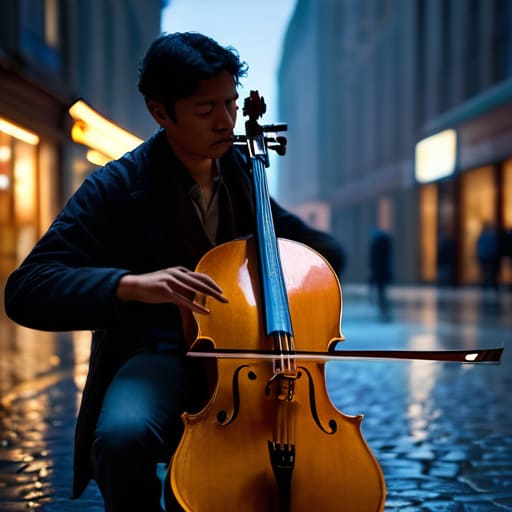
    I remember standing on a rain-slicked corner in Chicago back in ’84, clutching my notebook as a cellist played something so hauntingly beautiful it made the passing commuters look like ghosts. Most people treat street performers as mere background noise or, worse, a nuisance to be bypassed on the way to a more expensive dinner. They think “culture” only happens when you pay a hefty cover charge and sit in a velvet chair. But they’re wrong. There is a raw, unvarnished truth in a melody played against the roar of a subway grate that you simply won’t find in a concert hall.

    I’m not here to give you a curated list of the most “Instagrammable” buskers in the city. Instead, I want to show you how to truly listen. I’ll share my own quiet observations on how to find the artists who actually possess a soul, and how to transform a simple walk through the city into a meaningful encounter with art. We aren’t just looking for entertainment; we are looking for those fleeting moments that stay with us long after the sun goes down.

    Table of Contents

    Lost in the Rhythm of Urban Street Entertainment

    Lost in the Rhythm of Urban Street Entertainment.

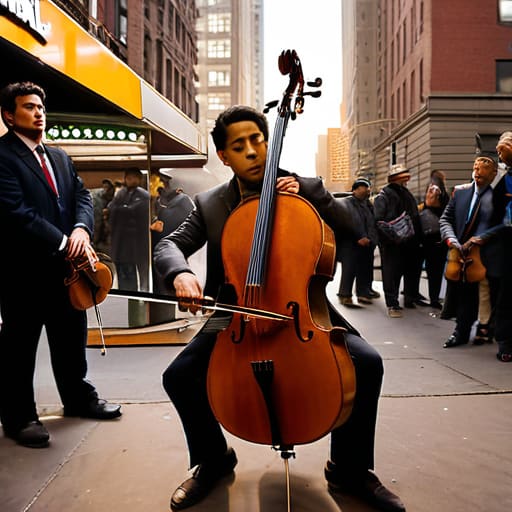
    I often find myself leaning against a cold brick wall, notebook in hand, just watching how a single melody can shift the gravity of a busy corner. There is a specific kind of magic in the way street music culture breathes life into the concrete; it turns a mere thoroughfare into a shared living room. I watched a cellist yesterday, tucked between a newsstand and a subway entrance, whose music didn’t just fill the air—it seemed to anchor the passing crowd. For a few moments, the frantic pace of the city surrendered to the vibration of the strings, proving that even the most hurried soul can be brought to a standstill by a well-placed minor chord.

    It isn’t always easy for these artists, though. As I observe the weathered cases and the modest setups, I am reminded of the delicate balance of the busker livelihood and tips that sustains them. They carry their entire worlds in a single instrument case, navigating the fine line between art and survival. There is a quiet dignity in seeing someone offer their soul to the pavement, asking nothing more than a moment of your undivided attention.

    The Fragile Beauty of Public Performance Art

    The Fragile Beauty of Public Performance Art.

    There is a profound vulnerability in watching a person stand exposed on a concrete corner, offering their soul to a crowd that is often too hurried to notice. Unlike the polished, climate-controlled stages of a concert hall, public performance art happens in the teeth of the wind and the unpredictable flow of commuters. I watched a cellist yesterday near the old library; her instrument was worn, her street musician gear looked weathered by years of transit, yet the resonance of those low notes against the brickwork was more commanding than any symphony I’ve heard in a theater.

    It is a delicate ecosystem, this intersection of art and the sidewalk. While the bureaucracy of busking permits and regulations often attempts to codify and constrain these moments, there is an inherent wildness to the craft that refuses to be fully tamed. We owe it to these artists to look up from our phones. When we finally do, we aren’t just witnessing a spectacle; we are participating in a shared, fleeting moment of humanity that exists only because someone had the courage to play.

    How to Truly Listen: A Few Notes on Witnessing the Sidewalk Stage

    • Put your phone away. I know the impulse to capture everything is strong, but a digital screen acts as a thin, cold barrier between you and the moment. If you want to feel the vibration of a cello or the grit in a singer’s voice, you have to be present, not just recording.
    • Follow the sound, not the crowd. Most people drift toward the largest group, but I’ve often found the most profound melodies tucked away in a quiet corner or under a stone archway where the acoustics lend a certain dignity to the performer.
    • Carry a bit of grace—and perhaps some small change. Whether it’s a few coins or a folded bill, remember that these artists are offering us a piece of their soul in exchange for our time. A small gesture of appreciation acknowledges the labor behind the art.
    • Notice the architecture of the performance. As I often do with my sketchbook, look at how the performer uses the space—the way a drummer utilizes the echo of a subway entrance or how a dancer finds rhythm in the uneven cobblestones. The setting is part of the music.
    • Allow yourself to linger. There is a temptation to keep walking to stay on schedule, but the real magic happens in the second or third minute, once the initial novelty wears off and you actually start to hear the intention behind the notes. Don’t rush the discovery.

    The Quiet Lessons of the Sidewalk

    Street performers act as a necessary friction against the rush of modern life, forcing us to pause and reconnect with the present moment.

    There is a profound, albeit fleeting, intimacy in sharing a melody with a crowd of strangers under the city lights.

    To truly appreciate these artists, we must move beyond being mere spectators and learn to listen with the same intentionality we bring to a vintage record.

    The Unscripted Soul of the Sidewalk

    “Most people walk through this city with their eyes fixed on a destination, but a street performer is the only thing that can make you realize you’ve already arrived. They don’t offer a polished spectacle; they offer a moment of raw, unvarnished humanity that demands you stop rushing and simply exist alongside them for a few beats.”

    Petra Lindgren

    The Last Note of the Evening

    The Last Note of the Evening streetscape.

    As I sit here in this corner booth, watching the streetlights begin their nightly dance against the pavement, I find myself reflecting on everything we’ve discussed. From the rhythmic pulse of a drum kit echoing through a subway station to the quiet, heartbreaking grace of a solo cellist in a public square, these performers do more than just entertain us. They act as the unintentional curators of our urban experience, weaving threads of humanity into the often cold, concrete fabric of our daily commutes. They remind us that art isn’t something reserved solely for velvet-curtained halls or expensive galleries; it is a living, breathing entity that exists right at our feet, demanding nothing more than a moment of our undivided attention.

    So, the next time you find yourself rushing toward a destination, perhaps feeling the weight of a day that moved far too quickly, I urge you to pause. Listen for that stray melody drifting from a street corner or the sudden swell of a brass section near the park. Don’t just walk past; let the music catch you. There is a profound, quiet dignity in these fleeting encounters that stays with you long after the performer has packed away their case. In a world that insists on constant motion, let us find the courage to stand still and embrace the beautiful, temporary magic of the sidewalk.

    Frequently Asked Questions

    How do these artists manage to find such soul-stirring locations in a city that always seems to be in such a hurry?

    I suspect it’s a bit of a dance between them and the city itself. These artists have a way of listening to the architecture, much like I do when I’m sketching. They aren’t looking for the busiest intersections, but rather the pockets where the concrete softens—a recessed alcove, a courtyard with a bit of echo, or a corner where the shadows linger just right. They find the stillness within the rush.

    Is there a way to truly support these performers beyond just dropping a few coins in a weathered instrument case?

    It’s a question that lingers in my mind long after I’ve tucked my notebook away. Beyond the spare change, the most profound gift you can offer is your presence. Don’t just pass by; stop. Let them see you listening. If the music moves you, tell them so. A genuine word of appreciation or a follow on their social media can bridge the gap between a fleeting moment and a lasting connection.

    Where can one find the quietest corners of the city to watch them without the usual rush of the evening crowd?

    If you’re looking to escape the frantic pulse of the main thoroughfares, seek out the side alleys near the old theater district or the cobblestone passages behind the jazz clubs. I’ve often found that the most profound performances happen in those little alcoves where the streetlights are dim and the foot traffic thins to a trickle. It’s in those hushed, tucked-away corners that the music truly has room to breathe.

  • The Experience of Ambient Music Listening

    The Experience of Ambient Music Listening

    I remember sitting in a dimly lit corner of a basement jazz club in Ann Arbor, decades ago, watching the dust motes dance in the amber glow of a single lamp. There was no frantic percussion or ego-driven soloing; there was just a low, steady hum that seemed to hold the very walls together. It wasn’t about performing for an audience; it was about the space between the notes. Nowadays, people treat ambient music listening like some high-tech ritual that requires a thousand-dollar sound system or a specialized degree in acoustics. They get so caught up in the technical specifications of the gear that they completely forget to actually listen to the soul of the sound.

    I’m not here to sell you on expensive gadgets or complex theories that only serve to complicate a simple pleasure. Instead, I want to share what I’ve learned from a lifetime of seeking out the quiet corners of this world. I’ll show you how to strip away the noise and use ambient music listening as a way to reclaim your own time. We’ll talk about setting the right scene, choosing the right textures, and most importantly, how to finally give yourself permission to just sit still.

    Table of Contents

    Mindfulness Through Sound and the Beauty of the Pause

    Mindfulness Through Sound and the Beauty of the Pause

    There is a specific kind of quiet that only exists when you stop trying to command your environment and instead let it wash over you. In my years working with archives, I learned that history isn’t just in the documents; it’s in the atmosphere of the room. I find that same truth when I sit down with a record. Practicing mindfulness through sound isn’t about achieving some lofty state of enlightenment; it is simply the act of leaning in. When you stop treating audio as mere background noise and start treating it as a companion, the world feels a little less frantic.

    I often find myself drawn to minimalist electronic compositions during those late hours when the city outside finally settles. These tracks don’t demand your attention with loud crescendos or jarring shifts; instead, they offer deep focus auditory textures that allow your mind to wander without getting lost. It is in these subtle layers—the soft hiss of a tape or the gentle swell of a synth—that we find the permission to breathe. We spend so much of our lives bracing for the next loud thing that we forget how much healing can be found in the softest frequencies.

    Low Fidelity Background Audio for Slowing Down the Night

    Low Fidelity Background Audio for Slowing Down the Night

    There is a particular kind of magic found in the crackle of a needle hitting a worn groove, or even in the digital warmth of a well-curated lo-fi stream. I’ve always found that low-fidelity background audio acts as a sort of velvet curtain for the mind, softening the sharp edges of a frantic day. It isn’t about demanding your undivided attention like a complex symphony might; rather, it provides a gentle, rhythmic pulse that allows the room to breathe.

    When I sit in my study, letting the soft hiss and muffled percussion fill the corners, I feel the frantic pace of the modern world begin to recede. These minimalist electronic compositions don’t fight for space; they create a sanctuary. They offer a layer of sonic comfort that encourages you to set down your phone, pick up a book, or simply watch the shadows stretch across the floor. It is in these unhurried moments, wrapped in a blanket of steady, low-frequency sound, that I find the most clarity.

    Small Rituals for a Deeper Listen

    • Put the phone in another room. It’s hard to catch the subtle texture of a reverb tail or a soft synthesizer swell when your pocket keeps buzzing with the demands of the digital world. Give the music your undivided attention, even if it’s only for twenty minutes.
    • Control your environment with intention. I find that the music changes entirely depending on the light; dim the lamps, perhaps light a single candle, and let the shadows soften the edges of the room. It prepares the eyes to let the ears lead.
    • Invest in a physical connection. While streaming is convenient, there is something about the tactile ritual of placing a needle on a record or even just sitting in a dedicated chair that signals to your brain: “The day is over, and the listening has begun.”
    • Listen for the “silence” between the notes. Ambient music isn’t always about the sound itself, but the space the sound creates. Don’t rush to fill every gap; let the stillness settle in your chest before the next melody drifts in.
    • Keep a notebook nearby. Much like I do when I’m sketching the cornices of an old theater, try jotting down a single word or a fleeting feeling a particular track evokes. It helps you anchor the experience, turning a mere background noise into a lasting memory.

    The Small Things That Remain

    Treat ambient music not as background noise to be ignored, but as an invitation to finally settle into your own space.

    Use the texture of low frequencies and soft melodies to create a boundary between the rush of the day and the stillness of the night.

    Remember that the goal isn’t to achieve perfect silence, but to find a rhythm that allows you to notice the architecture of your own thoughts.

    The Texture of Silence

    “Ambient music isn’t just something you play to fill a room; it’s a way to soften the edges of a long day. It’s like the low hum of a city at midnight—it doesn’t demand your attention, it simply invites you to sit still and finally hear your own thoughts.”

    Petra Lindgren

    The Last Note

    Listening to ambient music, The Last Note.

    As the evening settles, I find myself returning to the same realization: ambient music isn’t just something we play to fill the silence; it is a tool for reclaiming our time. We have discussed how these low-fidelity textures can act as a buffer against the frantic pace of the modern world, and how the simple act of listening can transform a room from a mere space into a sanctuary. Whether it is the gentle hum of a synth or the crackle of a well-loved record, these sounds allow us to practice a quiet sort of mindfulness, turning the background noise of life into something deliberate and restorative.

    I often sit at my desk after a long walk, sketching the lines of a building or simply watching the way the lamplight hits the floor, and I realize that the most important moments are rarely the loudest ones. Don’t feel the need to rush through your playlist or treat your evening as something to be conquered. Instead, I invite you to lean into the stillness. Let the music drift, let the lights stay low, and allow yourself the grace of a slow descent into the night. After all, it is in these quiet, unhurried intervals that we truly find ourselves again.

    Frequently Asked Questions

    How do I find the right balance so the music stays in the background without becoming mere noise?

    It’s a delicate thing, much like finding the right lighting for a room. You don’t want a spotlight; you want a glow. I find the trick is to treat the music as an architectural element rather than a performance. Keep the volume just below the level of your own thoughts. If you find yourself tapping your foot or trying to follow a melody, it’s too loud. It should feel like a soft shadow—present, but never demanding your attention.

    Are there specific instruments or textures that help ground a room more effectively than others?

    I’ve always found that certain textures carry a certain weight—a physical presence, if you will. There is something inherently grounding about the woody, resonant hum of a cello or the soft, rhythmic brush of a snare drum. They feel tactile, almost like the grain of an old desk. Avoid anything too bright or piercing; instead, look for those low, velvet frequencies that seem to settle into the corners of the room and hold it steady.

    How can I transition from a loud, busy day into a listening session without feeling restless?

    I used to think I could just flip a switch and find peace, but the mind doesn’t work like a record player. If you’re feeling that frantic, leftover energy from the day, don’t force the silence. Start with something tactile. Pour a glass of something slow, dim the lamps, and let the music start at a low volume—almost a whisper. Let the sound bridge the gap between the chaos you left behind and the stillness you’re seeking.

  • Fiction Exploring the Complexity of Urban Life

    Fiction Exploring the Complexity of Urban Life

    I’ve always felt that cities are less like collections of steel and concrete and more like living, breathing organisms. During my years in the archives, I learned that every street corner holds a memory, but it’s the stories we tell that truly give a metropolis its pulse. Lately, I’ve found myself searching for something more substantial than the frantic, neon-soaked rush of modern life; I find myself looking for the quiet resonance of a city at rest. It can be difficult to find novels about urban life that actually capture that specific, electric loneliness of a midnight walk or the way a subway station echoes with a thousand unspoken histories.

    In the following pages, I want to share five particular books that managed to do more than just describe a setting. These are stories that inhabit the shadows and the light of the city, offering a window into the souls of those who navigate its labyrinthine streets. I hope these selections help you find that same sense of intentional discovery I feel when I’m wandering through a new neighborhood. Let’s step away from the noise for a moment and settle into the narratives that truly capture the heartbeat of the urban experience.

    Table of Contents

    The Midnight Pulse of Manhattan

    The Midnight Pulse of Manhattan streets.

    There is a certain kind of magic found in the way a city breathes when the sun goes down, and no one captures that restless energy quite like E.L. Doctorow. In his explorations of New York, the streets aren’t just settings; they are living, breathing characters that demand your attention. I often find myself thinking about his descriptions while sitting in a quiet corner of a jazz club, wondering if the ghosts of those old streets are still wandering the avenues.

    A Symphony of Concrete and Loneliness

    A Symphony of Concrete and Loneliness.

    Sometimes, a city can feel more isolating than the most desolate desert, a paradox that James Baldwin understood with a precision that still leaves me breathless. His prose doesn’t just describe urban life; it dissects the emotional architecture of it. He captures the way a crowded subway car can feel like a vacuum of solitude, even when you are pressed shoulder-to-shoulder with strangers.

    The Labyrinth of Lost Souls

    Gritty urban decay, The Labyrinth of Lost Souls.

    There is a specific, haunting quality to the way Charles Bukowski portrays the urban landscape—it is unvarnished, raw, and occasionally quite beautiful in its decay. He doesn’t offer the polished version of city life you see in travel brochures; instead, he gives you the scent of stale beer and the neon flicker of a cheap motel sign. It’s a gritty realism that demands you face the world as it truly is.

    Elegance Amidst the Iron and Glass

    If you are looking for a city that feels like a well-composed piece of music, look no further than the works of Edith Wharton. While her settings are often more refined than the modern sprawl, her ability to map the social geography of an urban environment is unparalleled. She understands how the layout of a room or the breadth of a boulevard can dictate the very movements of the human heart.

    The Electric Hum of the Modern Maze

    For a more contemporary take on the urban experience, there is something profoundly moving about the way Zadie Smith navigates the intersection of culture and place. Her cities are vibrant, chaotic, and endlessly layered, much like the complex jazz arrangements I love to listen to on a rainy Tuesday. She captures the way different histories collide on a single street corner.

    The Echoes That Remain

    A city is more than just its skyline; it is the collection of small, quiet moments and the specific atmosphere of its streets that truly define the urban experience.

    The best stories don’t just describe a setting, they capture the rhythm and the particular “soul” of a place that lingers in your mind long after you’ve closed the book.

    To truly understand the urban heart, one must look past the noise and find the beauty in the shadows, the dim lights, and the slow-moving details of city life.

    The Architecture of a Story

    “A truly great urban novel doesn’t just describe a street corner or a crowded subway car; it captures the way the city breathes against you, that specific, lonely electricity that makes you feel both entirely alone and deeply connected to every stranger passing by in the dim light.”

    Petra Lindgren

    The City in the Margins

    As we’ve seen through these pages, a city is never just a collection of steel, glass, and concrete. Whether it is the frantic, neon-soaked energy of a midnight street or the hushed solitude of a rain-slicked alleyway, these novels remind us that the urban landscape is a living, breathing character in its own right. They teach us that the true essence of a metropolis isn’t found in its grand monuments, but in the quiet intersections of human lives—the brief encounters, the shared glances on a subway, and the profound loneliness that can exist even in a crowd of millions.

    I often find myself sitting in a corner booth of a dim jazz club, sketching the way the light hits the brickwork, and I realize that reading these stories is much like that. It is an invitation to slow down and truly look. I hope that as you close these books, you find yourself looking at your own streets with a bit more curiosity. Don’t just rush from one destination to the next; instead, permit yourself to get lost in the rhythm of the sidewalk. After all, the most beautiful parts of our lives are often found in the small, unscripted moments that happen when we finally decide to stop rushing.

    Frequently Asked Questions

    Are there any specific authors who capture the atmosphere of a city more through their descriptions of sound and light than through their plot?

    I often find myself more drawn to the way a writer describes the amber glow of a streetlamp or the low hum of a distant subway than to the actual plot. For me, it’s Virginia Woolf who truly masters this; she captures the shifting light and the internal rhythm of the city like no one else. Then there is Truman Capote—he has this uncanny ability to paint the atmosphere with such sensory precision that you can almost hear the city breathing.

    Do you think these urban novels are better enjoyed in the quiet of a morning, or are they meant to be read late at night when the city is still awake?

    To my mind, these stories demand the night. There is a specific kind of magic that happens when the sun goes down and the city settles into its evening rhythm. Reading about urban life in the bright, hurried clarity of morning feels a bit like looking at a blueprint; you see the lines, but not the soul. But late at night, when the streetlamps cast long shadows and the world slows down, the prose truly breathes.

    Can you recommend a few titles that focus more on the solitude of living in a crowd rather than the chaos of the streets?

    I understand exactly what you mean. There is a specific kind of loneliness that only exists when you’re surrounded by millions of people. If you’re looking for that quiet, internal hum, I’d suggest The Lonely City by Olivia Laing. It’s more of a memoir, but it captures that ache beautifully. I’d also point you toward Haruki Murakami; his characters often navigate a profound, dreamlike isolation right in the middle of a bustling Tokyo.

  • How Orchestral Arrangements Are Created

    How Orchestral Arrangements Are Created

    I remember sitting in the back of a drafty conservatory hall thirty years ago, watching a conductor struggle to tame a swell of strings that felt more like a chaotic storm than a melody. There is a pervasive, modern misconception that orchestral arrangements need to be massive, bombastic, and layered with a thousand different instruments just to prove they have “scale.” People often mistake sheer volume for emotional depth, treating a symphony like a wall of sound meant to drown out thought rather than invite it. But in my experience, the most profound moments aren’t found in the roar of a hundred brass players; they are found in the delicate space between the notes.

    I’m not here to give you a lecture on music theory or a checklist of expensive production tricks. Instead, I want to share what I’ve learned from a lifetime of listening to the records that actually matter. We are going to look past the hype and explore how thoughtful, intentional textures can turn a simple melody into something that stays with you long after the lights go up. My promise to you is simple: no fluff, just a quiet exploration of how to find the soul within the arrangement.

    Table of Contents

    Mastering Instrumentation and Timbre for Midnight Reflections

    Mastering Instrumentation and Timbre for Midnight Reflections

    When I sit in the corner of a dim club, watching the light catch the amber in a glass, I find myself thinking about how a composer builds a mood from nothing but air and vibration. It isn’t just about the notes on the page; it’s about the delicate marriage of instrumentation and timbre. A solo cello can feel like a private confession, but when you introduce the breathy, hollow warmth of a bassoon or the silver bite of a flute, the entire emotional landscape shifts. It is in these subtle textures that a piece of music stops being a mere melody and starts becoming a memory.

    To truly capture that late-night stillness, one must look closely at the nuances of woodwind and brass voicing. It is easy to lean on the heavy hitters, but the magic often lies in the shadows—the way a muted trumpet can mimic a distant siren or how a soft swell in the strings feels like a sigh. Mastering these layers requires a certain patience, a willingness to let the instruments breathe and interact rather than simply competing for space. It’s about finding that perfect, resonant frequency that lingers in the room long after the final note has faded.

    The Soul of String Section Writing in Dim Light

    The Soul of String Section Writing in Dim Light.

    There is a particular kind of magic that happens when the violins begin to swell in a room that has finally grown quiet. In my years spent cataloging old manuscripts, I’ve noticed that the most enduring records often capture that same sense of longing found in thoughtful string section writing. It isn’t just about the notes on the page; it is about how a cello can anchor a room, providing a resonant, woody warmth that feels almost tactile. When a composer understands how to layer these textures, the music stops being mere sound and becomes a physical presence, something you can lean into as the evening settles.

    I often find myself sketching the heavy velvet curtains of jazz halls, thinking about how a well-placed melody needs that same sense of weight and shadow. Effective scoring for full orchestra requires more than just technical proficiency; it demands an understanding of space. You have to know when to let a single violin weep in the upper register and when to let the lower strings provide a dark, velvet foundation. It is in those subtle shifts of tension and release that we find the true emotional heartbeat of a piece.

    Notes from the Margin: How to Compose for the Quiet Hours

    • Don’t crowd the silence. In my years looking at old manuscripts, I learned that what you leave out is often more powerful than what you ink in. When arranging for an orchestra, give your melodies room to breathe; let the space between the notes act as a canvas for the listener’s own thoughts.
    • Respect the wood and the breath. There is a profound, human warmth in the way a bassoon sighs or a cello vibrates against the floorboards. When you write, don’t just think of notes on a staff—think of the physical effort of the musician, the grain of the wood, and the way a single breath can change the temperature of a room.
    • Use texture like a soft-focus lens. An arrangement shouldn’t always be a sharp line; sometimes, you want the sound to bleed at the edges, much like the shadows in a dimly lit jazz club. Layer your woodwinds and muted brass to create a haze that feels more like a memory than a direct statement.
    • Find the weight in the low end. A true midnight piece needs an anchor. Use the double basses or the lower registers of the piano not just for volume, but to create a sense of gravity that pulls the listener inward, making the music feel as though it has its own physical weight.
    • Let the dynamics tell a story of restraint. It is easy to swell into a grand crescendo, but there is far more courage in a gradual, almost imperceptible decrescendo. Aim for the kind of shifts that make a person lean forward in their chair, wondering if the music has vanished entirely, only to find it has simply moved closer to their heart.

    The Quiet Lessons of the Score

    True orchestral depth isn’t about volume; it’s about finding that specific, resonant timbre that makes a listener feel as though the music is breathing alongside them in the dark.

    When writing for strings, lean into the spaces between the notes, allowing the natural decay of a bow stroke to create a sense of shared stillness.

    An arrangement succeeds when it stops being a mere collection of instruments and begins to act as an atmosphere, grounding the listener in the present moment.

    The Weight of the Silence Between Notes

    An orchestral arrangement isn’t just a collection of instruments playing in unison; it is the deliberate architecture of a mood. It is the way a single, low cello note can anchor a room, or how a sudden swell of violins can make the shadows in the corner of a jazz club feel a little more profound. When done well, the music doesn’t just fill the air—it commands you to sit still and finally listen.

    Petra Lindgren

    The Final Note

    Orchestral arrangement and The Final Note.

    As we pull back from the intricacies of the score, it becomes clear that orchestral arrangement is far more than a technical exercise in layering instruments. It is about the deliberate choice of timbre, the way a cello can anchor a room in melancholy, or how a sudden swell of brass can pierce through the quietest of moments. We have explored how the texture of the strings and the careful management of instrumentation serve to build an atmosphere that doesn’t just play in the background, but actually inhabits the space around you. When we respect the silence between the notes as much as the notes themselves, we move away from mere noise and toward something that feels like a shared memory.

    I often find myself sitting in the back of a dim jazz club or a quiet concert hall, notebook in hand, waiting for that specific moment when the music stops being something you hear and starts being something you feel. My hope is that you approach your own musical discoveries with that same sense of patience. Don’t be in such a hurry to reach the end of the track or the end of the evening. Instead, let the arrangements wash over you, and allow yourself the grace to linger in the echoes. After all, the most beautiful things in life are rarely found in the rush; they are found in the slow, intentional pauses we take to truly listen.

    Frequently Asked Questions

    How do you balance the sheer power of a full brass section without losing that intimate, late-night feeling?

    It’s a delicate dance, isn’t it? If you let the brass roar, you’ve lost the room. I find the secret lies in the restraint—think of it as a warm glow rather than a spotlight. Instead of a triumphant fanfare, aim for those low, velvety textures in the trombones or a single, muted trumpet that feels like a conversation held in a whisper. It’s about the breath behind the note, not the volume.

    Is there a particular way to layer woodwinds so they feel like a conversation rather than just background noise?

    Think of it less like stacking layers and more like seating guests at a small, candlelit table. You don’t want everyone shouting at once; you want a gentle call and response. I’ve always found that letting a solo oboe pose a question, only to have a mellow flute offer a soft reply, creates that intimacy. Avoid thick, unison blocks. Instead, give each instrument its own breath and its own space to be heard.

    When you're sketching out a new piece, how do you decide which instruments should carry the melody and which should simply provide the shadow?

    I tend to look at it like sketching a building. The melody is the silhouette—the bold, defining line that catches the eye. I usually assign that to a solo cello or a warm horn, something with a clear, singular voice. The “shadows,” however, are the textures in the background. I use the lower woodwinds or a soft wash of violas to fill the space, providing depth without ever stepping into the light.