Blog

  • How to Start Practicing Street Photography

    How to Start Practicing Street Photography

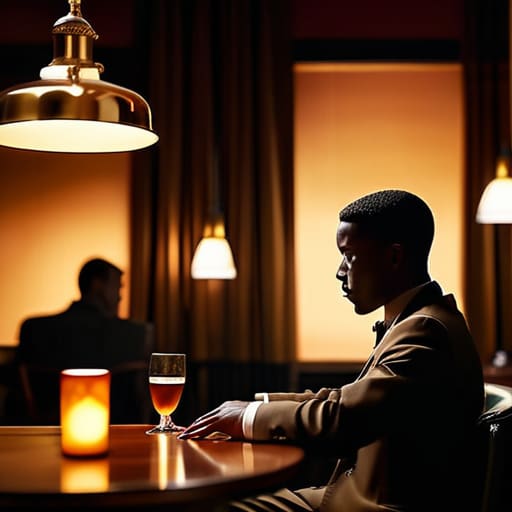
    I remember sitting in a corner booth at a jazz club in Detroit last autumn, the air thick with the scent of old wood and rain-dampened wool. I wasn’t even looking through a lens; I was just watching the way the amber light caught the rim of a glass and the tired, beautiful slump of a saxophonist’s shoulders. It struck me then that most of the modern street photography tips being peddled online are utterly hollow. They obsess over aperture settings and the latest high-speed sensors, as if a more expensive piece of glass could somehow manufacture soul. They want you to chase the spectacle, but they forget that the most profound moments happen in the quiet, unscripted pauses between the noise.

    I’m not here to give you a technical manual or a checklist of gear you don’t need. Instead, I want to share what forty years of observing the world has taught me about finding the heartbeat of a city. I’ll offer you a few honest, experience-based perspectives on how to slow down, how to see the shadows, and how to capture those fleeting details that actually stay with you long after you’ve returned home.

    Table of Contents

    Mastering Street Photography Lighting in the Dimly Lit Shadows

    Mastering Street Photography Lighting in the Dimly Lit Shadows

    I’ve always found that the most honest stories aren’t told in the harsh glare of high noon, but in those quiet, bruised hours of twilight. When you’re working with street photography lighting in these low-light environments, you have to stop fighting the darkness and start working with it. I often find myself leaning against a brick wall, waiting for a single streetlamp to catch the edge of a passerby’s coat. It isn’t about illuminating everything; it’s about deciding what deserves to be seen and what should remain a mystery in the shadows.

    Don’t let the lack of light intimidate you into staying home. Instead, think of the shadows as your primary tool for composition in urban photography. A well-placed silhouette can say more about the loneliness of a city than a perfectly lit, clear shot ever could. I’ve learned that if you chase the light rather than the subject, the moment usually finds you. Just remember to stay patient—the best frames often require a bit of stillness and a willingness to let the gloom do the heavy lifting.

    Finding Rhythm Through Composition in Urban Photography

    Finding Rhythm Through Composition in Urban Photography

    When I walk through the city at dusk, I don’t just see buildings and sidewalks; I see a visual tempo. Much like the syncopated beat of a Miles Davis record, a great photograph relies on a certain sense of timing and placement. To me, effective composition in urban photography isn’t about following a rigid rulebook of lines and grids. Instead, it’s about finding the natural flow of the crowd—the way a stranger’s silhouette leans into a doorway or how the geometry of an alleyway guides the eye toward a single, glowing streetlamp.

    You have to learn to anticipate the beat before it hits. I often find myself standing still for several minutes, watching how the movement of the city interacts with the stillness of the architecture. It’s in these quiet moments of observation that you truly begin capturing street life in a way that feels intentional rather than accidental. If you rush, you miss the cadence. You must wait for that moment when the human element aligns perfectly with the shadows, creating a frame that feels less like a snapshot and more like a stilled note of music.

    Small Gestures and Quiet Moments: Finding the Soul of the Street

    • Stop looking for the grand spectacle. The most profound stories aren’t found in the neon signs or the crowded intersections, but in the way a stranger adjusts their coat against the wind or the quiet stillness of a man reading a newspaper in a corner booth. Look for the small, human pauses.
    • Learn to embrace the grain. In my years working with old records, I learned that a little bit of surface noise gives a song its character. Photography is no different; don’t be afraid of a little shadow or a bit of film grain. It adds a texture that a perfectly clean, digital image simply cannot replicate.
    • Become a fixture, not a predator. People can sense when a lens is hunting. I prefer to find a good spot—perhaps a bench near a jazz club or a quiet stoop—and just sit. When you stop acting like a visitor and start acting like a witness, the city begins to reveal its true self to you.
    • Listen before you shoot. This might sound strange for a visual medium, but the rhythm of a street is audible. The tempo of footsteps, the distant hum of a bass line, the hiss of a bus—these sounds set the mood. If you can hear the rhythm of the street, you’ll know exactly when to press the shutter.
    • Respect the silence. There is a sanctity to certain urban moments. If you find yourself in a space that feels heavy with history or quiet with intention, treat it with care. A photograph should feel like a shared secret, not an intrusion. Capture the moment, but leave the dignity of the subject intact.

    The Quiet Essentials of a Meaningful Frame

    Don’t let the rush of the city dictate your pace; the most profound stories are often found in the stillness of a subject waiting for a light to change or a shadow to settle.

    Look beyond the obvious subjects and start searching for the textures and rhythms—the way a coat hangs in a doorway or the geometry of a fire escape—that give a street its unique soul.

    Remember that your camera is merely a tool for observation, not just documentation, so focus on capturing the feeling of the moment rather than just the perfection of the technical shot.

    The Quiet Observation

    “A good photograph isn’t about capturing a moment that happened; it’s about capturing the feeling that remains when the crowd has moved on and the street has gone quiet again.”

    Petra Lindgren

    The Final Frame

    Capturing the essence of The Final Frame.

    As you pack your camera away and step back into the flow of the city, remember that these techniques are merely tools to help you see what was already there. We’ve talked about how to dance with the shadows, how to find a steady rhythm in the chaotic geometry of a street corner, and how to wait for that perfect, fleeting moment of light. But more than that, street photography is about learning to observe rather than just looking. Whether you are adjusting your exposure for a dim alleyway or composing a shot around a passing stranger, the goal is to capture the essence of a moment that will never happen quite the same way again.

    In the end, I hope you realize that the most profound images aren’t always the ones with the sharpest focus or the most dramatic lighting. They are the ones that hold a certain quiet truth. Don’t be so preoccupied with the technical perfection of your settings that you forget to actually feel the pulse of the street beneath your feet. Put the camera down every once in a while. Let the evening wash over you. After all, the most beautiful scenes are often the ones we experience with our own eyes, long before we ever think to press the shutter.

    Frequently Asked Questions

    How do you manage to stay patient when the light is fading and the perfect moment seems just out of reach?

    I’ve learned that patience isn’t about waiting for the light; it’s about settling into the atmosphere. When the sun dips and that “perfect” shot feels like it’s slipping away, I stop chasing the subject and start listening to the street. I pull out my notebook, find a quiet corner, and let the shadows settle. If you stop fighting the fading light and start embracing the mood it creates, the moment usually finds you.

    When you're out in the city, how do you decide which fleeting details are worth capturing and which are just noise?

    It’s a matter of resonance, really. I don’t look for the loudest thing on the street; I look for the thing that feels like a quiet note in a jazz solo. If a shadow falls across a doorway in a way that feels intentional, or if a stranger’s posture tells a story without a word, that’s worth my time. If it doesn’t make me pause and breathe, it’s just noise.

    Is there a way to capture the soul of a place without feeling like you're intruding on someone's private evening?

    It’s a delicate dance, isn’t it? I’ve always found that if you approach the scene with reverence rather than hunger, people feel it. Don’t hunt for a subject; instead, settle into the environment. Let the city reveal itself to you. When you focus on the way a shadow falls across a doorway or the silhouette of a lone figure against a neon sign, you aren’t intruding—you’re simply witnessing.

  • The Rise of Live Podcasting Events

    The Rise of Live Podcasting Events

    I remember sitting in the back corner of a basement jazz club in Detroit, the air thick with the scent of old mahogany and the low hum of a double bass. There was no polished production, no bright studio lights, just the raw, unvarnished connection between the performer and the room. It’s that same electric, slightly unpredictable energy that I find missing in most modern discussions about live podcasting. Everyone seems obsessed with the latest high-end mixers or the perfect digital interface, as if the gear could ever replace the soul of the moment. We’ve become so preoccupied with the technical perfection that we’ve forgotten that the most important element is the shared breath between the speaker and the listener.

    I’m not here to sell you on a complicated setup or a list of expensive gadgets you don’t actually need. Instead, I want to talk about how you can capture that sense of presence and intimacy, even through a digital medium. I’ll be sharing my honest, unvarnished thoughts on how to approach live podcasting with a focus on genuine connection rather than mere broadcast. Let’s strip away the hype and focus on what actually matters: making sure that when the recording stops, something real remains.

    Table of Contents

    Real Time Audience Engagement the Art of Listening

    Real Time Audience Engagement the Art of Listening

    In my years spent in quiet archives, I learned that history isn’t just about the records we leave behind, but the way people react to them in the moment. There is a distinct, almost electric shift when you move from a pre-recorded monologue to the unpredictable rhythm of real-time audience engagement. It stops being a lecture and starts becoming a conversation. When a listener asks a question or shares a memory in the chat, the air in the room—even a digital one—seems to change. You aren’t just broadcasting into a void; you are participating in a shared experience.

    Of course, this intimacy requires a certain level of technical grace. To keep that connection from breaking, one must master the live podcast production workflow so the tools never distract from the sentiment. It isn’t about having the most expensive studio, but about ensuring the technology acts as a transparent bridge rather than a barrier. When the audio is clear and the responses are seamless, you create a space where people feel truly heard, allowing the evening to unfold with the same intentionality as a late-night jazz set.

    Streaming Software for Podcasters Setting the Mood

    Streaming Software for Podcasters Setting the Mood

    I’ve always believed that the tools we use should never overshadow the soul of the performance. In my years archiving old recordings, I learned that the most beautiful moments often happen in the quietest spaces. When you begin looking into streaming software for podcasters, it is easy to get lost in a sea of technical specifications and flashing lights. But I urge you to look past the bells and whistles. You aren’t just looking for a digital broadcast tool; you are looking for a way to create a reliable vessel for your voice.

    The right setup should feel like an extension of your own hands—unobtrusive and steady. While you certainly need to consider your live podcast production workflow to ensure the technical side doesn’t interrupt your flow, don’t let the complexity dampen your spirit. Whether you are using a simple interface or a more robust suite, the goal is to ensure the technology fades into the background. When the software works seamlessly, it allows the listener to focus entirely on the melody of your words, rather than the mechanics of the transmission.

    Five Small Ways to Keep the Soul in Your Broadcast

    • Don’t be afraid of the silence. In my years among the archives, I learned that the space between words is often where the truth settles. In a live stream, if a thought takes a moment to form, let it. A rhythmic pause feels more human than a frantic rush to fill the air.
    • Treat your lighting like a jazz club, not a laboratory. You don’t need a stadium’s worth of brightness; you need a warm glow. Soft, intentional light helps your audience feel like they are sitting across a small table from you, rather than staring at a clinical screen.
    • Listen more than you speak. When a listener drops a comment, don’t just read it—acknowledge it. Treat their presence like a guest entering a quiet room. Acknowledging a person by name turns a broadcast into a conversation, and a conversation into a shared memory.
    • Embrace the imperfections. If a chair creaks or a distant siren wails outside your window, don’t scramble to edit it out. Those are the textures of real life. A perfectly polished stream can feel sterile; a little bit of grit makes it feel honest.
    • Keep a physical notebook nearby. Even if you are digital, there is something about the tactile act of jotting down a sudden thought or a listener’s question that keeps you grounded. It prevents you from getting lost in the digital ether and keeps your focus on the present moment.

    The Quiet Essentials of a Live Session

    Don’t let the technology overshadow the conversation; use your software as a steady backdrop, much like the lighting in a jazz club, to ensure the focus remains on the human connection.

    Treat your audience not as a metric to be optimized, but as guests in your living room who deserve the grace of real-time presence and shared silence.

    Remember that the true value of going live isn’t in the polished production, but in those unscripted, fleeting moments of intimacy that a recorded file simply cannot capture.

    The Shared Breath of a Live Room

    “In a world that seems determined to edit out every stumble and every silence, live podcasting is a rare, unvarnished grace; it is the digital equivalent of sitting in a dim jazz club, where the magic lies not in the perfection of the performance, but in the shared breath between the speaker and the listener.”

    Petra Lindgren

    The Last Note of the Evening

    The Last Note of the Evening podcasting.

    As we pull back from the technicalities, it becomes clear that live podcasting is far more than just a collection of microphones and software settings. It is the delicate balance of mastering your tools to create a space where genuine connection can flourish in real-time. We’ve looked at how the right software sets the stage and how listening to your audience transforms a mere broadcast into a shared experience. When you strip away the digital noise, you are left with the core of what we have been discussing: the ability to foster an environment where every voice, no matter how small, feels like it has a seat at the table. It is about intentionality over efficiency, ensuring that the technology serves the story rather than the other way around.

    In my years spent among dusty archives and the smoky corners of jazz clubs, I learned that the most profound moments are rarely the loudest ones; they are the ones where people truly stop to listen. Live podcasting offers us that rare, modern chance to reclaim the slow burn of conversation. I encourage you to step into the light, not to perform, but to connect. Don’t be afraid of the imperfections or the sudden silences. Those are often the very places where the soul of the medium resides. Turn on your mic, dim the lights, and simply begin.

    Frequently Asked Questions

    How do you manage the technical jitters of going live without losing that sense of intimacy and connection?

    I’ve learned that the best way to handle those jitters is to treat the technology like a background instrument in a jazz quartet—it should support the melody, not drown it out. Don’t aim for a polished studio broadcast; aim for a conversation. If a glitch occurs, lean into it. A small, honest smile or a quiet chuckle about a technical hiccup actually deepens the intimacy. It reminds your listeners that there is a real human on the other side of the glass.

    Is it possible to maintain a thoughtful, slow-paced conversation when the chat is moving so quickly?

    It’s a valid concern—the digital equivalent of a crowded, noisy bar. When the chat begins to race, the temptation is to chase the speed, but that’s where the soul of the conversation gets lost. I’ve found that the trick is to treat the chat like a gentle tide rather than a storm. Acknowledge the energy, but don’t let it dictate your tempo. Pick one or two meaningful thoughts, breathe, and respond with intention. Slow is steady.

    What are the best ways to preserve these live moments so they don't just vanish once the stream ends?

    It’s a heavy thought, isn’t it? The fear that a beautiful moment might simply evaporate. To keep that magic from vanishing, I’ve learned that you must treat the recording like a precious artifact. Don’t just save a raw file; curate it. Edit the stream into a polished “keepsake” version, perhaps adding a few thoughtful notes or a quiet intro. It’s about turning a fleeting broadcast into a permanent record worth revisiting.

  • The Magic of Live Music

    The Magic of Live Music

    I remember sitting in a basement club in Chicago back in ’84, the air thick with the scent of old wood and spilled bourbon, watching a saxophonist lean so far into a solo it felt like he might break. There was no smartphone in sight, no flashing LED screens, just the raw, unpolished vibration of the brass hitting the air. Nowadays, I see people treating a live music experience like a checklist—trying to capture the perfect video for a screen rather than actually being in the room. We’ve become so obsessed with documenting the moment that we’ve forgotten how to simply inhabit it.

    I’m not here to tell you which overpriced VIP lounges to book or how to navigate a festival circuit. Instead, I want to talk about how to actually find the soul of a performance. I’ll share what I’ve learned from decades of wandering through dim-lit venues, focusing on how to seek out those quiet, profound connections that stay with you long after the final encore. We’re going to look past the marketing and find the real magic in the shadows.

    Table of Contents

    Finding Stillness in the Concert Crowd Energy

    Finding Stillness in the Concert Crowd Energy.

    There is a peculiar paradox in a crowded room; you can be pressed shoulder-to-shoulder with a hundred strangers and yet feel a profound sense of solitude. I’ve often found that the most meaningful moments don’t happen when you’re pushing toward the front rail, but when you step back into the shadows. It’s in those quiet pockets of the room that you truly tap into the live performance connection, letting the collective hum of the audience become a backdrop rather than a distraction.

    When the concert crowd energy begins to swell, there is a temptation to ride the wave of adrenaline, to jump and shout along with the rhythm. But I prefer to lean against a brick wall, watch the way the light catches the dust motes in the air, and simply listen. There is a specific kind of stillness that exists even in the middle of a roar—a moment where the music stops being something you hear and starts being something you inhabit. If you can find that center, the noise doesn’t feel overwhelming; it feels like a shared heartbeat.

    Seeking Acoustic Performance Intimacy in Dim Lights

    Seeking Acoustic Performance Intimacy in Dim Lights

    There is a specific kind of magic that only happens when the electric roar of a stadium is traded for the quiet hum of a corner room. I’ve always found that the true essence of a live performance connection isn’t found in the spectacle, but in the spaces between the notes. When you find yourself in a small, dimly lit room, the air feels thicker, more intentional. You aren’t just watching a performer; you are sharing a breath with them.

    In these smaller settings, the acoustic performance intimacy becomes almost tactile. Without the wall of sound found at a massive festival, you start to notice the slide of fingers against steel strings or the slight catch in a singer’s throat. It demands a different kind of presence from us. It requires a certain level of concert attendee etiquette—a collective agreement to be still, to listen, and to let the silence be as meaningful as the melody. It is in these hushed, amber-lit moments that the music finally finds a way to settle deep within your bones.

    The Small Rituals of a Well-Spent Evening

    • Leave the phone in your pocket; if you spend the whole set viewing the stage through a five-inch screen, you aren’t actually there, and you’ll miss the way the light catches the dust motes in the air.
    • Arrive early enough to settle into a corner, perhaps with a drink in hand, just to let the room’s character wash over you before the first note ever strikes.
    • Seek out the edges of the room rather than the center of the crush; there is a particular kind of magic in watching a performance from the periphery where you can observe the architecture and the shadows.
    • Listen not just to the melody, but to the space between the notes—the way the room breathes and the subtle, unscripted sounds that a recording can never quite capture.
    • Carry a small notebook, as I do, to jot down a single phrase or a fleeting feeling; those scribbled thoughts often become more precious than any digital photo once you’re back in the quiet of home.

    The Lingering Echoes: What to Carry Home

    Stop trying to capture everything through a lens; the most profound moments are the ones you let settle in your mind without the interference of a screen.

    Pay attention to the small things—the way the light hits the wood of a cello or the shared silence between strangers—because those are the details that actually build a memory.

    Allow yourself the grace to be moved; a live performance isn’t just something to watch, it’s something to let change your tempo for a little while.

    The Resonance of the Moment

    “We spend so much of our lives rushing toward the next thing, but a truly great performance asks you to do the opposite: to sit still, to let the melody settle into your bones, and to finally notice the beauty in the pause between the notes.”

    Petra Lindgren

    The Echo That Remains

    Jazz cellar music, The Echo That Remains.

    As the final notes fade and the house lights slowly climb, you realize that a truly great live music experience isn’t just about the setlist or the volume. It is about that rare, fleeting ability to find stillness amidst a crowd and the quiet intimacy found in a dimly lit corner of a jazz cellar. We have explored how the energy of the room and the texture of the acoustics work together to pull us out of our frantic daily routines. When we stop rushing to the next thing and instead lean into the vibration of the room, we allow the music to do its most important work: anchoring us in the present moment.

    I often find myself sitting in my study after a long night out, sketching the curve of a stage or jotting down a melody in my notebook, trying to capture what I felt. The world outside will always be loud, hurried, and demanding, but these evenings offer us a necessary sanctuary. Don’t just go to a show to check a box or capture a video on your phone; go to listen, to breathe, and to be moved by the shadows and the sound. Let the music stay with you long after you’ve stepped back out into the cool night air. That is where the real life begins.

    Frequently Asked Questions

    How do you find those quiet, tucked-away venues when the city seems to only care about the loudest, brightest spots?

    You have to learn to look for the cracks in the pavement. The loudest spots always have the neon signs and the queues stretching around the corner, but the real treasures don’t shout. I tend to follow the narrow alleys or look for those unassuming, heavy wooden doors that look like they belong to a tailor or a bookstore. If a place feels like it’s hiding, it usually is—and that’s exactly where you want to be.

    Is there a way to truly disconnect from the digital noise of a phone and just be present when the music starts?

    I’ve found that the trick is to treat your phone like a heavy, unnecessary relic. When I walk into a club, I don’t just silence it; I tuck it deep into my coat pocket, out of sight and out of mind. I find that if I focus on the physical—the grain of the wooden table or the weight of my notebook—the urge to scroll fades. Let the music be your only connection.

    What should one look for in a venue to ensure the acoustics allow for that deep, soulful connection rather than just a wall of sound?

    I’ve learned that you have to look past the neon signs. Seek out venues with character—places with heavy curtains, wooden floors, or even those high, vaulted ceilings that seem to hold onto a note just a second longer. Avoid the massive, concrete halls where the sound just bounces back like a physical blow. You want a room that breathes, where the geometry of the space works with the instruments, rather than fighting them.

  • Exploring the Sociology of Music Through Books

    Exploring the Sociology of Music Through Books

    I’ve spent most of my life tucked away in archives, surrounded by the silent weight of paper and ink, but I’ve always found that the true history of a people isn’t found in what they wrote down, but in what they sang. There is a peculiar, invisible thread that connects a melody to the social fabric of a city, a way that rhythm can either build a community or define its boundaries. Often, when we listen to a record, we miss the deeper currents of human connection swirling beneath the notes. I’ve spent many long evenings wondering why certain sounds move us to tears while others feel like mere background noise, which is why I find myself constantly returning to books on the sociology of music to help decode those mysteries.

    In the following pages, I want to share a few specific titles that helped me understand how sound shapes our very existence. These aren’t just academic texts; they are maps to the human experience. Through these five selections, you will discover how music acts as a mirror to our struggles, our triumphs, and our shared identity. I hope they encourage you to listen a little more closely next time the needle drops.

    Table of Contents

    The Rhythm of the Crowd

    People dancing to The Rhythm of the Crowd.

    There is a particular kind of magic that happens when a room full of strangers begins to move in unison to a single beat. In Music and Society, the authors peel back the layers of this phenomenon, looking not just at the notes on the page, but at the way music acts as a social glue for the communities that create it. It reminds me of the old jazz basements I used to frequent, where the music wasn’t just a performance, but a shared language that bridged the gap between people who had nothing else in common.

    Melodies as Cultural Maps

    Melodies as Cultural Maps in music sociology.

    I have always believed that if you want to understand the history of a city, you shouldn’t look at the monuments; you should listen to its songs. Sociology of Music approaches the subject with a similar, much more intimate lens, treating musical genres as living archives of human experience. It explores how music doesn’t just reflect the culture it belongs to, but actively shapes the values and identities of the people within it.

    The Power of the Soundscape

    Understanding The Power of the Soundscape.

    We often forget that we are constantly submerged in a sea of sound, from the hum of the city to the quietude of a cathedral. In Sound Studies: An Introduction, the focus shifts toward the broader implications of our auditory environment and how it dictates our social interactions. It’s a perspective that forced me to slow down and actually listen to the architecture of the spaces I inhabit, much like the sketches I make in my notebook.

    Identity in Every Note

    Who are we when the music starts playing? This is the central question that lingers after reading Music, Identity, and Society. The book dives into the way we use musical taste to signal our place in the world, creating invisible boundaries between “us” and “them.” It’s a study of the subcultures that define themselves through a specific drum beat or a certain way of holding a guitar.

    The Politics of the Playlist

    It is easy to think of music as an escape from the world, but in The Sociology of Popular Music, we are reminded that it is often a direct engagement with it. This work examines how the music industry and the structures of fame influence the way we perceive reality. It looks at the mechanics of influence and how certain sounds are elevated to represent the “voice of a generation” while others are pushed into the shadows.

    The Notes We Leave Behind

    Music is never just a collection of sounds; it is a living archive of the people who lived through it, shaped by the very streets and social structures we walk every day.

    To truly listen is to look beyond the melody and observe how a song can act as a mirror, reflecting the quiet tensions and shared joys of a community.

    By studying the sociology of sound, we learn that the most meaningful rhythms aren’t just played on a stage, but are woven into the fabric of our collective history.

    The Resonance of the Collective

    We often mistake a song for a solitary experience, but when you peel back the layers through these pages, you realize a melody is never just about one person; it is the shared heartbeat of a room, a city, or an entire era, captured in a single, fleeting vibration.

    Petra Lindgren

    The Resonance That Lingers

    As we close the covers on these various perspectives, it becomes clear that music is never just a collection of notes or a rhythmic pattern. Whether we are looking through the lens of class struggle, cultural identity, or the way a subculture can form in the dim corner of a basement club, these books remind us that sound is a social glue. We’ve explored how melodies act as mirrors to our societal structures and how the act of listening is, in itself, a deeply political and communal gesture. To study the sociology of music is to study the very fabric of human connection, understanding that every song carries the weight of the world that produced it.

    I often find myself sitting in a quiet corner of a jazz club after the set has ended, watching the dust motes dance in the spotlight, thinking about how much of our history is written in the songs we choose to sing. I hope these readings encourage you to listen a little more closely the next time you find yourself lost in a melody. Don’t just hear the rhythm; try to hear the stories breathing underneath it. In a world that demands we move faster and louder, I invite you to take a moment to sit still, pick up a book, and discover the quiet truths that only music can reveal.

    Frequently Asked Questions

    Are these books more focused on academic theories, or can someone without a degree in sociology still find something meaningful in them?

    I understand the hesitation. When I first started digging through archives, I often felt intimidated by heavy academic jargon. But truthfully, most of these selections aren’t just for the lecture hall. While they certainly touch on theory, they are really about the human experience—why we dance, why we mourn, and how a song can define a generation. Even without a degree, you’ll find plenty of beauty in how they connect the notes to our lives.

    Do any of these selections touch upon how modern digital streaming is changing the way we connect with music socially?

    To be honest, most of these selections focus on the foundational ways music shapes our communities, but if you’re looking for the digital shift, keep a close eye on the third entry. It touches on how the communal ritual of shared listening is being replaced by the solitary, algorithmic glow of a screen. It’s a bit heartbreaking to think about, but it’s a vital part of understanding how our social connection to melody is evolving.

    If I'm looking for something a bit more personal and less clinical, are there any titles that focus on the emotional impact of music on a community?

    I understand exactly what you mean. Sometimes the data and the theories feel a bit too cold, like looking at a preserved specimen under glass rather than feeling the pulse of the room. If you want to feel the heartbeat of a community through its songs, I’d suggest looking into works that lean into ethnography. They tend to capture how a shared melody can turn a group of strangers into a family.

  • Understanding the Ritual of Tea Ceremonies

    Understanding the Ritual of Tea Ceremonies

    I remember sitting in a cramped, dimly lit basement jazz club in Detroit, the kind where the air feels heavy with history and the scent of old wood. I wasn’t there for a drink; I was there to watch the way a musician leans into a note, finding the stillness in the middle of the noise. It struck me then that we often treat tea ceremonies like some high-priced, inaccessible performance—something reserved for those with pristine porcelain and an endless supply of patience. People make it out to be this rigid, intimidating chore, but they miss the point entirely. It isn’t about the price of the leaf or the pedigree of the pot; it’s about that singular moment when the world finally stops spinning.

    I’m not here to sell you on expensive sets or complicated etiquette that feels more like a lecture than a ritual. Instead, I want to share how you can strip away the pretension and find the quiet soul of the practice. I’ll show you how to use these tea ceremonies to reclaim your evening, focusing on the sensory details that actually matter. Let’s stop rushing through the steam and start noticing the warmth in our hands.

    Table of Contents

    Finding Stillness in the Japanese Matcha Tea Ritual

    Finding Stillness in the Japanese Matcha Tea Ritual.

    There is a specific kind of quiet that settles over a room when the whisk begins its work. In the Japanese matcha tea ritual, the focus isn’t on the speed of the service, but on the deliberate, rhythmic motion of the bamboo whisk against the bowl. I find myself watching the way the vibrant green froth rises, much like the way I used to watch dust motes dancing in the light of the archives. It demands a certain level of presence; you cannot simply scroll through a phone while someone is performing such precise movements.

    The beauty lies in the intentionality of the tools. Every piece, from the heavy ceramic bowl to the slender bamboo scoop, feels weighted with intention. Unlike the more expansive, social nature of a Chinese gongfu tea ceremony, this practice feels like a private conversation between you and the moment. It’s a lesson in mindfulness through tea drinking that I wish more of us would embrace. We spend so much of our lives bracing for the next thing, but here, the only thing that matters is the warmth of the bowl against your palms and the bitter, earthy scent of the tea.

    Tracing the History of Tea Culture Through Steam

    Tracing the History of Tea Culture Through Steam.

    I’ve spent much of my life among dusty ledgers and yellowed manuscripts, so I have a natural tendency to look for the lineage in everything. When I sit with a cup, I find myself wondering about the hands that held these same vessels centuries ago. The history of tea culture isn’t just a series of dates in a textbook; it’s a living, breathing thread that connects us to the past through the simple act of boiling water.

    Tracing this lineage often leads my mind back to the intricate movements of the Chinese gongfu tea ceremony. There is a profound sense of continuity in the way the steam rises, much like the way a well-preserved record carries the ghost of a melody from a distant era. It isn’t just about the beverage; it’s about the traditional tea etiquette that demands we slow down and respect the tools at hand. Whether it is the weight of a ceramic pot or the specific curve of a whisk, these objects serve as anchors, pulling us out of our frantic modern schedules and back into a rhythm that has remained steady for generations.

    Small Rituals for a Quiet Evening

    • Put your phone in another room. You can’t truly taste the nuances of a good brew if you’re constantly interrupted by the blue light of a screen. Let the world wait.
    • Pay attention to the vessel in your hands. Whether it’s a chipped ceramic cup or a fine porcelain piece, feel the weight and the texture. There is a story in the way a hand has shaped clay.
    • Watch the steam, not the clock. Instead of checking how many minutes have passed, watch how the vapor dances in the lamplight. It’s a much better way to measure time.
    • Listen to the water. There is a specific, gentle music in the sound of a kettle reaching its peak or the soft pour of liquid into a bowl. It’s the most understated jazz you’ll ever hear.
    • Savor the first sip in total silence. Don’t rush to the next task or the next thought. Just let the warmth settle, and notice how the flavor changes as it cools.

    What Remains When the Cup is Empty

    The true value of a tea ritual isn’t in the flavor of the leaf, but in the deliberate permission it gives you to finally sit still.

    By honoring the small, repetitive motions of the ceremony, we reclaim our attention from a world that is constantly trying to pull it away.

    Like a well-preserved record or a faded photograph, the quiet moments we carve out through ritual are the things that actually stay with us long after the evening ends.

    The Quiet Between the Sips

    “A tea ceremony isn’t about the drink itself; it’s about that rare, sacred pause where the world stops spinning, the steam rises to meet the dim light, and for a few minutes, you are finally allowed to just exist.”

    Petra Lindgren

    The Last Drop

    Steaming tea mug representing The Last Drop.

    As the steam finally settles and the warmth of the cup fades from my palms, I find myself reflecting on how much we leave on the table when we live at such a frantic pace. We’ve looked at the meticulous precision of the matcha ritual and traced the long, winding shadows of history that brought these leaves to our modern tables. Whether it is the structured grace of a Japanese ceremony or the simple, quiet steam rising from a chipped ceramic mug, the essence remains the same: tea is a vessel for intentionality. It is a way to anchor ourselves to the present moment, transforming a mere beverage into a deliberate pause in an otherwise chaotic day.

    I often find that the best parts of an evening aren’t the loudest ones, but the moments that linger in the quiet spaces between notes of a jazz record or the fading glow of a streetlamp. I hope you take this lesson with you when you leave your screen behind tonight. Don’t just drink your tea; let it hold you for a moment. Find your own version of this ritual—something that forces you to slow your breathing and notice the texture of the world around you. After all, the most meaningful things in life aren’t found in the rush, but in the quiet details we finally stop to see.

    Frequently Asked Questions

    Is there a way to bring a bit of this intentionality into my own home without needing a formal setup or expensive tools?

    You don’t need a lacquered tray or a thousand-dollar whisk to find that center. Honestly, the tools are just scaffolding. For me, it’s about the ritual of the pause. Find your favorite heavy ceramic mug—the one that feels right in your palms—and clear a small space on your table. Turn off the overhead lights. Just let the steam rise, focus on the warmth, and let the world outside wait for a while.

    How do the different types of tea—like a robust black tea versus a delicate green—change the actual mood of the evening?

    It’s much like the difference between a heavy brass trumpet and a soft flute. A robust black tea, perhaps a smoky Lapsang Souchong, has a certain weight to it; it demands your attention and anchors you to the present moment, perfect for a deep conversation. But a delicate green tea? That’s a light jazz melody. It’s airy and fleeting, inviting a more introspective, quiet sort of solitude as the evening settles.

    I've always struggled with the "rush" of modern life; are there specific sensory details I should look for to help me stay present during the ritual?

    Don’t try to observe everything at once; that’s just another way of rushing. Instead, pick one sense to anchor you. Listen for the rhythmic, hollow whisking of the bamboo against the ceramic bowl, or feel the weight of the cup—the way the warmth seeps slowly into your palms. Focus on the scent of the steam as it breaks the air. Let those small, tactile details pull you back from the noise of the world.

  • The Impact of Street Art Movements

    The Impact of Street Art Movements

    I remember sitting in a dim corner of a jazz club in Detroit back in the late seventies, the air thick with the scent of old wood and rain, when I first noticed how the city was beginning to speak to us through its walls. It wasn’t in the polished galleries or the expensive auction catalogs, but in the raw, unscripted energy of the alleys. People often mistake street art movements for mere vandalism or, conversely, for some high-priced trend meant for tourists to snap photos of before moving on to the next brunch spot. But if you look closely enough—really look, with your eyes instead of just your lens—you’ll see that these markings are the unfiltered heartbeat of a neighborhood, a way for the voiceless to etch their existence into the very stone of the city.

    I have no interest in lecturing you on art theory or reciting dry, academic timelines that strip the life out of the paint. Instead, I want to walk beside you through the shadows and show you how to recognize the difference between a passing fad and a movement that actually matters. My promise to you is simple: we will bypass the hype and focus on the stories, the textures, and the quiet revolutions happening right under our noses.

    Table of Contents

    From Spray Paint Graffiti to Contemporary Urban Aesthetics

    From Spray Paint Graffiti to Contemporary Urban Aesthetics

    I remember sitting in my small office at the archives, surrounded by dusty ledgers, and thinking about how much we overlook the layers of a city. When you look closely at a brick wall, you aren’t just seeing paint; you are witnessing the history of spray paint graffiti unfolding in real-time. It began as a raw, urgent language scrawled in the dark—a way for voices to claim space in a world that often feels indifferent to them. There was a certain grit to it, a frantic energy that demanded you look, even if you didn’t want to.

    As the decades turned, that jagged edge began to soften into something more intentional. We saw the evolution of stencil art, where artists moved from simple tags to intricate, layered images that felt almost like fine etchings on a metropolitan scale. This shift changed how we perceive our surroundings, moving us toward a new era of contemporary urban aesthetics. It’s no longer just about rebellion; it’s about how a carefully placed piece can turn a crumbling alleyway into a moment of profound, quiet reflection.

    The Evolution of Stencil Art in Dim City Lights

    The Evolution of Stencil Art in Dim City Lights.

    There is a particular kind of magic that happens when you’re walking home late, the streetlamps casting long, amber shadows across the brickwork. It was in these quiet, dimly lit corners that I first noticed the shift from the frantic energy of early tags to something more deliberate. The evolution of stencil art changed the way I look at our city walls; it turned a quick act of rebellion into a moment of quiet contemplation. Instead of the sweeping, chaotic lines of traditional spray paint, stencils offer a precision that demands you slow down.

    When I sit in a corner booth of a jazz club, thinking about how melodies are layered, I see a similar complexity in these works. A stencil isn’t just a mark; it’s a calculated shadow, a way for an artist to leave a permanent, intricate thought on a transient surface. There is a profound political street art significance in these sharp edges, often delivering a message with a quietness that a massive mural simply cannot achieve. It’s the difference between a shout and a well-placed whisper in a crowded room.

    How to Listen to the Walls

    • Slow your pace. You can’t catch the nuance of a mural if you’re power-walking to your next appointment. Stop, lean against a brick wall, and let your eyes adjust to the scale of what’s been left behind.
    • Look for the layers. Much like the old records I collect, street art is often built on what came before. Look for where one artist’s work meets another’s; those intersections tell the real story of the neighborhood’s shifting soul.
    • Pay attention to the light. A piece of art looks entirely different under the harsh glare of noon than it does under the amber glow of a streetlamp. The shadows can change a stencil from a simple image into something much more haunting.
    • Seek the ephemeral. Some of the best pieces are meant to fade, weathered by rain or covered by the next hand. Don’t get frustrated when a piece is gone; instead, appreciate the fact that you were there to witness its brief moment in the sun.
    • Carry a sense of curiosity, not judgment. Rather than deciding if a tag is “art” or “vandalism,” ask yourself what the person was trying to say to the street. Every mark is a heartbeat in the city’s long, complicated history.

    What Remains When the Night Fades

    Street art is more than just pigment on a wall; it is a living, breathing archive of a city’s unspoken history and its shifting moods.

    To truly see the art, one must slow down and look past the initial flash of color to find the quiet intentions hidden in the layers of stencil and spray.

    These urban markings serve as a reminder that even in our most concrete spaces, there is a persistent, human need to leave a mark that says, “I was here.”

    The Silent Dialogue of the Walls

    “We often mistake these murals for mere decoration, but if you stand still long enough, you realize they are actually the city’s diary—a collection of whispered truths left on brick and concrete for anyone willing to slow down and actually listen.”

    Petra Lindgren

    The Lasting Echo of the Painted Wall

    The Lasting Echo of the Painted Wall.

    Looking back at how we’ve moved from the raw, urgent energy of early graffiti to the meticulous, almost poetic precision of modern stencil work, it’s clear that these movements are more than just marks on a wall. They are the layers of a city’s memory, much like the dusty records I keep in my collection. We have seen urban aesthetics shift from simple rebellion to a complex, sophisticated dialogue between the artist and the architecture. Whether it is a sprawling mural that commands a whole block or a small, whispered stencil tucked away in a narrow alleyway, these pieces represent a persistent human need to be seen and to leave a mark upon the cold, indifferent concrete.

    As you walk home tonight, I encourage you to slow your pace. Don’t just hurry past the brickwork and the shadows; instead, let your eyes linger on the edges of the frame. There is a profound, quiet beauty in realizing that the city is constantly rewriting itself right before our eyes. These colors may fade under the rain or be covered by the next hand, but the spirit of the movement remains etched in the very bones of our streets. Stop, breathe, and find the story hidden in the paint. It is often in these small, unscripted details that we find the most enduring parts of our shared history.

    Frequently Asked Questions

    How do we tell the difference between a piece that’s meant to be a fleeting moment of rebellion and one that’s truly meant to endure like the architecture around it?

    It’s a question of intention, isn’t it? I often find myself leaning against a brick wall, notebook in hand, looking for that distinction. Rebellion is often a sudden, frantic burst—a quick strike against the silence. But the pieces meant to endure? They possess a certain weight. They respect the grain of the stone and the rhythm of the street. One shouts to be heard now; the other whispers to stay forever.

    Is there a way to appreciate these works without feeling like we’re intruding on a space that wasn't meant for an audience?

    I think of it like listening to a late-night jazz set in a basement club. You aren’t there to interrupt the musician; you’re there to witness the moment. These walls weren’t built for galleries, but that’s exactly why they matter. Don’t feel like a trespasser. Just linger quietly, like a shadow. If you approach with respect—not as a critic, but as a quiet observer—you aren’t intruding. You’re simply part of the city’s breathing history.

    When does a mural stop being a part of the city's soul and start becoming just another commercial backdrop?

    It’s a thin line, isn’t it? A mural loses its soul the moment it stops being a conversation with the street and starts being a prop for a brand. When the art is commissioned solely to make a coffee shop “Instagrammable” rather than to honor the neighborhood’s history, the heartbeat fades. Real street art feels like a secret shared between the artist and the sidewalk; commercial art feels like a polite, hollow handshake.

  • The Evolution of Contemporary Sculpture

    The Evolution of Contemporary Sculpture

    I was sitting in a drafty gallery last Tuesday, nursing a lukewarm coffee, when I found myself staring at a massive, jagged heap of rusted steel that someone had labeled as a profound piece of contemporary sculpture. Around me, people were nodding with practiced gravity, pretending to decipher a meaning that simply wasn’t there. It felt like a performance—a hollow ritual where the pretension outweighed the actual art. I’ve spent forty years in archives, handling objects that were built to endure and tell a story, and it frustrates me to see how often we mistake complexity for depth.

    I’m not here to teach you how to decode high-concept jargon or how to impress a curator at a cocktail party. Instead, I want to help you find the pieces that actually speak to you when the room goes quiet. We’re going to strip away the hype and look at contemporary sculpture through a different lens—one that values texture, weight, and that rare, lingering feeling an object leaves in your chest. I promise to show you how to stop merely looking and start truly noticing the soul of the work.

    Table of Contents

    Finding Stillness Within Abstract Sculptural Forms

    Finding Stillness Within Abstract Sculptural Forms

    I’ve always found that the most profound conversations happen in the silences between notes. It is much the same when you stand before abstract sculptural forms in a quiet gallery. There is a temptation, especially in our frantic age, to try and “solve” a piece—to demand it tell us exactly what it represents. But I’ve learned through years of archival work that some things are meant to be felt rather than decoded. When a shape doesn’t mimic a human limb or a recognizable object, it forces you to stop searching for a definition and start noticing the way the light catches a curve or how a shadow stretches across the floor.

    It is often the sculptural materiality and texture that anchors these moments of stillness. I find myself leaning in closer, much like I would to a well-worn jazz record, to see how the artist has manipulated the medium. Whether it is the grit of unpolished stone or the cold, smooth defiance of steel, these tactile details demand our presence. When we stop trying to categorize the work, we finally allow the art to breathe, creating a space where we can simply be alongside it.

    The Intimacy of Sculptural Materiality and Texture

    The Intimacy of Sculptural Materiality and Texture

    There is a specific kind of magic that happens when you stop looking at a piece as a whole and start looking at its skin. In my years among the archives, I learned that the most profound stories aren’t found in the grand headings, but in the grain of the paper or the fraying of a binding. The same holds true here. When I stand before a piece, I find myself drawn to the way light catches a rough-hewn edge or how a smooth, polished surface seems to swallow the room’s dim glow. It is in this sculptural materiality and texture that the artist truly begins to speak to you, bypassing the intellect and going straight for the senses.

    I’ve noticed a shift in recent sculpture exhibition trends; there is less interest in the pristine and more in the tactile. Artists are increasingly leaning into mixed media art techniques, layering rusted steel against delicate silk or heavy stone against porous wood. It forces you to slow down. You can’t just glance; you have to lean in, almost as if you’re trying to feel the temperature of the material through your eyes alone. It’s a reminder that the most lasting impressions often come from the smallest, most physical details.

    How to Truly Sit With a Piece

    • Don’t treat the gallery like a checklist. It’s tempting to move from one pedestal to the next just to say you’ve seen it all, but I’ve found the real magic happens when you pick one piece and stay with it long enough for the silence to settle.
    • Watch how the light plays across the surface. Whether it’s the way a shadow pools in a bronze crevice or how sunlight catches a polished edge, sculpture is a dance between the object and the room around it.
    • Move your body, not just your eyes. A sculpture isn’t a painting; it demands that you walk around it, crouch low, or look up from a different angle. You can’t understand its weight or its presence if you stay standing in one spot.
    • Listen to the silence the piece creates. Sometimes a large, heavy installation seems to swallow the ambient noise of the room, creating a pocket of stillness that is just as much a part of the art as the material itself.
    • Ask yourself what remains when you look away. After you’ve left the room, does the shape of that curve or the tension of that metal still sit in the back of your mind? If it lingers, that’s when you know you’ve actually encountered something worth remembering.

    Lessons from the Shadows

    Don’t rush through the gallery as if you’re checking items off a list; instead, allow yourself the luxury of time to see how a single form changes as you move around it.

    Pay attention to the way light and shadow play across a surface, for it is often in the dim, quiet corners of a piece that its true character is revealed.

    Seek out the textures that demand a moment of stillness, letting the physical weight and grain of the material anchor you in the present moment.

    ## The Weight of a Shadow

    “A great piece of sculpture doesn’t demand your attention with a shout; it waits for you to quiet your mind, offering itself up only when you finally stop rushing and allow its shadows to settle against the light.”

    Petra Lindgren

    The Echo of the Form

    Abstract sculpture: The Echo of the Form.

    As we step back from these works, it becomes clear that contemporary sculpture is far more than just an arrangement of weight and volume in a room. We have explored how the quietude of abstract shapes can offer a rare moment of stillness, and how the raw, tactile honesty of stone, steel, or glass invites us to connect with the physical world in an increasingly digital age. It isn’t just about the object itself, but about how that object commands the space around it and how it demands our presence. When we truly look—not just glance—we begin to understand that the artist isn’t just shaping material, but is actually sculpting our perception of time and space.

    My advice to you, as you wander through your next gallery or public plaza, is to resist the urge to move on to the next piece the moment you think you’ve “seen” it. Stay a little longer. Let the shadows move across the surface; let the scale of the work settle into your bones. In a world that insists on constant movement and loud distractions, there is a profound, quiet rebellion in simply standing still before a piece of art. Don’t just observe the sculpture; allow it to linger in your mind long after you have left the building. That is where the real conversation begins.

    Frequently Asked Questions

    How can I tell the difference between a piece that is truly meaningful and one that is just trying to be loud or provocative?

    It’s a question I often ask myself when I’m standing in a quiet gallery. The loud pieces—the ones shouting for your attention with sheer scale or shock value—usually leave you feeling exhausted rather than moved. To find the meaningful ones, look for the resonance. A truly profound piece doesn’t demand you look at it; it waits for you to notice it. If the work lingers in your mind like a soft jazz melody long after you’ve left, you’ve found something real.

    Is there a way to appreciate these works without feeling like I need a degree in art history to understand them?

    You don’t need a degree; you just need to be present. When I look at a piece, I don’t reach for a textbook; I reach for my senses. Forget the dates and the movements for a moment. Instead, ask yourself how the light hits the curve of the metal, or how the weight of the stone makes the room feel. If a shape makes you pause or feel a sudden, quiet tug in your chest, that’s enough.

    Where can I find spaces that allow for this kind of quiet, slow observation rather than the usual rushed gallery experience?

    I’ve found that the best way to escape the gallery rush is to seek out smaller, non-traditional spaces. Look for boutique sculpture gardens tucked away in residential neighborhoods, or local university halls where the halls are quiet and the lighting is dim. Even a small, independent museum on a weekday afternoon can offer that necessary pause. Avoid the grand, high-traffic institutions; instead, find those quiet corners where the art is allowed to breathe.

  • How to Write a Thoughtful Theatre Review

    How to Write a Thoughtful Theatre Review

    I remember sitting in the back row of a drafty community playhouse last autumn, the scent of old velvet and floor wax heavy in the air, trying to make sense of the frantic scribbling in my notebook. I wasn’t looking for a technical breakdown of lighting cues or a list of academic jargon; I was simply trying to capture why a particular silence in the second act felt so profound. Too often, people think mastering theatre review basics requires a degree in dramatic theory or a penchant for pretension, but that’s a mistake that kills the joy of the art. You don’t need to be a scholar to understand a performance; you just need to be present.

    In the pages ahead, I’m not going to lecture you on the “correct” way to critique a production. Instead, I want to share how to listen with your whole heart and translate those fleeting, visceral emotions into something meaningful on the page. We’ll move past the superficial hype and focus on the small, honest details that actually define a show. My promise to you is simple: no fluff, no academic posturing—just a practical guide to finding your own voice in the dark.

    Table of Contents

    Finding Meaning in the Elements of Theatrical Performance

    Finding Meaning in the Elements of Theatrical Performance

    When I sit in a darkened house, I try to move past the immediate impulse to judge whether a play was “good” or “bad.” Instead, I focus on the elements of theatrical performance that breathe life into the script. I find myself watching how the light catches the dust motes in a single beam, or how a sudden silence can feel heavier than any shouted line. It isn’t just about the actors; it’s about how the set design whispers a story of its own, perhaps through the peeling wallpaper of a crumbling parlor or the stark, cold geometry of a modern stage.

    To truly understand a piece, one must practice the quiet art of evaluating stage production through a lens of sensory detail. I often find my pen hovering over my notebook, trying to capture the way a costume’s texture might reflect a character’s internal struggle. This isn’t about technical perfection, but about the intention behind the craft. When we look closer at these small, deliberate choices, we stop being mere spectators and begin to truly see the soul of the work.

    Analyzing Dramatic Scripts Beneath the Surface

    Analyzing Dramatic Scripts Beneath the Surface.

    When I was working in the archives, I learned that the most profound truths are rarely found on the surface of a document; they are tucked away in the margins, in the ink blots, and in the spaces between the lines. The same is true when you are analyzing dramatic scripts. A play is more than just a sequence of events or a collection of witty dialogue. It is a blueprint for human emotion. As you sit in that velvet seat, try to look past the immediate spectacle and consider the underlying architecture of the story. What is the playwright truly trying to say about our shared frailty?

    To truly master performing arts criticism techniques, you must learn to listen for the subtext—the things left unsaid. Often, the most powerful moment in a scene isn’t the grand monologue, but the heavy silence that follows a realization. When you are evaluating stage production, ask yourself how the written word translates into physical tension. Is the conflict merely between two characters, or is it a struggle against time, society, or even fate itself? Finding these layers is how you move from simply watching a show to truly understanding its soul.

    Beyond the Script: Five Ways to Truly Listen to a Performance

    • Don’t just watch the actors; watch the space between them. Sometimes the most profound moment in a play isn’t a shouted monologue, but the heavy, intentional silence held by two performers before a revelation. Notice how that stillness fills the room.
    • Pay attention to the shadows. As an archivist, I’ve learned that what is left out is often as important as what is included. Look at how the lighting designer uses darkness to guide your eye or to hide a character’s true intentions.
    • Listen to the texture of the soundscape. A play isn’t just dialogue; it’s the rhythmic scrape of a chair, the distant hum of a city, or a subtle cello note that pulls at your chest. These sensory layers are what turn a mere performance into an atmosphere.
    • Check your own pulse, not just your intellect. Before you try to deconstruct the symbolism or the political subtext, ask yourself how your body is reacting. Are you leaning forward in your seat? Is there a tightness in your throat? Your visceral reaction is the most honest starting point for any review.
    • Observe the continuity of the world. A great production feels like a living, breathing ecosystem. Ask yourself if the costumes, the set, and the lighting all seem to be speaking the same language, or if something feels out of place, like a discordant note in a jazz standard.

    Notes to Carry Home

    Don’t just look at the actors; look at the space between them and how the lighting shapes the silence.

    Read the script like a map of human intention, searching for what is left unsaid in the margins.

    Give yourself permission to sit with the discomfort of a heavy scene rather than rushing to find a resolution.

    ## The Art of Lingering

    “A review isn’t a checklist of technicalities to be ticked off like a grocery list; it is the attempt to capture the ghost of the performance—the way the silence felt between the lines and the way the light hit the dust in the air long after the actors have left the stage.”

    Petra Lindgren

    The Afterglow of the Final Bow

    The Afterglow of the Final Bow.

    As you head toward the exit, remember that a review is more than just a checklist of technical merits or a critique of a lead actor’s projection. It is about the way the lighting shifted during a moment of grief, how the subtext of the script hummed beneath a quiet line of dialogue, and how the physical space of the stage breathed alongside the performers. By looking past the immediate spectacle and examining the interplay of these individual elements, you begin to see the architecture of the story itself. Don’t feel pressured to have all the answers immediately; sometimes the most profound insights come when you allow the technical and emotional layers to settle in your mind like dust in an old library.

    Ultimately, the goal of paying attention isn’t to become a harsh critic, but to become a more intentional witness to the human experience. Theatre, much like a well-worn vinyl record, reveals its true character when we stop rushing and start listening to the nuances. I hope you leave the lobby not just with a set of notes in your pocket, but with a lingering sense of wonder that stays with you long after you’ve stepped back out into the cool night air. Let the performance haunt you just a little bit; that is where the real magic resides.

    Frequently Asked Questions

    How do I balance my personal emotional reaction to a play with a more objective analysis of the technical elements?

    It’s a delicate dance, isn’t it? I often find myself caught between the swell of a cello and the logic of a well-paced scene. My advice is to let the emotion wash over you first—don’t fight the goosebumps. Once you’ve stepped out into the cool night air, pull out that notebook. Ask yourself: was it the lighting that stirred that ache, or the actor’s stillness? Use your feelings as a compass to find the craft.

    Is it better to focus my review on the entire production as a whole, or should I spend more time dissecting individual performances?

    It’s a bit like listening to a jazz quartet. If you only focus on the drummer, you miss the melody; if you only watch the melody, you miss the rhythm that holds it all together. I’ve found that the most honest reviews find a middle ground. Acknowledge the brilliance of a single performance, certainly, but always bring it back to how those individual notes coalesce into the soul of the entire production.

    How much do I need to know about the history or context of a play before I sit down to watch it?

    I used to think you needed a library of footnotes before stepping into a darkened house, but I’ve learned otherwise. A little context—knowing if a play was written during a revolution or a period of quiet decay—can certainly sharpen your eyes. However, don’t let research become a barrier. If you spend the whole time thinking about history, you’ll miss the living, breathing pulse of the actors right in front of you. Just enough to listen, but not enough to stop feeling.

  • Novels Celebrated for Their Lyrical Prose

    Novels Celebrated for Their Lyrical Prose

    I’ve spent most of my life surrounded by the dust of old records and the quiet weight of history, and if there is one thing I’ve learned, it’s that we are far too often rushing through our lives. We consume stories like fast food, glancing at the plot points just to say we’ve finished them, without ever truly feeling the rhythm of the sentences. I find myself longing for something more substantial—books that don’t just tell a story, but breathe it. There is a profound, quiet magic found in novels with lyrical prose, those rare works where the language itself becomes a landscape you can wander through, much like a slow walk through a jazz club at midnight.

    In the following pages, I want to share a few of those rare treasures with you. I have selected five specific books that I believe act as an antidote to our frantic modern pace. These aren’t just stories to be read; they are experiences to be savored. By the time you finish this list, you will have a roadmap to several masterpieces that demand you slow down, turn off the bright lights, and let the sheer beauty of the written word settle deep into your bones.

    Table of Contents

    The Weight of Water and Memory

    The Weight of Water and Memory prose.

    There is a certain kind of prose that doesn’t just tell a story, but settles into your bones like a damp evening fog. I first encountered this feeling in Gilead by Marilynne Robinson. It is a quiet, meditative book, written as a letter from an aging minister to his young son, but the language is so luminous it feels less like reading and more like witnessing a prayer. Every sentence is crafted with such precision that you find yourself pausing just to admire the architecture of the thought.

    A Symphony of Southern Dust

    A Symphony of Southern Dust prose.

    If you have ever sat in a jazz club and felt the music swell until the air itself seemed to vibrate, you will understand why I find Toni Morrison’s prose so vital. In Beloved, the words don’t merely flow; they pulse. There is a rhythmic, almost incantatory quality to her sentences that mirrors the complexity of the human soul. She navigates the most harrowing depths of history with a language that is as beautiful as it is devastating.

    The Languid Grace of the Lost

    The Languid Grace of the Lost atmosphere.

    Sometimes, I crave a book that feels like a slow stroll through a garden at twilight, where every shadow tells a story. F. Scott Fitzgerald’s The Great Gatsby is often taught in schools as a critique of the American Dream, but for me, it has always been a masterclass in sensory atmosphere. His ability to weave color, sound, and light into the very fabric of his descriptions is nothing short of miraculous.

    Landscapes Carved in Ink

    There is a specific joy in reading a book that makes the setting feel like its own living, breathing character. In Grapes of Wrath, John Steinbeck achieves a sort of earthy majesty that stays with you long after you’ve closed the cover. His prose is grounded, tactile, and deeply connected to the soil and the sky, making the struggles of the Joad family feel as inevitable as the turning of the seasons.

    The Ghostly Echo of Elegance

    Occasionally, I find myself drawn to prose that feels slightly otherworldly, as if the words were plucked from a dream. Vladimir Nabokov’s Lolita is, of course, a deeply controversial work, but from a purely linguistic standpoint, his mastery is undeniable. He possesses a vocabulary and a sense of cadence that can turn even the most unsettling subject matter into a dizzying display of aesthetic brilliance.

    A Few Final Thoughts for the Quiet Hours

    Don’t rush the experience; lyrical prose isn’t meant to be devoured like a news report, but savored like a slow jazz standard.

    Look for the sentences that linger in your mind long after you’ve closed the cover and turned out the lamp.

    Let these stories serve as a reminder that there is profound value in slowing down and noticing the textures of the world around us.

    The Weight of a Well-Placed Word

    “There is a specific kind of magic in a sentence that doesn’t just deliver information, but lingers in the air like the final note of a Miles Davis solo—something that stays with you long after you’ve closed the cover and turned out the lamp.”

    Petra Lindgren

    The Echo of a Well-Wrought Sentence

    As we close these covers, it is worth reflecting on why these specific stories linger in the mind long after the final page is turned. Whether it was the haunting, rhythmic cadence of the prose or the way a single, perfectly placed metaphor could illuminate a character’s deepest sorrow, these novels do more than just tell a story. They demand that we pay attention. We have traversed through landscapes built not just of plot, but of pure, intentional language—the kind of writing that requires us to steady our breathing and truly listen to the rhythm of the words.

    I often find myself sitting in the dim light of my study, thinking about how easy it is to let the world rush past us in a blur of digital noise and shallow distractions. But a book like these serves as a necessary anchor. I hope you find a quiet corner, perhaps with a glass of something amber and a soft lamp, to lose yourself in these pages. Don’t rush to the ending; instead, allow yourself to inhabit the texture of the sentences. In a world that is constantly shouting, there is a profound, quiet power in finding beauty in the slow deliberate pulse of a writer who knows exactly how to make a soul ache.

    Frequently Asked Questions

    How can I tell if a book's prose is truly lyrical or just unnecessarily wordy?

    It’s a fine line, isn’t it? I often find myself staring at a page, wondering if I’m being moved or simply exhausted. To me, the difference lies in the rhythm. Unnecessary wordiness feels like clutter—extra stones in your pocket that slow your stride without purpose. Truly lyrical prose, however, has a cadence. It breathes. It doesn’t just describe a room; it makes you feel the weight of the shadows within it.

    Are there specific authors who specialize in this style if I want to dive deeper?

    If you find yourself wanting to linger longer in those worlds, I’d suggest looking toward authors like Vladimir Nabokov or Toni Morrison; they treat sentences like fine silk. You might also wander into the works of Marilynne Robinson, whose prose feels like a quiet conversation at dawn. These writers don’t just tell a story; they compose it. It’s a bit like finding a rare pressing of a jazz standard—it requires patience, but the reward is immense.

    Can a novel be too heavy on the language, or is there a balance to be found?

    It’s a delicate thing, much like a jazz solo that lingers a beat too long. If the prose becomes too dense, you stop feeling the story and start merely decoding it. You lose the rhythm. I always look for that sweet spot where the language doesn’t just describe the scene, but breathes life into it. The best writing shouldn’t feel like a chore; it should feel like a slow, beautiful exhale.

  • Choosing the Right Audio Equipment

    Choosing the Right Audio Equipment

    I remember sitting in a dimly lit basement jazz club in Chicago back in ’84, the air thick with the scent of old wood and rain. There was no digital perfection there, just the raw, honest vibration of a double bass that you could feel in your very marrow. It wasn’t about having the most expensive audio equipment on the market; it was about the way the sound occupied the space between the people in the room. Nowadays, I see people drowning in a sea of technical specifications and glowing LED displays, chasing a sterile kind of clarity that actually strips the soul right out of the music.

    I’m not here to sell you on the latest overpriced gadget or drown you in a lecture on decibels and frequency responses. Instead, I want to share what I’ve learned from decades of listening—the kind of knowledge that comes from actually living with the sound. I promise to guide you toward finding the tools that don’t just play a track, but help you rediscover the warmth and texture of a melody. Let’s focus on the gear that makes a slow evening feel truly intentional.

    Table of Contents

    The Audiophile Gear Guide for Quiet Evenings

    The Audiophile Gear Guide for Quiet Evenings.

    When I was working in the archives, I learned that the medium is often just as important as the message. The same holds true for how we experience a record in the dim light of a living room. If you are looking to build your own sanctuary, think of this as an audiophile gear guide for the soul rather than a checklist for a showroom. You don’t need a room full of flashing lights; you simply need a way to bridge the gap between the recording and your senses.

    I’ve found that investing in quality digital to analog converters can change the entire texture of an evening. There is a certain magic in how a well-chosen converter translates a cold file into something that feels breathing and alive. It’s about finding that warmth that makes a cello feel like it’s sitting right there in the corner of the room. Don’t feel pressured to build a massive home theater audio setup just to feel something. Instead, focus on the small, intentional pieces that allow the music to really settle into your bones once the rest of the world has gone quiet.

    Choosing Digital to Analog Converters for Warmth

    Choosing Digital to Analog Converters for Warmth

    There is a specific kind of heartbreak in hearing a beautiful jazz solo through a device that makes it sound thin, almost clinical. When I was working in the archives, I learned that the medium often dictates how the history is felt, not just how it is read. The same applies to your listening space. If you are transitioning from a digital library to a more intentional setup, your digital to analog converters act as the bridge between a cold file and a living performance. You aren’t just looking for a technical specification; you are looking for a device that translates those binary bits into something that breathes.

    I often find myself searching for that specific harmonic richness that mimics the glow of a vacuum tube. While modern technology has made incredible strides, some converters can feel a bit too precise, stripping away the grit and the soul of the recording. When selecting your gear, don’t be afraid to prioritize a sound profile that favors warmth over sheer, sterile accuracy. It’s about finding that sweet spot where the music stops being a series of signals and starts feeling like a presence in the room.

    Small Adjustments for a Deeper Listen

    • Don’t rush to buy the most expensive setup right out of the gate; instead, spend an evening simply sitting in your favorite chair and noticing where the sound feels thin or where it feels heavy.
    • Treat your speaker placement like a piece of architecture, giving them enough breathing room to let the notes expand rather than crowding them into a corner where the bass becomes a muddy mess.
    • If you find yourself leaning toward digital files, invest in a decent pair of headphones—not the plastic kind meant for a commute, but something that allows you to hear the subtle friction of a finger sliding across a guitar string.
    • Remember that cables are much like the archives I used to manage; they don’t need to be flashy, but they must be reliable and clean to ensure the history of the recording isn’t lost in the transit.
    • Most importantly, resist the urge to fiddle with the dials every five minutes; sometimes the best way to experience a record is to simply let it happen and stop trying to engineer perfection.

    Small Details, Lasting Impressions

    Don’t chase the most expensive specs on a box; look for the gear that adds a certain texture and warmth to the room, making the music feel like a presence rather than just a signal.

    Remember that the bridge between your digital files and your ears—the DAC—is where the soul of the recording is either preserved or lost, so choose one that respects the nuances of the original performance.

    The best setup isn’t about perfection, it’s about creating a space where you can finally sit still, put down your phone, and actually listen to what the artist intended.

    ## The Soul in the Machine

    We often get lost in the pursuit of technical perfection, chasing numbers and frequencies as if music were a math problem to be solved. But after forty years of looking at old records, I’ve learned that the best equipment isn’t the one that provides the cleanest signal—it’s the one that breathes life back into the room and makes you feel the ghost of the performer standing right there in the dim light.

    Petra Lindgren

    The Final Note

    High-fidelity audio equipment, The Final Note.

    Selecting the right equipment isn’t about chasing the highest numbers on a spec sheet or owning the most expensive setup in the neighborhood. It is about finding that delicate balance between the precision of a modern converter and the soulful warmth of analog playback. We’ve talked about the importance of DACs to bridge the gap between your files and your ears, and how the right speakers can turn a sterile room into a living, breathing concert hall. Ultimately, the goal of all this gear is to disappear, leaving nothing between you and the artist but a pure, uninterrupted connection to the music.

    As I sit here in the dim light of my study, listening to the soft crackle of a well-loved record, I am reminded that the equipment is merely a vessel. Don’t get so caught up in the hunt for the perfect component that you forget to actually sit down and listen. The most important part of any audio setup isn’t the wires or the wood grain; it is the quiet intention you bring to the chair. So, turn off your phone, dim the lamps, and let the sound remind you that the world is still capable of being beautiful, one note at a time.

    Frequently Asked Questions

    How much of a difference does a high-quality turntable actually make when I'm listening to my old jazz records?

    It’s the difference between hearing a recording and feeling the room where it was made. A cheap player often feels clinical, almost aggressive, scratching at the surface of the wax. But a quality turntable? It respects the groove. It uncovers the breath between the notes and the subtle decay of a cymbal crash. When you’re spinning old jazz, you aren’t just looking for clarity; you’re looking for that velvet warmth that makes the music feel alive.

    Is it worth investing in expensive speakers, or can I get that same warmth from a simpler setup?

    It’s a common question, and one I’ve pondered while sitting in drafty jazz clubs for decades. You don’t need a fortune to find that soul. While high-end speakers offer a certain clarity, warmth often comes from balance rather than price. A modest, well-chosen pair of bookshelf speakers, paired with a decent amplifier, can create a room filled with more emotion than a thousand-dollar setup that lacks character. Focus on the harmony, not the receipt.

    When I'm looking at DACs, how do I know if I'm actually hearing more detail or just paying for marketing?

    It’s the age-old question, isn’t it? I’ve sat in many dimly lit rooms, staring at glowing dials, wondering the same thing. My advice? Don’t chase the spec sheet. Instead, find a recording you know by heart—something with texture, like a well-worn Coltrane session. If the DAC allows you to hear the slight rasp in the reed or the natural decay of a cymbal without feeling like you’re under a microscope, you’ve found the truth.