Blog

  • Attending Vinyl Listening Parties

    Attending Vinyl Listening Parties

    I remember sitting in my small apartment back in the late seventies, the air thick with the scent of old paper and rain, just waiting for the crackle of a needle to find its groove. There was a specific, heavy silence that preceded the music—a kind of hushed reverence that you just don’t find in the digital age. Nowadays, I see people trying to turn vinyl listening parties into these high-priced, polished social media events, complete with expensive lighting rigs and perfectly curated aesthetics. It breaks my heart a little. We’ve traded the soul of the music for the spectacle of the setup, forgetting that the whole point was never to show off, but to finally sit still.

    I’m not here to sell you on a lifestyle or a piece of overpriced equipment you don’t need. Instead, I want to share what I’ve learned from decades of collecting and listening: how to actually host vinyl listening parties that feel intentional and real. I’ll guide you through the small, meaningful details—from the way you set the room to the way you choose the sequence—so you can create an evening that actually lingers in the mind long after the final track has faded into silence.

    Table of Contents

    Curating Vinyl Playlists for a Soulful Evening
    Curating Vinyl Playlists for a Soulful Evening

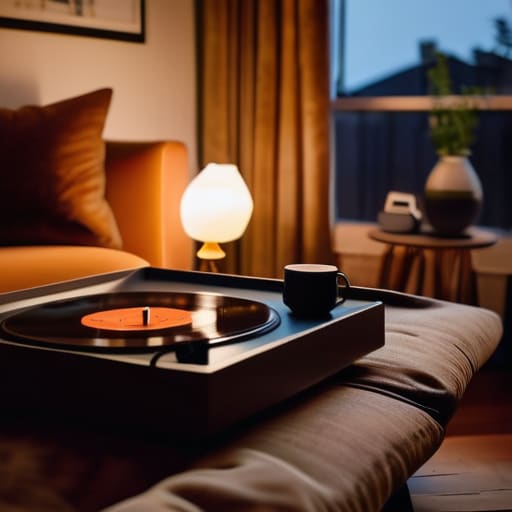
    When I sit down with my notebook to plan an evening, I don’t think in terms of “tracks” or “hits.” I think in terms of texture. To me, curating vinyl playlists is less about a sequence of songs and more about building a landscape. You want to start with something that breathes—perhaps a bit of Bill Evans or some soft, brush-heavy percussion—to signal to your guests that the frantic pace of the outside world is officially over. It’s about setting a tempo that invites conversation rather than drowning it out.

    As the night deepens, you can afford to be more intentional. This is where the true magic of the analog audio experience reveals itself. I find that moving from a light jazz selection into something more soulful, like a late-era Blue Note pressing, creates a natural arc. You aren’t just playing background noise; you are guiding the room through a shared emotional journey. It’s a slow build, much like the cities I used to archive—layers upon layers of history and resonance that only reveal themselves if you are willing to sit still and listen.

    Building High Fidelity Sound Systems That Breathe
    Building High Fidelity Sound Systems That Breathe

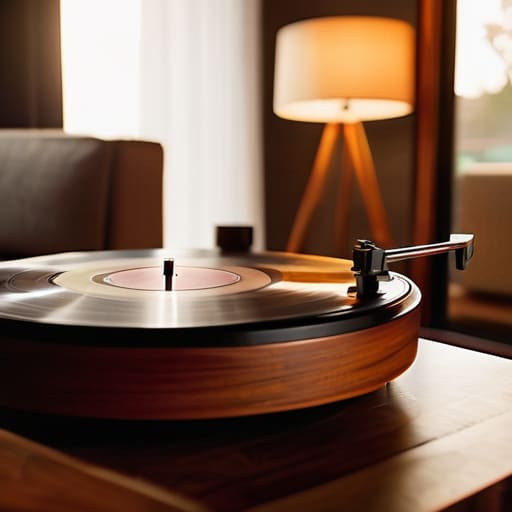
    There is a common misconception that you need a room full of glowing vacuum tubes and equipment that costs more than my first house to truly hear a record. While I certainly appreciate the craftsmanship of a well-built amplifier, the heart of a great evening isn’t found in a price tag, but in the intentionality of the setup. When I’m preparing for guests, I focus on creating an analog audio experience that feels lived-in rather than clinical. It’s about finding that sweet spot where the speakers breathe, positioned just right to fill the room without overwhelming the conversation.

    You want a system that invites people to lean in, not one that demands they stand at attention. I’ve found that even modest high-fidelity sound systems can achieve something magical if they are tuned to the specific acoustics of your space. It’s about the warmth of the mid-range and the way the bass settles into the floorboards. When the setup is balanced, the technology seems to vanish entirely, leaving nothing behind but the music and the company. That is when the room truly begins to feel alive.

    The Small Details That Make the Difference

    • Don’t be afraid of a little silence between tracks. In our rush to keep the energy up, we often forget that the space between songs is where the music actually settles into your bones. Let the crackle of the groove breathe before you flip to the next side.
    • Lighting is just as important as the audio. If the room is too bright, people tend to stay in their heads; if you dim the lights and rely on a few warm lamps, they start to listen with their hearts. It’s about creating a sanctuary, not a showroom.
    • Invite people who actually want to listen. There’s a difference between a party where people shout over the music and a gathering where people lean in to catch a particular bassline. Seek out the friends who understand that a shared silence can be just as profound as a shared song.
    • Keep your notebook nearby, but don’t force the conversation. Sometimes the best way to honor a record is to let it be the center of gravity. If a guest wants to discuss the history of a pressing or the way a certain horn section feels, let them—but let the music lead the way.
    • Serve something that demands a slow pace. A heavy meal or a frantic cocktail menu disrupts the flow. Think of something tactile and steady—a good scotch, a single type of tea, or even just a well-placed carafe of water. You want things that encourage people to linger, not to rush through.

    The Essence of the Evening

    It isn’t about the technical specs or the price of the turntable; it’s about creating a space where the music is allowed to be the guest of honor.

    A truly soulful gathering requires us to put away the distractions and allow the crackle of the needle to become the heartbeat of the room.

    Remember that the goal isn’t just to hear a record, but to inhabit the silence between the tracks and let the melodies settle into your bones.

    The Weight of the Moment

    “There is a profound, quiet dignity in the ritual of it all—the way the sleeve feels in your hands, the soft crackle before the first note breaks the silence, and the realization that, for once, we aren’t just consuming sound, we are actually sitting still enough to hear it.”

    Petra Lindgren

    The Last Note Fades
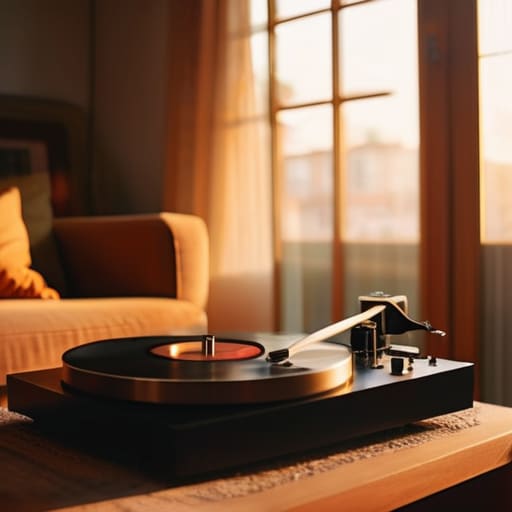
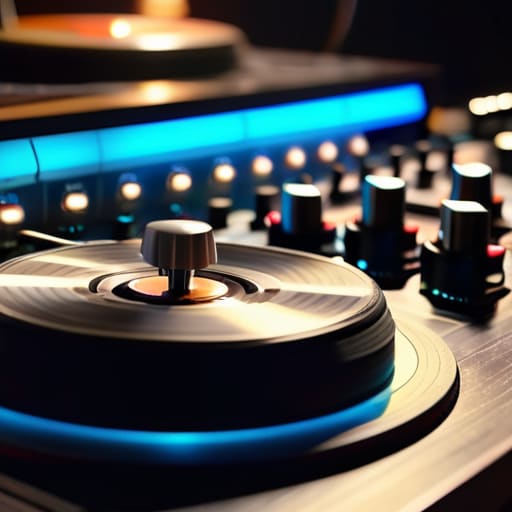
    Vinyl spinning as The Last Note Fades.

    At the end of the day, hosting a listening session isn’t about owning the most expensive turntable or having a library that would make a collector weep. It is about the intention behind the ritual. We’ve talked about the importance of selecting a sequence that tells a story, the way a well-tuned system allows the room to actually breathe, and the physical act of handling a sleeve with care. When you combine a thoughtful playlist with a soundscape that respects the original recording, you create more than just background noise; you create a space where the music is allowed to be the protagonist. It is about moving away from the digital clutter and returning to the tangible warmth of a spinning disc.

    As the final groove of the record reaches its end and the needle lifts with that familiar, rhythmic click, I hope you find yourself sitting in the silence for just a moment longer. Don’t rush to turn the lights up or check your phone. That quiet interval is where the music truly settles into your bones. In a world that demands we move faster and consume more, there is a profound, quiet rebellion in simply sitting still and listening deeply. Let these evenings be your anchor. After all, the things that stay with us long after the lights go up are rarely the things we rushed through.

    Frequently Asked Questions

    How do I balance a collection of rare, delicate pressings with the unpredictable nature of a social gathering?

    It’s a delicate dance, isn’t it? I often find myself hovering near my most precious pressings, half-expecting a stray elbow to find them. My rule is simple: keep the “museum pieces” tucked away in their sleeves. For a gathering, I lean on my reliable, well-loved staples—the records that have survived decades of spins. They carry a warmth that guests can enjoy without the collective breath-holding. Let the crowd enjoy the music; let the rarities stay safe.

    Is it worth investing in high-end equipment if I'm mostly playing records for friends rather than listening alone?

    I’ll tell you this: music isn’t just something we hear; it’s something we inhabit. When you’re hosting, you aren’t just playing background noise; you’re setting the temperature of the room. If the sound is thin or brittle, the magic dissipates. Investing in quality isn’t about vanity or technical perfection—it’s about ensuring that when that needle drops, your friends actually feel the warmth of the recording. It makes the evening feel intentional.

    How do you manage the conversation so it doesn't drown out the nuances of the music?

    It’s a delicate balance, isn’t it? I’ve learned that the music shouldn’t be background noise, but it shouldn’t be a lecture, either. I suggest setting a gentle intention early on. Tell your guests that the record is the guest of honor. We keep the chatter low during the deep cuts, allowing the room to breathe. It’s in those shared silences, punctuated by a quiet observation about a bassline, that the real connection happens.

  • Attending Evening Events at Museums

    Attending Evening Events at Museums

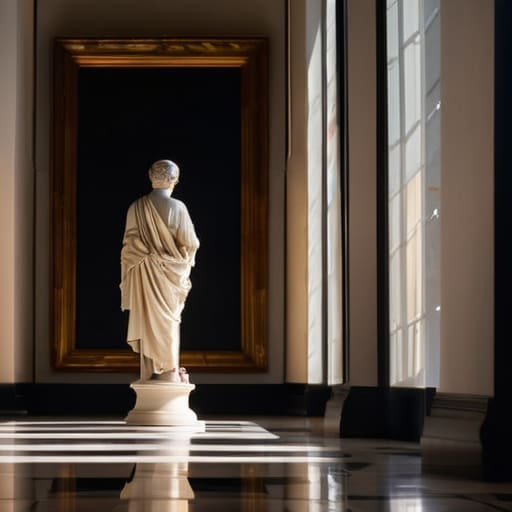
    I remember standing in the middle of a crowded gallery last autumn, the air thick with the smell of expensive perfume and the frantic, hollow chatter of people more interested in their phone screens than the oil paintings before them. It was one of those overly curated museum night events that felt less like a cultural experience and more like a high-speed social marathon. I found myself retreating to a quiet corner near the sculpture garden, just wanting to hear the soft click of my own footsteps against the marble, away from the performative energy that seems to plague so many modern outings.

    I’m not here to tell you which gala has the most impressive guest list or which venue offers the trendiest cocktail. Instead, I want to help you find the quiet magic that happens when the daytime crowds finally vanish. I’ll be sharing my personal guide to navigating museum night events with intention, focusing on the corners where the lighting is just right and the atmosphere allows for actual reflection. We are going to look for the spaces where you can actually breathe, listen, and rediscover the art without the unnecessary noise.

    Table of Contents

    Finding Stillness in After Hours Museum Programming

    Finding Stillness in After Hours Museum Programming

    There is a particular kind of magic that settles over a gallery once the heavy doors have closed to the midday rush. I’ve spent most of my life among files and dusty ledgers, so I know the value of a quiet room. When you step into these evening cultural experiences, the atmosphere shifts; the air feels heavier, more intentional. You aren’t just viewing an object; you are sharing a private moment with it. I find that the soft, directional lighting of a nighttime exhibition allows the textures of a canvas or the grain of a sculpture to finally speak for themselves without the distraction of a crowd.

    If you can, try to seek out the late-night gallery tours offered by some of our local institutions. There is something deeply restorative about a guided walk through the shadows, where the curator’s voice carries more weight in the stillness. It isn’t about checking a box on a tourist itinerary; it’s about the slow, deliberate observation of things that have survived the centuries. In these moments, the museum stops being a building and starts feeling like a sanctuary.

    Chasing Shadows With Nighttime Art Installations

    Chasing Shadows With Nighttime Art Installations.

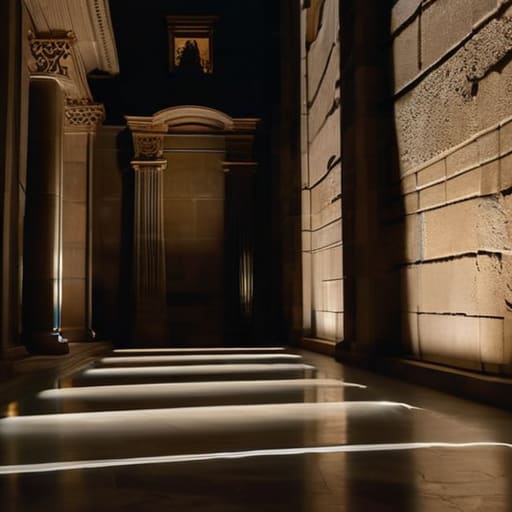
    There is a specific kind of magic that happens when the overhead lights are dimmed and the focus shifts entirely to the interplay of light and shadow. I’ve always found that nighttime art installations possess a weight that daytime viewing simply cannot replicate. During the day, the sun is a blunt instrument, exposing every crack in the floor and every stray dust mote. But at night, the darkness acts as a velvet curtain, allowing the installations to breathe. I remember sitting in a darkened wing last autumn, watching a projection dance across a limestone wall; it felt less like looking at an exhibit and more like witnessing a private conversation between the artist and the architecture.

    These evening cultural experiences demand a different kind of attention. You aren’t just passing through a corridor; you are navigating a landscape of silhouettes. I often find myself pulling out my notebook during these moments, trying to capture how a single spotlight can turn a sculpture into something entirely new and unrecognizable. It’s in these quiet, shadowed corners that the art truly begins to speak, far away from the frantic energy of the afternoon crowds.

    A Few Notes for the Intentional Evening

    • Arrive early, but not too early. I’ve found the best moments occur just as the initial rush of the crowd begins to settle, leaving a pocket of quiet for you to actually breathe with the exhibits.
    • Leave the phone in your pocket. If you find something that moves you, don’t reach for a lens immediately; take a moment to sketch it in a notebook or simply sit with the feeling. The memory lasts longer than a digital file ever will.
    • Seek out the acoustic corners. Many museums pair their night events with live music—often jazz or chamber pieces. Find a spot near the performer where the sound can wrap around you while you wander.
    • Follow the light, not the signs. Often, the most evocative parts of a nighttime exhibition are found in the shadows or the way a single spotlight hits a texture. Don’t feel pressured to follow the prescribed path.
    • Embrace the solitude. There is a particular kind of magic in being alone with a piece of history after the sun has gone down. Don’t feel the need to fill the silence with constant conversation; let the art do the talking.

    The Quiet Rewards of the Late Hour

    Seek out the spaces between the crowds; it is in the stillness of an empty gallery that you finally hear the conversation between the art and your own thoughts.

    Let the lighting dictate your pace, allowing the dim, intentional atmosphere of a night event to pull you out of the daily rush and into a more observant state of mind.

    Remember that these evenings are not about checking an exhibit off a list, but about finding those small, lingering details that stay with you long after you’ve stepped back out into the street.

    There is a particular kind of magic that only happens when the museum doors lock behind the daytime crowds; it’s in that shift from a public space to a private sanctuary, where the art finally seems to breathe in the dim light, and you realize you aren’t just looking at history—you’re sitting with it.

    Petra Lindgren

    A Final Note Before the Lights Dim

    A Final Note Before the Lights Dim.

    As I pack my notebook away and feel the weight of the evening’s observations, I’m reminded that these museum nights offer something far more valuable than mere entertainment. Whether you are seeking the quiet sanctuary of a gallery after the school groups have gone, or you are drawn to the vibrant, pulsing energy of a modern light installation, you are participating in a rare kind of communion. We’ve discussed how the stillness of the after-hours programs allows for a deeper connection to history, and how the interplay of shadow and art can shift your entire perspective. These events aren’t just about seeing things; they are about learning how to truly look.

    My advice to you is simple: don’t just go to check a box on a weekend itinerary. Go with the intention of slowing down. Let the cool air of the marble halls settle your nerves and allow the music or the silence to dictate your pace. In a world that demands we move faster every single day, there is a quiet rebellion in choosing to linger in front of a single canvas or a flickering shadow. Make time for the things that linger in your mind long after you’ve stepped back out onto the street. After all, the best parts of a city aren’t found in the rush, but in the pauses we take to appreciate them.

    Frequently Asked Questions

    Do these late-night sessions tend to be boisterous social gatherings, or can one still find a quiet corner to truly reflect?

    It depends on the venue, of course, but I’ve always found that even the most spirited gatherings have their own quiet rhythms. While some nights lean into the social buzz—the clink of glasses and the hum of conversation—there is almost always a sanctuary to be found. I usually look for those dimly lit alcoves or a quiet gallery wing. Even amidst a crowd, you can still find a moment of profound, solitary reflection.

    Is there a particular way to prepare for these events to ensure I don't miss the subtle details that only emerge in the evening light?

    Don’t rush in with a checklist. Instead, bring a small notebook—much like the one I carry—and perhaps a single, focused question for each piece you encounter. Leave your phone in your pocket; the blue light is a thief of atmosphere. I find that arriving early to sit in the quiet, before the program begins, helps settle the eyes. When you stop trying to “see everything,” you finally start seeing the things that matter.

    How much do the acoustics of the museum space change once the daytime crowds have cleared out?

    It’s a transformation, really. During the day, the museum is a cacophony of shuffling feet, hushed whispers, and the heavy, restless energy of a crowd. But once those doors close to the public, the room breathes differently. The acoustics settle into something much more intimate. Without that constant human hum, you start to hear the building itself—the soft click of a heel on marble or the way a single note from a nearby performance lingers in the rafters.

  • The Impact of Remix Culture

    The Impact of Remix Culture

    I was sitting in a dimly lit corner of a jazz club in Chicago last Tuesday, the kind of place where the air feels heavy with history and the scent of old mahogany. The band was playing a standard, but the pianist began weaving in these unexpected, modern textures—fragments of something else entirely. It struck me then how much people tend to overcomplicate the concept of remix culture with all this academic jargon about “iterative digital reconfiguration.” To me, it isn’t some complex technological phenomenon; it’s more like finding a new rhythm in an old song, taking the bones of something beautiful and giving it a fresh breath of life.

    I’m not here to lecture you on the mechanics of software or the latest digital trends that will be obsolete by next season. Instead, I want to talk about the soul of the reuse. I promise to share my perspective on how we can honor the past while making room for the new, focusing on the art of the echo rather than the noise of the machine. We’re going to look at how to find the genuine connection in the layers, ensuring that whatever is being reborn actually carries the weight of something worth remembering.

    Table of Contents

    Sampling in Modern Music the Beauty of a Borrowed Beat

    Sampling in Modern Music the Beauty of a Borrowed Beat

    I remember sitting in a dusty basement archive years ago, listening to a scratched 45 of a Motown track, marveling at how a single drum fill could carry the weight of an entire era. Today, I see that same spirit alive in the way producers approach sampling in modern music. It isn’t merely about taking a piece of someone else’s work; it is about sonic recontextualization. It’s the act of finding a ghost in a machine, pulling a lonely trumpet line from a 1950s jazz record and letting it breathe within a heavy, modern bassline.

    When a producer finds that perfect loop, they aren’t just copying; they are engaging in a dialogue with the past. This process turns the studio into a kind of living museum where the old and the new collide. To me, remixing as an art form feels much like my old work in the archives—it is about taking something that was once tucked away in a folder and giving it a new, vital purpose. It’s about finding the connective tissue between generations through a single, borrowed beat.

    The Digital Transformation of Creativity and Our Shared Memory

    The Digital Transformation of Creativity and Our Shared Memory

    It’s a strange thing, sitting here with my notebook, thinking about how much the landscape has shifted. In my years in the archives, history was something held in heavy, physical volumes—static and unchanging. But today, we are witnessing a profound digital transformation of creativity that feels much more like a living, breathing organism. We no longer just preserve the past; we reach into it, pull out a fragment of a melody or a snippet of a spoken word, and weave it into something entirely new.

    This isn’t just about technology, though. It’s about how we hold onto our collective identity. When a producer engages in sonic recontextualization, they aren’t just stealing a sound; they are engaging in a conversation with the ghosts of the artists who came before them. It’s a way of keeping our shared musical memory alive, ensuring that a bassline from 1974 can still make a teenager in 2024 feel something deep in their chest. We are building a new kind of history, one made of echoes and layered intentions.

    How to Listen Between the Layers

    • Listen for the ghost in the machine. When you hear a track that feels familiar yet entirely new, don’t just nod along; try to trace the lineage of that sound back to its source. It’s like recognizing a recurring motif in a historical archive—once you see the connection, the whole piece changes.
    • Value the patina of imperfection. In a world of digital precision, there is a profound beauty in the crackle of an old vinyl sample or the slight hiss of a tape loop. Don’t be so quick to polish away the grit; that’s where the soul usually hides.
    • Respect the lineage, but embrace the evolution. Remix culture isn’t about theft; it’s a conversation across time. Treat the original creators like the masters they are, but allow yourself the grace to reinterpret their work through your own modern lens.
    • Slow down your consumption. We tend to skip through playlists like we’re rushing through a museum gallery. Instead, pick one remix and sit with it. Notice how the producer has rearranged the architecture of the melody, much like how a new building might use the stones of an old ruin.
    • Look for the human connection in the digital loop. Even when music is built from fragments of data, the intention behind the arrangement is deeply personal. Ask yourself what the artist is trying to say by bringing these two disparate worlds together.

    The Echoes That Remain

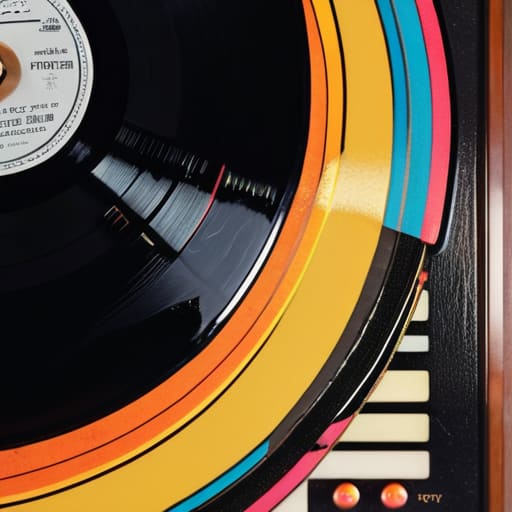
    Jazz record representing The Echoes That Remain.

    Remix culture isn’t about theft or lack of originality; it’s a way of honoring the past by letting its most beautiful fragments breathe in a new era.

    We must learn to see digital sampling as a form of modern archiving, where old melodies are preserved and repurposed rather than simply forgotten.

    True creativity lies in the intention behind the edit—finding that specific, soulful connection between a borrowed beat and a brand-new feeling.

    The Echoes We Carry

    To me, a remix isn’t about theft or even cleverness; it’s more like a conversation between generations. It’s taking a melody that once moved your father and letting it find a new heartbeat in the hands of a stranger, proving that the best parts of our history never truly fade—they just learn to dance to a different rhythm.

    Petra Lindgren

    The Echoes That Remain

    As I sit here in the dim light of my study, listening to the crackle of a worn jazz record, I realize that remix culture isn’t about theft or the erasure of the past. It is, rather, a continuous conversation between generations. We have seen how a single borrowed beat can breathe new life into a melody, and how our digital archives allow us to weave our shared history into something entirely fresh. By pulling from the old to build the new, we aren’t just recycling; we are ensuring that the soul of the original survives, even as it takes on a different shape. It is a way of keeping the music playing, long after the initial performance has ended.

    Perhaps we should stop viewing creativity as a solitary act of invention and start seeing it as a way of listening. In a world that feels increasingly rushed and disposable, there is something profoundly beautiful about the way a remix honors what came before. It reminds us that nothing is ever truly lost; it is simply waiting to be heard in a new light. So, the next time you hear a familiar refrain tucked inside a modern track, I hope you take a moment to pause. Don’t just listen to the beat—listen for the ghost in the machine, and appreciate the beautiful, unbroken thread that connects us all.

    Frequently Asked Questions

    Does the constant repurposing of old sounds risk losing the original intention or the "soul" of the first artist?

    It’s a delicate thing, isn’t it? I often wonder about that myself while flipping through my old jazz records. There is always a risk that a profound moment becomes merely a texture, a rhythmic backdrop stripped of its heartache. But I’ve found that when done with reverence, a remix doesn’t kill the soul; it gives it a new way to breathe. It’s not about replacing the original, but inviting it into a new conversation.

    At what point does a remix stop being a tribute and start becoming something that lacks its own identity?

    It’s a fine line, isn’t it? I often think of it like an archivist looking at a restored manuscript. A tribute honors the original by adding a new layer of meaning, breathing fresh life into the old notes. But when the original becomes nothing more than a hollow shell—when you can no longer hear the new intention beneath the borrowed melody—that’s when the soul departs. A remix loses its identity when it stops conversing with the past and simply mimics it.

    How do we protect the history of these sounds when they are being endlessly reshaped by new technology?

    It’s a question that keeps me up some nights, much like the crackle of a worn jazz record. We protect them by refusing to let the source become a ghost. We must document the lineage—not just the new track, but the original heartbeat that inspired it. In my years in the archives, I learned that preservation isn’t about freezing time; it’s about honoring the connection between the old soul and the new skin.

  • The Visual Language of Film Noir

    The Visual Language of Film Noir

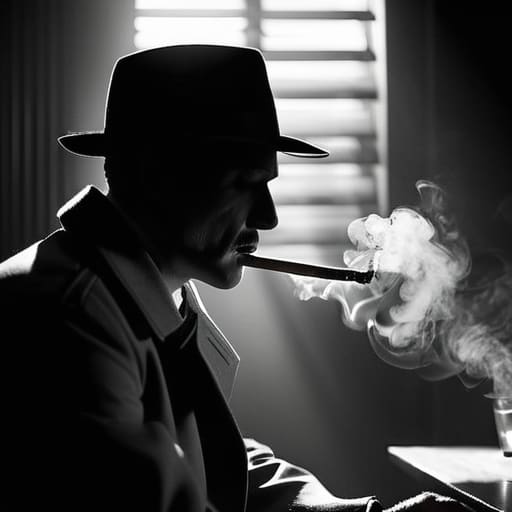
    I remember sitting in a basement jazz club in Chicago back in the late seventies, the air thick with the scent of old cedar and stale tobacco, watching the way a single streetlamp filtered through the frosted glass of the entrance. It wasn’t just about the darkness; it was the way the light struggled to exist against the gloom. People often mistake film noir aesthetics for nothing more than a collection of expensive black-and-white filters or a penchant for wearing trench coats, but they miss the soul of the shadow. To me, it has always been about that tension between what is revealed and what is intentionally left to the imagination.

    I’m not here to give you a lecture on cinematic history or a list of technical equipment you don’t need. Instead, I want to show you how to find that same sense of quiet, heavy mystery in the world around you. We are going to look past the surface-level tropes and explore how to truly capture the mood, the texture, and the lingering stillness that makes this style so enduring. Let’s stop rushing through the visuals and start learning how to notice the details that actually stay with us.

    Table of Contents

    The Quiet Drama of Chiaroscuro Lighting Techniques

    The Quiet Drama of Chiaroscuro Lighting Techniques.

    When I look back at the old reels I used to catalog, I’m always struck by how much the light tells us before a single line of dialogue is spoken. It isn’t just about visibility; it’s about what is intentionally left in the dark. The use of chiaroscuro lighting techniques creates a tension that feels almost physical, as if the shadows themselves have weight. You see a face half-submerged in darkness, and suddenly, you aren’t just watching a character—you are witnessing a secret.

    This heavy reliance on low-key lighting in cinema serves a purpose far greater than mere style. It mirrors the internal fractures of the characters, pulling us into a world where nothing is quite as it seems. In those sharp, high-contrast frames, the light doesn’t illuminate the truth; it merely highlights the edges of a lie. There is a profound, quiet drama in that struggle between the brightness and the void, a reminder that the most important parts of a story often happen in the spaces where the light fails to reach.

    How Low Key Lighting in Cinema Slows the Night

    How Low Key Lighting in Cinema Slows the Night.

    There is a specific kind of patience required to sit through a film that refuses to illuminate its own corners. When I watch these old classics, I’m struck by how low-key lighting in cinema acts as a physical weight, pressing down on the scene and forcing the viewer to settle in. Unlike the bright, frantic pacing of modern blockbusters that demand your attention with every flash of light, these films use darkness to create a sense of stillness. The shadows don’t just exist; they breathe, stretching across the frame to dictate a tempo that feels much more human, much more deliberate.

    In these dim spaces, the narrative doesn’t rely on frantic dialogue to move us forward. Instead, we find ourselves leaning in, trying to catch the glint of a cigarette ember or the silhouette of a figure leaning against a rain-slicked doorway. It’s a visual language that mirrors the way a good jazz set unfolds—starting in the deep, quiet tones before slowly building tension. This deliberate use of shadow forces us to stop rushing and actually observe, finding meaning in the gaps where the light fails to reach.

    Five Ways to Invite the Noir Spirit Into Your Own Evening

    • Seek out the shadows rather than the spotlight. When you’re out, don’t look for the brightest table in the room; look for the corner where the light barely reaches. There is a profound sense of privacy found in those dim pockets of a room.
    • Appreciate the geometry of a space. Just as I do with my sketchbook, take a moment to notice how a single beam of light cuts across a floor or how a window frame casts a stripe across a face. The architecture of a moment is often found in its lines.
    • Embrace the slow tempo. Noir isn’t about the frantic energy of a modern city; it’s about the pause. Whether it’s a long sip of a drink or a slow melody on a record, let the night breathe. Don’t rush to the next thing.
    • Listen for the texture of the sound. In the movies, the silence is just as important as the jazz. In your own life, notice the ambient hum of the street or the way a low bass note lingers in a smoky room. The details are in the resonance.
    • Find beauty in the ambiguity. Not everything needs to be clear, bright, and explained. There is a certain dignity in leaving things a little mysterious, allowing the edges of your experiences to remain soft and slightly out of focus.

    What Remains When the Screen Goes Dark

    True atmosphere isn’t found in the brightness of the scene, but in the tension between what is revealed and what is hidden within the shadows.

    The deliberate use of low-key lighting forces us to slow down, demanding that we stop rushing and actually observe the textures of the night.

    Film noir teaches us that there is a profound, quiet beauty in the dim corners of life, if only we are patient enough to look for it.

    The Weight of a Shadow

    “We spend so much of our lives trying to turn on every light, fearing what we might miss in the dark; but film noir teaches us that the truth isn’t found in the glare, but in those soft, heavy shadows where the soul finally has room to breathe.”

    Petra Lindgren

    The Lingering Shadow

    Film noir aesthetics: The Lingering Shadow.

    When we look back at what makes these films truly haunt us, it isn’t just the clever camera angles or the high-contrast lighting. It is the way the aesthetics force us to confront the unspoken tensions of the human condition. Through the heavy use of chiaroscuro and that deliberate, low-key pacing, film noir teaches us that what is left unseen is often more powerful than what is shown. We learn to appreciate the geometry of a shadow stretching across a rain-slicked street and the way a single sliver of light can define a character’s entire moral struggle. It is a visual language of intentional imperfection, where the darkness provides the necessary canvas for the light to mean something.

    As I sit here in the dim glow of my study, listening to a worn Coltrane record, I find myself thinking about how much of our own lives we rush past in the bright, sterile glare of the modern world. Perhaps we could all benefit from a little more noir in our own evenings. We should learn to embrace the quiet corners and the soft, blurred edges of our experiences. Don’t be so quick to turn on every light the moment the sun goes down. Instead, let the shadows settle, find a comfortable chair, and allow yourself the luxury of noticing the details that only reveal themselves when things slow down.

    Frequently Asked Questions

    How does the specific choice of music and jazz influence the way we perceive these shadows on screen?

    It’s the way a lonely saxophone note hangs in the air, much like the smoke from a cigarette in a dim corner. To me, jazz provides the heartbeat for those shadows. A frantic bebop rhythm makes the darkness feel predatory, like something is chasing you through an alley. But a slow, melancholic ballad? That makes the shadows feel like a sanctuary—a place to hide, to linger, and to finally breathe.

    Can you tell me about the architectural details or urban settings that make a film feel truly "noir"?

    It’s rarely about the grand monuments for me; it’s the texture of the city that tells the story. I find myself sketching the heavy, Art Deco cornices of old office buildings or the way a wet cobblestone street catches a single, lonely streetlamp. It’s the claustrophobia of narrow alleyways and the skeletal shadows cast by fire escapes. These urban landscapes feel like characters themselves—weathered, slightly weary, and full of secrets tucked into every corner.

    Is it possible to find this same sense of atmosphere in modern films, or has the soul of the aesthetic been lost to digital perfection?

    It’s a fair question, and one I often ponder while sitting in a darkened theater. We’ve certainly traded the organic grain of film for a clinical, digital sharpness that can feel a bit hollow. Yet, the soul isn’t dead; it has simply migrated. You see it when a director chooses to embrace the smudge of a shadow rather than cleaning it up. The magic isn’t in the technology, but in the intentionality of the darkness.

  • How to Prepare for Live Concerts

    How to Prepare for Live Concerts

    I remember sitting in a cramped, velvet-lined booth at a jazz club in Detroit back in ’84, watching a young man spend twenty minutes fumbling with a digital ticket on a phone that wouldn’t hold a charge, while the bassist was already halfway through a sublime solo. He missed the entire opening movement because he was too busy managing the logistics of his own arrival. We’ve turned the simple joy of music into this frantic, technological chore, and frankly, I think our approach to live concert preparation has lost its soul. We spend so much energy on the “stuff”—the perfect outfit, the premium parking, the social media shot—that we forget the most important part is actually being present when the house lights finally dim.

    I’m not here to give you a checklist of gear or tell you which VIP package is worth your hard-earned money. Instead, I want to share a more intentional way to approach these evenings. I’ll walk you through how to handle the practicalities so they fade into the background, allowing you to focus on the resonance of the strings and the shared breath of the crowd. Let’s learn how to prepare so that when the music starts, the only thing you’re doing is listening.

    Table of Contents

    Curating Festival Outfit Ideas for Comfort and Grace

    Curating Festival Outfit Ideas for Comfort and Grace

    When I think about what to wear to a show, I don’t think about trends; I think about how I want to feel when the music begins. There is a certain dignity in being prepared, and that starts with your attire. You want to find that delicate balance between looking sharp and being able to stand for three hours without a second thought. I often suggest looking into festival outfit ideas that prioritize layers—a well-cut blazer or a soft wool cardigan can be your best friend when the evening air turns brisk.

    The goal is to move through the crowd with a sense of ease, not a sense of struggle. Avoid anything too restrictive; you want to be able to lean back and lose yourself in the melody. I always keep a small, discreet pouch tucked away as part of my concert survival kit essentials, containing just the basics to keep me composed. If you can navigate the venue without constantly adjusting your sleeves or worrying about your footwear, you’ve won the battle. After all, the clothes should serve the music, not the other way around.

    A Thoughtful Packing List for Music Festivals and Beyond

    A Thoughtful Packing List for Music Festivals and Beyond

    There is a quiet dignity in being prepared, a way of honoring the event before it even begins. When I sit down to assemble my bag, I don’t just think about utility; I think about how to maintain a sense of calm amidst the crowd. A reliable packing list for music festivals should always include the small, tactile comforts that keep you grounded. I never leave without a small notebook for my sketches and a sturdy, reusable water bottle. Beyond the basics, I find that having a few concert survival kit essentials—like a lightweight shawl for when the evening air turns brisk or a small tin of mints—makes a world of difference in how one carries themselves through the night.

    Of course, one must also consider the practicalities of modern life without letting them overshadow the art. I always tuck a high-capacity battery into a side pocket; knowing I have the best portable power banks for events tucked away means I won’t be frantically searching for an outlet when the final encore begins. Most importantly, I never forget my earplugs. There is a profound difference between feeling the vibration of a bassline in your chest and the physical strain of a volume that is simply too high. Protecting your hearing at concerts isn’t about being cautious; it’s about ensuring you can still hear the melody in your dreams tomorrow.

    The Small Details That Hold the Night Together

    • Arrive with time to spare, not to rush the entry, but to let the atmosphere settle. There is a certain magic in sitting with a drink and watching the crowd gather before the stage even comes to life.
    • Protect your hearing with more than just caution; bring high-fidelity earplugs. You want to hear the nuance of the bass and the texture of the vocals, not just a wall of distorted noise.
    • Keep your phone tucked away for most of the set. I’ve spent too many years looking at archives to realize that a memory captured through a screen often lacks the depth of one captured by the heart.
    • Map out your exits and your meeting points before the lights go down. When the music is loud and the crowd is thick, having a quiet plan for your way home provides a necessary sense of calm.
    • Carry a little bit of cash and a physical map of the venue if you can. In the digital rush of a concert, there is something grounding about being able to navigate the world without relying on a glowing screen.

    The Quiet Essentials for a Night Well Spent

    Prioritize the tactile over the trendy; choose fabrics that breathe and shoes that carry you through the night without complaint, so your focus remains on the melody rather than your feet.

    Carry only what serves the moment, ensuring your pockets aren’t heavy and your spirit isn’t cluttered, leaving more room for the atmosphere to settle around you.

    Arrive with a sense of presence rather than a rush to be seen, allowing yourself the grace to find a vantage point where the music can truly sink in.

    The Quiet Before the Crescendo

    Preparation isn’t about checking boxes on a list or ensuring you have every gadget; it is about clearing the mental clutter so that when the first note finally breaks the silence, you are actually there to receive it.

    Petra Lindgren

    The Final Note

    Preparing for the music, The Final Note.

    As the sun begins to set and the venue lights start to dim, I find that all this preparation—the carefully chosen layers, the essentials tucked into your bag, the practical comforts—serves a singular purpose. It isn’t about being perfect or following a rigid checklist; it is about removing the friction between you and the art. When you aren’t worrying about a dying phone battery or a sudden chill in the air, you are free to actually listen. By handling these small, logistical details ahead of time, you ensure that nothing pulls your attention away from the stage when the first chord finally strikes.

    In the end, the gear and the planning are merely the prelude to the real experience. The true magic happens in those unplanned moments: the shared glance with a stranger during a crescendo, or the way a melody seems to hang in the air long after the encore has faded. Don’t let the rush of the modern world rob you of that connection. Approach your next concert not as an event to be managed, but as an evening to be inhabited. Slow down, breathe deeply, and let the music stay with you long after you’ve stepped back out into the cool night air.

    Frequently Asked Questions

    How do I balance the need for practical gear with the desire to feel elegant and present in the moment?

    It’s a delicate dance, isn’t it? I’ve learned that elegance doesn’t come from being precious; it comes from being prepared. If you’re constantly adjusting a heavy bag or shivering in thin fabric, you aren’t present—you’re just uncomfortable. Choose one high-quality, versatile piece—perhaps a well-cut wool coat or a sturdy leather satchel—and let your practical gear be understated. When your needs are met quietly in the background, your spirit is free to actually listen.

    What are the best ways to minimize the sensory overwhelm of a loud crowd so I can actually focus on the music?

    I’ve learned that the roar of a crowd can often drown out the very melody you came to hear. If the noise feels like it’s pressing in too hard, I suggest investing in a decent pair of high-fidelity earplugs; they lower the volume without stripping away the nuance of the performance. Also, don’t be afraid to step toward the periphery of the crowd. Finding a bit of breathing room allows the music to settle in your soul rather than just battering your senses.

    How can I prepare myself mentally to truly experience the performance rather than just documenting it through a lens?

    The temptation to witness life through a glass screen is a modern thief. I often tell my friends: put the phone in your pocket and let the music settle into your bones first. Try a small ritual—perhaps a few quiet moments of breathing before the house lights dim. If you feel the urge to capture a photo, remind yourself that your memory is a far more soulful archive than any digital file could ever be.

  • Studying the Works of Classical Composers

    Studying the Works of Classical Composers

    I remember sitting in the back of a drafty university lecture hall in Ann Arbor, watching a professor scribble complex mathematical equations on a chalkboard to explain why a certain symphony worked. He spoke about classical composers as if they were nothing more than architects of sound, calculating tension and release with the cold precision of a structural engineer. It felt hollow. I didn’t want a lecture on music theory or a breakdown of rhythmic subdivisions; I wanted to know why a single violin melody could make my chest ache on a Tuesday afternoon. To me, these men weren’t just mathematicians in powdered wigs—they were messy, desperate humans trying to capture something fleeting before it vanished.

    I have no interest in teaching you how to analyze a sonata or memorizing dates for a trivia night. Instead, I want to guide you through the actual emotional landscape these works inhabit. My goal is to help you strip away the stuffy, academic pretension and find the raw, human pulse beneath the notes. We are going to look at these masters not as museum pieces, but as companions for your quietest, most intentional evenings.

    Table of Contents

    Tracing the Evolution of Musical Eras Through Quiet Moments

    Tracing the Evolution of Musical Eras Through Quiet Moments

    Tracing the evolution of musical eras through quiet moments is less about studying dates in a textbook and more about feeling the shift in the air. When I sit with a piece from the Baroque period, there is a certain mathematical precision, a structured beauty that feels like walking through a perfectly preserved cathedral. But as you move toward the Romantic era, that rigidity begins to melt. You can almost hear the breath of the performers, the sudden, desperate swells of emotion that signal a departure from the old rules. It is a profound way to witness the evolution of musical eras—not through a timeline, but through the changing way we express our own restlessness.

    I often find myself sketching the heavy, ornate moldings of old concert halls while listening to the greatest symphonists of all time. There is a specific weight to a Mahler symphony that feels fundamentally different from the clarity of Mozart. It’s as if the music itself has grown more aware of the shadows. To understand the history of western classical music, one must look past the grand crescendos and instead listen to the silences between the notes, where the true soul of an era resides.

    Discovering Classical Music Masterpieces That Stay With Us

    Discovering Classical Music Masterpieces That Stay With Us

    When I look back through the archives of my own life, it isn’t the grand, sweeping crescendos that stick to my ribs; it’s the quiet, intentional movements that seem to hold a certain weight. There is a profound difference between simply hearing music and truly listening to the way a melody unfolds. When you sit with the classical music masterpieces of the past, you aren’t just consuming sound; you are engaging in a conversation with someone who lived centuries ago. I often find myself sitting in the corner of a dim room, notebook in hand, trying to sketch the way a particular phrase by Brahms feels like a physical space—a room with heavy velvet curtains and soft, amber light.

    To understand the history of western classical music is to understand the human impulse to capture something eternal. It isn’t about technical perfection or the sheer volume of an orchestra; it’s about those rare, singular moments where a composer manages to pin down a feeling that words simply cannot reach. Whether it is the structured elegance of a Mozart sonata or the brooding, late-night tension of a Rachmaninoff piece, these works demand that we slow our pace. They ask us to stop rushing and finally notice the details that make a life worth living.

    How to Listen When the World Gets Too Loud

    • Don’t feel pressured to understand the theory. You don’t need a degree in musicology to feel the weight of a Rachmaninoff piano concerto; just let the melody settle in your chest and see where it takes you.
    • Seek out the imperfections. I often find that older, slightly scratchy recordings of a Mozart sonata feel more “alive” than the pristine digital versions. There is a human warmth in those subtle cracks that modern technology often polishes away.
    • Match the music to the light. If you are sitting in a dim room with a glass of something amber, try the darker, more brooding works of Chopin or Brahms. The music should complement the shadows of your evening, not fight against them.
    • Follow the narrative, not the notes. Instead of worrying about technical precision, try to imagine the story being told. Was the composer writing in a moment of triumph, or were they sitting by a window, watching the rain fall in Vienna?
    • Give yourself permission to sit still. The greatest mistake we make is treating music like background noise for a busy life. Pick one piece, put your notebook aside, and simply exist with the sound for ten minutes. You’ll be surprised at what you notice.

    The Quiet Lessons of the Great Masters

    Classical music isn’t just a study of notation or history; it is an invitation to slow down and let the complexity of a composition mirror the complexity of our own lives.

    To truly hear a masterpiece, one must move past the urge to simply listen and instead learn to sit with the silence between the notes.

    The most enduring works are those that capture a specific, fleeting human emotion, leaving a resonance in your mind long after the final movement has ended.

    ## The Architecture of Silence

    “When I listen to the greats, I don’t just hear notes on a page; I hear the way they carved space out of silence, much like the old stone masons who built the cathedrals I spent my career cataloging—they weren’t just making sound, they were building something meant to outlast the rush of the world.”

    Petra Lindgren

    The Resonance of a Life Well-Lived

    The Resonance of a Life Well-Lived music.

    As I sit here in the dim light of my study, looking over my notes, I’m reminded that these composers weren’t just names in a textbook or figures in a dusty archive. They were architects of emotion, building structures out of sound that have survived centuries of change. We’ve traveled through the shifting landscapes of musical eras and sat with the masterpieces that refuse to fade, but the true lesson lies in the intentionality of the listening. Whether it is the mathematical precision of a Baroque fugue or the sweeping, restless romanticism of a late symphony, these works serve as anchors. They remind us that even in a world that demands we move faster, there is a profound, enduring power in staying still.

    I hope that the next time you find yourself with a quiet evening ahead, you don’t reach for the noise of the modern world. Instead, I invite you to find a piece of music that feels like it was written for your own specific solitude. Let the melodies settle into the corners of the room like shadows. We often spend our lives chasing the loud and the new, but I have found that the things that truly stay with us are the ones that demand our patience. Go ahead, turn down the lights, and let the music tell you its story. You might find that in the silence between the notes, you finally hear yourself.

    Frequently Asked Questions

    How can I begin to listen to these pieces without feeling overwhelmed by their complexity?

    Don’t try to solve the music like it’s a puzzle or a history exam. That’s the quickest way to lose the magic. Instead, treat it like a long walk through an old neighborhood; you don’t need to know every street name to feel the atmosphere. Just pick one instrument—perhaps a single cello or a lonely flute—and follow it. Let the complexity drift into the background. Just listen for the emotion, not the math.

    Are there specific recordings or eras that capture that sense of quiet intimacy better than others?

    If you’re looking for that particular kind of stillness, I always find myself returning to the late Baroque. There is an intimacy in Bach’s cello suites—specifically those recorded by Yo-Yo Ma or even the more austere versions by Rostropovich—that feels like a private conversation in a candlelit room. Similarly, the Impressionist era, with Debussy’s delicate textures, offers a soft, hazy kind of quiet that lingers in the mind long after the final note fades.

    Where might one find the best spaces to sit and truly experience this music in a modern, rushing world?

    I often find myself seeking out those old, velvet-seated concert halls where the air feels heavy with history. But you needn’t always seek a grand stage. Sometimes, a quiet corner of a dimly lit library or even a solitary bench in a stone courtyard provides the necessary sanctuary. The key isn’t the venue itself, but finding a space where the world’s frantic pace is forced to a halt by the sheer weight of the sound.

  • Exploring the Literature of the Beat Generation

    Exploring the Literature of the Beat Generation

    There is a particular kind of restlessness that settles in when the city lights dim and the modern world feels just a little too loud, too fast, and far too polished. I often find myself sitting in the corner of a dimly lit jazz club, wondering where that raw, unvarnished energy of the mid-century went—that sense that a single poem or a midnight conversation could actually change the course of a life. We tend to rush through our evenings now, skimming the surface of things, but if you are looking to reconnect with that old, beautiful friction, you really ought to dive into some books about the beat generation. These aren’t just stories; they are echoes of a time when being lost was considered a way of being found.

    In the following pages, I’ve pulled five specific titles from my own worn shelves that I believe capture the true spirit of that era. I won’t just give you a dry bibliography; instead, I want to guide you toward the works that truly capture the pulse of the movement. By the time you finish this list, you’ll have a roadmap of essential reading to help you slow down, settle in, and rediscover the soul of a generation that refused to be quiet.

    Table of Contents

    The Raw Pulse of On the Road

    The Raw Pulse of On the Road.

    There is a specific kind of electricity that settles in a room when you crack open Jack Kerouac’s masterpiece. It isn’t a polite sort of energy; it’s the frantic, breathless rhythm of a jazz soloist hitting a high note they weren’t quite prepared for. Reading it feels less like studying a text and more like hitchhiking through a fever dream, catching glimpses of a country that felt both infinite and desperately fragile.

    A Descent into Howl

    Reading A Descent into Howl.

    If Kerouac is the movement, Allen Ginsberg is the scream. Reading Howl is an experience that requires a certain level of stillness, perhaps with a glass of something amber-colored nearby. It is a jagged, beautiful, and deeply uncomfortable piece of work that refuses to let you remain a passive observer. It forces you to confront the shattered edges of the American dream and the brilliance found within the wreckage.

    The Quiet Observation of Naked Lunch

    The Quiet Observation of Naked Lunch.

    William S. Burroughs is a much more difficult companion for a quiet evening, but he is an essential one. Naked Lunch doesn’t follow the gentle curves of a melody; it is more like a dissonant, avant-garde jazz session where the instruments are slightly out of tune. It is visceral, hallucinatory, and often quite dark, stripping away the veneers of society to reveal the mechanisms of control underneath.

    There is a certain elegance to the way Joan Vollmer and the surrounding circle influenced the era, but for a more grounded perspective, one must look toward the memoirs that capture the periphery. While not a “Beat” book in the traditional sense, the works that document the unseen women of that period offer a necessary counterweight to the loud, masculine energy of the main movement. They provide the quiet, steady heartbeat that allowed the poets to dance.

    The Lyrical Ghost of Desolation Angels

    Returning to Kerouac later in his life, one finds a different kind of resonance in Desolation Angels. The frantic pace of his youth has slowed into something more reflective, more akin to the way I feel when I walk through an old archive on a rainy Tuesday. It is a book about the search for meaning in the aftermath of a revolution, looking for the spiritual marrow in a world that has become increasingly commercial.

    Finding the Rhythm Between the Lines

    Don’t just read these books for the history; read them to feel the restlessness that defined a generation, much like the crackle of a well-loved jazz record.

    Use these stories as an excuse to slow down, perhaps with a dim lamp and a quiet room, allowing the prose to settle in your mind rather than rushing to the final page.

    Remember that the Beats weren’t just writing about rebellion—they were searching for a way to truly notice the world, a lesson that remains just as vital today.

    The Echo of the Page

    Reading about the Beats isn’t just an exercise in literary history; it’s an attempt to catch a fading frequency, a way to sit in the quiet and still feel the vibration of those restless, midnight streets.

    Petra Lindgren

    Finding the Rhythm in the Pages

    As we close the covers on these particular voices, I find myself thinking about how much they overlap. Whether you are tracing the frantic, bebop-infused prose of Kerouac or dissecting the sharp, cynical wit of Ginsberg, you are essentially looking at the same hunger for authenticity. These books aren’t just historical artifacts or mere collections of words; they are maps of a specific kind of restless energy that sought to break the mold of the mid-century status quo. By revisiting these texts, we aren’t just studying a literary movement—we are reconnecting with the raw pulse of rebellion that once defined the midnight hours of a generation.

    I often find that the best way to honor these writers isn’t just by reading them, but by adopting a bit of their spirit in our own lives. In a world that demands we move faster, consume more, and shout louder, there is a quiet radicalism in simply slowing down to truly listen. So, pick one of these books, find a corner with decent lighting, and let the words settle into your bones. Don’t just rush through the chapters to say you’ve finished them. Instead, let the rhythm of the prose dictate your pace and remember that sometimes, the most profound journeys are the ones taken while sitting perfectly still.

    Frequently Asked Questions

    Where can I find more contemporary writers who capture that same sense of restless, midnight energy?

    If you’re looking for that same restless, midnight pulse in a modern context, I’d suggest turning your attention to writers like Tao Lin or even the more atmospheric prose of Ottessa Moshfegh. They don’t mimic the Beats, but they capture that same sense of urban isolation and late-night searching. It’s a different kind of hunger, perhaps, but the energy—that feeling of being awake when the rest of the world has gone quiet—is very much alive.

    If I'm looking to understand the music that fueled these authors, which records should I listen to alongside these books?

    If you want to hear the same restless energy that bled onto those pages, you have to turn to the jazz of the era. I’d start with Charlie Parker’s Ko-Ko—it has that frantic, brilliant edge that Kerouac seemed to chase. Then, let the mood shift toward Miles Davis’s Kind of Blue. It’s more contemplative, perfect for those quiet moments when the prose really starts to sink in. Let the needle drop and just listen.

    Are there specific cities or neighborhoods I should visit to see the physical traces of this era still lingering today?

    If you’re looking to walk through the ghosts of that era, head to Greenwich Village. I always find myself drifting toward MacDougal Street; even now, the shadows there feel heavier, more intentional. You can almost hear the phantom echo of a typewriter or a heated debate in the dim corners of the old cafes. It’s not about the landmarks, really—it’s about finding those narrow, cobblestone pockets where the pace still feels just a little bit slower.

  • Compelling Literary Essays on Culture and Life

    Compelling Literary Essays on Culture and Life

    I remember sitting in the basement of the university archives, surrounded by the scent of decaying binding glue and dust, staring at a stack of academic papers that felt entirely hollow. I was looking for the heartbeat of a story, but all I found were these sterile, impenetrable literary essays that seemed written more to impress a committee than to actually say something. It’s a common frustration, isn’t it? We are often told that profound thought requires a certain level of linguistic gymnastics—a way of dressing up an idea in heavy, expensive velvet until the original meaning is suffocated.

    I’m not interested in that kind of performance. In the pages ahead, I want to strip away the academic pretense and talk about what these pieces can actually be: a way to capture a fleeting feeling or a quiet truth. I promise to share what I’ve learned about finding the soul of a subject without the unnecessary jargon. We aren’t here to build monuments of ego; we are here to learn how to notice the small, aching details that make a life worth recording.

    Table of Contents

    Mastering the Elements of Critical Analysis

    Mastering the Elements of Critical Analysis.

    When I was working in the archives, I learned that you can’t understand a collection just by glancing at the dates on the spines. You have to look at how the pieces fit together. The same is true when you sit down to tackle the elements of critical analysis. It isn’t about checking boxes on a rubric; it’s about learning to see the scaffolding that holds a piece of writing upright. You have to look past the surface-level plot to see how the author uses specific narrative nonfiction techniques to pull you into their world, making you feel the weight of their words.

    Mastering this requires a delicate balance between what is there on the page and what lives in the spaces between the lines. There is a constant, quiet tension between subjective vs objective prose, and finding your footing in that middle ground is where the magic happens. You aren’t just a passive observer; you are an investigator. You’re looking for the intention behind the rhythm, the way a sentence lingers like a low bass note in a smoky club, and how those small, deliberate choices shape the entire truth of the piece.

    Moving Beyond Dry Academic Essay Structure

    Moving Beyond Dry Academic Essay Structure.

    There is a particular kind of fatigue that sets in when you encounter a piece of writing that feels like it was assembled by a machine rather than felt by a person. We have all been there—staring at a rigid academic essay structure that prioritizes the formula over the feeling. It’s much like a jazz performance that hits every note perfectly but lacks any sense of swing; it is technically correct, yet entirely hollow. When we lean too heavily on the scaffolding of a standard thesis and three supporting points, we often lose the very essence of what we were trying to uncover.

    To truly breathe life into your work, you must learn to weave in narrative nonfiction techniques that allow your observations to breathe. Instead of merely stating a fact, try to describe the way a specific sentence lingers in your mind, much like the way a low bass note hangs in a smoky room. The goal isn’t to abandon rigor, but to find a way to blend your insights with a sense of movement. It is in this delicate balance—where the intellect meets the senses—that a piece of writing finally begins to stay with the reader long after the book is closed.

    Five Ways to Breathe Life into the Written Word

    • Seek the heartbeat, not just the mechanics. Don’t just tell me a character is sad; find the specific, quiet way the author describes the dust motes dancing in a lonely room. A good essay finds the pulse behind the prose.
    • Respect the silence between the lines. The most profound truths often live in what the author chooses not to say. Your job isn’t to fill every gap with noise, but to sit quietly with the subtext until it reveals itself to you.
    • Write with the intimacy of a shared secret. Avoid that stiff, distant academic voice that treats literature like a specimen under a microscope. Instead, write as if you are leaning across a small table in a dimly lit corner, sharing a realization that changed how you see the world.
    • Let your own perspective be the anchor. A literary essay shouldn’t be a hollow repetition of what others have said. It needs the weight of your own observation—the way the text collided with your own history and left a mark.
    • Curate your evidence like a fine collection. Just as I wouldn’t clutter a shelf with mediocre records, don’t clutter your pages with every quote you found. Select only the passages that carry true resonance, the ones that demand to be heard.

    The Soul of the Essay

    Stop treating a text like a specimen under a microscope; instead, approach it like a piece of old architecture, looking for the spaces between the words where the real meaning resides.

    Let your own voice breathe through the analysis, ensuring the essay feels less like a rigid lecture and more like a shared observation made over a quiet drink.

    Aim for resonance rather than mere correctness, seeking to capture those small, aching details that linger in a reader’s mind long after they’ve closed the book.

    The Resonance of the Written Word

    A truly great literary essay isn’t a clinical autopsy of a book; it’s more like the way a certain jazz standard settles in your chest—it’s about finding those small, aching truths between the lines and letting them breathe.

    Petra Lindgren

    The Echo After the Final Note

    The Echo After the Final Note essay.

    At the end of the day, writing a literary essay isn’t about checking off boxes on a rubric or proving you’ve read the syllabus. It is about the delicate balance of rigorous analysis and genuine curiosity. We have looked at how to dissect a text without stripping it of its mystery, and how to move past the rigid, skeletal structures that often make academic writing feel so hollow. By blending sharp critical observation with a sense of personal discovery, you transform a mere assignment into something much more substantial—a way to truly listen to what the author is whispering between the lines.

    As you close your notebook and step away from the desk, I hope you remember that the best essays are much like a good jazz standard: they require technique, yes, but they also require soul. Don’t be afraid to let your own perspective bleed into the margins. The goal isn’t just to explain a book, but to capture the way it changed the air in the room while you were reading it. Let your writing be a way of holding onto the light long after the book has been closed and the evening has grown still.

    Frequently Asked Questions

    How do I find my own voice in an essay without losing the rigor of the analysis?

    Think of it like a jazz solo. You have the structure—the melody and the tempo—which is your rigorous analysis. But your voice? That’s the improvisation. You aren’t breaking the rules; you’re breathing life into them. Don’t be afraid to let your observations feel personal. When you connect a text’s mechanics to a human truth, the rigor doesn’t vanish; it simply finds a place to rest, making the scholarship feel earned rather than merely performed.

    Is there a way to balance personal reflection with the objective requirements of a literary critique?

    It’s a delicate dance, isn’t it? I often think of it like a jazz improvisation. You have the structure—the melody and the tempo—which is your objective analysis. But the soul comes from the notes you choose to play around it. Don’t treat your personal reflection as a distraction from the facts; treat it as the lens through which the facts become meaningful. Use your own reaction to anchor the evidence.

    How much of my own perspective should I allow to bleed into the text before it stops being an essay and starts being a memoir?

    It’s a delicate balance, much like the way a jazz soloist interacts with the rhythm section. You don’t want to drown out the music with your own ego, but without your voice, the piece lacks soul. Let your perspective act as the lighting in the room—it should color the scene and guide the eye, but the subject must remain the star. If the reader remembers your life more than the text, you’ve drifted into memoir.

  • The Meditative Practice of Calligraphy

    The Meditative Practice of Calligraphy

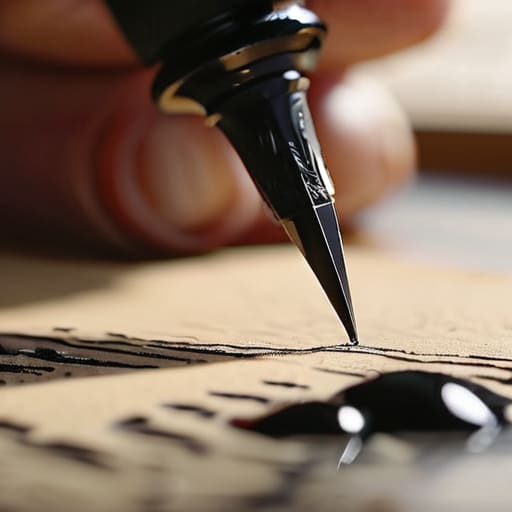
    I remember sitting in the basement of the university archives, the air thick with the scent of vanilla and decaying paper, watching a colleague meticulously transcribe a 19th-century ledger. There was no digital perfection there, just the rhythmic, scratchy sound of a nib meeting parchment. People often mistake the art of calligraphy for some high-priced, elitist pursuit requiring gold-flecked inks and fountain pens that cost more than a decent jazz record. They treat it like a performance of precision rather than what it actually is: a quiet conversation between the hand and the page.

    I’m not here to sell you on expensive kits or the hollow perfection you see on those polished social media feeds. Instead, I want to share what I’ve learned from decades of handling the written word—the grit, the ink stains on your fingers, and the meditative stillness that comes when you finally stop rushing. We are going to strip away the pretension and focus on the soul of the stroke. I’ll show you how to find your own rhythm, focusing on the slow, intentional beauty that makes a single handwritten line feel truly permanent.

    Table of Contents

    Choosing Your Companions Essential Calligraphy Tools for Beginners

    Choosing Your Companions Essential Calligraphy Tools for Beginners

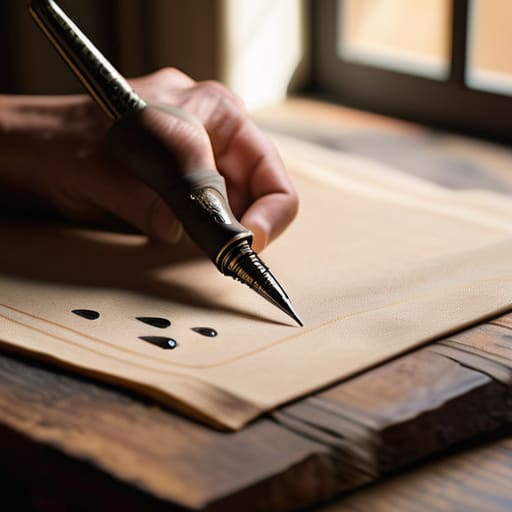
    When I first began exploring the archives, I learned that history isn’t just in the stories, but in the very instruments used to record them. For those just starting, it is tempting to rush out and buy every gadget in the shop, but I’ve found that a thoughtful selection is far more rewarding. You don’t need a museum’s worth of equipment; you simply need a few reliable calligraphy tools for beginners that feel right in your hand. I always suggest starting with a sturdy holder and a small selection of calligraphy nib types and ink that flow predictably. There is nothing quite as discouraging as a scratchy pen when you are trying to find your rhythm.

    As you settle in, you’ll find yourself deciding between different paths. Some prefer the bouncy, modern energy of brush lettering vs copperplate, which offers a more structured, disciplined elegance. Personally, I find myself drawn to the weight of a traditional nib; it demands a certain level of patience. Once you have your tools, the real magic begins—not in the perfection of the line, but in the quiet connection between your hand and the page.

    The Quiet Rhythm of Hand Lettering Techniques

    The Quiet Rhythm of Hand Lettering Techniques.

    Once you have your tools laid out on the desk, the real work begins—not with the hand, but with the breath. I’ve often found that attempting these strokes while my mind is racing is a fool’s errand; the ink will betray your restlessness. To master the rhythm, you must learn to lean into the tension between the downstroke and the upstroke. It is a delicate dance of pressure. When you press down, you feel the nib spread, releasing a generous flow of ink, but as you lift, you must maintain a lightness that feels almost weightless.

    As you settle into this cadence, you might find yourself drawn to the different personalities of various historical script styles. There is a profound difference in the soul of the work when you transition from the structured, disciplined elegance of brush lettering vs copperplate. One feels like a spirited conversation, while the other demands the quiet, unwavering precision of a scholar. I often find myself sketching out the flourishes of a letter just to see how the ink settles into the grain of the paper. It isn’t about perfection; it’s about finding that steady, meditative pulse.

    Small Lessons in Patience and Ink

    • Don’t rush the movement. I’ve learned from decades of handling fragile manuscripts that speed is the enemy of grace; let the pen glide at its own pace, following the natural rhythm of the stroke rather than fighting against it.
    • Listen to the paper. There is a subtle, tactile feedback when a nib meets a high-quality sheet—a slight resistance that tells you exactly how much pressure to apply—so pay attention to that quiet conversation between tool and surface.
    • Embrace the imperfect line. In my archives, the most beautiful documents were often those where a human hand was visible, so don’t discard a page just because a loop isn’t mathematically perfect; those tiny deviations are where the soul lives.
    • Mind your breathing. It sounds simple, almost meditative, but I find that my lines become shaky when I hold my breath; try to exhale as you pull a long downstroke to keep your hand steady and your mind calm.
    • Respect the drying time. We live in such a hurried world, but you cannot rush ink; give your work the dignity of time to settle into the fibers, or you’ll find yourself smudging away the very beauty you worked so hard to create.

    The Quiet Lessons of the Nib

    Calligraphy is less about the perfect letter and more about the discipline of slowing your breath to match the movement of your hand.

    The tools you choose—the weight of the paper, the flow of the ink—are not just supplies, but partners in a quiet, tactile conversation.

    True mastery lies in embracing the small imperfections, for it is in those slight tremors and ink blots that the human soul reveals itself.

    The Weight of a Single Stroke

    In my years among the archives, I learned that history isn’t just found in the facts we record, but in the way a hand once moved across a page—calligraphy is the quiet, stubborn refusal to let a moment pass without leaving a beautiful, intentional mark behind.

    Petra Lindgren

    The Final Stroke

    Calligraphy artist performing The Final Stroke.

    As we pull back from the ink-stained desk, I hope you see that calligraphy is far more than just a collection of tools or a series of rigid movements. We have traveled from the selection of the right nib to the rhythmic, almost meditative flow of the letters themselves. It is a journey of understanding how a specific weight of paper meets a specific flow of ink, and how your own breath dictates the pace of the pen. Remember, the goal isn’t to achieve a sterile, machine-like perfection, but to master the deliberate connection between your hand and the page. It is about embracing the slight tremors and the unique character that only a human hand can provide through intentional practice.

    In a world that seems determined to move faster every single day, I find a quiet rebellion in the act of slowing down to write a single word. There is a profound dignity in taking the time to compose something that cannot be deleted with a keystroke or rushed through a digital screen. When you finally set your pen down, let the stillness of the room settle around you. I hope you find that the beauty of calligraphy doesn’t just live in the finished script, but in the soulful pauses we take while creating it. Let your letters be a testament to the fact that some things are still worth the wait.

    Frequently Asked Questions

    How do I find the patience to keep my hand steady when the ink starts to feel heavy?

    When the ink begins to weigh on your hand, it’s usually a sign that your spirit is rushing ahead of your pen. I’ve learned that you can’t force precision; you have to invite it. When that heaviness sets in, set the nib down. Pour a glass of something slow, look at the way the light hits the grain of your desk, and breathe. The steady hand follows a steady heart.

    Is there a particular type of paper that won't let the ink bleed and ruin the moment?

    It’s a frustration I know well—that sudden, jagged bloom of ink when the paper fails you. It breaks the spell. For a smooth experience, look for something with a bit of weight and a “tooth” that holds the ink rather than swallowing it. I’ve always found that Rhodia pads or a heavy, high-quality cotton stationery work wonders. They keep the lines crisp, allowing you to focus on the stroke, not the mess.

    How can I stop worrying about perfection and just let the rhythm of the pen take over?

    You have to stop treating the page like a museum archive where every specimen must be flawless. I spent forty years preserving history, and I learned that the most beautiful things often have a slight tremor of life in them. When you feel that tension in your shoulder, set the pen down. Breathe. Don’t aim for a perfect letter; aim for the movement itself. Let the ink flow like a low jazz bassline—sometimes it wanders, but it never loses the beat.

  • Exploring the Breadth of World Music

    Exploring the Breadth of World Music

    I remember sitting in a cramped, dimly lit basement club in Chicago back in the late seventies, the air thick with the scent of old paper and spilled bourbon. I wasn’t looking for a lecture on ethnomusicology; I just wanted to feel something real. Most people today approach world music genres like they’re studying for a mid-term exam, sorting them into neat, sterile little boxes on a digital playlist. They treat these sounds like museum artifacts—static, cold, and far away. But music isn’t meant to be archived in a vacuum; it’s meant to breathe alongside you in the dark.

    I have no interest in giving you a dry, academic breakdown of every rhythmic pattern known to man. Instead, I want to guide you through the textures that actually matter—the sounds that demand you slow down and listen. We are going to bypass the pretension and look at these world music genres through the lens of human connection. I’ll share the melodies that have stayed with me long after the needle has left the record, helping you find the soul behind the sound so you can finally stop rushing and start truly hearing.

    Table of Contents

    The Slow Unfolding of Cultural Musical Traditions

    The Slow Unfolding of Cultural Musical Traditions

    When I look at a map, I don’t just see borders; I see the places where sounds have been traveling for centuries. I’ve often thought that studying the folk music evolution of a region is much like walking through an old archive—you have to peel back the layers of time to find the original heartbeat. It isn’t just about a melody; it is about how indigenous rhythmic patterns have survived the heavy hand of history, refusing to be silenced by the rush of the modern world.

    There is a certain reverence required when you sit with these sounds. You cannot simply listen to them; you have to let them settle into your bones. I find that the most profound moments occur when you notice the subtle cross-cultural musical influences that have bled into a tradition over generations, like ink spreading slowly across a parchment. It’s a slow, deliberate process of discovery. We shouldn’t be looking for the next big hit, but rather for those deep, ancestral echoes that remind us we are part of something much larger than our own fleeting moments.

    Listening to the Echoes of Folk Music Evolution

    Listening to the Echoes of Folk Music Evolution.

    There is a certain weight to a folk melody that hasn’t been polished by a studio engineer or a marketing team. When I sit in a dimly lit corner with a glass of something amber, I find myself drawn to the way a simple stringed instrument can carry the entire history of a people. This is where the true folk music evolution reveals itself—not in the sudden shifts of pop trends, but in the quiet, stubborn persistence of a song passed from hand to hand. It’s the sound of survival.

    As I trace these melodies, I see how indigenous rhythmic patterns act as a heartbeat that refuses to be silenced by modernity. You can hear the ghosts of old migrations in the way a drumbeat settles or a vocal trill rises. It isn’t just about the notes; it’s about the way these sounds have weathered time, absorbing the cracks and the triumphs of their originators. To listen closely is to realize that these aren’t just relics of the past, but living, breathing echoes that continue to shape the way we understand our place in the world.

    How to Listen Without Rushing

    • Put away the playlist for a moment. Instead of shuffling through dozens of tracks to find a “vibe,” pick a single region or genre and let it breathe. If you’re listening to West African Highlife, don’t jump to Afrobeat immediately; give the specific textures of that era time to settle in your mind.
    • Seek out the imperfections. In my years among the archives, I learned that the most beautiful records often have a bit of grit—the hiss of a tape or the slight crackle of a vinyl groove. In world music, these “flaws” are often the heartbeat of the performance, grounding the sound in a real, physical space.
    • Learn the story behind the instrument. When you hear a kora or a sitar, don’t just treat it as a melodic tool. Take a moment to look up its history. Understanding that a specific rhythm is tied to a harvest or a ritual changes how the sound sits in your chest.
    • Create a ritual for your listening. Don’t treat these genres as background noise for a chore. Dim the lights, pour something slow, and perhaps keep a notebook nearby. When you treat music as an event rather than a utility, you start to notice the nuances that others miss.
    • Follow the lineage, not the trend. If you find a sound that resonates, don’t just look for the “top hits” on a streaming service. Look for the elders of that genre. Trace the influence backward to see where the soul of the music actually resides.

    What Remains After the Music Fades

    Don’t treat world music as a mere background noise or a checklist of exotic sounds; treat it as a living archive of human experience that deserves your full, quiet attention.

    To truly understand a genre, you must look past the surface rhythm and listen for the historical shadows—the stories of migration, struggle, and joy that shaped the melody.

    Allow yourself the luxury of a slow listen, letting the unfamiliar textures settle in your mind rather than rushing to the next track, for it is in the stillness that the soul of a culture truly reveals itself.

    The Texture of a Song

    “A genre is never just a label on a record sleeve; it is the thumbprint of a people, a way of breathing through melody that tells you exactly where a heart has been and what it has survived.”

    Petra Lindgren

    The Resonance That Remains

    The Resonance That Remains in global music.

    As we have traced through these sonic landscapes, it becomes clear that world music is far more than a mere collection of rhythmic patterns or exotic scales. It is the living, breathing archive of human survival and celebration, from the ancient, steady pulse of folk traditions to the complex, layered evolutions of modern global genres. We have seen how these sounds act as vessels for history, carrying the weight of a culture’s past into the light of the present. To truly listen to these genres is to honor the hands that shaped them, recognizing that every melody is a thread in a much larger, more intricate tapestry of our shared existence.

    I often find myself sitting in the back of a dimly lit room, letting a foreign rhythm wash over me, and I realize that the distance between us is much smaller than we think. You don’t need to understand the language to feel the ache in a minor key or the joy in a sudden drum crescendo. My advice to you is simple: don’t just listen to the music; let it change your tempo. Slow down, put away the distractions, and allow these global echoes to settle into your bones. In the end, the songs that truly matter are the ones that stay with you long after the final note has faded into the night.

    Frequently Asked Questions

    How can I begin to distinguish between the authentic roots of a genre and the more commercialized versions we often hear on the radio?

    It’s a bit like looking at a restored building versus the original stone. To find the truth, you have to listen for the imperfections. Commercial tracks are often too polished, scrubbed of the very grit that gives a genre its heartbeat. Look for the “why” behind the sound. Does the rhythm feel like it’s serving a dance floor, or does it feel like it’s carrying a story? The soul is usually in the friction.

    Is there a way to listen to these rhythms without falling into the trap of treating them like mere background noise for a busy evening?

    It’s a common trap, isn’t it? We treat music like wallpaper, something to fill the silence while we scroll or scrub dishes. To truly hear these rhythms, you must grant them your presence. Put the phone in another room. Dim the lamps. Let the record spin without an agenda. If you approach a track as a conversation rather than a distraction, you’ll find it stops being noise and starts being an experience.

    Where might I find the physical records or collections that truly capture the raw, unpolished spirit of these traditional sounds?

    You won’t find that raw spirit on a polished streaming playlist. You have to go where the dust settles. I always find myself drawn to the back corners of independent record shops—the ones where the owner knows the lineage of every sleeve. If you’re feeling ambitious, seek out university archives or specialized ethnomusicology collections. There is a certain magic in holding a worn, field-recorded LP; you can almost feel the humidity of the room where it was captured.