Author: Petra Lindgren

  • Finding the Best Jazz Clubs in London

    Finding the Best Jazz Clubs in London

    I’ve spent much of my life tucked away in quiet archives, surrounded by the preserved echoes of the past, but I’ve always found that history is best felt in the present—specifically, in the low hum of a crowded room and the sudden, sharp trill of a saxophone. Lately, I’ve noticed how much of our modern life is spent in a frantic, neon-lit blur, rushing from one obligation to the next without ever truly settling into the night. We often overlook the sanctuaries where time actually seems to slow down, missing out on the soul of the city. Finding the best jazz clubs london has to offer shouldn’t feel like a chore or a race against a clock; it should feel like a homecoming to a place where the music is the only thing that matters.

    In the following pages, I want to guide you away from the tourist traps and toward the shadows where the real magic happens. I have selected five specific venues that I believe capture that rare, intentional stillness we all crave. You won’t just find a list of locations here; you will discover the corners of this city where the dim lights and deep notes stay with you long after you’ve walked back out into the street.

    Table of Contents

    The Hallowed Basement of Ronnie Scott's
    The Hallowed Basement of Ronnie Scott's.

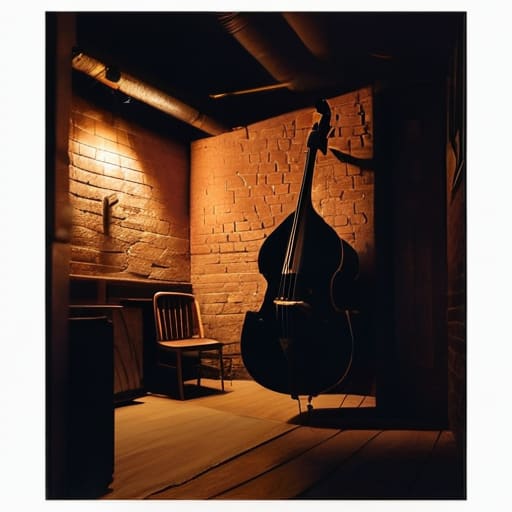
    There is a certain weight to the air when you descend those stairs in Soho. It isn’t just the lack of oxygen in a crowded room; it’s the sheer gravitas of the history etched into the walls. I’ve spent much of my life cataloging the past, and walking into Ronnie Scott’s feels like stepping into a living archive where the ghosts of Coltrane and Davis still linger in the shadows of the booths.

    Intimacy at the 606 Club
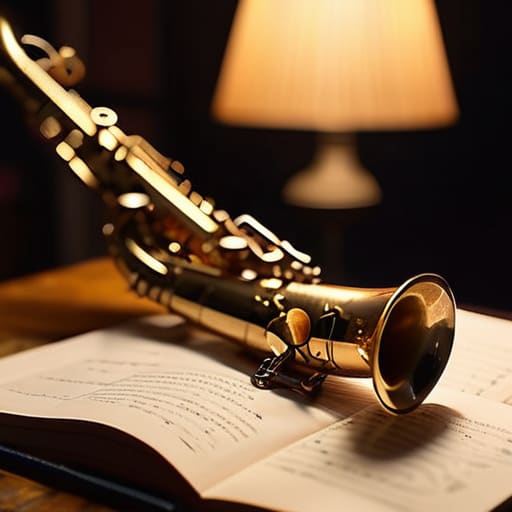
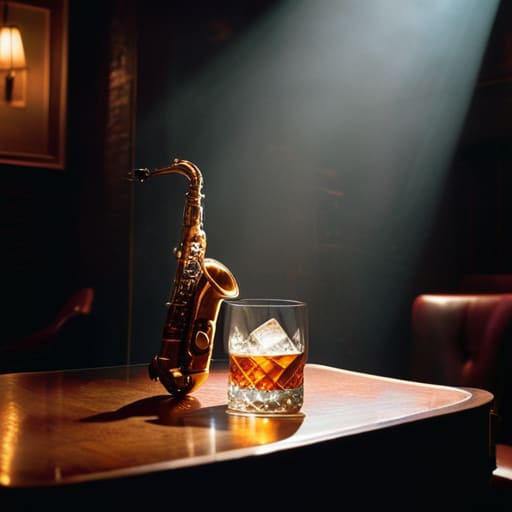
    Saxophone light showing Intimacy at the 606 Club.

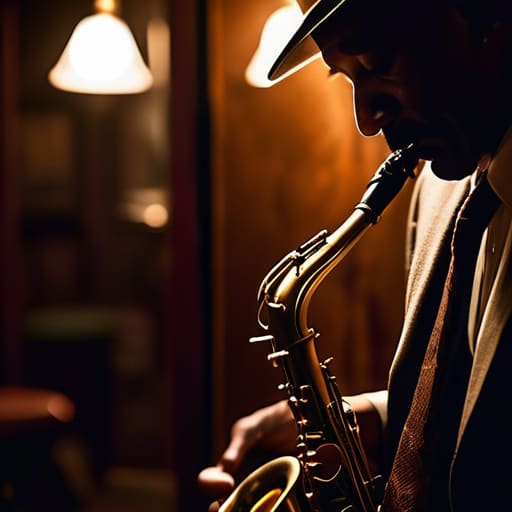
    If Ronnie’s is the grand institution, then the 606 in Chelsea feels more like a well-kept secret shared between old friends. It’s a smaller, tighter space that demands your attention, not through spectacle, but through the sheer purity of the sound. I often find myself pulling out my notebook here, not to sketch the room, but to try and capture the way the light hits the brass of a saxophone.

    The Sophisticated Echo of Wigmore Hall
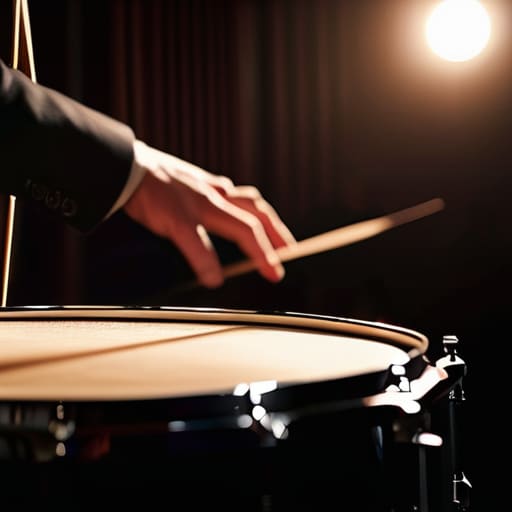
    The Sophisticated Echo of Wigmore Hall.

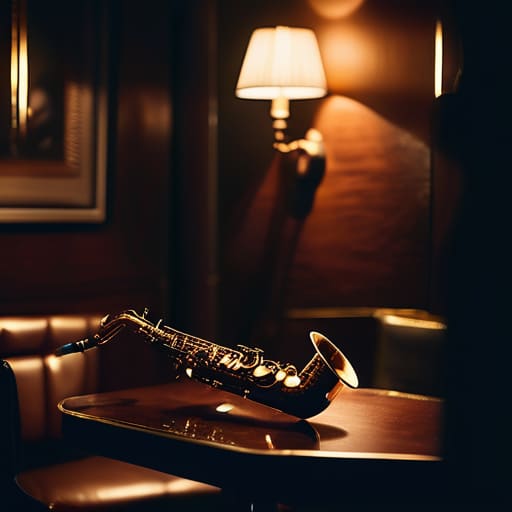
    Now, I know what you might be thinking—is a concert hall really a jazz club? Perhaps not in the traditional sense, but for those evenings when I seek a more contemplative experience, Wigmore Hall is unparalleled. The acoustics are so precise that you can hear the softest brush of a drumstick against a snare, a detail that often gets lost in the more boisterous venues.

    Hidden Grooves at Nightjar

    For those who believe that a good drink should be treated with the same respect as a good melody, Nightjar is a revelation. Tucked away and draped in a sort of velvet mystery, it feels less like a club and more like a curated dream. The decor is meticulous, leaning into that vintage aesthetic that makes you feel as though you’ve slipped through a crack in time.

    The Raw Energy of Total Refreshment

    There is a grit to some of the smaller, more experimental spots in East London that I find deeply moving. These venues don’t offer the polished comfort of a Soho establishment, but they offer something perhaps more honest: unfiltered creative energy. It is music in its most primal, evolving state, stripped of the need to please a casual passerby.

    A Few Final Thoughts Before You Step Out

    Don’t be afraid of the dark corners; the best music usually finds you in the shadows of a basement, far away from the glare of the streetlights.

    Let the tempo dictate your evening, not your phone; a true jazz club is a place to trade the rush of the city for the slow, deliberate pulse of a double bass.

    Listen for the details—the way the brass rings against the brickwork or the quiet hush between sets—because those are the moments that truly linger once you’ve returned home.

    The Soul of the City

    “You don’t go to a London jazz club to be seen; you go to disappear into the notes, to let the rhythm slow your pulse, and to remember that some things are meant to be felt, not rushed.”

    Petra Lindgren

    The Final Note

    Whether you find yourself tucked into a velvet booth at Ronnie Scott’s or catching the raw, unfiltered energy of a basement set in Soho, these spaces all share a common thread. They offer something far more valuable than mere entertainment; they provide a sanctuary from the relentless pace of the modern world. From the legendary stages that have hosted the greats to the smaller, more intimate corners where the air feels heavy with history, these clubs represent the true heartbeat of London’s cultural landscape. Each venue invites you to sit, listen, and let the rhythm guide your thoughts away from the distractions of the day.

    As you head out into the cool London night, I hope you don’t just rush to your next destination. I hope you carry the resonance of those brass notes with you, letting them linger in your mind like a well-preserved memory. We spend so much of our lives hurrying toward the next thing that we often forget to inhabit the moment we are actually in. So, take your time. Find a quiet street, listen to the city breathe, and remember that the best parts of life are often found in the pauses between the notes.

    Frequently Asked Questions

    Should I bother with a reservation, or is there still room for a bit of spontaneity in these places?

    It depends on the night you’re chasing. If you’re eyeing a marquee name on a Friday, don’t be a martyr—book a table. There’s no romance in standing awkwardly in a drafty doorway when you could be settled with a drink. But for those smaller, dimly lit corners? I often find that arriving without a plan allows the evening to unfold more naturally. Sometimes, the best seats are the ones you stumble upon by chance.

    Is there a particular dress code I should keep in mind, or can I just show up in my usual quiet attire?

    Don’t worry about being overly formal; these spaces are more about the soul than the suit. I usually stick to my usual quiet attire—a well-worn blazer or a simple sweater. Most clubs appreciate a bit of respect for the atmosphere, so avoid anything too loud or distracting. As long as you aren’t wearing neon or anything that disrupts the dim, contemplative mood, you’ll find yourself perfectly at home in the shadows.

    When is the best time of night to arrive if I want to truly soak in the atmosphere without the crowd?

    If you want to truly inhabit the space before the room fills with the restless energy of the crowd, aim to arrive about thirty minutes before the first set begins. There is a particular magic in those quiet moments—the clink of a single glass, the dimming of the lights, and the way the shadows settle into the architecture. It allows you to settle in, find your corner, and simply breathe before the music takes over.
  • Best Jazz Clubs for a Night in New York

    Best Jazz Clubs for a Night in New York

    We live in an era that seems obsessed with the frantic, the loud, and the immediate. We rush from one bright screen to another, often forgetting that the most profound moments happen when the world finally slows down. I’ve spent my life archiving the past, but I’ve learned that history isn’t just found in dusty ledgers; it lives in the breath between the notes of a saxophone. When people ask me for recommendations regarding jazz clubs nyc, they are usually looking for a place to drink, but what they are actually searching for is a way to disappear for an hour or two.

    In the following pages, I want to guide you away from the neon-soaked tourist traps and toward the sanctuaries that actually matter. I have selected five specific venues where the lighting is low, the acoustics are honest, and the music has the power to stay with you long after you’ve stepped back out onto the sidewalk. These aren’t just stops on a map; they are the places where I go to remember how to listen. Let’s find your new favorite corner of the city.

    Table of Contents

    The Blue Note’s Timeless Pulse

    The Blue Note’s Timeless Pulse atmosphere.

    There is a certain weight to the air when you step into the Blue Note. It isn’t just the history of the legends who have stood on that stage; it is the way the room seems to hold its breath just before the first note is struck. As someone who spent decades cataloging the past, I find a strange comfort in how this place refuses to change with the frantic whims of the modern world.

    Village Vanguard’s Subterranean Soul

    Village Vanguard’s Subterranean Soul in Greenwich Village.

    To find the Vanguard, you have to descend, and that descent is half the ritual. Moving down those stairs feels like leaving the noise of Greenwich Village behind and entering a sacred space reserved for the purists. I often find myself sketching the low, heavy ceilings in my notebook, marveling at how such a small, cramped basement can hold such immense, soaring sound.

    Smalls: The Heartbeat of the Village

    Smalls: The Heartbeat of the Village atmosphere.

    If the Blue Note is a monument, then Smalls is a living, breathing organism. It feels less like a commercial establishment and more like a private sanctuary for those of us who find solace in the midnight hours. The walls are thin, the lighting is unapologetically dim, and the atmosphere is thick with the scent of old wood and late-night possibilities.

    Dizzy’s Club Coca Cola’s Elevated View

    Sometimes, the soul needs a bit of perspective, and that is where Dizzy’s comes in. Perched high above the city, the view of the Midtown skyline provides a stunning backdrop, but I find the real magic is how the glittering lights outside seem to dance in sync with the brass inside. It offers a different kind of nostalgia—one that feels sophisticated and expansive.

    Smoke Jazz & Supper Club’s Elegant Hush

    There is a certain grace to Smoke that calls to the part of me that still appreciates a well-set table and a quiet corner. It is a place where the transition from a fine meal to a soulful set feels entirely natural and seamless. I often find myself lingering over a final glass of wine, watching the way the light catches the amber liquid as the quartet begins their warm-up.

    A Few Notes Before You Step Out

    Don’t go looking for the loudest room; the best music usually lives in the quietest, dimmest corners where you can actually hear the wood of the bass breathe.

    Leave the phone in your pocket and let the evening unfold at its own pace—the true magic of a jazz club is found in the details you only notice when you stop rushing.

    Treat these venues like the archives I used to tend to; they are living histories, and the best way to honor them is to show up with a quiet respect for the craft.

    The Architecture of a Moment

    “A true jazz club isn’t just a room with a stage; it is a sanctuary of shadows where the city’s frantic pulse finally slows down enough to let the melody breathe.”

    Petra Lindgren

    The Last Note Fades

    As you navigate these five corners of the city, remember that no two nights in a jazz cellar are ever truly the same. Whether you find yourself tucked into a velvet booth at a legendary institution or leaning against a brick wall in a hidden basement, the goal isn’t just to hear the music, but to feel the intention behind every improvised note. From the high-energy swing that makes the floorboards tremble to the quiet, melancholic blues that demand a moment of silence, these spaces offer a rare chance to disconnect from the relentless pace of modern life and reconnect with something much more primal and honest.

    When you finally step back out onto the sidewalk and the cool night air hits your face, I hope you carry a bit of that rhythm with you. Don’t be in such a hurry to reach your destination that you forget to appreciate the way the city sounds in the aftermath of a great set. Life is often too loud and far too fast, but these dim, smoky sanctuaries remind us that there is a profound, quiet dignity in slowing down. Go find your corner, order something slow, and let the music stay with you long after the lights come up.

    Frequently Asked Questions

    Is there a particular dress code I should keep in mind, or can I just show up in my usual walking shoes?

    Don’t worry about a tuxedo, but do leave the gym clothes at home. These clubs are sanctuaries, not transit hubs. I usually opt for a well-worn blazer or a soft sweater—something that feels respectful to the music. As for those walking shoes, keep them; you’ll want comfort when you’re leaning into a bass line. Just aim for “thoughtful casual.” You want to look like someone who arrived specifically to listen.

    Do most of these smaller basement spots require reservations, or can I wander in and find a stool if I arrive a bit late?

    It depends on the night, but I’ve learned it’s best not to gamble with your evening. For those intimate basement spots, a reservation is a wise companion—they’re small, and a good stool is a prized possession. If you’re wandering in late, you might find a corner to yourself, but you risk standing in the shadows rather than sitting in them. If you want to truly settle in, call ahead.

    Should I expect a cover charge at the door, and is it better to arrive early to secure a seat away from the speakers?

    Most of these intimate spots do require a cover charge, usually tucked into your bill or paid at the door, so keep a bit of cash handy just in case. And please, do arrive early. There is a certain grace in claiming a small table in the periphery before the room fills with noise. It allows you to settle in, watch the shadows dance, and truly listen without the music fighting you for space.