Blog

  • What to Expect at Classical Music Performances

    What to Expect at Classical Music Performances

    I remember sitting in the third row of a drafty concert hall in Ann Arbor, clutching a program that felt more like a textbook than an invitation. I was surrounded by people who seemed to be performing “appreciation” rather than actually listening—checking their watches, whispering about technical precision, and treating classical music performances like a high-stakes exam they had to pass. It felt so stiff, so terribly disconnected from the actual soul of the notes. We’ve been taught that this music belongs in a museum, preserved behind velvet ropes and hushed tones, but that’s a lie that keeps people away from something truly vital.

    I’m not here to teach you the history of the sonata or tell you which conductor is currently in vogue. Instead, I want to help you find the human heartbeat hidden within the crescendos. I promise to share my honest, unvarnished observations on how to actually sit with the sound, how to navigate the crowds, and how to let a performance settle into your bones. We aren’t looking for perfection here; we are looking for those lingering echoes that stay with you long after the final bow.

    Table of Contents

    Finding Stillness Within Diverse Musical Composition Styles

    Finding Stillness Within Diverse Musical Composition Styles

    I’ve often found that the true magic of a night at the hall isn’t found in the grand, sweeping crescendos, but in the way different musical composition styles demand our presence in different ways. When you sit through a delicate chamber piece, the silence between the notes becomes as heavy and meaningful as the sound itself. It forces a kind of quietude that our modern, buzzing lives rarely permit. You learn to breathe with the musicians, finding a strange, rhythmic peace in the tension of a slow movement.

    Then, there is the sheer, overwhelming scale of the larger instrumental ensembles. There is a specific kind of stillness to be found even in the middle of a thunderous movement—a focused, internal calm that comes from simply letting the sound wash over you without trying to categorize it. It isn’t about following the technicality of the score; it’s about the surrender. Whether it is the intimacy of a solo cello or the vastness of a full brass section, these moments teach us that stillness isn’t the absence of noise, but the presence of intention.

    The Intimacy of the Live Concert Experience

    The Intimacy of the Live Concert Experience.

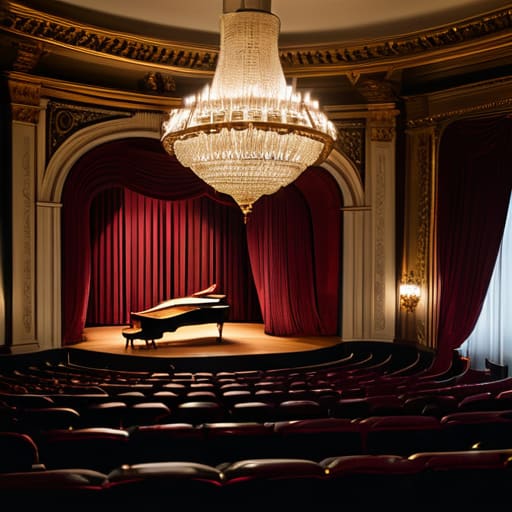
    There is a specific kind of magic that happens when you step out of the street noise and into the hushed, velvet-lined air of a concert hall. It isn’t just about the sound; it’s about the shared breath of a thousand strangers. When you are sitting there, witnessing the subtle movement of the conductor role in orchestra, you realize that a recording can never truly capture the physical weight of a crescendo. You can see the tension in a violinist’s shoulder or the way the light catches the wood of a cello. It is a visceral, living thing.

    I often find myself sketching the way the light hits the brass section during a particularly swell movement of the orchestral repertoire. In those moments, the distinction between the performer and the listener seems to blur. We aren’t just consuming art; we are participating in a ritual. Even the unspoken rules of classical music etiquette—the respectful silence, the collective intake of breath—serve to deepen that connection. It is in that stillness, that communal reverence, where the music truly begins to live inside you.

    Small Rituals for a Deeper Listen

    • Arrive early enough to sit in the silence. There is a specific, heavy kind of stillness that settles over a concert hall before the conductor takes the podium; let yourself inhabit it rather than checking your watch or scrolling through your phone.
    • Choose a seat that allows you to see the movement, not just hear the sound. I’ve always found that watching the tension in a cellist’s hands or the breath of the woodwind players adds a layer of visual poetry to the melody.
    • Resist the urge to analyze the technicality of the piece. You don’t need to know the exact year a symphony was composed to feel its weight; let the music wash over you like a memory you can’t quite place.
    • Keep your eyes closed during the quieter passages. When you strip away the visual distractions of the velvet seats and the gold leafing, the architecture of the sound becomes much more vivid in the dark.
    • Allow yourself a moment of silence after the final note fades. The true magic of a performance often lives in that breathless gap between the last vibration of the strings and the first burst of applause.

    The Echoes We Carry Home

    Don’t treat a performance like a checkbox on a to-do list; instead, allow the music to breathe and settle into your bones, finding the value in the quiet pauses between the notes.

    Seek out the small, tactile details of the venue—the grain of the wooden stage or the way the light hits the velvet seats—as these sensory layers deepen your connection to the sound.

    Remember that the true worth of a concert isn’t found in the applause, but in the lingering stillness that stays with you long after you’ve stepped back out into the rush of the city streets.

    The Weight of the Silence

    “A great performance isn’t just found in the swell of the violins, but in those heavy, breathless pauses between movements—the moments where the air in the room shifts, and for a second, you realize you aren’t just listening to music, you’re sharing a heartbeat with everyone else in the dark.”

    Petra Lindgren

    The Resonance That Remains

    The Resonance That Remains in classical music.

    As I sit here in the dim light of my study, reflecting on the layers we’ve discussed, I’m reminded that classical music is far more than just a collection of notes on a page. It is the way a composition can shift from a turbulent storm to a moment of profound, breathless stillness, and how the shared energy of a concert hall can make a room full of strangers feel like a single, living entity. Whether we are navigating the complex architecture of a symphony or simply sitting in the quiet intimacy of a solo recital, these performances demand something of us: our presence. They ask us to stop looking at our watches and start listening with our whole selves, finding the thread that connects the composer’s intent to our own lived experiences.

    Ultimately, the true value of these performances isn’t found in the applause or the technical perfection of the players, but in the lingering echoes they leave in our minds once we step back out into the night air. I have found that the most beautiful melodies are the ones that stay with you, haunting your thoughts during a quiet walk home or a slow morning coffee. Don’t be afraid to seek out these moments of grandeur and grace. In a world that seems determined to move faster every single day, let the music be your reason to slow down and simply be.

    Frequently Asked Questions

    How do I find my footing in a concert hall without feeling like I’m breaking some unspoken rule of etiquette?

    I’ve sat in those velvet seats many times, feeling that same prickle of self-consciousness. My advice? Stop worrying about the “rules” and start listening to the room. If you aren’t sure when to clap, simply wait for the conductor to lower their baton and let the silence settle first. Most people are just as focused on the music as you are. Just be present, be quiet, and let the sound carry you.

    Is there a way to truly listen to a symphony when my mind keeps drifting back to the rush of the day?

    I understand that feeling well; my mind used to race just as fast. When the day’s clutter feels too loud, try arriving early to sit in the dim light of the hall before the conductor even takes the stage. Don’t fight the drifting thoughts—just acknowledge them, then gently pull your focus back to a single instrument. Find one violin or one cello, and follow its melody like a thread through the noise.

    Where can one find those smaller, more intimate chamber music settings that feel less like a spectacle and more like a conversation?

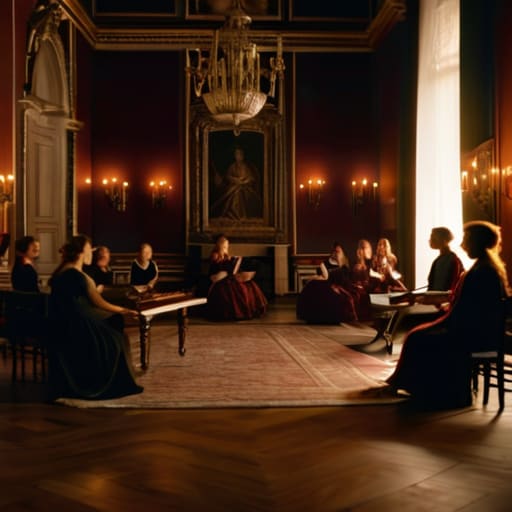
    You won’t find those moments in the grand, gilded halls of the city’s major symphonies. Instead, keep an eye on the smaller university recital rooms or even the back parlors of local historical societies. I often find the most profound connections in basement jazz clubs that host occasional string quartets, or tucked-away libraries where the acoustics are softened by old books. Look for the “salon” style gatherings; that’s where the music truly begins to speak.

  • Biographies of Musicians That Shaped Culture

    Biographies of Musicians That Shaped Culture

    I was sitting in a dusty corner of the university archives last Tuesday, surrounded by the scent of aging paper and vanilla, when I realized how much we miss when we rush. Most people approach the biographies of musicians as if they are checking items off a grocery list—looking for dates, chart positions, and the usual polished tales of sudden stardom. They treat these lives like data points to be consumed and discarded. But I’ve always found that the real truth doesn’t live in a list of accolades; it’s tucked away in the quiet, messy spaces between the notes, in the struggles that never made the press releases.

    I’m not here to give you a dry recitation of facts you could find on a Wikipedia page in thirty seconds. Instead, I want to guide you toward the stories that actually linger in the mind long after the record stops spinning. I promise to share my perspective on which books truly capture the human soul behind the melody and which ones are just hollow marketing. We are going to look for the grit, the heartbreak, and the unvarnished reality of the artists who taught us how to feel.

    Table of Contents

    Celebrity Musician Memoirs That Linger in the Dark

    Celebrity Musician Memoirs That Linger in the Dark

    There is a specific kind of magic found in reading celebrity musician memoirs late at night, when the rest of the world has finally gone quiet. It isn’t about the polished veneer you see on a stage under bright spotlights; it is about the cracks in the foundation. When I sit down with a well-worn autobiography, I am looking for those behind the music stories that the press missed—the quiet moments of doubt in a recording studio or the way a melody felt when it first arrived in a fever dream.

    I often find myself returning to these accounts to trace a particular musical evolution and legacy that transcends mere fame. Take, for instance, the way a songwriter describes the weight of a single lyric. It isn’t just trivia; it’s a window into the human condition. These pages offer more than just a timeline of hits; they provide a map of the soul. We aren’t just reading about stars; we are witnessing the beautiful, messy process of creation that leaves us feeling a little less alone in the dark.

    Behind the Music Stories We Often Overlook

    Behind the Music Stories We Often Overlook

    Sometimes, the most profound truths aren’t found in the glossy, hardbound accounts of superstars, but in the quiet spaces between the notes. I often find myself leaning more toward the behind the music stories that focus on the session players, the songwriters in the shadows, or the poets who never quite made it to the stadium lights. These accounts offer a different kind of truth—one that isn’t polished for public consumption but feels raw and deeply human.

    When I dig through old collections, I’m less interested in the statistics of a tour and more drawn to the musical evolution and legacy of those who shaped the sound of a generation from the periphery. There is a certain ache in reading about a composer who labored in solitude, or a lyricist whose words changed the world while they remained entirely unknown. These aren’t just entries in a catalog; they are the ghosts in the machine. To truly understand the history of a melody, we must look past the bright lights and find the hands that actually built the stage.

    How to Listen Between the Lines: Finding the Truth in a Life Story

    • Look past the polished prose. A great biography shouldn’t just tell you what happened on stage; it should tell you what the artist was feeling in the quiet, lonely hours of a tour bus at 3:00 AM.
    • Seek out the contradictions. If a musician sounds too perfect, they’ve likely left out the parts that actually matter. I find the most beauty in the accounts that admit to the mistakes, the missed notes, and the broken rhythms of a real life.
    • Cross-reference the shadows. As an archivist, I can tell you that one person’s truth is often another’s fiction. Read the memoirs alongside the journals or contemporary news reports to see where the legend ends and the human begins.
    • Pay attention to the setting, not just the sound. A biography that describes the smoky atmosphere of a basement club or the specific way the light hit a recording studio tells you more about the music than a list of chart positions ever could.
    • Read for the silence. Don’t just hunt for the scandals or the triumphs. The most profound insights often lie in the gaps—the things the artist was too afraid to write down, or the moments of stillness that shaped their entire sound.

    What Remains When the Music Stops

    Look past the polished stage personas and seek out the stories that reveal the quiet, human struggles behind the melody.

    A good biography shouldn’t just be a timeline of hits; it should feel like a conversation in a dim room, offering a glimpse into the soul of the era.

    Use these accounts not just to learn about fame, but to find reflections of our own search for meaning through the rhythm of a life well-lived.

    Beyond the Liner Notes

    A good biography isn’t just a collection of dates and chart positions; it’s the map of a person’s ghosts. It’s about finding those quiet, bruised moments between the applause where the real music actually happens.

    Petra Lindgren

    The Echoes That Remain

    Biographies titled The Echoes That Remain.

    As we close these pages, I find myself thinking less about the dates on a timeline and more about the heavy, beautiful weight of a life lived through sound. We’ve wandered through the polished memoirs of those in the spotlight and brushed against the quieter, more shadowed stories of the musicians who operated just out of view. Whether it is a grand autobiography or a dusty, forgotten account of a session musician, these biographies serve as more than just historical records; they are maps of the human spirit. They remind us that behind every iconic melody or sudden crescendo, there was a person navigating the same messy, complicated world we inhabit, searching for something meaningful to leave behind.

    So, as you head out into your own evening, I hope you don’t just rush toward the next destination. Take a moment to listen—not just to the music playing in the background, but to the stories that settle in the quiet spaces between the notes. Pick up a book that promises to tell you a truth, even if it’s a painful one, and let it sit with you. In a world that is constantly demanding we move faster, there is a profound, quiet rebellion in slowing down to truly understand the souls who shaped our culture. Let the music linger, and let the stories stay with you long after the lights go up.

    Frequently Asked Questions

    How can I tell the difference between a musician's true reflections and the polished version they want the world to see?

    You have to look for the cracks. A polished memoir is often just a press release bound in leather, designed to protect a legacy. To find the truth, look for the moments where the rhythm breaks—the unexpected pauses, the admissions of shame, or the details that don’t serve their “brand.” The truth isn’t in the triumphant stadium solos; it’s in the quiet, messy descriptions of the lonely hours between the notes.

    Are there specific biographies that capture the atmosphere of a certain era better than a history textbook ever could?

    Textbooks give you the dates and the names, but they rarely give you the smell of the smoke or the tension in the air before a set. If you want to feel the grit of the 1950s jazz scene, pick up something like Nat King Cole’s memoirs. It’s not just a timeline; it’s the texture of a world that felt much larger, and much more fragile, than any history book could ever convey.

    Which lesser-known artists have written accounts that reveal the real grit behind the glamour of the stage?

    If you’re looking to peel back the velvet curtain, look toward the fringes. I’ve always found more truth in the memoirs of bluesmen and jazz sidemen than in the polished tales of superstars. Look for accounts by folks like Sister Rosetta Tharpe or the gritty, unsung chronicles of session musicians. They don’t write about the fame; they write about the long drives, the smoky basement clubs, and the sheer, exhausting grit it takes to keep the music playing.

  • The Significance of Independent Film Festivals

    The Significance of Independent Film Festivals

    I remember sitting in a cramped, velvet-seated theater in a basement in Ann Arbor, the air smelling faintly of old dust and spilled popcorn. There was no red carpet, no flashing lights, and certainly no celebrity handlers—just the low hum of a projector and the collective breath of a crowd waiting to see something real. That is the true soul of indie film festivals, a feeling that seems to be getting lost under the weight of modern marketing and overpriced VIP passes. We’ve turned these celebrations of raw storytelling into polished, high-priced spectacles, forgetting that the magic usually happens in the shadows, not the spotlights.

    I’m not here to give you a glossy guide to the most expensive screenings or the trendiest after-parties. Instead, I want to help you navigate these festivals with a bit more intentionality. I’ll share what I’ve learned from years of seeking out the quiet corners of the arts, focusing on how to find the films that actually linger in your mind long after the credits roll. Let’s skip the hype and find the stories that are actually worth your evening.

    Table of Contents

    Finding Meaning in Cinematography and Storytelling

    Finding Meaning in Cinematography and Storytelling.

    There is a particular kind of stillness that settles over a room when a film truly begins to breathe. Unlike the polished, loud spectacle of a summer blockbuster, these smaller works rely on the delicate interplay of cinematography and storytelling to hold your gaze. I often find myself leaning forward in my seat, not because of a sudden explosion, but because of the way a single shadow falls across a character’s face or the intentional rhythm of a long, unbroken shot. It is in these quiet, unhurried moments that the real soul of a story resides.

    Watching these films feels like peering into a private journal. You aren’t just a spectator; you are a witness to a specific, unfiltered vision. By supporting underground cinema, we aren’t just consuming content—we are participating in a cultural exchange that honors the human condition in all its messy, unscripted glory. It’s a reminder that the most profound truths don’t need a massive budget to be felt; they just need a lens that isn’t afraid to look closely at the details we usually rush past.

    A Soulful Film Festival Circuit Guide

    A Soulful Film Festival Circuit Guide.

    If you’re looking to navigate the landscape, don’t treat it like a checklist of cities to conquer. Instead, think of it as a map of quiet, intentional gatherings. When I look for my next destination, I look for those smaller, regional hubs that prioritize intimacy over spectacle. These venues often serve as the primary heartbeat for supporting underground cinema, offering a space where the air feels thick with anticipation rather than the polished, hollow sheen of a Hollywood premiere. It’s in these smaller rooms that you truly feel the pulse of a new movement.

    As you plan your journey, keep an eye on the shifting arthouse cinema trends that define each season. Some festivals lean into the avant-garde, while others celebrate the grit of neo-realism. I find that the most rewarding experiences come from following the trail of emerging filmmakers who aren’t afraid to break the rules of traditional structure. It isn’t about seeing the most films; it’s about finding the one that makes the room go silent, leaving you with something to ponder long after you’ve stepped back out into the cool night air.

    Small Notes for a Slower Cinema Experience

    • Don’t chase the marquee names. The real magic usually happens in the smallest screening rooms, where the air feels heavy with anticipation and the film is something no one has ever heard of before.
    • Bring a physical notebook. There is something about the scratch of a pen on paper that helps you process a scene much better than a digital note ever could; I find it helps me remember the lighting long after the credits roll.
    • Embrace the silence of the crowd. In an age of constant noise, there is a profound, shared intimacy in sitting with strangers in a dark room, all of us breathing in sync as a story unfolds.
    • Stay for the Q&A, even if you’re tired. These are the moments where the art becomes human—where you hear the director speak about their struggles and realize that every frame was a labor of love.
    • Treat the festival like a ritual, not a checklist. Don’t rush from one screening to the next just to say you saw them; find a quiet corner, a good cup of coffee, and let the atmosphere of the festival settle into your bones.

    The Quiet Lessons of the Festival Circuit

    Don’t just watch the film; let the atmosphere settle. The magic of an indie festival isn’t just on the screen, but in the hum of the lobby and the shared silence of a crowd that actually cares about the story.

    Seek out the small, local screenings over the massive, commercial ones. It’s in those cramped, dimly lit independent theaters where you find the real heartbeat of cinema and the stories that stick to your ribs.

    Treat the experience as a slow ritual rather than a checklist. The goal isn’t to see every movie on the program, but to find the one film that makes you want to sit in a quiet corner afterward and just… think.

    The Texture of the Frame

    “A big-budget spectacle is designed to overwhelm you, but an indie film? That’s designed to meet you where you are. It’s in those quiet, unpolished moments—a flicker of light in a dark room or a silence that lingers just a second too long—that you actually find a piece of yourself reflected back.”

    Petra Lindgren

    The Afterglow of the Screen

    The Afterglow of the Screen at cinema.

    As the credits roll and the house lights slowly rise, you realize that an indie film festival is about much more than just a series of screenings. It is a deliberate gathering of stories that refuse to be polished away by a studio machine. We have looked at how the raw texture of cinematography can stir the soul and how choosing the right circuit can turn a weekend into a true cultural pilgrimage. Whether it is the way a single, unadorned shot lingers on a character’s face or the shared silence of a room full of strangers, these moments are the connective tissue of our shared human experience. It is in these small, unscripted details that we find the true heartbeat of cinema.

    I often find myself sitting in a darkened theater long after the film has ended, just letting the echoes settle. In a world that demands we move faster and consume more, there is a quiet rebellion in sitting still and truly witnessing someone else’s vision. Don’t just go to a festival to check a box or see what’s trending; go to be moved, to be challenged, and perhaps even to be a little bit lost. Let the films stay with you like a well-worn melody on a vintage record. After all, the most important part of the evening isn’t the movie itself, but the lingering shadow it leaves on your mind.

    Frequently Asked Questions

    How do I find the smaller, more intimate festivals that aren't overwhelmed by the industry crowds?

    You have to look past the glossy brochures. The big names are for the suits and the networking; I prefer the festivals tucked into university towns or coastal villages. Look for those listed in niche film journals or local arts councils rather than the major industry calendars. Often, it’s the ones with a modest website and a handful of local sponsors that offer the most honest connection between the screen and the soul.

    Is it worth attending these festivals alone, or is there a certain magic to experiencing them in a group?

    There is a particular kind of grace in going alone. I’ve often found that sitting in a darkened theater by myself allows the film to settle into my bones without the distraction of whispered commentary. You become a silent observer, much like when I’m archiving old records. However, there is a different, communal magic in the lobby afterward—that shared, electric hum of strangers debating a scene. Both have their place; it just depends on how much you want to talk.

    How can I best prepare myself to truly appreciate the pacing and nuance of independent films without feeling rushed?

    It’s about setting the stage before the projector even hums to life. Don’t treat a screening like a task to be checked off. Arrive early, find a seat where the light hits just right, and perhaps sit with a notebook for a moment. Most importantly, leave your phone in your pocket. To catch the nuance, you have to give the film your stillness. Let the silence settle in first.

  • Why Vinyl Records Still Matter

    Why Vinyl Records Still Matter

    I remember sitting on the floor of my first apartment in Ann Arbor, the air thick with the scent of old paper and floor wax, waiting for the exact moment the needle found its groove. There was no “skip” button, no algorithm nudging me toward a catchy chorus, and certainly no way to listen while multitasking through a chore. You had to actually be there. To me, vinyl records were never about achieving some sterile, high-fidelity perfection that audiophiles argue about in expensive forums; they were about the tactile ritual of pulling a sleeve from the shelf and letting the crackle of the wax signal that the world was finally slowing down.

    I’m not here to sell you on a thousand-dollar turntable or convince you that digital music is a hollow lie. Instead, I want to share what I’ve learned from forty years of preserving history and a lifetime of listening. I’ll guide you through the honest, unpretentious joy of building a collection that actually means something to you. We aren’t chasing trends here; we are looking for those rare, resonant pieces of music that stay with you long after the room goes silent.

    Table of Contents

    Finding the Soul in Analog vs Digital Sound Quality

    Finding the Soul in Analog vs Digital Sound Quality.

    I often find myself sitting in my study, comparing the clinical perfection of a digital stream to the warm, textured breath of a spinning disc. Digital files are undeniably efficient—they are clean, precise, and utterly convenient—but they often lack the human imperfections that make music feel alive. When we discuss analog vs digital sound quality, we aren’t just talking about frequencies or bitrates; we are talking about the presence of air in the room. A digital file is a mathematical representation of a song, whereas a record is a physical manifestation of it.

    There is a subtle, rhythmic heartbeat found in the slight crackle of a groove that digital formats simply cannot replicate. It’s that warmth, that slight “roundness” to the mid-tones, that makes a jazz trumpet feel like it’s standing right there in the corner of your room. To truly capture this, one needs to move beyond basic gear and consider the best hi-fi audio setups that respect the medium. It isn’t about chasing the highest numbers on a spec sheet; it’s about finding a sound that feels like a conversation rather than a broadcast.

    A Record Player Setup Guide for Quiet Evenings

    A Record Player Setup Guide for Quiet Evenings

    When I first started building my own corner for listening, I realized it wasn’t about chasing the most expensive gear, but about creating a space that invited stillness. A proper record player setup guide doesn’t need to be a manual for an engineer; it’s more like setting a table for a guest. You want a sturdy, level surface—something that won’t vibrate when the bass begins to swell—and a turntable that feels intentional. I always tell people to focus on the connection between the stylus and the groove. If you aren’t sure about the clarity of your sound, a simple phonograph needle replacement can often breathe new life into a dusty old pressing, making it feel as though the artist is standing right there in the room with you.

    Once you have your components, the real magic lies in the placement. I prefer to keep my speakers at ear level, spaced just enough to let the soundstage breathe. It’s a slow process of trial and error, much like my old work in the archives, but the reward is a sense of immersion that no smartphone speaker could ever replicate. It’s about finding that perfect equilibrium where the equipment disappears and only the music remains.

    Small Rituals for a Long-Lasting Collection

    • Treat your sleeves with respect; a simple paper inner sleeve can prevent the kind of surface noise that ruins a quiet moment, and it keeps the edges from fraying over the years.
    • Mind the dust, for it is the enemy of clarity; a soft carbon fiber brush should become as much a part of your evening ritual as pouring a glass of something smooth.
    • Don’t rush the selection process; instead of scrolling through a digital library, let yourself wander through the crates, feeling the weight of the jackets and letting the art guide your ears.
    • Watch your hands, not just the needle; the oils from our skin are a quiet thief of sound quality, so try to handle your records only by the outer edges.
    • Listen to the whole side, not just the hits; there is a narrative arc to an album that you only truly appreciate when you commit to sitting still until the final groove fades into silence.

    The Small Joys of a Slow Evening

    Don’t chase perfection; instead, embrace the warmth and the slight, human imperfections that make analog sound feel alive.

    View your record player not as a piece of technology, but as an invitation to sit still and reclaim your time.

    Let the ritual of the needle and the sleeve become a necessary pause in a world that is far too hurried.

    The Weight of a Moment

    A digital file is a ghost that vanishes the moment you click away, but a record is a physical commitment; it demands you sit, it asks for your patience, and in return, it gives you a piece of its soul.

    Petra Lindgren

    The Last Note Fades

    Vinyl record player: The Last Note Fades.

    As I sit here in my study, looking over my notes, I’m reminded that choosing vinyl isn’t merely about the pursuit of a specific frequency or the technicalities of a turntable setup. It is about the intentionality of the experience. We have discussed how the warmth of analog captures a tangible human presence that digital files often strip away, and how a dedicated listening space allows us to truly inhabit the music. By moving away from the convenience of a shuffle button and toward the deliberate act of placing a needle on a groove, we reclaim our attention from the frantic pace of the modern world. It is a commitment to noticing the details that most people simply rush past.

    Ultimately, my hope is that you don’t just view records as objects to be collected and shelved, but as invitations to slow down. There is a profound, quiet dignity in a room lit only by a lamp, where the only thing that matters is the swell of a saxophone or the crackle of a well-loved pressing. In a world that demands we move faster every single day, I find that the most radical thing we can do is choose to linger. So, find a piece of music that speaks to your soul, let the lights dim, and allow yourself the luxury of a slow, intentional evening.

    Frequently Asked Questions

    How do I know if a vintage record is still worth buying, or if it’s just a beautiful piece of history that’s too scratched to play?

    I’ve spent many afternoons hunched over crates in dusty shops, and I’ll tell you this: don’t let a pretty sleeve fool you. Before you commit, hold the disc up to the light. You’re looking for deep, rhythmic scratches—the kind that feel like a canyon under your fingernail—rather than just light surface scuffs. If the grooves look truly wounded, keep it for the shelf. But if it’s just a bit of dullness, it’s often worth the rescue.

    Is it possible to start a collection without spending a fortune on high-end equipment right away?

    Oh, absolutely. Please, don’t let the price tags of high-end audiophile gear intimidate you. I remember my first setup; it was nothing more than a modest, secondhand turntable and a pair of modest speakers, but it felt like a cathedral. Start small. Find a reliable, entry-level player and focus your energy on the hunt for records. The music is the heartbeat; the equipment is just the vessel. Build your library first.

    What is the best way to care for these old discs so they actually last another forty years?

    Treat them with the same reverence you’d give a rare manuscript. First, never touch the grooves; those oils from your skin are silent killers. Invest in a decent carbon fiber brush to sweep away the dust before every play, and keep your discs in anti-static sleeves. If you find a real treasure, a wet cleaning is worth the effort. It’s a bit of a ritual, I know, but it ensures the music stays alive.

  • How to Host a Memorable Dinner Party

    How to Host a Memorable Dinner Party

    I remember sitting in a dimly lit basement jazz club in Chicago decades ago, the air thick with the scent of old wood and expensive bourbon, watching a man host a small gathering around a single, flickering candle. There was no frantic plating of microgreens or a frantic countdown to a perfectly timed soufflé; there was only the steady rhythm of conversation and the warm hum of a Miles Davis record. Somewhere along the way, we lost that. We’ve been told that learning how to host dinner party successfully requires a degree in culinary arts and a budget that would make a museum curator blush. We treat these evenings like high-stakes performances rather than the quiet, human connections they are meant to be.

    I have no interest in teaching you how to perform for your guests. Instead, I want to show you how to curate an atmosphere where people actually feel permitted to linger. My goal is to share the practical, unvarnished ways you can master the art of the slow evening—focusing on the lighting, the soundtrack, and the pacing—so that the night stays with your guests long after the last glass is emptied.

    Table of Contents

    Intentional Dinner Party Menu Planning for Lasting Memories

    Intentional Dinner Party Menu Planning for Lasting Memories

    When I was working in the archives, I learned that the most profound stories aren’t found in the grand gestures, but in the quiet, well-preserved details. The same applies to your kitchen. When it comes to dinner party menu planning, I’ve found that the greatest mistake is attempting a menu that demands your constant presence at the stove. If you are stuck in the kitchen, you aren’t at the table, and the evening loses its rhythm. Instead, aim for dishes that can be prepared in advance—things that benefit from a little time to settle, much like a good jazz record.

    Focus on textures and warmth rather than complexity. A slow-braised ragu or a seasonal tart can be prepared hours before your guests arrive, allowing you to focus on the art of connection rather than the stress of timing. When entertaining guests at home, remember that a menu should feel like a continuous, gentle conversation. Choose flavors that complement one another without shouting, creating a culinary backdrop that invites people to linger over their wine and let the hours slip away unnoticed.

    Small Gatherings and the Magic of Dim Lights

    Small Gatherings and the Magic of Dim Lights

    There is a certain alchemy that happens when the overhead lights are finally clicked off. In my years spent cataloging the quiet corners of city archives, I’ve learned that clarity isn’t always found in bright illumination; sometimes, the most profound truths emerge in the shadows. When you are hosting small gatherings, the light you choose dictates the rhythm of the conversation. Harsh, clinical lighting forces people to stay alert and perform, but a few well-placed candles or a low-wattage lamp invite them to lean in. It creates a sanctuary where the outside world—and its relentless pace—simply ceases to exist.

    As you move through your dinner party preparation checklist, I urge you to treat lighting not as an afterthought, but as a primary guest. It is the invisible thread that weaves the evening together. I often find myself sketching the way light hits a linen tablecloth or a half-empty wine glass, noting how the soft glow softens the edges of the room. By prioritizing a dim, amber atmosphere, you aren’t just decorating; you are signaling to your friends that it is finally safe to slow down and stay a while.

    The Subtle Details That Keep the Evening Alive

    • Curate a sonic backdrop. I never host without a record spinning; the crackle of a vintage jazz pressing does more to set a relaxed mood than any high-tech speaker ever could.
    • Choose tactile textures. There is a quiet joy in the weight of a linen napkin or the cool surface of a ceramic plate; these small, physical sensations ground your guests in the moment.
    • Embrace the beauty of imperfection. Don’t stress over matching sets; a mismatched collection of vintage glassware often tells a much better story and makes the room feel lived-in rather than staged.
    • Mind the flow of conversation. Arrange your seating to encourage intimacy rather than a formal line; sometimes a slight shift in chair placement can turn a polite gathering into a deep, meaningful connection.
    • Leave room for the unplanned. The best part of a night is often the hour spent lingering over coffee long after the plates are cleared; don’t be so focused on the schedule that you forget to let the evening breathe.

    The Essence of a Night Well Spent

    Prioritize the atmosphere over the perfection of the plate; a warm glow and a soft melody will always do more for your guests than a complicated dish that keeps you stuck in the kitchen.

    Curate your evening with intention, choosing elements like vintage vinyl or thoughtful conversation starters that encourage people to linger and truly settle into the moment.

    Remember that the most successful gatherings aren’t about grand gestures, but about the quiet details—the way the light hits the table and the slow, unhurried rhythm of a night that refuses to rush.

    The Soul of the Table

    A dinner party shouldn’t feel like an item checked off a list; it should feel like a soft landing. When you stop worrying about the perfect centerpiece and start focusing on the warmth of the light and the rhythm of the conversation, that is when the evening truly begins to live.

    Petra Lindgren

    The Last Note of the Evening

    The Last Note of the Evening atmosphere.

    As the evening begins to wind down and the last of the wine is poured, I find that the most successful gatherings aren’t defined by the complexity of the menu or the perfection of the table setting. Instead, they are built upon the intentionality of the atmosphere—the way the light hits the glassware, the warmth of a well-chosen record, and the way a thoughtfully planned meal allows conversation to breathe. By focusing on these small, sensory details rather than the stress of flawless execution, you transform a simple dinner into a curated experience that guests can actually feel. It is about creating a space where the rhythm of the night dictates the pace, not the clock on the wall.

    Ultimately, my time spent in dusty archives has taught me that the things we preserve are rarely the grand gestures; they are the quiet, textured moments that linger in our minds. When you host, don’t aim for a spectacle. Aim for a pause in the chaos. Aim to give your friends a reason to sit a little longer, to speak a little softer, and to truly notice one another. If you can manage to pull your guests out of their rushing lives and into a slow, dim-lit sanctuary for just a few hours, then you haven’t just hosted a dinner party—you have crafted a memory that will endure long after the candles have burned down to the wick.

    Frequently Asked Questions

    How do I select a record or playlist that complements the conversation without overpowering it?

    The secret is to treat music like a soft-focus lens, not the main subject. I always look for something textural—think Miles Davis’s Kind of Blue or some mellow Bossa Nova. You want melodies that fill the gaps between sentences without demanding attention. If you find yourself leaning in to hear a lyric, the volume is too high or the track is too busy. Aim for a steady, rhythmic hum that lets the voices breathe.

    What are some simple ways to set a thoughtful table without it feeling overly formal or stiff?

    Don’t reach for the heavy silver or those stiff, starched linens that make a guest feel like they’re under inspection. Instead, think of the table as a canvas for connection. A few mismatched ceramic plates, some sprigs of rosemary tucked into a linen napkin, or even a handful of smooth stones from a walk can ground the space. It’s about texture and warmth—creating a setting that invites people to lean in, rather than sit up straight.

    How can I balance being a gracious host with actually sitting down to enjoy the meal and the company?

    The secret is to stop treating the evening like a performance and start treating it like a shared experience. I’ve learned that if you try to orchestrate every single detail in real-time, you’ll end up stuck in the kitchen while the soul of the party happens in the dining room. Prepare what you can ahead of time—the braises, the salads, the music. When the guests arrive, your only job is to be present. A slightly imperfect meal served with a relaxed host is far more memorable than a perfect one served by a stranger.

  • Finding Good Indie Rock Concerts Near You

    Finding Good Indie Rock Concerts Near You

    I remember sitting in the back of a cramped, velvet-draped basement in Ann Arbor last autumn, the air thick with the scent of damp brick and stale clove cigarettes. There wasn’t a single flashing LED screen or a choreographed light show in sight; instead, there was just the raw, unpolished vibration of a bass guitar thrumming through the floorboards. That is the true essence of indie rock concerts—it isn’t about the polished production or the social media frenzy, but about that singular, visceral connection between a performer and a room full of strangers sharing a moment of quiet intensity.

    I have no interest in telling you which bands are trending on a playlist or which venues have the best cocktail menus. Instead, I want to guide you toward the soul of the scene. I promise to share my observations on how to find those rare, unhurried evenings where the music actually stays with you. We will look past the hype to find the authentic spaces where the melodies linger long after the house lights come up, ensuring your next night out is something truly worth remembering.

    Table of Contents

    Tracing the Pulse of the Underground Music Scene

    Tracing the Pulse of the Underground Music Scene

    Tracing the Pulse of the Underground Music Scene

    I’ve always found that the most honest stories aren’t kept in the polished archives I used to manage, but in the cramped, dimly lit corners of the underground music scene. There is a specific kind of electricity found in those small, unpretentious live music venues—the kind where the floorboards vibrate under your feet and the air feels heavy with anticipation. You aren’t there for the spectacle or the high-definition screens; you are there to witness the raw, unvarnished moment when a melody first takes shape.

    As I sit in the back, sketching the jagged lines of a brick wall or the silhouette of a drum kit, I find myself looking for more than just a melody. I’m looking for that sense of community that only exists when an indie band lineup feels less like a scheduled set and more like a shared secret. Whether it’s a local basement show or tracking down far-flung indie rock tour dates, the goal remains the same: to find those rare, fleeting instances where the music stops being mere sound and starts becoming something you can actually feel in your bones.
    The Quiet Magic of Intimate Live Music Venues

    The Quiet Magic of Intimate Live Music Venues.

    There is a particular kind of alchemy that happens in a room no larger than a living room. When you step into these smaller live music venues, the air feels different—thicker, perhaps, with anticipation and the faint scent of aged wood and spilled spirits. Unlike the sprawling, sterile arenas where the performers feel like distant deities, these spaces demand a certain proximity. You aren’t just an observer; you are part of the room’s breathing architecture. I often find myself sitting in the back, sketching the way the amber light catches the dust motes, realizing that the true connection isn’t found in the volume, but in the shared silence between songs.

    It is in these cramped, dimly lit corners that you truly witness the soul of an indie band lineup. There is no pyrotechnic distraction here, only the raw, unvarnished honesty of a melody. You see the drummer’s focused brow and the guitarist’s calloused fingers, making the music feel less like a product and more like a confession shared in private. When the set ends and the ringing in your ears begins to fade, you realize you haven’t just heard a performance; you’ve been a witness to something fleeting and profoundly human.

    A Few Notes on How to Truly Listen

    • Leave the phone in your pocket. There is a certain tragedy in watching a masterpiece through a five-inch glowing screen; try to let the music settle in your bones instead of your cloud storage.
    • Arrive early, but not too early. There is a specific, restless energy in a room just as the house lights begin to dim—a shared anticipation among strangers that you won’t catch if you’re rushing in mid-set.
    • Seek out the smaller stages. The grand arenas have their spectacle, certainly, but the soul of indie rock lives in the cramped, low-ceilinged rooms where you can practically feel the vibration of the bass in your own chest.
    • Watch the hands of the musicians. I’ve spent a lifetime looking at details, and there is something profoundly moving about watching a guitarist navigate a difficult bridge or a drummer find a subtle, syncopated rhythm in the shadows.
    • Don’t be afraid of the silence between songs. In those brief, quiet moments when the feedback dies down and the room holds its breath, you can hear the true character of the venue and the collective heartbeat of the crowd.

    The Afterglow of a Shared Note

    It isn’t about the scale of the stage, but the closeness of the connection; the most profound music happens when the barrier between the performer and the listener simply dissolves.

    There is a necessary, quiet dignity in the imperfections—the slight crack in a vocalist’s voice or the hum of an aging amplifier—that reminds us of the raw humanity behind the art.

    To truly experience a show, one must resist the urge to document everything through a screen and instead allow the melody to settle in the mind, becoming a permanent part of one’s own history.

    The Resonance of the Unpolished

    An indie rock show isn’t about the perfection of the performance; it’s about that singular, unscripted moment when the room breathes in unison with a melody that feels like it was written just for the shadows we’re sitting in.

    Petra Lindgren

    The Afterglow of the Last Chord

    The Afterglow of the Last Chord.

    As I sit here in the quiet of my study, the phantom ringing in my ears serves as a gentle reminder of the night’s journey. We have traveled from the raw, unpolished energy of the underground scene to the hushed, reverent atmosphere of those small, dimly lit rooms where every note feels like a shared secret. Whether it is the chaotic roar of a basement set or the delicate precision of a solo performer, these indie rock experiences offer something far more substantial than mere entertainment. They provide a tangible connection to the present moment, grounding us in a world that often feels far too fast and much too loud. It is in these spaces that the music ceases to be just sound and becomes a living, breathing history.

    I often find myself sketching the heavy velvet curtains or the weathered brickwork of a venue long after the band has packed their gear. It is a way of holding onto the feeling before the morning light washes it away. My hope for you is that you don’t just seek out the loudest shows or the most crowded festivals, but rather, you seek out the moments that make you pause. Don’t rush toward the exit the moment the encore ends. Stay a little longer in the cool night air, let the melody settle into your bones, and remember that the most meaningful echoes are often the ones we find when we finally learn to slow down and listen.

    Frequently Asked Questions

    How can one find these smaller, more meaningful venues without getting lost in the noise of mainstream social media?

    You won’t find the real gems on a trending tab. I’ve learned that the best way is to look for the physical echoes of a scene. I often start by visiting local independent record shops and simply asking the clerks; they know who is playing where. Sometimes, it’s as simple as spotting a weathered flyer taped to a telephone pole or following the faint thrum of a bassline down a narrow alleyway.

    Is there a particular way to appreciate the raw, unpolished nature of an indie set without feeling overwhelmed by the chaos?

    I used to think the chaos was something to endure, but I’ve learned to lean into it. Don’t try to fight the noise or the crowd. Instead, find a corner where you can simply watch. Focus on the way a singer’s hands tremble or how the light catches the dust in the air. If you stop trying to control the experience and just let the vibrations settle, the chaos becomes a kind of beautiful, honest rhythm.

    How does the history of a local scene shape the way a new band performs in a space that has seen so many others before them?

    There’s a certain weight to the air in those old rooms, isn’t there? When a new band steps onto a stage that’s held a hundred legends before them, they aren’t just playing to the crowd; they’re playing to the ghosts. You can feel it in the way they lean into a melody or hold a silence. They aren’t just performing; they are contributing a new chapter to a story that started long before they arrived.

  • An Introduction to Classical Music Appreciation

    An Introduction to Classical Music Appreciation

    I remember sitting in the back of a drafty conservatory hall forty years ago, clutching a program like it was a shield, terrified that I wouldn’t “get it.” There is this persistent, stifling myth that classical music appreciation requires a PhD or a certain pedigree of stiff-collared etiquette. People treat it like a museum exhibit—something to be studied through glass rather than felt in the chest. I spent my career archiving the past, but I learned early on that if you approach a symphony with the mindset of a scholar taking notes, you’ve already missed the point. You aren’t there to pass a test; you’re there to actually feel something.

    I’m not here to give you a lecture on music theory or a list of dates to memorize. My promise to you is much simpler: I want to show you how to stop rushing and start listening. We are going to strip away the pretension and focus on the intentional pause. I’ll share how to find the soul within the notes, helping you turn a simple evening at home into a meaningful encounter with sound that stays with you long after the final movement has faded.

    Table of Contents

    Finding Stillness in the History of Western Classical Music

    Finding Stillness in the History of Western Classical Music

    When I was working in the archives, I learned that a document is never just a piece of paper; it is a survivor of its time. The same holds true for the history of western classical music. To truly sit with a piece, you have to realize you aren’t just hearing notes, but the echoes of the centuries that shaped them. I find that understanding musical eras—the rigid elegance of the Baroque or the sweeping, turbulent emotions of the Romantic period—acts like a lens. It allows you to see the shadows behind the sound, turning a simple melody into a conversation with the past.

    I often find myself sketching the heavy molding of a concert hall while waiting for the conductor to take the podium. There is a specific kind of quiet that precedes a performance, a heavy, expectant stillness. When the musicians finally begin listening to orchestral compositions, they aren’t just playing; they are reconstructing a world. It isn’t about technical perfection for me anymore. It’s about finding that singular moment where the weight of history meets the present, and for a few minutes, the modern world simply ceases to exist.

    Learning the Art of Listening to Orchestral Compositions

    Learning the Art of Listening to Orchestral Compositions.

    I’ve often found that people approach a symphony much like they approach a crowded museum: they rush from one masterpiece to the next, glancing at the labels but never truly looking. To truly master the art of listening to orchestral compositions, you must learn to abandon that frantic pace. Instead of trying to grasp everything at once, try to isolate a single thread. Listen for the way the woodwinds dance around a heavy cello line, or notice how the brass swells like a tide. It isn’t about academic mastery; it’s about developing a sense of attentive presence.

    As you settle in, you might find it helpful to consider the instrumentation in symphonic works. There is a profound, tactile joy in hearing the friction of horsehair against string or the sharp, sudden breath of a flute. Don’t worry about how to analyze musical structures with mathematical precision; that’s a task for the textbooks. For us, the goal is simpler. We are looking for the way a melody carries the weight of a moment, turning a mere collection of sounds into something that lingers in the quiet long after the final note has faded.

    Small Rituals for a Deeper Listen

    • Put away the distractions. I’ve found that the music loses its teeth when we’re glancing at a glowing screen; give yourself the grace of a phone-free hour so the melody can actually take root.
    • Let yourself follow a single thread. Don’t feel pressured to understand the whole architecture at once—just pick one instrument, perhaps the cello or a lone oboe, and follow its journey through the piece like a character in a novel.
    • Create the right atmosphere. Just as I wouldn’t listen to a Coltrane record in a bright kitchen, don’t approach a symphony in harsh light; dim the lamps, settle into a comfortable chair, and let the room soften around you.
    • Keep a notebook nearby. I often find myself sketching the curves of a violin or jotting down a single word that a movement evokes; writing things down helps transform passive hearing into an active, tactile memory.
    • Embrace the silence between the notes. The pauses are just as vital as the crescendos, and if you rush to the next track, you miss the chance to let the weight of what you just heard truly settle into your bones.
    The Essentials of a Slow Listening

    Treat a symphony not as background noise, but as a conversation; give it your full attention and let the melodies unfold without the distraction of a screen.

    Connect the notes to the era they were born in, understanding that a piece of music is a living artifact of the world that shaped it.

    Allow yourself the luxury of silence between movements, letting the echoes of the orchestra settle in your mind before the next movement begins.

    The Weight of a Single Note

    “Classical music isn’t something you simply play in the background while you tend to your chores; it is an invitation to sit still, to let the silence between the notes hold as much weight as the melody itself, and to finally listen to what the world sounds like when we stop rushing through it.”

    Petra Lindgren

    The Final Note

    Experiencing classical music through The Final Note.

    As we pull back from the complexities of the score and the grand sweep of history, it becomes clear that appreciating classical music isn’t about mastering a textbook or memorizing every composer’s birthdate. It is about the transition from merely hearing a sound to truly experiencing a movement. We have looked at how these compositions bridge the gap between the past and the present, and how the simple act of slowing down allows the layers of an orchestra to finally reveal themselves to us. When you stop trying to “solve” the music and instead allow it to wash over you, you realize that the technicalities are just the scaffolding for something much deeper.

    I often find myself sitting in the back of a dim hall, notebook resting forgotten on my lap, realizing that the most profound moments aren’t found in the crescendos, but in the intentional silences between them. My hope for you is that you don’t treat this music as background noise for a busy life, but as an invitation to step out of the rush. Let the strings pull you into a different tempo. Go home, dim the lamps, and give yourself the gift of a quiet hour. In a world that demands we move faster every single day, perhaps the most radical thing we can do is simply sit still and listen.

    Frequently Asked Questions

    How do I stop my mind from wandering toward my to-do list when a piece feels too long or slow?

    I know that feeling well—the itch to check the clock or mentally sort tomorrow’s errands. When a movement feels endless, stop trying to “conquer” the piece. Instead, treat it like a walk through an old archive. Don’t look for the finish line; just look for one small detail. Follow a single cello line or the way a flute interacts with the silence. If you chase the melody rather than the time, the list fades.

    Is it necessary to study the technical history of a composer to truly feel the emotion in their work?

    Not at all. In my years in the archives, I learned that a document tells one story, but its soul tells another. You don’t need to know the exact year a composer lost their sight or the precise mathematical structure of a sonata to feel the ache in a cello suite. Knowledge is a fine companion, but don’t let it become a barrier. Just sit, let the melody breathe, and let it move you.

    Where can I find the right atmosphere to listen, since most modern spaces feel too loud and rushed for something so delicate?

    I find myself seeking out the corners of the city that time seems to have forgotten. Avoid the bright, glass-walled lobbies or the bustling coffee chains; they’re far too frantic. Instead, look for those dim, wood-paneled libraries, old hotel lounges, or even a quiet corner of a botanical garden. I often find that a small, independent bookstore with a comfortable armchair is the perfect sanctuary. You need a space that respects the silence as much as the sound.

  • Great Historical Fiction Novels to Lose Yourself in

    Great Historical Fiction Novels to Lose Yourself in

    I’ve spent a good portion of my life tucked away in archives, surrounded by the dust of centuries and the silent weight of paper records. But as I’ve grown older, I’ve realized that while facts tell us what happened, it is the stories that tell us how it felt. We live in such a frantic, hurried age, often rushing through our evenings without a second thought for the shadows cast by those who came before us. Finding the best historical fiction isn’t just about passing the time; it’s about finding a way to bridge the gap between the sterile dates in a textbook and the pulse of a living, breathing era.

    In the following pages, I’ve gathered five selections that I believe truly honor that connection. These aren’t just mere stories; they are carefully crafted windows into the past that demand your full attention. I want to guide you toward books that don’t just entertain, but actually linger in your mind long after you’ve closed the cover and turned out the lamp. My hope is that these five pieces will help you find those quiet, transformative moments that make a long evening feel profoundly worthwhile.

    Table of Contents

    The Weight of Memory in 'The Shadow of the Wind'

    The Weight of Memory in 'The Shadow of the Wind'

    There is a particular kind of magic that happens when a book manages to feel like a lost relic you stumbled upon in a dusty corner of an archive. Carlos Ruiz Zafón achieves this with effortless grace, pulling you into a post-war Barcelona that feels as thick and atmospheric as the smoke in a midnight jazz club. It isn’t just a story about a boy and a secret library; it is a love letter to the very idea of preserving what matters.

    Echoes of Empire in 'Wolf Hall'

    Echoes of Empire in 'Wolf Hall' text.

    If you prefer your history with a bit more grit and a lot more political maneuvering, Hilary Mantel’s work is unparalleled. She doesn’t just write about the Tudor court; she reconstructs the very texture of power. Reading her descriptions of Thomas Cromwell feels less like reading fiction and more like peering through a cracked lens into a world of high stakes and even higher shadows.

    A Symphony of Survival in 'All the Light We Cannot See'

    A Symphony of Survival in 'All the Light We Cannot See'

    Anthony Doerr has a way with words that reminds me of the delicate process of restoring a damaged photograph. In ‘All the Light We Cannot See,’ he captures the fractured beauty of occupied France with such precision that you can almost smell the salt air and the damp earth. The narrative weaves together the lives of a blind French girl and a German boy, creating a tapestry of connection amidst the chaos of war.

    The Quiet Ache of 'A Gentleman in Moscow'

    There is something deeply comforting about the idea of finding one’s purpose within a confined space. Amor Towles presents us with Count Alexander Rostov, a man sentenced to house arrest in a grand hotel during the Soviet era, and turns a limitation into a masterclass in living well. The hotel becomes a microcosm of a changing world, a stage where every meal and every conversation carries significant weight.

    The Haunting Resonance of 'Alias Grace'

    Margaret Atwood has always had a knack for digging into the psychological depths that most authors are too timid to touch. In ‘Alias Grace,’ she takes a real historical mystery and turns it into a labyrinth of memory and doubt. As we navigate the life of Grace Marks, we are never quite sure where the truth ends and the performance begins, which is exactly where the brilliance lies.

    Finding Meaning Between the Pages

    Don’t just read for the plot; look for the textures of the era and the small, human details that make the past feel alive.

    Let these stories serve as a quiet rebellion against our modern rush, giving you permission to slow down and linger.

    The best books aren’t just consumed—they are felt, leaving a resonance in your mind long after you’ve closed the cover.

    The Echo of the Past

    A truly great historical novel isn’t just a collection of dates and dusty facts; it’s the ability to hear the footsteps of someone long gone walking through the same shadows we do today.

    Petra Lindgren

    The Echoes We Carry

    As I close my notebook tonight, I find myself thinking about the common thread that binds these stories together. Whether we were wandering through the soot-stained streets of Victorian London or feeling the tension of a mid-century jazz club through the pages, these books offer more than just a timeline of events. They provide a gateway to the human condition in all its messy, beautiful complexity. We’ve looked at works that don’t just recount the past, but rather breathe life into the shadows of history, ensuring that the names and faces of those who came before us are never truly lost to the dust of the archives.

    I hope you find a moment to settle in with one of these, perhaps with a glass of something amber and the low hum of a record spinning in the background. In a world that seems increasingly obsessed with the frantic pace of the next minute, there is a quiet rebellion in choosing to sit still with a story. Let these narratives remind you that we are all merely part of a much larger, longer melody. Don’t just read to pass the time; read to find the pieces of ourselves that have been waiting in the dark for centuries.

    Frequently Asked Questions

    How much historical accuracy should I expect from these stories, or is it alright if the authors take some creative liberties with the facts?

    It’s a delicate balance, isn’t it? As an archivist, my instinct is to reach for the primary sources, but a novel isn’t a ledger. If an author gets every date perfect but loses the soul of the era, the magic evaporates. I look for “emotional truth”—the way a room smelled or the weight of the silence in a crowded street. Let them bend the facts, as long as they don’t break the spirit of the time.

    Are there any particular eras or settings that lean more toward the atmospheric and moody rather than the strictly educational?

    If you’re looking to lose yourself rather than study for an exam, I’d steer you toward the fog-heavy streets of Victorian London or the crumbling elegance of post-war Europe. There is something about those eras—the gaslight, the shadows, the sense of a world rebuilding itself—that lends itself beautifully to mood. They offer a certain weight, a texture you can almost feel, that prioritizes the ache of the setting over a dry recitation of dates.

    For someone who prefers a slower, more character-driven pace, which of these would you say offers the most emotional depth?

    If you’re looking to truly settle in, I’d steer you toward the third one. It doesn’t rush to the grand spectacle; instead, it lingers in the quiet, heavy moments between people. It’s the kind of writing that feels like a low cello note—steady, resonant, and deeply felt. For someone who values the slow burn of a character’s soul over mere plot, that’s the one that will stay with you long after you close the cover.

  • The Evolution of Jazz History

    The Evolution of Jazz History

    I remember sitting in the back of a basement club in Chicago, the air thick with the scent of old wood and spilled bourbon, watching a saxophonist close his eyes as if he were praying. Most people approach jazz history as if it’s a dry syllabus of names and dates to be memorized for a test, a sterile timeline of “significant eras” found in a dusty textbook. But they miss the point entirely. You don’t learn this music by reading a ledger; you learn it by feeling the vibration of a bass line in your very bones and understanding that every note was a response to the city breathing around it.

    I’m not here to give you a lecture or a list of academic milestones that will only make your eyes glaze over. Instead, I want to walk you through the shadows of the past to show you how this music actually shaped the heartbeat of our streets. I promise to skip the pretension and the academic fluff, offering instead a way to see the human stories behind the legends. We aren’t just studying a genre; we are looking for the soul that remains long after the final set has ended.

    Table of Contents

    The New Orleans Jazz Origins and the First Dim Lights

    The New Orleans Jazz Origins and the First Dim Lights.

    To understand where this all began, you have to look past the textbooks and imagine the humidity of a Louisiana night. The new Orleans jazz origins weren’t found in a pristine classroom, but in the crowded, salt-stained streets where brass bands met the soulful ache of the delta. It was a collision of cultures—a messy, beautiful alchemy of rhythm and grit. I often think about those early players, sitting in the dim corners of Storyville, realizing that they weren’t just playing notes; they were translating the very breath of the city into something audible.

    There is a profound blues and jazz connection that acts as the heartbeat of this entire lineage. It’s that specific, heavy feeling in the melody that tells you a musician isn’t just performing, but surviving. As I sit in these quiet clubs today, sketching the heavy velvet curtains or the worn edges of a piano, I can almost hear the echoes of those first improvisations. They weren’t following a map; they were finding their way through the dark, one note at a time, creating a language that would eventually change the world.

    The Blues and Jazz Connection Finding the Souls Rhythm

    The Blues and Jazz Connection Finding the Souls Rhythm

    If New Orleans provided the heartbeat, the blues provided the blood. I’ve often sat in quiet corners of dimly lit lounges, thinking about how the blues and jazz connection isn’t just a matter of musicology; it’s a matter of shared survival. While jazz began to dance and swing, the blues remained the grounded, aching truth beneath the melody. It is that specific, heavy feeling—the way a note seems to hang in the air just a second too long—that gives the music its humanity.

    When I look back through my old archives, I see that the real magic happened when musicians stopped playing the notes on the page and started playing the notes in their spirits. This is where we see the birth of true jazz improvisation techniques, as players learned to weave their personal sorrows and joys into the rhythm. They weren’t just performing; they were exhaling. To understand the soul of a song, you have to listen for that blue note, that slight imperfection that makes the music feel as fragile and real as a handwritten letter.

    How to Listen Without Rushing

    • Put down the phone and find a corner. You can’t hear the nuances of a Miles Davis trumpet solo if you’re busy checking your notifications; you have to let the room settle around you first.
    • Look for the lineage, not just the names. When you hear a modern saxophonist, try to trace that breath back to the greats—don’t just listen to the song, listen to the history breathing through the instrument.
    • Visit the places where the walls have absorbed the sound. There is a specific kind of magic in a basement club that has seen decades of improvisation; the atmosphere is just as much a part of the music as the notes themselves.
    • Don’t be afraid of the silence between the notes. In my years archiving old recordings, I learned that the tension in a piece often lives in those quiet, intentional pauses where the musicians are simply feeling the room.
    • Keep a notebook by your side. I’ve found that sketching the architecture of a venue or jotting down a single phrase that struck you helps anchor the music in your memory long after the set has ended.

    What Remains When the Music Fades

    Jazz isn’t just a collection of notes or a timeline of dates; it is the living, breathing pulse of a city’s history that you can only hear if you’re willing to slow down.

    To understand the music, you must respect its roots in the blues—the raw, honest ache that gives every improvised melody its purpose and its weight.

    The true magic of a jazz era lies in the atmosphere—the dim lights, the shared silence, and the way a single song can make a crowded room feel like a private sanctuary.

    The Texture of Time

    You can read all the textbooks you want about dates and movements, but jazz history isn’t found in a library index; it’s found in the way a melody lingers in a smoke-filled room long after the musicians have packed away their instruments.

    Petra Lindgren

    The Echo That Remains

    Jazz history: The Echo That Remains.

    Looking back through the archives of these sounds, it becomes clear that jazz was never just a collection of notes or a technical evolution of scales. We’ve traced it from those humid, early nights in New Orleans through the deep, aching roots of the blues, seeing how each movement served as a way for people to reclaim their own stories. It is a history built on resilience and improvisation, a constant dialogue between the individual spirit and the collective heartbeat of the city. When we study these shifts, we aren’t just looking at musical genres; we are witnessing the very way humanity has learned to turn struggle into something sublime.

    As I sit here in the dim light of my study, listening to the crackle of an old Coltrane record, I am reminded that the history of jazz isn’t something trapped in a dusty textbook or a museum display. It is alive, breathing in the quiet corners of every basement club and every late-night street corner. My hope is that you don’t just walk away with a timeline of dates and names, but with a renewed desire to slow down and listen. Don’t rush through your evening. Find a corner, let the music settle in your bones, and remember that the most beautiful things in life are often the ones that require us to be still.

    Frequently Asked Questions

    How did the shift from large dance halls to smaller, dim-lit clubs change the way musicians actually played their instruments?

    When the music moved from those cavernous, boisterous dance halls into the intimacy of a dim-lit club, everything changed. In a hall, you had to play loud to be heard over the crowd; you played for the feet. But in those smaller spaces, musicians began playing for the ears—and the heart. It forced a shift toward nuance. Suddenly, a subtle breath on a saxophone or a delicate brush on a snare drum became just as powerful as a roar.

    Where can one still find those quiet, tucked-away corners of a city where the old spirit of the jazz age hasn't been polished away by modern crowds?

    You won’t find them on the main drags or near the neon signs. You have to look for the places that don’t bother with much signage—the basement clubs with heavy steel doors and the narrow alleyway entrances. Seek out the spots where the floorboards creak and the lighting is so low you can barely see your own notebook. If the room feels a bit cramped and the air is thick with history, you’ve found it.

    Beyond the famous names we see in history books, how did the everyday people in these cities keep the music alive in their own living rooms?

    It wasn’t just the icons on the stages; it was the heartbeat in the parlors. I often think about those Sunday afternoons when a neighbor would bring over a worn sheet music book or a scratched 78. People kept the spirit alive through communal singing and those small, unrecorded jam sessions around a kitchen table. They weren’t playing for fame; they were playing to feel connected, turning a simple living room into a sanctuary of sound.

  • Finding the Best Jazz Clubs in London

    Finding the Best Jazz Clubs in London

    I’ve spent much of my life tucked away in quiet archives, surrounded by the preserved echoes of the past, but I’ve always found that history is best felt in the present—specifically, in the low hum of a crowded room and the sudden, sharp trill of a saxophone. Lately, I’ve noticed how much of our modern life is spent in a frantic, neon-lit blur, rushing from one obligation to the next without ever truly settling into the night. We often overlook the sanctuaries where time actually seems to slow down, missing out on the soul of the city. Finding the best jazz clubs london has to offer shouldn’t feel like a chore or a race against a clock; it should feel like a homecoming to a place where the music is the only thing that matters.

    In the following pages, I want to guide you away from the tourist traps and toward the shadows where the real magic happens. I have selected five specific venues that I believe capture that rare, intentional stillness we all crave. You won’t just find a list of locations here; you will discover the corners of this city where the dim lights and deep notes stay with you long after you’ve walked back out into the street.

    Table of Contents

    The Hallowed Basement of Ronnie Scott's

    The Hallowed Basement of Ronnie Scott's.

    There is a certain weight to the air when you descend those stairs in Soho. It isn’t just the lack of oxygen in a crowded room; it’s the sheer gravitas of the history etched into the walls. I’ve spent much of my life cataloging the past, and walking into Ronnie Scott’s feels like stepping into a living archive where the ghosts of Coltrane and Davis still linger in the shadows of the booths.

    Intimacy at the 606 Club

    Saxophone light showing Intimacy at the 606 Club.

    If Ronnie’s is the grand institution, then the 606 in Chelsea feels more like a well-kept secret shared between old friends. It’s a smaller, tighter space that demands your attention, not through spectacle, but through the sheer purity of the sound. I often find myself pulling out my notebook here, not to sketch the room, but to try and capture the way the light hits the brass of a saxophone.

    The Sophisticated Echo of Wigmore Hall

    The Sophisticated Echo of Wigmore Hall.

    Now, I know what you might be thinking—is a concert hall really a jazz club? Perhaps not in the traditional sense, but for those evenings when I seek a more contemplative experience, Wigmore Hall is unparalleled. The acoustics are so precise that you can hear the softest brush of a drumstick against a snare, a detail that often gets lost in the more boisterous venues.

    Hidden Grooves at Nightjar

    For those who believe that a good drink should be treated with the same respect as a good melody, Nightjar is a revelation. Tucked away and draped in a sort of velvet mystery, it feels less like a club and more like a curated dream. The decor is meticulous, leaning into that vintage aesthetic that makes you feel as though you’ve slipped through a crack in time.

    The Raw Energy of Total Refreshment

    There is a grit to some of the smaller, more experimental spots in East London that I find deeply moving. These venues don’t offer the polished comfort of a Soho establishment, but they offer something perhaps more honest: unfiltered creative energy. It is music in its most primal, evolving state, stripped of the need to please a casual passerby.

    A Few Final Thoughts Before You Step Out

    Don’t be afraid of the dark corners; the best music usually finds you in the shadows of a basement, far away from the glare of the streetlights.

    Let the tempo dictate your evening, not your phone; a true jazz club is a place to trade the rush of the city for the slow, deliberate pulse of a double bass.

    Listen for the details—the way the brass rings against the brickwork or the quiet hush between sets—because those are the moments that truly linger once you’ve returned home.

    The Soul of the City

    “You don’t go to a London jazz club to be seen; you go to disappear into the notes, to let the rhythm slow your pulse, and to remember that some things are meant to be felt, not rushed.”

    Petra Lindgren

    The Final Note

    Whether you find yourself tucked into a velvet booth at Ronnie Scott’s or catching the raw, unfiltered energy of a basement set in Soho, these spaces all share a common thread. They offer something far more valuable than mere entertainment; they provide a sanctuary from the relentless pace of the modern world. From the legendary stages that have hosted the greats to the smaller, more intimate corners where the air feels heavy with history, these clubs represent the true heartbeat of London’s cultural landscape. Each venue invites you to sit, listen, and let the rhythm guide your thoughts away from the distractions of the day.

    As you head out into the cool London night, I hope you don’t just rush to your next destination. I hope you carry the resonance of those brass notes with you, letting them linger in your mind like a well-preserved memory. We spend so much of our lives hurrying toward the next thing that we often forget to inhabit the moment we are actually in. So, take your time. Find a quiet street, listen to the city breathe, and remember that the best parts of life are often found in the pauses between the notes.

    Frequently Asked Questions

    Should I bother with a reservation, or is there still room for a bit of spontaneity in these places?

    It depends on the night you’re chasing. If you’re eyeing a marquee name on a Friday, don’t be a martyr—book a table. There’s no romance in standing awkwardly in a drafty doorway when you could be settled with a drink. But for those smaller, dimly lit corners? I often find that arriving without a plan allows the evening to unfold more naturally. Sometimes, the best seats are the ones you stumble upon by chance.

    Is there a particular dress code I should keep in mind, or can I just show up in my usual quiet attire?

    Don’t worry about being overly formal; these spaces are more about the soul than the suit. I usually stick to my usual quiet attire—a well-worn blazer or a simple sweater. Most clubs appreciate a bit of respect for the atmosphere, so avoid anything too loud or distracting. As long as you aren’t wearing neon or anything that disrupts the dim, contemplative mood, you’ll find yourself perfectly at home in the shadows.

    When is the best time of night to arrive if I want to truly soak in the atmosphere without the crowd?

    If you want to truly inhabit the space before the room fills with the restless energy of the crowd, aim to arrive about thirty minutes before the first set begins. There is a particular magic in those quiet moments—the clink of a single glass, the dimming of the lights, and the way the shadows settle into the architecture. It allows you to settle in, find your corner, and simply breathe before the music takes over.