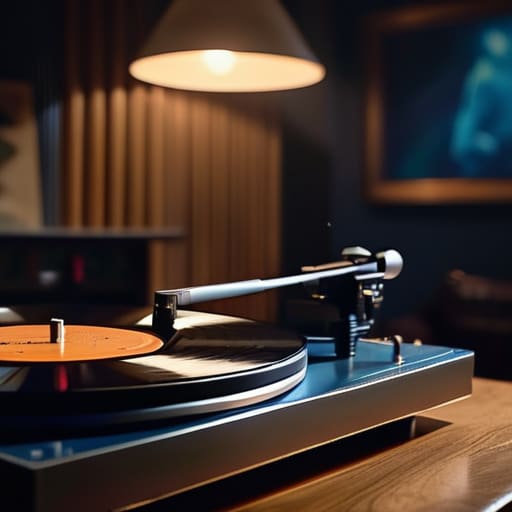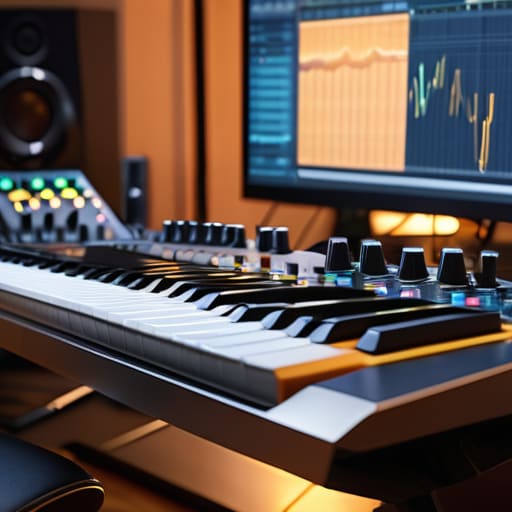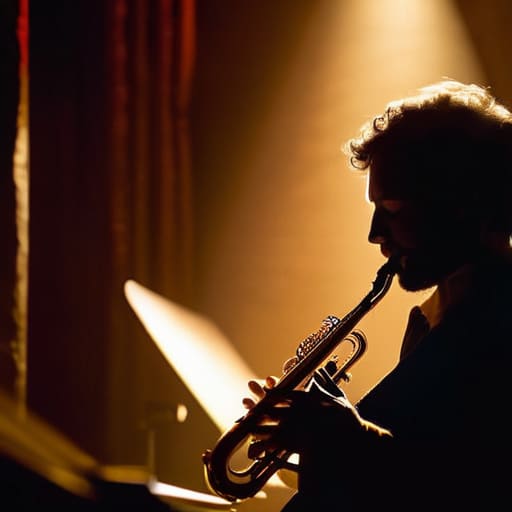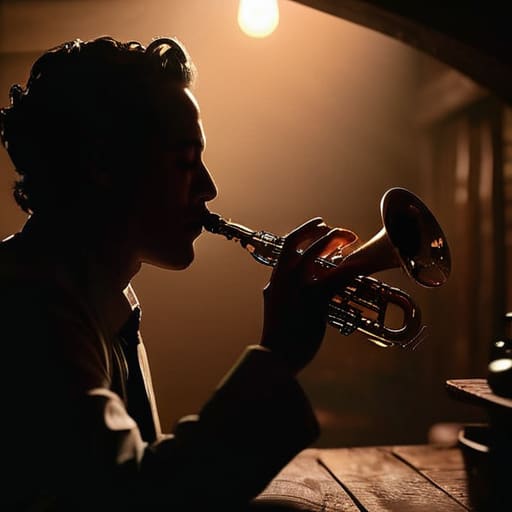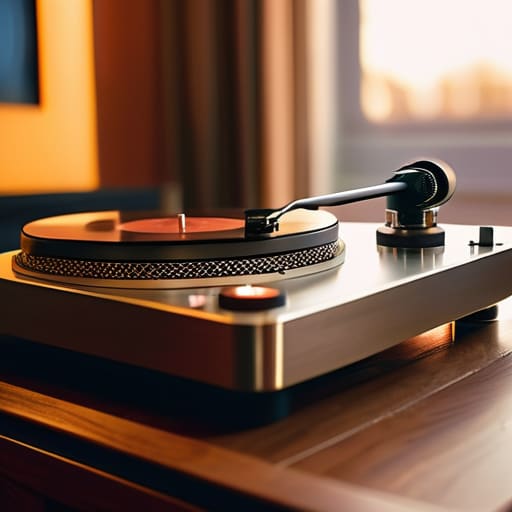
I was sitting in a dimly lit corner of a jazz club in Chicago last Tuesday, the kind of place where the air feels heavy with history and the scent of old mahogany. The band was playing a standard, but the pianist began weaving in these unexpected, modern textures—fragments of something else entirely. It struck me then how much people tend to overcomplicate the concept of remix culture with all this academic jargon about “iterative digital reconfiguration.” To me, it isn’t some complex technological phenomenon; it’s more like finding a new rhythm in an old song, taking the bones of something beautiful and giving it a fresh breath of life.
I’m not here to lecture you on the mechanics of software or the latest digital trends that will be obsolete by next season. Instead, I want to talk about the soul of the reuse. I promise to share my perspective on how we can honor the past while making room for the new, focusing on the art of the echo rather than the noise of the machine. We’re going to look at how to find the genuine connection in the layers, ensuring that whatever is being reborn actually carries the weight of something worth remembering.
Table of Contents
Sampling in Modern Music the Beauty of a Borrowed Beat
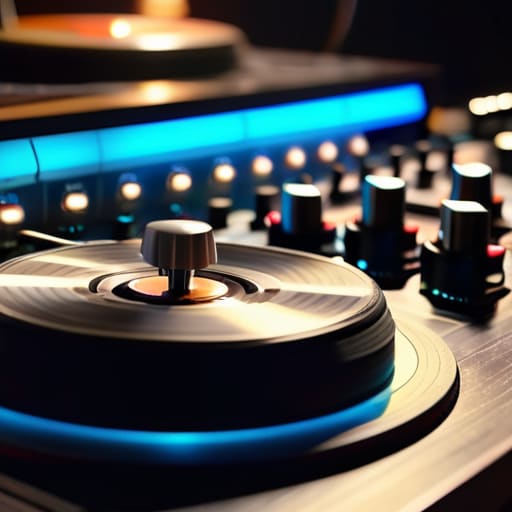
I remember sitting in a dusty basement archive years ago, listening to a scratched 45 of a Motown track, marveling at how a single drum fill could carry the weight of an entire era. Today, I see that same spirit alive in the way producers approach sampling in modern music. It isn’t merely about taking a piece of someone else’s work; it is about sonic recontextualization. It’s the act of finding a ghost in a machine, pulling a lonely trumpet line from a 1950s jazz record and letting it breathe within a heavy, modern bassline.
When a producer finds that perfect loop, they aren’t just copying; they are engaging in a dialogue with the past. This process turns the studio into a kind of living museum where the old and the new collide. To me, remixing as an art form feels much like my old work in the archives—it is about taking something that was once tucked away in a folder and giving it a new, vital purpose. It’s about finding the connective tissue between generations through a single, borrowed beat.
The Digital Transformation of Creativity and Our Shared Memory

It’s a strange thing, sitting here with my notebook, thinking about how much the landscape has shifted. In my years in the archives, history was something held in heavy, physical volumes—static and unchanging. But today, we are witnessing a profound digital transformation of creativity that feels much more like a living, breathing organism. We no longer just preserve the past; we reach into it, pull out a fragment of a melody or a snippet of a spoken word, and weave it into something entirely new.
This isn’t just about technology, though. It’s about how we hold onto our collective identity. When a producer engages in sonic recontextualization, they aren’t just stealing a sound; they are engaging in a conversation with the ghosts of the artists who came before them. It’s a way of keeping our shared musical memory alive, ensuring that a bassline from 1974 can still make a teenager in 2024 feel something deep in their chest. We are building a new kind of history, one made of echoes and layered intentions.
How to Listen Between the Layers
- Listen for the ghost in the machine. When you hear a track that feels familiar yet entirely new, don’t just nod along; try to trace the lineage of that sound back to its source. It’s like recognizing a recurring motif in a historical archive—once you see the connection, the whole piece changes.
- Value the patina of imperfection. In a world of digital precision, there is a profound beauty in the crackle of an old vinyl sample or the slight hiss of a tape loop. Don’t be so quick to polish away the grit; that’s where the soul usually hides.
- Respect the lineage, but embrace the evolution. Remix culture isn’t about theft; it’s a conversation across time. Treat the original creators like the masters they are, but allow yourself the grace to reinterpret their work through your own modern lens.
- Slow down your consumption. We tend to skip through playlists like we’re rushing through a museum gallery. Instead, pick one remix and sit with it. Notice how the producer has rearranged the architecture of the melody, much like how a new building might use the stones of an old ruin.
- Look for the human connection in the digital loop. Even when music is built from fragments of data, the intention behind the arrangement is deeply personal. Ask yourself what the artist is trying to say by bringing these two disparate worlds together.
The Echoes That Remain
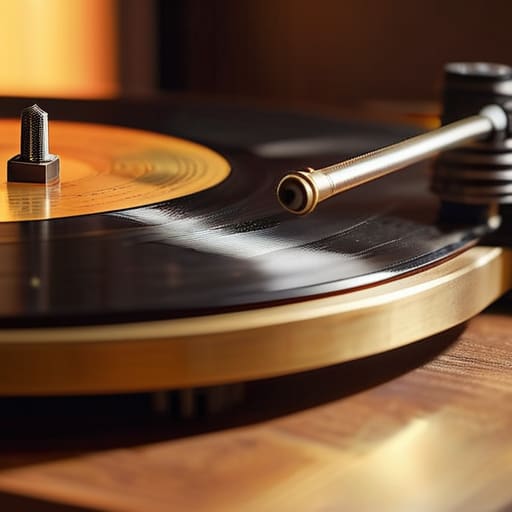
Remix culture isn’t about theft or lack of originality; it’s a way of honoring the past by letting its most beautiful fragments breathe in a new era.
We must learn to see digital sampling as a form of modern archiving, where old melodies are preserved and repurposed rather than simply forgotten.
True creativity lies in the intention behind the edit—finding that specific, soulful connection between a borrowed beat and a brand-new feeling.
The Echoes We Carry
To me, a remix isn’t about theft or even cleverness; it’s more like a conversation between generations. It’s taking a melody that once moved your father and letting it find a new heartbeat in the hands of a stranger, proving that the best parts of our history never truly fade—they just learn to dance to a different rhythm.
Petra Lindgren
The Echoes That Remain
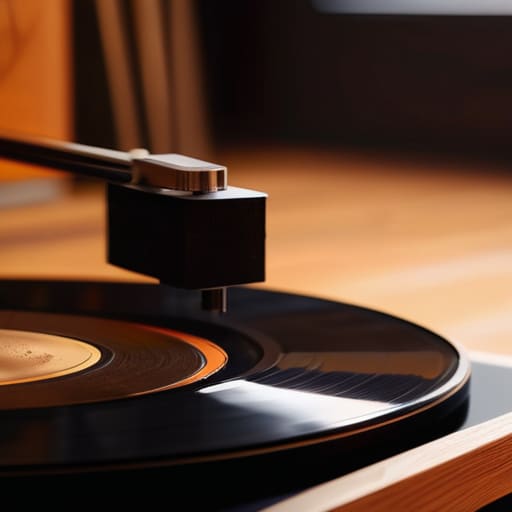
As I sit here in the dim light of my study, listening to the crackle of a worn jazz record, I realize that remix culture isn’t about theft or the erasure of the past. It is, rather, a continuous conversation between generations. We have seen how a single borrowed beat can breathe new life into a melody, and how our digital archives allow us to weave our shared history into something entirely fresh. By pulling from the old to build the new, we aren’t just recycling; we are ensuring that the soul of the original survives, even as it takes on a different shape. It is a way of keeping the music playing, long after the initial performance has ended.
Perhaps we should stop viewing creativity as a solitary act of invention and start seeing it as a way of listening. In a world that feels increasingly rushed and disposable, there is something profoundly beautiful about the way a remix honors what came before. It reminds us that nothing is ever truly lost; it is simply waiting to be heard in a new light. So, the next time you hear a familiar refrain tucked inside a modern track, I hope you take a moment to pause. Don’t just listen to the beat—listen for the ghost in the machine, and appreciate the beautiful, unbroken thread that connects us all.
Frequently Asked Questions
Does the constant repurposing of old sounds risk losing the original intention or the "soul" of the first artist?
It’s a delicate thing, isn’t it? I often wonder about that myself while flipping through my old jazz records. There is always a risk that a profound moment becomes merely a texture, a rhythmic backdrop stripped of its heartache. But I’ve found that when done with reverence, a remix doesn’t kill the soul; it gives it a new way to breathe. It’s not about replacing the original, but inviting it into a new conversation.
At what point does a remix stop being a tribute and start becoming something that lacks its own identity?
It’s a fine line, isn’t it? I often think of it like an archivist looking at a restored manuscript. A tribute honors the original by adding a new layer of meaning, breathing fresh life into the old notes. But when the original becomes nothing more than a hollow shell—when you can no longer hear the new intention beneath the borrowed melody—that’s when the soul departs. A remix loses its identity when it stops conversing with the past and simply mimics it.
How do we protect the history of these sounds when they are being endlessly reshaped by new technology?
It’s a question that keeps me up some nights, much like the crackle of a worn jazz record. We protect them by refusing to let the source become a ghost. We must document the lineage—not just the new track, but the original heartbeat that inspired it. In my years in the archives, I learned that preservation isn’t about freezing time; it’s about honoring the connection between the old soul and the new skin.